Structural Analysis: Engineering the Perfect Foundation
When it comes to designing the mold for a mixer base, structural analysis plays a pivotal role. As part of this procedure, the base's ability to resist operational stresses and forces is thoroughly tested. Engineers use state-of-the-art computer-aided design (CAD) software and finite element analysis (FEA) to optimize the base's design by mimicking real-world conditions.
One of the primary considerations in structural analysis is the distribution of weight. The casting mixer base must support not only the weight of the motor and mixing bowl but also withstand the dynamic forces generated during mixing operations. This is especially significant when managing with overwhelming players or batter. To address this, creators regularly join ribbing and fortification structures inside the base to upgrade its load-bearing capacity without altogether expanding its generally weight.
Another critical factor is vibration dampening. High-speed mixing can generate substantial vibrations, which, if not properly managed, can lead to noise, instability, and potential damage to the appliance or work surface. Engineers can find the best spots for rubber feet or internal dampening systems, which absorb vibrations, by doing thorough structural analyses.
One of the most important factors to think about while analyzing the structure of a mixer base is thermal control. During operation, the motor produces heat, which needs to be properly dissipated to avoid overheating and prolong its lifespan. This often involves designing airflow channels within the base structure to facilitate natural convection cooling.

Material Selection: Balancing Performance and Manufacturability
A crucial factor that affects performance and production efficiency is the material choice for the mixer base. Traditionally, many kitchen appliance manufacturers have relied on various plastics for their affordability and ease of molding. However, for high-end mixers, more robust materials are often preferred.
Aluminum alloys, particularly ADC12, have emerged as a popular choice for mixer bases. The material's heat conductivity, weight, and strength are all superbly balanced. By enabling thinner wall sections without compromising structural integrity, aluminum enables the production of lighter yet more robust items. The improved thermal management of the motor is further enhanced by aluminum's exceptional heat dissipation characteristics.
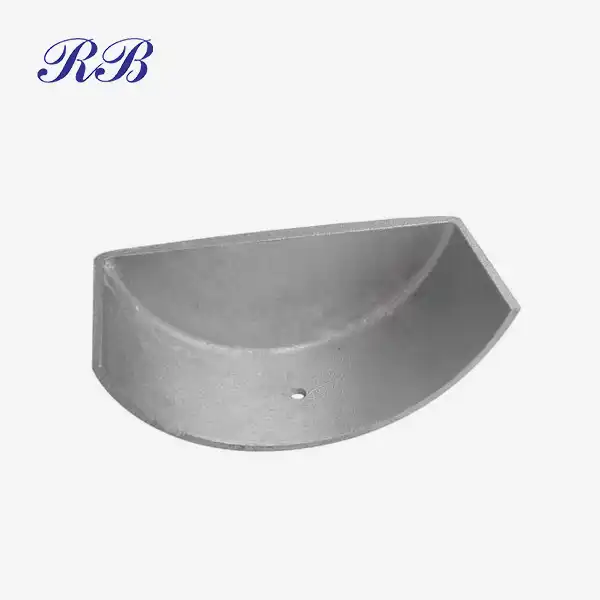
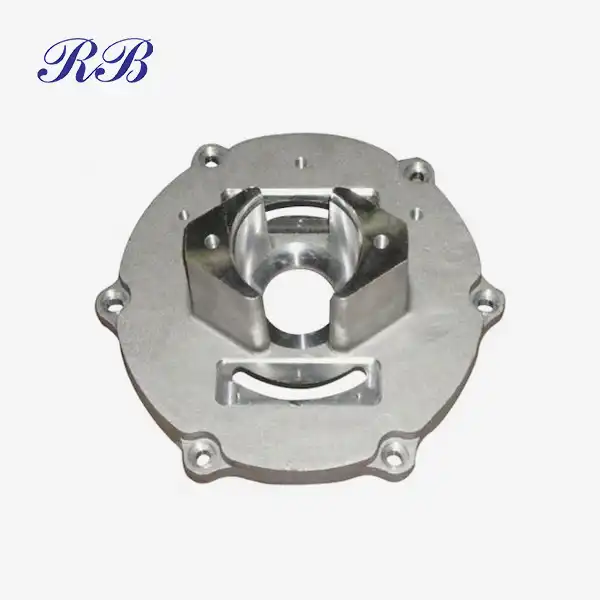
The selection of ADC12 aluminum alloy for the casting mixer base aligns with the material specifications provided by Rongbao Enterprise, a leading supplier in the field. Their casting agitator base parts, designed specifically for casting mixer bases, leverage the benefits of this material in conjunction with their aluminum alloy die casting process.
While material selection primarily focuses on performance characteristics, it must also consider manufacturability. The chosen fabric ought to be consistent with high-pressure pass on casting forms, permitting for proficient generation of complex shapes with tight resistances. When it comes to optimizing fabric choice for both execution and generation efficiency, the knowledge of specialized producers like Rongbao becomes crucial.
Parting and Venting: Crafting Precision in Every Pour
The final, yet equally crucial, aspect of mixer base mold design lies in the intricacies of parting and venting. These components are essential to die casting and have a major impact on the end product's consistency and quality.
When making a mold, the design of the parting lines is quite important. It impacts the structural integrity and aesthetics of the finished product by determining where the two sides of the mold will divide. For a mixer base, the parting line must be carefully positioned to minimize visible seams while ensuring that the mold can be easily filled and the cast part extracted without damage.
Experienced mold designers, like those at Rongbao Enterprise, understand the importance of strategic parting line placement. When deciding where to place the parting line, they take into account things like undercuts, draft angles, and the necessary surface polish. The mixer base retains the modern, polished look of the brand while functioning perfectly, thanks to this meticulous attention to detail.
Another important feature of mold design that has a direct impact on the cast part's quality is venting. Proper venting allows air and gases to escape from the mold cavity as molten aluminum is injected. Without adequate venting, air pockets can form, leading to defects such as porosity or incomplete filling of the mold.
In the case of a casting mixer base, venting must be carefully engineered to ensure complete filling of all structural elements, including thin walls and complex internal features. This often involves a combination of primary vents along the parting line and secondary vents in strategic locations throughout the mold cavity. The placement and size of these vents are critical - too small, and they may not allow sufficient gas escape; too large, and they can lead to flash (excess material) that requires additional post-processing.
Working with specialized manufacturers is beneficial because of the knowledge needed for venting and separation designs to be ideal. This vital step of mold design is where Rongbao Enterprise's expertise in aluminum alloy die casting and years of experience making mixer base parts really shine.
Precision Engineering for Kitchen Excellence
Blender base form planning and fabrication is a difficult handle that calls for an in-depth familiarity with fundamental design principles, fabric science, and advanced fabrication techniques. From the starting auxiliary investigation to the exact craftsmanship of separating and venting, each step plays a vital part in making a item that meets the tall measures related with the brand.
As we've explored, the choice of material - particularly the use of ADC12 aluminum alloy - combined with expert mold design and high-pressure die casting techniques, results in a casting mixer base that is not only durable and efficient but also aesthetically pleasing and manufacturable at scale.
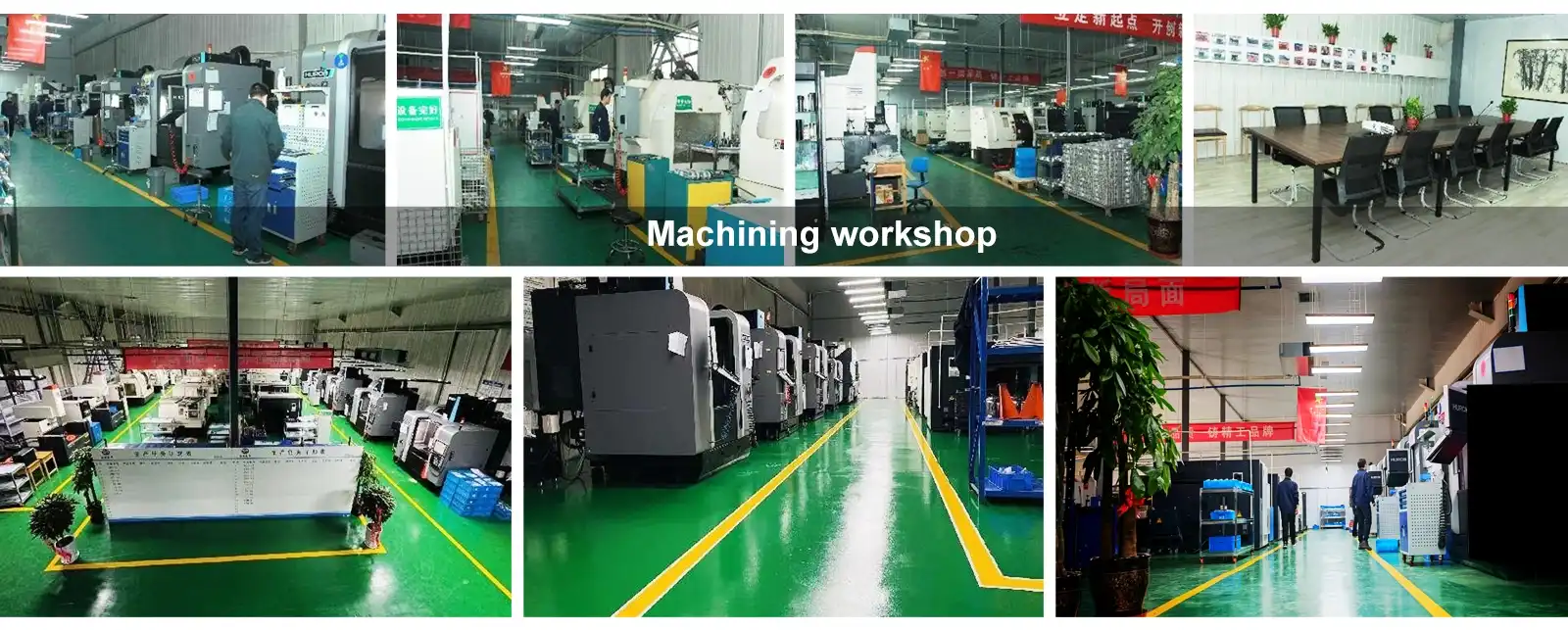
For those in the advertise for high-quality die-cast components, especially in the domain of kitchen apparatuses, joining forces with a legitimate high-pressure kick the bucket casting provider is vital. Rongbao Undertaking stands out as a pioneer in this field, advertising not fair items but comprehensive arrangements that include plan ability, fabric information, and state-of-the-art fabricating capabilities.
If you're seeking a partner for your next die casting project or looking to optimize your current manufacturing processes, consider reaching out to Rongbao Enterprise. Their team of experts, led by Steve Zhou, is ready to assist you in bringing your vision to life with precision and efficiency. Contact them at steve.zhou@263.net or zhouyi@rongbaocasting.com to explore how their casting agitator base parts and aluminum alloy die casting services can elevate your product to new heights of quality and performance.