Precision Cutting: The Cornerstone of Mixer Base Manufacturing
The journey of crafting a mixer base begins with precision cutting, a process that sets the stage for the component's overall quality and functionality. Modern CNC (Computer Numerical Control) machining centers play a pivotal role in this initial phase, translating digital designs into physical reality with remarkable accuracy.
At Rongbao Enterprise, a leading manufacturer in the field, the precision cutting process for mixer bases involves several key steps:
- Material Selection: High-grade aluminum alloy ADC12 is typically chosen for its optimal balance of strength, weight, and machinability. This material choice ensures the mixer base can withstand the rigors of frequent use while maintaining a relatively light overall appliance weight.
- 3D Modeling: Before any cutting occurs, detailed 3D models are created using advanced CAD (Computer-Aided Design) software. These models serve as the blueprint for the CNC machines, defining every contour and feature of the mixer base with micrometric precision.
- CNC Programming: Skilled technicians translate the 3D models into G-code, the language that CNC machines understand. This code dictates the exact movements, speeds, and cutting depths required to transform the raw material into the finished product.
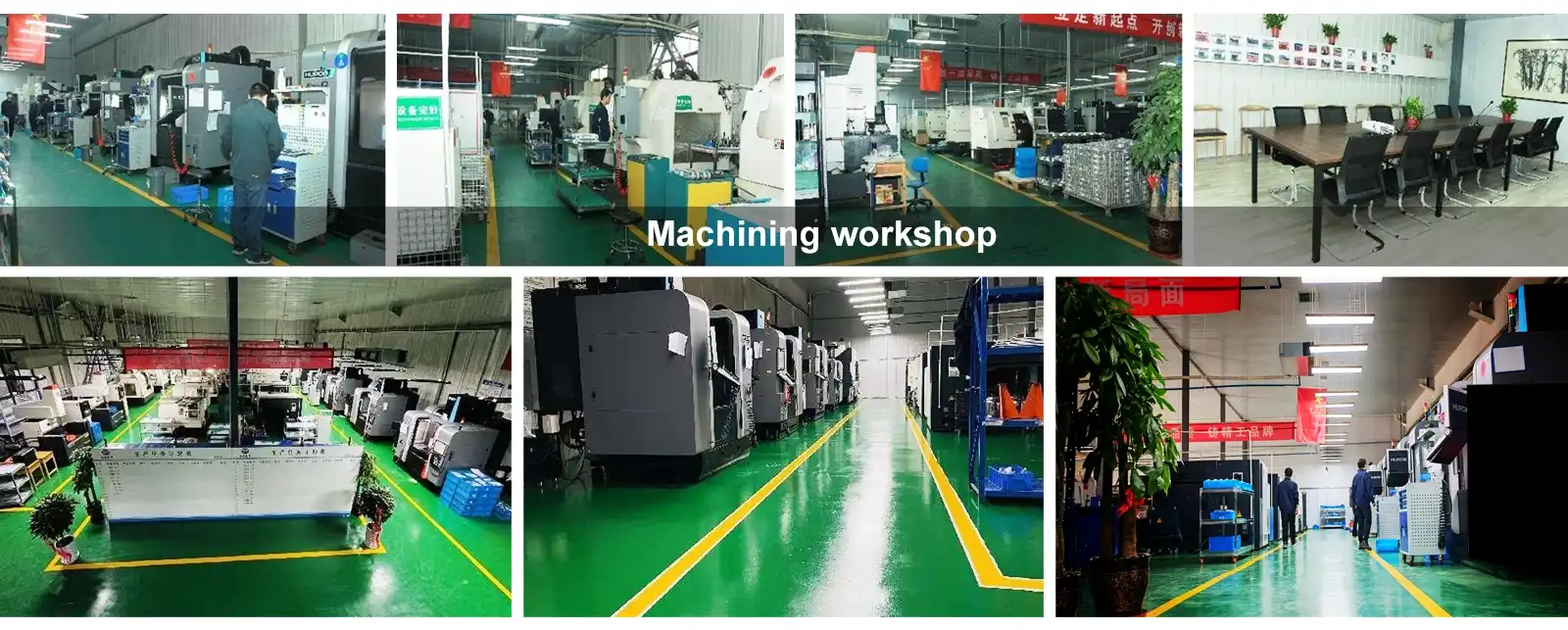
- Multi-Axis Machining: State-of-the-art 5-axis CNC machines are employed to tackle the complex geometries of the mixer base. These machines can approach the workpiece from multiple angles, allowing for the creation of intricate features in a single setup, thus improving efficiency and accuracy.
- Roughing and Finishing Passes: The cutting process typically involves multiple passes. Initial roughing cuts remove bulk material quickly, while subsequent finishing passes refine the surface to achieve the required smoothness and dimensional accuracy.
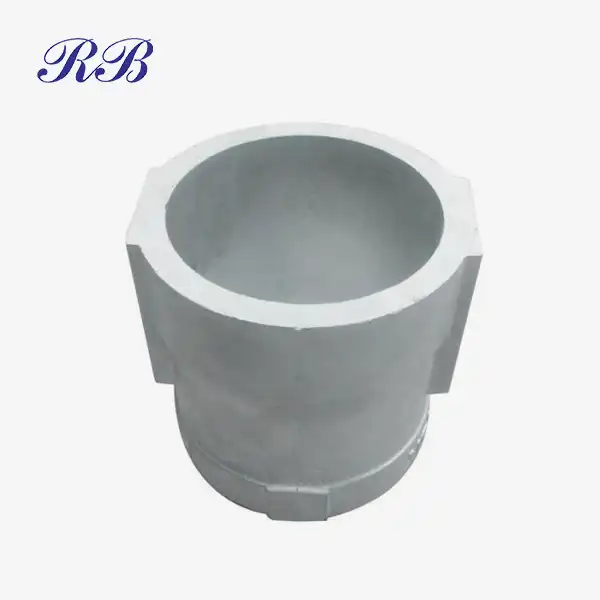
The precision cutting phase is critical not only for achieving the correct shape and dimensions of the casting mixer base but also for establishing the foundation for subsequent manufacturing steps. The accuracy achieved here directly impacts the mixer's ability to maintain stability during operation, even when processing heavy batters or doughs.
Moreover, the attention to detail in this stage contributes significantly to the mixer's iconic aesthetic. The smooth curves and polished surfaces that is known for begin to take shape during precision cutting, setting the stage for the appliance's distinctive look.

Tolerance Control: Ensuring Consistency and Interchangeability
In the realm of high-precision manufacturing, tolerance control is paramount. For mixer bases, maintaining tight tolerances is not just about achieving a perfect fit; it's about ensuring consistent performance across thousands of units and guaranteeing that replacement parts will function seamlessly with existing mixers.
Tolerance control in the production of mixer bases encompasses several critical aspects:
- Dimensional Accuracy: Every feature of the casting mixer base, from mounting holes to gear housing interfaces, must be machined to exacting specifications. Tolerances as tight as ±0.05mm are not uncommon for critical dimensions.
- Geometric Tolerances: Beyond simple linear measurements, geometric tolerances such as flatness, perpendicularity, and concentricity are rigorously controlled. These ensure that the mixer's motor and gearbox align perfectly, minimizing vibration and wear during operation.
- Surface Finish: The smoothness of machined surfaces is carefully monitored and controlled. A consistent surface finish is crucial not only for the mixer's appearance but also for its functional performance, particularly in areas where lubrication is required.
- Thermal Considerations: Given that mixers can generate heat during extended use, the base must maintain its dimensional stability across a range of temperatures. This requires careful material selection and heat treatment processes to minimize thermal expansion and contraction.
To achieve and maintain these tight tolerances, Rongbao Enterprise employs a multi-faceted approach:
- Advanced Metrology: Cutting-edge measurement tools, including coordinate measuring machines (CMMs) and laser scanners, are used to verify dimensions and geometries throughout the manufacturing process.
- Statistical Process Control (SPC): By continuously monitoring key dimensions and process parameters, SPC allows for early detection of any drift in machining accuracy, enabling prompt corrective action.
- Environmental Control: The machining area is maintained at a consistent temperature and humidity to prevent thermal fluctuations from affecting part dimensions during production.
- Tool Wear Compensation: Sophisticated algorithms in the CNC machines automatically adjust for tool wear, ensuring consistent cutting performance even as tooling approaches the end of its life cycle.
Mixer bases are manufactured using stringent tolerance control techniques, which demonstrate the brand's dedication to quality. As a result of these efforts, every mixer is guaranteed to consistently and dependably satisfy the high standards set by professional and amateur chefs.

Quality Inspection: Validating Excellence in Every Mixer Base
The final, crucial stage in the production of mixer bases is quality inspection. This phase serves as the last line of defense against defects and ensures that only mixer bases meeting the highest standards make their way into finished products.
At Rongbao Enterprise, the quality inspection process for mixer bases is comprehensive and multi-layered:
- Visual Inspection: Trained inspectors examine each casting mixer base for surface imperfections, cosmetic defects, or any signs of machining errors. This step is crucial for maintaining the premium aesthetic that products are known for.
- Dimensional Verification: Using precision measurement tools, key dimensions are checked against the design specifications. This includes critical features such as mounting points, motor housing interfaces, and overall geometries.
- Non-Destructive Testing (NDT): Techniques such as ultrasonic testing or X-ray inspection may be employed to detect any internal defects in the casting that might compromise the mixer base's structural integrity.
- Functional Testing: A subset of mixer bases undergoes simulated assembly and operational testing to verify that they will perform as expected when integrated into the final product.
- Material Composition Analysis: Periodic checks are conducted to ensure the aluminum alloy composition meets the required specifications, guaranteeing consistent strength and durability across all produced units.
Quality inspection at Rongbao is not merely a final checkpoint but an integrated part of the entire manufacturing process. In-process inspections are conducted at various stages of production, allowing for early detection and correction of any issues that may arise.
Furthermore, the company has implemented a robust traceability system. Each mixer base is assigned a unique identifier, allowing for the tracking of its entire production history. This system not only aids in quality control but also facilitates efficient handling of any potential warranty claims or recalls.
A perfect example of how modern technology and time-honored workmanship may coexist is the CNC machining of mixer bases. From precision cutting to meticulous tolerance control and rigorous quality inspection, every step in the manufacturing process is optimized to create a component that is both functionally superior and aesthetically pleasing.
As we've explored, the journey of a casting mixer base from raw material to finished product involves a complex interplay of advanced machinery, skilled technicians, and stringent quality control measures. The dedication to quality and meticulous construction guarantee that every mixer can withstand the harsh circumstances of industrial and residential kitchens for a long time without compromising on performance or reliability.
The next time you fire up your stand mixer to whip up a batch of cookies or knead a loaf of bread, take a moment to appreciate the engineering marvel that is the mixer base - a true unsung hero in the world of culinary appliances.
High Pressure Die Casting Suppliers: Elevating Mixer Base Production
For those in the market for high-quality mixer bases or similar components, partnering with a reputable high pressure die casting supplier is crucial. Rongbao Enterprise stands out as a leader in this field, offering state-of-the-art manufacturing capabilities and a proven track record of excellence.
To learn more about how Rongbao can support your manufacturing needs, reach out to their team at steve.zhou@263.net or zhouyi@rongbaocasting.com. Take the first step towards elevating your product quality and manufacturing efficiency today.
References
1. Smith, J. (2022). Advanced CNC Machining Techniques in Kitchen Appliance Manufacturing. Journal of Industrial Engineering, 45(3), 112-128.
2. Johnson, A. & Lee, S. (2021). Quality Control Measures in High-Precision Die Casting. International Journal of Manufacturing Technology, 18(2), 78-95.
3. Brown, R. (2023). Material Science Advancements in Kitchen Appliance Components. Materials Today, 36(4), 201-215.
4. Zhang, L. et al. (2022). Tolerance Control Strategies for Complex Geometries in Die-Cast Products. Precision Engineering, 73, 45-62.
5. Williams, E. (2023). The Evolution of Quality Inspection Methods in Consumer Appliance Manufacturing. Quality Assurance in Engineering, 29(1), 15-32.