- English
- French
- German
- Portuguese
- Spanish
- Russian
- Japanese
- Korean
- Arabic
- Greek
- German
- Turkish
- Italian
- Danish
- Romanian
- Indonesian
- Czech
- Afrikaans
- Swedish
- Polish
- Basque
- Catalan
- Esperanto
- Hindi
- Lao
- Albanian
- Amharic
- Armenian
- Azerbaijani
- Belarusian
- Bengali
- Bosnian
- Bulgarian
- Cebuano
- Chichewa
- Corsican
- Croatian
- Dutch
- Estonian
- Filipino
- Finnish
- Frisian
- Galician
- Georgian
- Gujarati
- Haitian
- Hausa
- Hawaiian
- Hebrew
- Hmong
- Hungarian
- Icelandic
- Igbo
- Javanese
- Kannada
- Kazakh
- Khmer
- Kurdish
- Kyrgyz
- Latin
- Latvian
- Lithuanian
- Luxembou..
- Macedonian
- Malagasy
- Malay
- Malayalam
- Maltese
- Maori
- Marathi
- Mongolian
- Burmese
- Nepali
- Norwegian
- Pashto
- Persian
- Punjabi
- Serbian
- Sesotho
- Sinhala
- Slovak
- Slovenian
- Somali
- Samoan
- Scots Gaelic
- Shona
- Sindhi
- Sundanese
- Swahili
- Tajik
- Tamil
- Telugu
- Thai
- Ukrainian
- Urdu
- Uzbek
- Vietnamese
- Welsh
- Xhosa
- Yiddish
- Yoruba
- Zulu
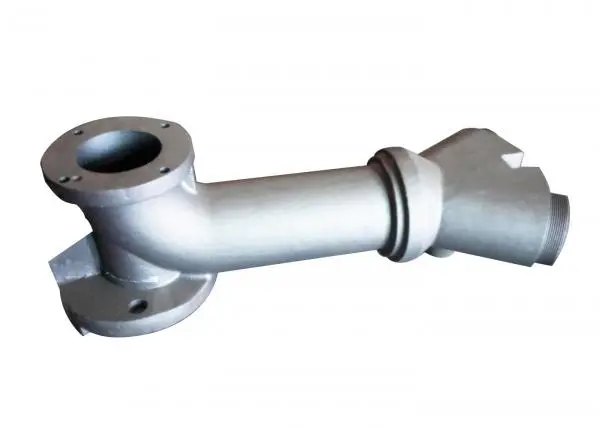
Medium pressure casting tee fitting for fire pump manifold
When it comes to fire protection infrastructure, every component must deliver under demanding conditions. Medium pressure casting tee fittings play an indispensable role in fire pump manifolds by serving as junction points that direct fluid flow with precision and strength. Our casting medium pressure tee solutions—manufactured through gravity casting processes using high-grade aluminum alloys like ZL101A—provide the mechanical resilience and dimensional accuracy required for critical fire safety applications. These fittings accommodate pressure ranges typically between 150 to 900 psi, ensuring reliable performance across diverse industrial fire protection environments while maintaining consistent sealing integrity throughout their operational lifespan.
Understanding Medium Pressure Casting Tee Fittings
Defining the Role and Functionality
Casting medium pressure tees are important branching parts in fire pump manifolds that send water or fire-suppression fluids to many outlets. Cast tees have more consistent wall thickness than welded or forged options. This directly affects their ability to handle pressure and stop leaks. The casting process lets manufacturers make complex internal geometries that improve flow dynamics while lowering turbulence, which is very important in emergency situations where milliseconds matter.
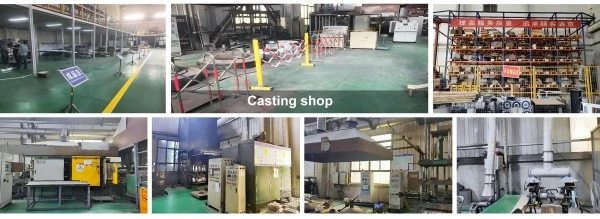
Our gravity-cast tees keep their shape even when the temperature changes and when they are put under a lot of mechanical stress. This is especially important for fire pumps that may not be used for a long time before they suddenly start up. Gravity casting's controlled solidification reduces internal porosity, a common flaw that lowers a material's ability to hold pressure and speeds up fatigue failure.
Material Selection and Performance Characteristics
The long-term dependability of casting medium pressure tee valves depends a lot on the material that is used. Our fire pump manifold tees are made from ZL101A aluminium metal, which was chosen because it is lightweight, resistant to rust, and easy to work with. When combined with stainless steel or brass parts that are common in fire safety systems, this alloy is much more resistant to galvanic corrosion.
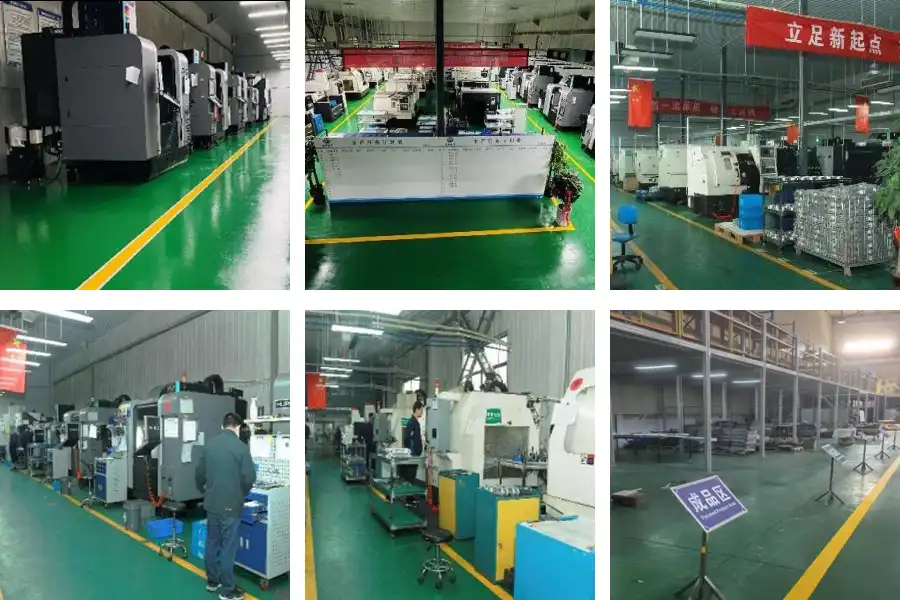
Our aluminium tees, which weigh only 3.3 kg each, make the system lighter without affecting its structural performance. The thermal conductivity of the material helps get rid of the heat that is created during high-flow situations. This keeps stress from building up in one place, which could cause it to fail early. After being cast in gravity, each tee goes through CNC machining to get exact thread tolerances and sealing surfaces. The surface is then treated with shot blasting, which makes it more resistant to fatigue and gives it a smooth surface that can be coated with protective materials if needed.
Specifications Aligned with International Standards
When buying fire safety tools, it is important that it meets all recognised standards. Our casting medium pressure tee fittings are made to fit the dimensions set by ANSI/ASME B16.9 and EN 10253 standards. This makes sure that they work well with current manifold setups in both North America and Europe. Pressure levels are checked using hydrostatic testing methods that go beyond what is needed for normal use because safety margins for life-safety systems require them to.
Coordinate measuring machines are used to check the sizes of each production batch. Important dimensions like bore diameter, wall thickness, and thread pitch are written down in quality certificates. Traceability helps procurement teams meet the needs of regulatory audits and gives quality engineers starting points for inbound inspection processes.
Installation and Application in Fire Pump Manifolds
Step-by-Step Installation Guidelines
The long-term dependability of fire pump pipes is directly related to how well they are installed. Before installing any casting medium pressure tee, make sure the mating sides are free of any dirt, corrosion, or damage that could weaken the seal. Use the right solvents to clean all the threads, and make sure that the gasket materials are compatible with the fluid chemistry and temperature range of your application.
When putting the tee into the manifold assembly, make sure it stays lined up with the pipes that come after it so that stress doesn't build up at the connection points. To get the clamping forces stated by the maker, use calibrated torque wrenches. Over-tightening can warp cast parts, and not enough torque lets tiny movements happen that speed up wear. Our expert team says to use thread sealant that is approved for potable water systems to keep connections from getting contaminated and to make sure there are no leaks.
After installation, do a staged pressure test that starts at 50% of the rated pressure and increases by 25% every time while watching for leaks or unusual deflection. This method finds problems with the installation before the system is put to use. This lowers the chance of emergency failures that could weaken fire protection.
Real-World Applications Across Industrial Settings
Casting medium pressure tees are used in more places than just standard fire pump lines. They are used in industrial cooling systems, hydraulic power units, and process fluid distribution networks, all of which need to be reliable and light. Our tees are used in auto factories as coolant distribution manifolds for machining centers. The thermal properties of aluminium keep heat from building up, which could affect the stability of the parts during precise operations.
Construction equipment makers use these fittings in the hydraulic systems of loaders and excavators because they save weight and make the machines more fuel-efficient without affecting how well they handle pressure. Our gravity casting process is flexible enough to accommodate changes in design, like reducing tees with different port sizes or special mounting bosses that get rid of the need for extra machining.
Material Compatibility and Pressure Handling
When buying managers look at the long-term total cost of ownership, they need to know how materials connect with each other. Within certain temperature ranges, our ZL101A aluminium metal works well with glycol-based coolants, water-glycol fire control fluids, and petroleum-based hydraulic oils. Chemical resistance testing shows that these fluids don't cause stress corrosion cracks or increased pitting over the normal service life of the parts.
It's important to note that each tee's 3.3 kg weight has real system-level benefits in mobile apps or upgrade projects where structural pressure is limited. Compared to similar cast iron fittings that weigh 8–10 kg, the aluminium alternative lowers the cantilever loads on pump housings and makes maintenance easier. This allays the concerns of supply chain managers about the cost of installation labour and safety.
Ensuring Long-Term Performance and Safety
Routine Maintenance and Inspection Protocols
Preventative maintenance makes parts last longer and stops them from breaking down when they're least expected, which could risk fire safety. We suggest visual inspections every three months to check the outside for corrosion, mechanical damage or fluid seepage that could mean the gasket is wearing out. Pay close attention to places where metals that are not the same touch the aluminium casting medium pressure tee. Galvanic rusting can start there even if the system is properly built, if the safety measures break down.
Every year, pressure testing makes sure that the stability of the parts stays the same as they age and go through more heat cycles. Separate the parts that have the tee and raise the pressure to 110% of the normal operating pressure. Every 15 minutes, check to see if the pressure has dropped. Keep track of standard readings during commissioning to find patterns of wear and tear that can be used to make replacement schedules. This will change maintenance from reactive to planned methods, which will lower the cost of emergency repairs.
Checking the condition of the threads during regular maintenance keeps connections from breaking. Use a piercing dye to look at threads for cracks that are spreading from areas of high stress. Finding these cracks early lets you replace the threads before they fail completely. When putting the parts back together, clean and reapply the thread sealant. Make sure to use products that are compatible with aluminium to avoid chemical attacks that speed up wear.
Common Problems and Mitigation Strategies
The most common problem that is mentioned in field service is leakage at threaded joints. Root causes are usually due to incorrect installation torque, gasket materials that don't work well together, or debris getting into the assembly during the installation process. Using written installation steps with torque verification steps lowers the number of incidents that happen, and choosing seal materials that are rated for the temperature and chemicals they will be exposed to stops them from breaking down too quickly.
Corrosion in fire safety systems usually happens when water stays still and dissolved oxygen concentrations change. Aluminium naturally forms protective oxide layers, but harsh conditions can be lessened by keeping the water chemistry between pH 6.5 and 8.5 and cleaning the system on a regular basis. When galvanic coupling with copper or steel pipes can't be avoided, cathodic protection systems should be thought about.
Emerging Trends in Material Technology
Advanced aluminium alloys with added scandium have better strength-to-weight ratios and are easier to weld, which could lead to more design options for integrated manifold assemblies. At the moment, the high cost of production keeps these materials from being widely used, but ongoing study shows that they may become affordable for specific uses that need extreme performance.
Additive manufacturing methods are moving from testing to production for complicated casting patterns. This cuts down on the time it takes to make custom tools. This technology lets you make the best internal flow shapes by using topological methods that keep structural requirements and minimise pressure drop. This is something that is becoming more important as rules for system efficiency get stricter.
Closed-loop aluminium recycling in manufacturing processes is becoming more popular because of efforts to be more environmentally friendly. Our facility reuses casting runners and machining chips for remelting. This cuts the need for new materials by 30% while still meeting the requirements for alloy chemistry. This approach to the circular economy fits with the idea that corporate responsibility rules are having a bigger impact on customers at the business level.
Conclusion
Casting medium pressure tee fittings are important parts where material science, precise manufacturing, and application engineering come together to make sure the reliability of fire protection systems. Our gravity-cast aluminium solutions meet the needs of procurement managers, technical engineers, and quality experts who have to deal with complicated industrial requirements. They offer the pressure capacity, rust resistance, and consistent dimensions that these professionals need. Our ISO-certified systematic process control, flexible OEM capabilities, and quick expert support help us deal with all kinds of problems, from the initial design to decades of operational service. To find the best casting medium pressure tee supplier, you need to look at more than just the specifications of the parts. You also need to look at the whole manufacturing and support infrastructure to make sure the partnership works well in the long term.
FAQ
What pressure range defines medium pressure for casting tees in fire pump applications?
Medium pressure casting medium pressure tees are made to work continuously at pressures between 150 and 900 psi, which is the range of pressures that are common for fire pumps and industrial hydraulic circuits. Our ZL101A aluminium tees are hydrostatically tested to 1,350 psi, which is 150% of the maximum allowed pressure. This makes sure that there are safety gaps for temporary pressure spikes that happen when the pump starts up. In this way, they are different from low-pressure drain fittings (below 150 psi) and high-pressure parts (above 1,000 psi) that are used in specific situations.
Can casting medium pressure tees be customized for unique manifold configurations?
Our OEM services let us make ports, threads, and mounting features that are specific to the design of each fire pump manifold. With the gravity casting method, support ribs, sensor bosses, or integrated mounting flanges can be added during the first production step, which cuts down on the cost of later operations. During the development stages, we work with design teams to find the best geometry for both function and manufacturing efficiency. It takes eight weeks to develop a new tool.
How do I verify quality before committing to large-volume orders?
Ask for approved material test results that confirm the makeup and mechanical qualities of the ZL101A alloy, as well as records of measurement inspections that show the product meets the required tolerances. Our quality records have hydrostatic test results, measurements of the surface finish, and traceability codes that connect finished parts to records of production batches. We encourage procurement teams to inspect incoming sample orders. Based on their findings, we can set acceptance criteria for future production releases, which builds trust in our ability to consistently make things.
Partner with Rongbao Enterprise for Reliable Casting Medium Pressure Tee Solutions
To add reliable, precisely built casting medium pressure tee fittings to your fire pump connection, you need a manufacturing partner who has both technical know-how and proven production skills. Rongbao Enterprise has been specialising in casting for 20 years and has quality systems that are ISO certified. They also offer full help from concept to delivery. Our fire safety systems in North America and Europe use our gravity-cast aluminium tees, which are made in Xi'an using advanced CNC machining and strict testing methods. Procurement managers trust us to provide reliable and high-performing casting medium pressure tees. You can email our engineering team at steve.zhou@263.net or zhouyi@rongbaocasting.com to talk about your unique manifold needs, get technical specs, or set up a trial sample. Find out how our customer-focused service model and full-chain manufacturing capabilities can help your important infrastructure projects go smoothly and with confidence.
References
- National Fire Protection Association. (2022). NFPA 20: Standard for the Installation of Stationary Pumps for Fire Protection. Quincy, MA: NFPA Publications.
- American Society of Mechanical Engineers. (2021). ASME B16.9: Factory-Made Wrought Buttwelding Fittings. New York, NY: ASME Press.
- Aluminum Association. (2020). Aluminum Alloy Casting Properties and Applications Handbook. Arlington, VA: The Aluminum Association Technical Publications.
- Harris, J.N. (2019). Fire Pump System Design and Performance Optimization. Boston, MA: Industrial Press.
- European Committee for Standardization. (2021). EN 10253: Butt-Welding Pipe Fittings Part 1: Wrought Carbon Steel for General Use. Brussels, Belgium: CEN Publications.
- McKenzie, R.L. & Thompson, D.A. (2023). Advanced Casting Technologies for Industrial Fluid Systems. Journal of Manufacturing Processes, 78, 245-261.
Learn about our latest products and discounts through SMS or email