- English
- French
- German
- Portuguese
- Spanish
- Russian
- Japanese
- Korean
- Arabic
- Greek
- German
- Turkish
- Italian
- Danish
- Romanian
- Indonesian
- Czech
- Afrikaans
- Swedish
- Polish
- Basque
- Catalan
- Esperanto
- Hindi
- Lao
- Albanian
- Amharic
- Armenian
- Azerbaijani
- Belarusian
- Bengali
- Bosnian
- Bulgarian
- Cebuano
- Chichewa
- Corsican
- Croatian
- Dutch
- Estonian
- Filipino
- Finnish
- Frisian
- Galician
- Georgian
- Gujarati
- Haitian
- Hausa
- Hawaiian
- Hebrew
- Hmong
- Hungarian
- Icelandic
- Igbo
- Javanese
- Kannada
- Kazakh
- Khmer
- Kurdish
- Kyrgyz
- Latin
- Latvian
- Lithuanian
- Luxembou..
- Macedonian
- Malagasy
- Malay
- Malayalam
- Maltese
- Maori
- Marathi
- Mongolian
- Burmese
- Nepali
- Norwegian
- Pashto
- Persian
- Punjabi
- Serbian
- Sesotho
- Sinhala
- Slovak
- Slovenian
- Somali
- Samoan
- Scots Gaelic
- Shona
- Sindhi
- Sundanese
- Swahili
- Tajik
- Tamil
- Telugu
- Thai
- Ukrainian
- Urdu
- Uzbek
- Vietnamese
- Welsh
- Xhosa
- Yiddish
- Yoruba
- Zulu
Materials for Casting Coupling Flange Parts
When selecting materials for cast coupling flange components, understanding the properties and performance characteristics of various alloys is essential for ensuring long-term reliability and operational safety. A coupling flange serves as a critical connector in mechanical systems, joining rotating shafts or securing pipe connections across industries ranging from power transmission to telecommunications infrastructure. The material choice directly impacts conductivity, mechanical strength, corrosion resistance, and overall component lifespan. Aluminum alloys, particularly A356, have gained significant traction due to their excellent strength-to-weight ratio and exceptional casting characteristics, making them ideal for applications requiring both durability and reduced mass.
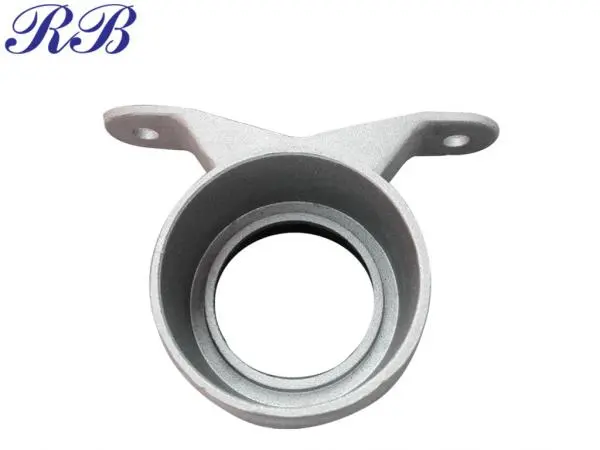
Cast Coupling Flanges Material Requirements
What Is a Cast Coupling Flange and Why Material Selection Matters
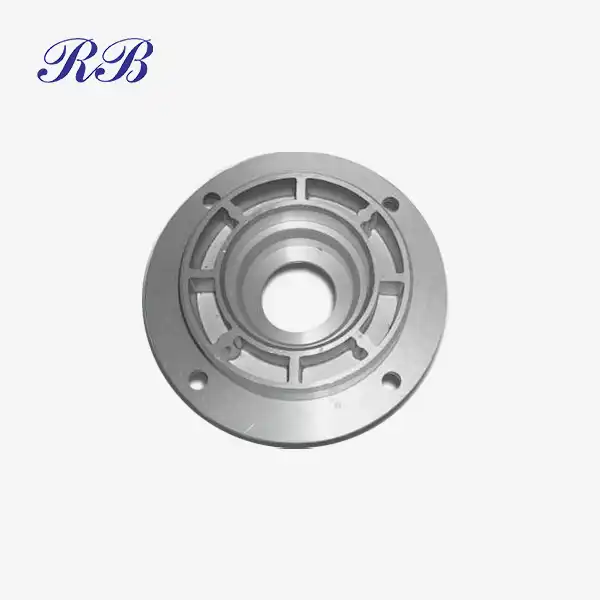
Cast coupling flanges are round mechanical parts with a raised rim or collar that are used to firmly connect pipe systems, equipment, or moving shafts. These plates make it easier to transfer power while keeping the alignment and structural integrity when the machine is under a lot of stress. Whether it's gravity casting, sand casting, or low-pressure die casting, the process of casting shapes molten metal into precise shapes that meet strict functional requirements.
The choice of material affects every aspect of how well a cast coupling flange works. When there is a lot of pressure or torque, the load-bearing ability is based on the mechanical power. Corrosion resistance makes things last longer in harsh chemical environments or outside. Performance steadiness during thermal cycle is affected by temperature tolerance. Machinability affects post-casting operations such as CNC machining, and cost balances performance with limited funds. When engineers look at coupling flanges, they have to think about these interconnected factors so that the properties of the material can meet the needs of the application.
Key Functional Roles Across Industries
Cast coupling flanges are used in many different areas. They are structural links that hold up high-voltage equipment and antenna mounts in communication and power transfer structures. When it comes to tower installations, the telecom industry really likes lightweight aluminum flanges because they make logistics and installation easier. Flanges in oil and gas pipes have to be able to handle fluids that are acidic and high pressures. Chemical processing plants need materials that can handle harsh chemicals and sudden changes in temperature. Machines that make things depend on flanges that can handle repeated loads and pressure without wearing out.
When procurement professionals understand these operational contexts, they can better match material specifications with real-world performance requirements. This lowers the risk of failure before its time and avoids costly downtime.
Common Materials Used for Cast Coupling Flange Components
Aluminum Alloys: The A356 Advantage
Due to their low density and excellent mechanical qualities, aluminum alloys have become the material of choice for many cast coupling flange uses. In particular, A356 aluminum alloy stands out because it has about 7% silicon and 0.3% magnesium in it, which makes it easier to cast and gives it great strength after being heated. In the T6 temper state, this metal has a tensile strength of about 280 MPa and a density of only 2.68 g/cm³, which is about a third of that of steel.
For most A356 cast coupling flanges, the casting method is sand casting, which can handle complicated shapes and unique requirements. Sand casting lets you make parts that range in size and weight from small clamps to large flanges that weigh more than 3.3 kg. The parts can be made to fit a wide range of design needs. After casting, CNC cutting is used to make sure that important areas are perfectly smooth and fit together correctly during assembly. Surface treatments like shot blasting make things more resistant to fatigue by adding good compressive stresses and giving them a smooth, matte finish.
Because they form a natural oxide layer, aluminum cast coupling flanges are very resistant to corrosion. This makes them good for outdoor installations that are exposed to moisture and temperature changes. Their thermal conductivity makes it easier for heat to escape in situations where temperature control is important. Aluminum is not magnetic, so it doesn't interfere with sensitive electronics. This is a useful property for telecommunications uses.
Carbon Steel: Cost-Effective Strength
When cost and strength are the most important factors, carbon steel is still the material of choice for cast coupling flanges. Grades like ASTM A216 WCB are very tough and easy to weld when the temperature is mild. In normal designs, carbon steel flanges can handle pressures up to ANSI Class 2500, which means they work well in high-pressure situations.
The main problem with the material is that it is easily corroded. Without coatings or galvanization to protect it, carbon steel breaks down quickly in wet or chemically harsh places. Carbon steel can only be used in situations below 425°C, because its properties start to break down above that temperature. Even with these problems, carbon steel is a cheap and easy-to-find material that makes it a good choice for controlled settings and short-term uses.
Stainless Steel Grades for Corrosion Resistance
Through chromium and nickel alloying, stainless steel types 304 and 316 protect against rust. Grade 304 has about 18% chromium and 8% nickel, which makes it resistant to rust in most situations. It can be exposed to air and slightly acidic substances. Grade 316 adds 2 to 3 percent molybdenum, which makes it much more resistant to chlorides and acidic environments. This makes it perfect for use in the marine environment and in chemical processing.
The mechanical qualities of stainless steel cast coupling flanges stay the same at a lot of different temperatures, from very cold temperatures to temperatures above 800°C in some grades. The material's inactive oxide layer grows back when it gets broken, protecting against corrosion on its own. However, the higher bulk and material cost of stainless steel compared to aluminum can make parts heavier and cost more to buy, which affects the total cost of ownership for big projects.
Selecting the Right Material: Procurement and Cost Considerations
Balancing Performance Requirements with Budget Constraints
When procurement is done right, material performance and project economics are balanced. Aluminum alloys usually have higher costs for their raw materials than carbon steel, but they also have benefits that balance them out. Aluminum is light, which makes it cheaper to ship and easier to install, especially for big parts or places that are hard to get to. In spite of a higher original investment, corrosion resistance lowers lifecycle costs by getting rid of the need for coatings and lowering the number of times that upkeep needs to be done.
Unit costs can be cut by a large amount when you make deals with well-known manufacturers to buy in bulk. It's important to find suppliers who can handle large orders with consistent quality. This way, smaller businesses don't have to deal with delays and quality differences. At Rongbao Enterprise, we can make up to 5,000 pieces in a single production run. Our scalable processes allow us to support both prototype development and large-scale production.
Lead times affect both the plan and cost of an inventory. Standard flange geometries can be shipped quickly from stock, but custom parts need to be designed with special tools and put on a production schedule. Procurement managers can better plan their material needs when they know about normal lead times, which can range from weeks for standard parts to months for complex custom molds.
Customization Options and Supplier Capabilities
In modern manufacturing settings, customized cast coupling flanges that fit particular equipment interfaces and performance needs are becoming more and more important. Sand casting is a cost-effective way to make small to medium-sized parts because it can handle complicated shapes and unique designs without the need for expensive tools like die casting does. Custom specifications could include different bolt patterns, mounting options, or built-in features that get rid of the need for extra assembly steps.
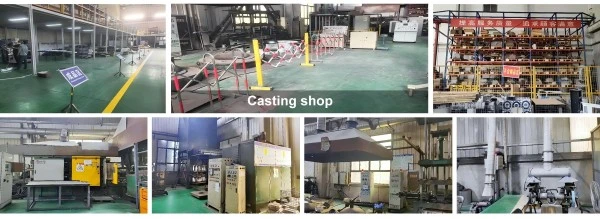
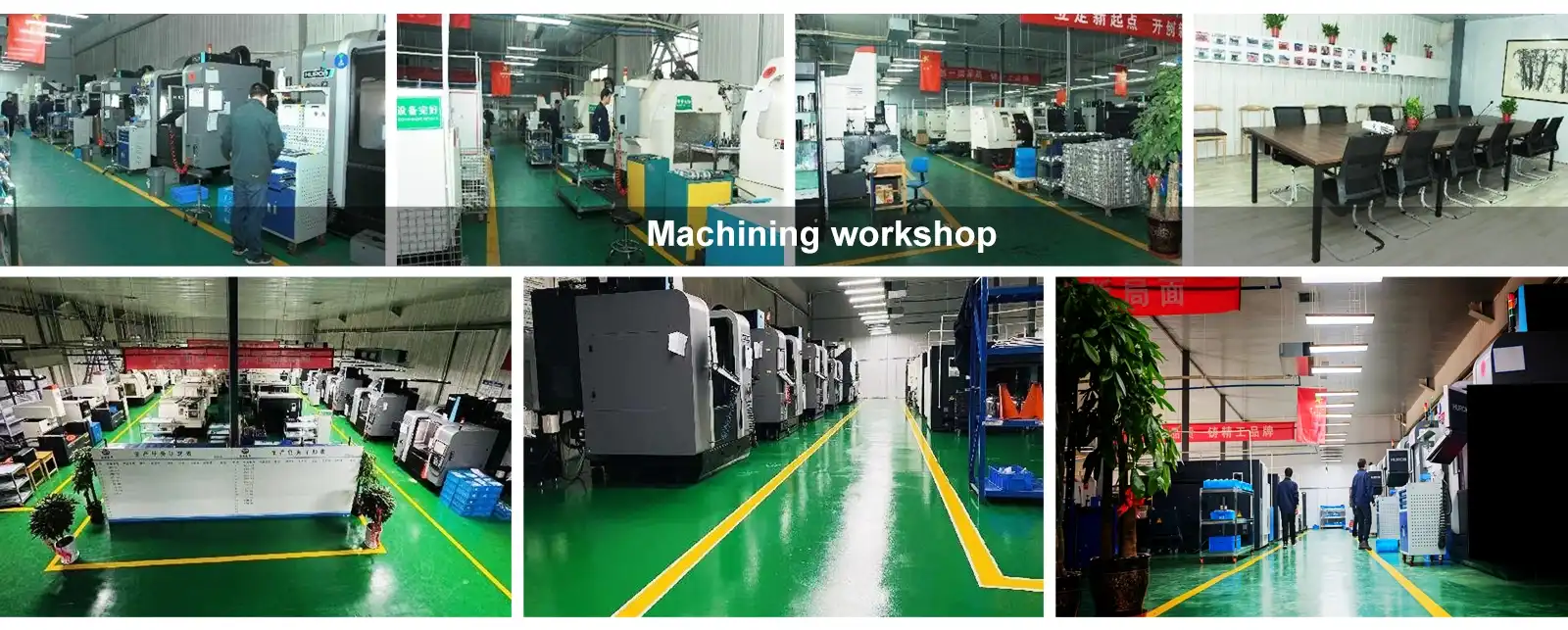
Working with makers that offer a wide range of services makes buying easier and makes sure that all the parts work together. Rongbao Enterprise offers a full range of services, including making molds, casting, CNC machining, and finishing the outside of things. This full-chain manufacturing method gets rid of the problems that come up when you have to coordinate with many providers. Quality control is also kept up throughout the production process. Our engineering team works with customers from the first idea to production, making sure that designs are the best they can be in terms of cost and ease of production.
OEM and ODM agreements let companies that make tools find parts that are exactly what they need. Made-to-order flanges that fit perfectly into assembly processes cut down on fit-up time and get rid of the need for field changes. For safe transport to project sites around the world, wooden box packaging keeps castings safe during foreign shipping. The shapes and numbers of the boxes can be changed to fit the components.
Conclusion
When choosing a material for cast coupling flange parts, you need to think carefully about its mechanical features, resistance to corrosion, heat performance, and cost. The aluminum alloy A356 works especially well in situations that need strong but light materials that are easy to make and last a long time. Combining sand casting for complicated shapes, CNC machining for accuracy, and surface treatments for better performance makes it possible to make parts that meet strict requirements in the industrial, power transmission, and telecommunications sectors. Procurement professionals can choose the best parts by balancing performance needs with budgetary limits and making sure that safety rules and industry standards are followed. This is possible if they know about material standards, application-specific needs, and suppliers' abilities.
FAQ
What Are the Most Durable Materials for High-Pressure Flange Applications?
For high-pressure uses, materials need to be able to handle both high tensile strength and high fatigue resistance. Alloy steels and grades of stainless steel like 316 can handle higher pressures and don't rust. However, A356 aluminum alloy is a good option when weight reduction is important. It has tensile strengths of about 280 MPa in T6 state and great fatigue qualities. The right material should be chosen based on the unique application pressure number.
How Does Aluminum Compare to Steel for Corrosion Resistance?
Aluminum forms an inactive oxide layer that heals itself, which protects it from corrosion in the air without the need for extra coats. Stainless steel's ability to resist rust depends on how much chromium it has. Grade 316 stainless steel works best in chloride settings. To keep carbon steel from rusting, it needs to be coated or galvanized with a protective material. Aluminum usually works better than coated carbon steel for outdoor installations and telecom applications, and it's also a lot lighter.
Can I Order Custom Cast Flanges with Specific Certifications?
Yes, reliable makers do make customized cast coupling flanges that meet certain standards and certifications. Custom specs can include things like different sizes, types of materials, or testing needs. ISO-certified companies make sure that the parts they make meet international quality standards and keep records to back up their quality assurance and regulatory compliance programs.
Partner with Rongbao Enterprise for Premium Cast Coupling Flange Solutions
With 20 years of experience in making specialized parts, Rongbao Enterprise offers world-class cast coupling flange components. Our Xi'an facility uses high-tech casting methods like sand casting, gravity casting, and low-pressure die casting, along with precise CNC machining and a wide range of surface treatments. We are experts at making A356 aluminum alloy parts that work best in telecommunications infrastructure, power transfer equipment, and industrial gear that needs to be strong, light, and resistant to corrosion.
We are a reliable cast coupling flange manufacturer, and we keep our ISO9001:2015, ISO14001, and ISO45001 certifications to make sure that every part meets strict quality and safety standards. With a production capacity of 5,000 pieces per run, we can make both prototypes and large quantities. We can also customize our products to meet specific needs and interface requirements. Customers in Japan, Europe, and the United States depend on our knowledge and dedication to meeting their deadlines for accurate parts. For personalized quotes and engineering help that fits the needs of your project, please email our technical team at steve.zhou@263.net or zhouyi@rongbaocasting.com. You can look through our full collection of parts at rongbaocasting.com.
References
Davis, J.R. (2001). Aluminum and Aluminum Alloys. ASM International Materials Park, OH.
Campbell, J. (2015). Complete Casting Handbook: Metal Casting Processes, Techniques and Design. Butterworth-Heinemann, Oxford.
American Society of Mechanical Engineers (2019). ASME B16.5: Pipe Flanges and Flanged Fittings. ASME Standards Committee.
Kaufman, J.G. and Rooy, E.L. (2004). Aluminum Alloy Castings: Properties, Processes, and Applications. ASM International.
European Committee for Standardization (2018). EN 1092-1: Flanges and Their Joints - Circular Flanges for Pipes. CEN Brussels.
Bray, J.W. (2018). Properties and Selection of Aluminum Alloys for Structural Applications. ASM Handbook Volume 2B, ASM International.
Learn about our latest products and discounts through SMS or email