When sourcing metal components for kitchenware manufacturing, copper sand casting stands out as a reliable method for producing durable, food-safe parts like hexagon nuts and connector elements. This foundry technique uses sand molds to shape molten copper alloys such as H60, delivering components with excellent mechanical properties and corrosion resistance. For procurement managers in the kitchenware sector, understanding copper casting characteristics helps ensure product quality while controlling costs. Our guide walks you through material properties, process comparisons, and practical sourcing strategies to make informed decisions for your supply chain.
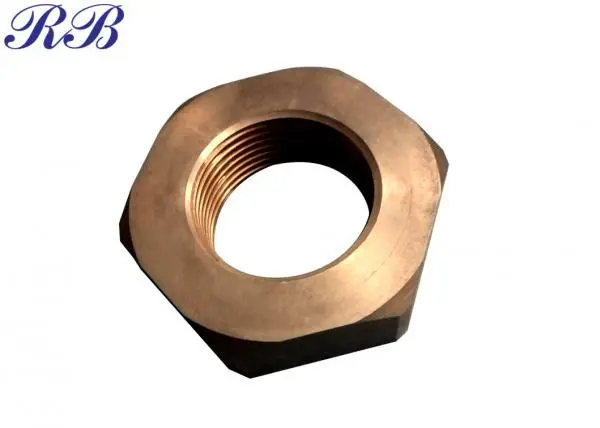
Copper Sand Casting: Material Characteristics and Process
For cooking parts that need to be able to conduct heat well and kill germs, copper sand casting is still the best way to make them. Making a hole in a sand mold for a pattern, pouring molten copper alloy into it, and then letting it cool. Once it's hard, removing the mold reveals the finished part.
Why Copper Alloys Matter for Kitchen Applications
H60 brass is a copper-zinc metal with about 60% copper. It is very easy to machine and has a reasonable level of strength, making it good for threaded parts like hexagon nuts used in kitchen appliances. This material doesn't dezincify as easily as alloys with less copper, so it keeps its shape even when it's exposed to the humidity and temperature changes that are common in commercial kitchens. The natural antimicrobial properties of the alloy make it even safer for use with food, but proper surface treatments are still needed.
The Gravity Casting Process Explained
In contrast to high-pressure methods, gravity casting uses the force of gravity to fill the mold. This method works best for parts that are between 0.3-5 kg in weight and where accurate measurements are important but not essential. The process starts with making a pattern, and then specially bonded sand mixtures are used to prepare a sand mold. For brass alloys, the liquid metal is poured at controlled temperatures around 950–1050°C. The casting then cools slowly to avoid thermal stress. Once the part is stable, it is ready for CNC cutting by being shot blasted to get rid of any flaws on the surface.
Common Defects and Prevention Strategies
The most common problems in copper sand casting are gas porosity, shrinking holes, and sand inclusions. Proper mold venting keeps gas from getting trapped, and controlled pouring speeds keep the turbulence that leads to oxidation to a minimum. If you use good sand with uniform grain size, there is less chance that sand bits will get stuck in the casting surface. Temperature monitoring during the melting and pouring stages makes sure that the alloy stays the way it's supposed to be, preventing weak spots that could make the finished product less useful in tough kitchens.
Procurement Tips: How to Source High-Quality Copper Sand Castings
To find a reliable copper sand casting partner, you need to look at their technical skills, quality systems, and ways of communicating to make sure they can consistently send you parts that meet your needs.
Essential Supplier Evaluation Criteria
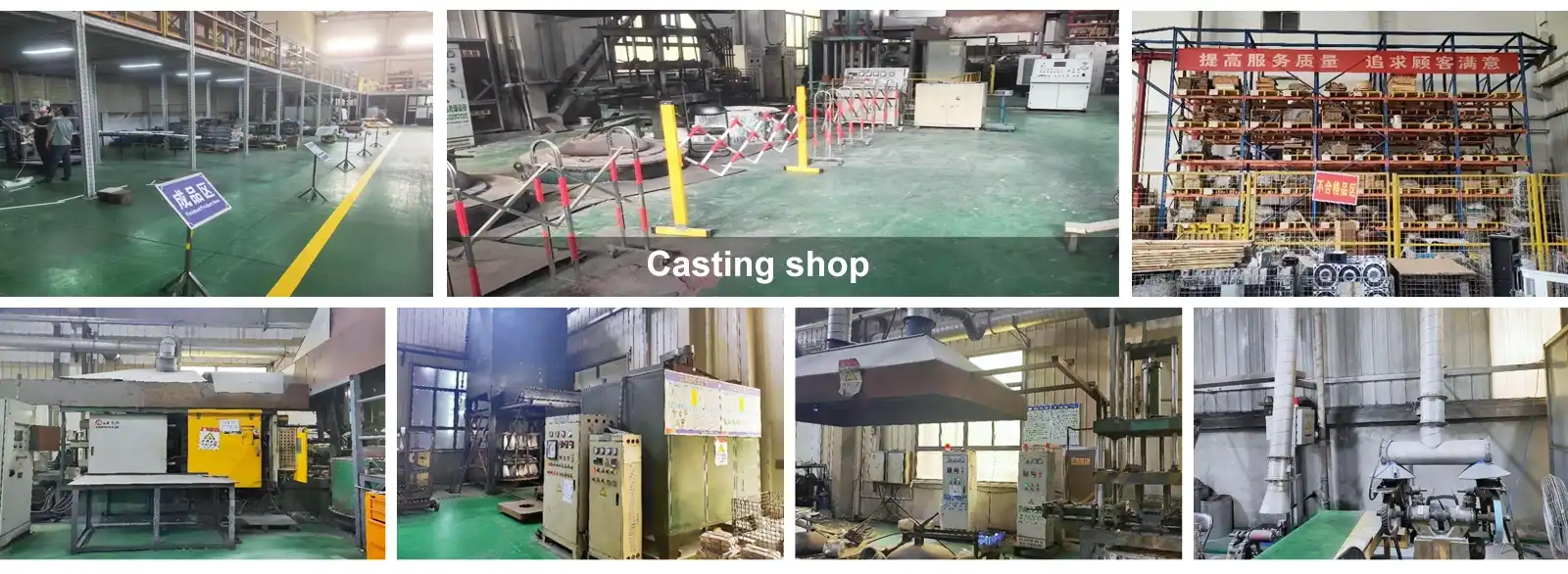
Certifications are the basis for evaluating suppliers. ISO14001 and ISO45001 show pledges to safety and the environment, which are becoming more and more important to global food brands. ISO9001:2015 confirms that the quality management system is mature. In addition to certificates, you should look at the foundry's equipment. Modern facilities should have automated pouring systems, spectrum analyzers for checking the alloy, and coordinate measuring machines for checking the sizes. Production capacity is also important. Suppliers who can easily handle 5,000-piece orders usually keep their 50–200-ton monthly output capacity across a number of metal types.
Defining Technical Specifications Clearly
For procurement to go well, you need detailed drawings and lists of materials. Tell them about any food-contact compliance needs, as well as the surface finish standards (Ra values) and accepted tolerance ranges. For kitchenware parts, say whether they need to be tested for FDA or LFGB certification. Give suppliers clear information about the desired mechanical qualities, like tensile strength, hardness ranges, and stretch percentages, so they can make the best process settings. Including details about the assembly needed later on helps foundries suggest design changes that make it easier to make without affecting the usefulness.
Balancing Cost and Quality Factors
The price of copper alloy changes with the price of metals around the world, so make sure that long-term deals have clear rules about how prices will be changed. Ask for detailed cost breakdowns that show how much the material, processing, surface treatment, and shipping cost. This openness shows places where improvements can be made. For example, combining packages or changing the rules for packing might lower the total landed cost. Rates of defects and rework plans should be taken into account when compared quotes. A seller with 10% lower prices but 5% rejection rates ends up costing more than a partner with slightly higher prices who gets 99% of the first passes.
Technical Insights and Best Practices for Optimizing Copper Sand Casting Quality
To get consistent quality in copper sand casting, you have to pay attention to a lot of different process variables, from getting the mold ready to the final inspection.
Mold Material Selection and Preparation
Green sand molds that use clay binders work well for basic shapes, but chemically bound sands give threaded features like hexagon nuts better detail and better physical stability. Resin-bonded sand systems make molds that are stronger and less likely to be worn down by molten metal flow. This lowers the number of surface defects. Making a mold requires the right striking density—too little or too much will cause the mold to break, and too much or too little will stop gas from escaping. Modern foundries use automated equipment to keep the density the same across production runs. This gets rid of the differences that come with molding by hand.
Melting Protocol and Alloy Control
Care must be taken when melting H60 brass so that too much zinc doesn't evaporate and change the composition of the alloy. During heating, rust and zinc loss are kept to a minimum in crucible furnaces with lid covers. By adding zinc as the last alloying element right before pouring, the goal makeup can be kept. Each batch of melt is checked for chemistry using a spectrometer before it is poured. This finds any differences that might affect the mechanical traits or resistance to rust. This level of analytical rigor sets professional foundries apart from low-cost businesses that skimp on quality control.
Post-Casting Finishing Standards
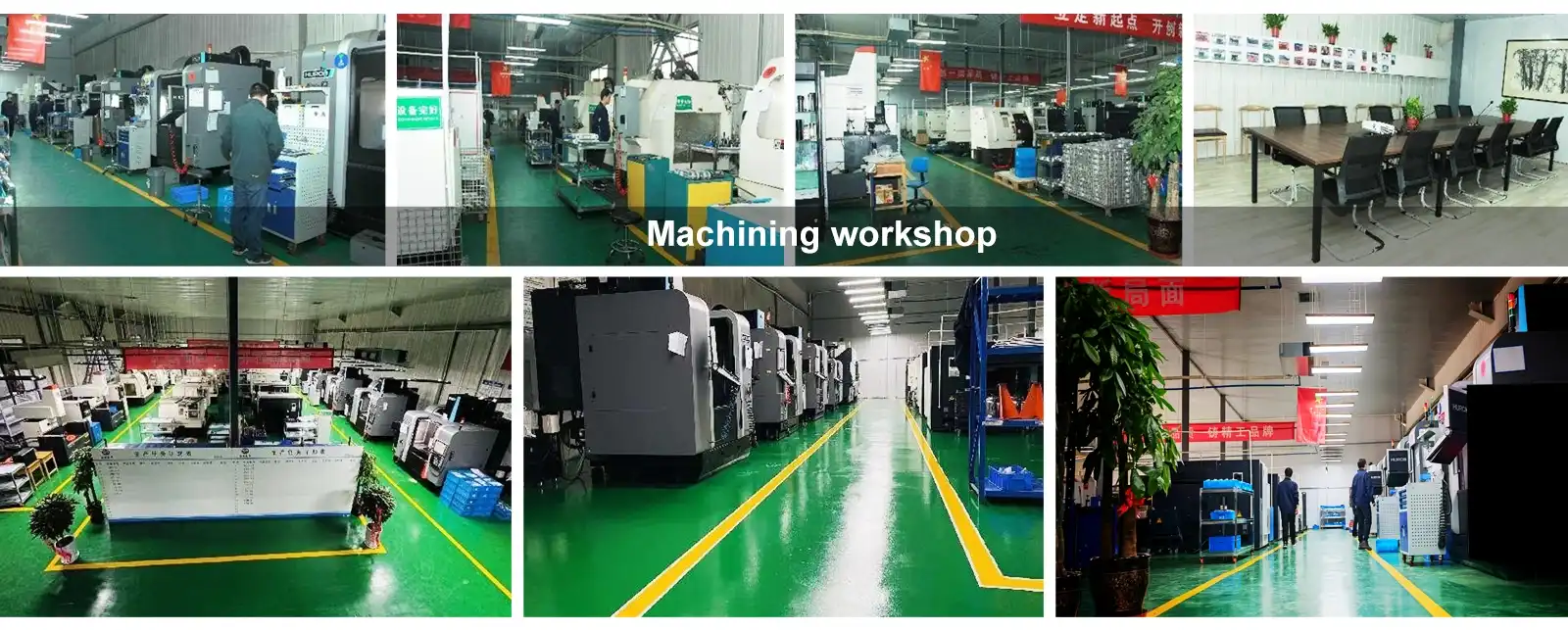
Shot blasting does two things: it gets rid of stuck-on sand bits and makes the surface smooth, which makes it easier for coatings to stick. Steel shot is thrown at controlled speeds during the process to avoid over-peening, which makes surfaces too hard. After shot blasting, key measurements are brought to final tolerances by CNC machining. Thread rolling after casting makes threaded parts stronger than cut threads by aligning the grain structure along the thread profile. These steps turn rough casts into precise parts that are ready to be put together to make high-quality kitchenware.
Applications and Design Tips for Copper Sand Castings in B2B Markets
Copper sand castings are used in many industrial settings where the qualities of the material match the performance needs. This is especially true in areas that value longevity and cleanliness.
Kitchenware Component Applications
Brass castings are used a lot in commercial cooking equipment for water control valves, tap bodies, and mounting tools. The material's resistance to dezincification means it will last a long time even if it is constantly wet and comes into touch with cleaning chemicals. Assembling equipment is safer with hexagon nuts made from H60 brass, which also resists rust better than regular steel bolts. Some manufacturers choose brass parts because they are naturally antimicrobial, which means they don't let bacteria grow on surfaces that are often touched. The material's good looks also go well with hardware that can be seen on high-end home cooking products, where brass accents show that the work is well-done.
Design Considerations for Manufacturability
Wall width has a big effect on the quality of the casting. Sections that are smaller than 3 mm may not be fully filled, and sections that are too thick can develop shrinking porosity. Internal flaws can be avoided by designing walls with the same thickness or transitions that are made gradually. Sharp internal corners collect stress and make it harder to remove the mold, so selecting large radii (at least 1.5mm) makes the casting go better and the part last longer. Draft angles between 1-3 degrees make it easier to take patterns out of sand molds without damaging them. Working together with casting engineers during design reviews helps find possible manufacturing issues before committing to making production tools.
Real-World Success Example
A European cooking company recently switched from buying hexagon nuts made of forged steel to buying them made of H60 brass. They did this to get better corrosion protection for outdoor kitchen uses. They worked with a qualified source to remake the part so that it had the right draft angles and the best thread engagement shape. When combined with CNC thread cutting, the gravity copper sand casting method produced parts that met DIN 934 standards at a reasonable cost. After six months of use in the field, customers confirmed that they had no complaints about corrosion. This is in contrast to the 3% failure rate that was common with steel fasteners. This case shows how choosing the right materials and improving the process can give real value to end users.
Conclusion
Making goods with copper sand casting is a cheap way for companies to make high-quality brass and bronze parts that are resistant to rust, kill germs, and look good. Procurement managers can make smart decisions about where to buy things when they know about things like the composition of H60 brass, the different variables that can affect the casting process, and how to improve quality. This method works well for medium-sized production runs where the original cost of the tools needs to be kept low while still producing functional parts that meet foreign standards. Working with certified suppliers that can do everything from mold development to CNC finishing will help you keep the quality of your products high, which is good for your brand's reputation. Long-term success in the competitive cooking market depends on having strategic relationships with suppliers that are based on open communication and a shared knowledge of technical needs.
FAQ
What advantages does copper sand casting offer for kitchenware components?
Copper alloy castings naturally kill microbes, which is good for places where food is handled. They also fight rusting well against water and cleaning chemicals and have enough mechanical strength for fastening tasks. Custom shapes can be made with copper sand casting at a fair cost for production numbers of 500 to 5000 pieces. This makes it perfect for niche kitchenware brands.
How can buyers assess copper casting supplier quality?
As a starting point for quality, check for ISO9001, ISO14001, and ISO45001 certifications. Ask for sample castings that come with reports on their dimensions and material certificates that prove what kind of alloy they are made of. Check out the testing tools that the provider has, such as spectrometers and CMM machines. Check to see if their production capacity matches your number needs, and ask about their experience with food-grade uses that need specific compliance paperwork.
What causes common defects in copper castings?
Gas porosity happens when mold doesn't have enough air flow or when sand has too much water in it. When thick parts cool unevenly without being fed properly, shrinkage cavities form. Mold erosion lets small pieces fall into liquid metal, which creates sand flecks. To avoid these problems, you need to use the right mold design, pouring techniques, and alloy temperature control during the casting process.
Partner with Rongbao Enterprise for Reliable Copper Casting Solutions
Rongbao Enterprise has been a foundry for 20 years and can help food companies that are looking for reliable copper sand casting sources. Our Xi'an facility has CNC cutting and shot blasting facilities as well as gravity casting lines that make H60 brass parts weighing from 0.3 kg to 50 kg. We have strict quality control from inspecting the raw materials to making sure the final measurements are correct. We are certified in ISO9001:2015, ISO14001, and ISO45001, among others. Our production capacity can handle orders of 500 to 50,000 pieces, and we can be flexible with our schedules to fit your product launch dates.
We are experts at making unique solutions for food uses. Brands in Europe, North America, and Japan have bought hexagon nuts, valve bodies, and mounting hardware from us. Our engineering team works together to optimize designs, which lowers the cost of production while raising the performance of parts. Safe wooden box packing keeps castings safe while they're being shipped internationally, and our knowledge with export paperwork makes it easier to get thru customs.
Contact steve.zhou@263.net or zhouyi@rongbaocasting.com to discuss your copper casting requirements. We provide detailed quotations within 48 hours and can produce sample castings in two weeks for evaluation. Experience the quality and service that have made us a trusted copper sand casting manufacturer for discerning kitchenware brands worldwide.
References
- Campbell, J. (2015). Complete Casting Handbook: Metal Casting Processes, Metallurgy, Techniques and Design. Butterworth-Heinemann.
- Brown, J.R. (2014). Foseco Ferrous Foundryman's Handbook. Elsevier Science & Technology.
- Beeley, P.R. (2001). Foundry Technology. Butterworth-Heinemann.
- American Foundry Society (2018). Copper and Copper Alloy Castings: Properties and Applications. AFS Technical Publications.
- Stefanescu, D.M. (2019). Science and Engineering of Casting Solidification. Springer International Publishing.
- European Copper Institute (2020). Copper Alloys for Food Contact Applications: Technical Guidelines and Compliance Standards. Brussels, Belgium.