- English
- French
- German
- Portuguese
- Spanish
- Russian
- Japanese
- Korean
- Arabic
- Greek
- German
- Turkish
- Italian
- Danish
- Romanian
- Indonesian
- Czech
- Afrikaans
- Swedish
- Polish
- Basque
- Catalan
- Esperanto
- Hindi
- Lao
- Albanian
- Amharic
- Armenian
- Azerbaijani
- Belarusian
- Bengali
- Bosnian
- Bulgarian
- Cebuano
- Chichewa
- Corsican
- Croatian
- Dutch
- Estonian
- Filipino
- Finnish
- Frisian
- Galician
- Georgian
- Gujarati
- Haitian
- Hausa
- Hawaiian
- Hebrew
- Hmong
- Hungarian
- Icelandic
- Igbo
- Javanese
- Kannada
- Kazakh
- Khmer
- Kurdish
- Kyrgyz
- Latin
- Latvian
- Lithuanian
- Luxembou..
- Macedonian
- Malagasy
- Malay
- Malayalam
- Maltese
- Maori
- Marathi
- Mongolian
- Burmese
- Nepali
- Norwegian
- Pashto
- Persian
- Punjabi
- Serbian
- Sesotho
- Sinhala
- Slovak
- Slovenian
- Somali
- Samoan
- Scots Gaelic
- Shona
- Sindhi
- Sundanese
- Swahili
- Tajik
- Tamil
- Telugu
- Thai
- Ukrainian
- Urdu
- Uzbek
- Vietnamese
- Welsh
- Xhosa
- Yiddish
- Yoruba
- Zulu
Custom Sand Casting for Prototype Development
Custom sand casting represents a fundamental manufacturing approach. It transforms prototype concepts into tangible metal components through a versatile molding process. Furthermore, this established technique enables engineers to validate their concepts. They can use actual production materials for this purpose. Consequently, they maintain cost-effectiveness during the development phase. Mass production methods often have rigid limitations. In contrast, custom sand casting accommodates unique specifications easily. Additionally, it handles complex geometries effectively. Moreover, it meets varied material requirements essential for prototype validation.
The process proves particularly valuable in specific sectors. For instance, it is vital when developing fire pump accessories. Similarly, it aids in creating critical safety equipment. In these cases, functional testing demands authentic material properties. Simultaneously, it requires structural integrity. Therefore, engineers rely heavily on this method for reliable results.
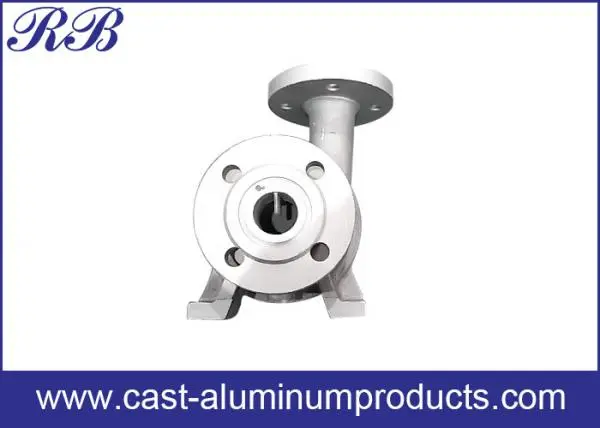
Understanding Custom Sand Casting in Prototype Development
Specialized Process Characteristics
Custom sand casting distinguishes itself from conventional sand casting. Specifically, it uses an enhanced flexibility and precision-focused approach. The process begins with detailed pattern creation. Here, prototype specifications translate into precise tooling. As a result, the tooling captures every design nuance. Next, sand mold preparation takes place. This step involves careful mixture formulation. Ultimately, this achieves the optimal surface finish required for evaluation. Also, it ensures the dimensional accuracy necessary for the prototype.
Metal pouring represents a critical stage. During this phase, temperature control directly impacts prototype performance. Likewise, alloy composition plays a significant role. For example, manufacturers often utilize ZL101A aluminum alloy. This material is common for fire pump accessories. However, it requires specific pouring temperatures. In addition, it demands precise cooling rates. Consequently, the metal achieves the desired mechanical properties.
The finishing stages encompass comprehensive machining operations. Typically, these include CNC processing. Thus, the manufacturer ensures tight tolerances. Furthermore, surface treatments play a key role. For instance, shot blasting significantly enhances component durability. Overall, each step contributes to a superior final product.
Material Selection and Performance Benefits
Prototype development demands specific materials. Ideally, these materials accurately represent production characteristics. At the same time, they must offer cost-effective processing. Aluminum alloys, such asZL101A, provide excellent castability. In addition, they offer corrosion resistance. Moreover, they possess strength-to-weight ratios ideal for fire safety applications. On the other hand, cast iron delivers superior wear resistance. Also, it provides thermal stability for heavy-duty prototype testing. Meanwhile, steel variants offer maximum strength for structural validation.
The benefits of choosing custom sand casting for prototypes extend further. Beyond material versatility, cost-efficiency becomes apparent. Especially, this applies when producing small batches. These batches may range from single units to several thousand pieces. Therefore, companies avoid expensive tooling investments associated with die casting.
Design adaptability offers another major advantage. Specifically, it allows engineers to modify specifications during development. Importantly, they can do this without significant cost penalties. Additionally, faster turnaround times accelerate project timelines. In comparison, alternative manufacturing methods often require longer lead times.
Comparing Custom Sand Casting with Other Casting Methods
Investment Casting versus Sand Casting Applications
B2B procurement professionals must evaluate casting methods carefully. First, they look at prototype requirements. Then, they consider budget constraints. Finally, timeline considerations come into play. Investment casting delivers an exceptional surface finish. Additionally, it offers intricate detail capabilities. Thus, it is suitable for aerospace prototypes requiring precise tolerances. However, it has drawbacks. Notably, higher tooling costs can impact project budgets. Furthermore, extended lead times may delay schedules significantly.
Custom sand casting offers balanced performance characteristics. In fact, it meets most prototype requirements effectively. Simultaneously, it maintains cost competitiveness. Surface finishes achieve acceptable standards for functional testing. Moreover, dimensional accuracy supports engineering validation without premium pricing. Regarding schedules, lead times typically range from two to four weeks. Of course, this depends on complexity. Nevertheless, this provides reasonable development schedules for most applications.
Die Casting and Permanent Mold Considerations
Die casting excels in high-volume production scenarios. However, it requires substantial initial investment for tooling. Unfortunately, this cost may not justify prototype quantities. In contrast, permanent mold casting delivers an improved surface finish compared to sand casting. Yet, it limits design flexibility during prototype iterations.
Lost foam casting offers another alternative. Iteliminates draft requirements effectively. Also, it enables complex internal geometries. However, the process control demands specialized expertise. Therefore, it might not fit every project.
Understanding these trade-offs helps procurement teams. Consequently, they select optimal manufacturing approaches. These approachesalign with prototype objectives. Additionally, they fit budget parameters and quality requirements. Geographic considerations also influence method selection. For example, local supplier capabilities impact project feasibility. Similarly, lead times affect the overall supply chain.

Common Design Tips and Defects to Avoid in Custom Sand Casting
Design Optimization Strategies
Optimizing prototype designs for sand casting success requires attention. Specifically, designers must focus on fundamental casting principles. This practiceprevents common defects. Simultaneously, it ensures dimensional accuracy. For instance, draft angles between one and three degrees facilitate pattern removal. As a result, this prevents damage to sand mold surfaces.
Wall thickness uniformity is equally important. By maintaining uniformity, engineers minimize differential cooling rates. Otherwise, these rates can cause warping. Additionally, they might lead to internal stress concentration.
Gating system design plays a crucial role. Essentially, it controls metal flow velocity and direction. Therefore, it is vital for achieving sound castings. Properly sized runners and risers ensure adequate feeding. This occursduring solidification. At the same time, they prevent turbulence. Turbulence often introduces gas porosity. Furthermore, shrinkage allowances must account for contraction rates. For example, ZL101A aluminum requires approximately 1.5% linear shrinkage compensation.
Defect Prevention and Quality Control
Understanding common casting defects enables proactive design modifications. Consequently, this improves prototype success rates significantly. Here are the primary defect categories and prevention strategies:
- Porosity: This results from gas entrapment during pouring. However, manufacturers can minimize it through proper gating design. Additionally, effective degassing procedures help.
- Sand inclusions: These occur when mold material contaminates the casting. To prevent this, technicians require careful mold preparation. Also, they must follow strict handling protocols.
- Misruns: These happen when metal fails to completely fill the mold cavity. Typically, engineers address this through optimized pouring temperature. Adjusting systems also solves the issue.
- Cracking: This develops from thermal stress or design constraints. Therefore, it requires attention to section transitions. Also, controlling cooling rates is essential.
These defect prevention measures significantly improve casting quality. Furthermore, they reduce rework requirements. Ultimately, this ensures prototypes meet functional specifications. It alsoguarantees dimensional tolerances critical for engineering validation.
Procurement Considerations for Custom Sand Casting Services
Supplier Evaluation and Certification Requirements
Successful procurement strategies begin with research. First, identify manufacturers possessing relevant certifications. Also, look for demonstrated capabilities in prototype casting. ISO9001:2015 certification ensures quality management systems meet international standards. Meanwhile, ISO14001 and ISO45001 certifications confirm environmental and safety compliance. Specifically, these certifications become important when developing fire safety equipment. In this sector, component reliability directly impacts user safety.
Vendor evaluation should include facility assessments. Additionally, check equipment capabilities and production capacity. Modern casting facilities often use automated molding lines. They alsoutilize controlled atmosphere melting. Furthermore, comprehensive testing equipment demonstrates technical competence. This competenceis necessary for consistent prototype quality. Production volumes vary widely. They range from single prototypes to 5,000-piece pilot runs . Therefore, suppliers require scalable manufacturing capabilities.
Cost Factors and Lead Time Management
Pricing models for prototype casting vary. Typically, they incorporate material costs. Additionally, they include pattern development expenses. Finally, processing charges are calculated on a per-piece or project basis. Understanding minimum order quantities helps optimize cost per unit. Simultaneously, it balances inventory requirements.
Lead times vary based on several factors. Primary factors includepattern complexity and material availability. Facility schedulingalso plays a role . Generally, typical ranges span two to six weeks for standard prototypes.
Transportation considerations include packaging requirements. Proper packagingprotects cast components during shipment. For instance, wooden box packaging provides adequate protection for heavy castings. Also, it meets international shipping regulations. Geographic proximity to casting suppliers enhances supply chain responsiveness. Moreover, it reduces transportation costs. This is particularly importantfor iterative prototype development. Often, such development requires frequent design modifications.
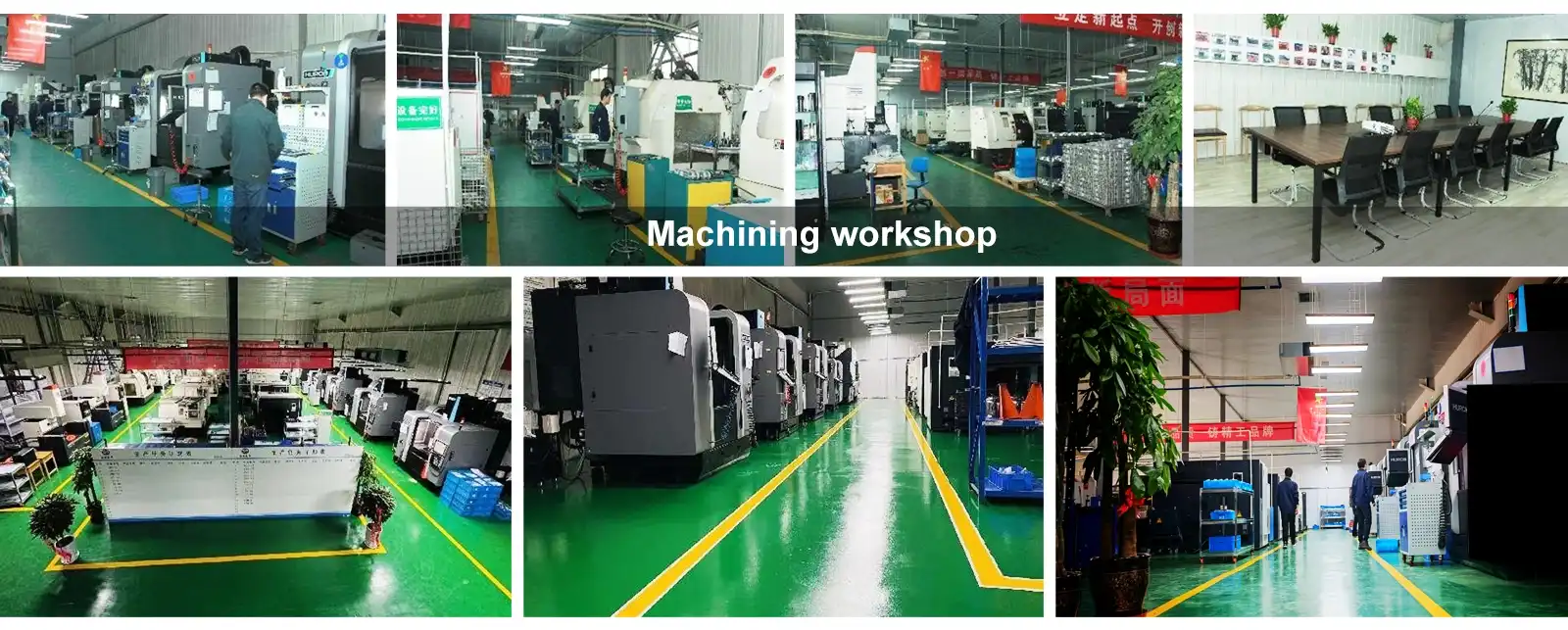
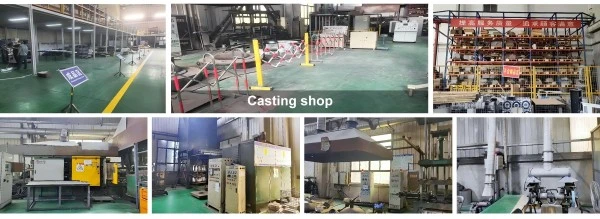
Rongbao Enterprise: Advanced Custom Sand Casting Solutions
Comprehensive Manufacturing Capabilities
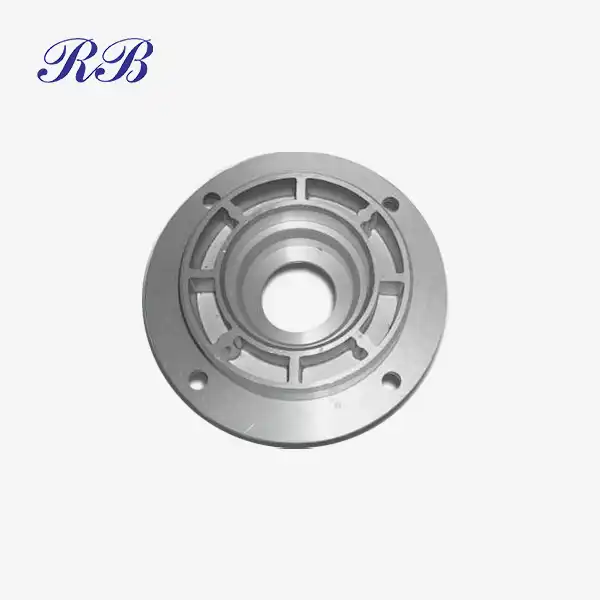
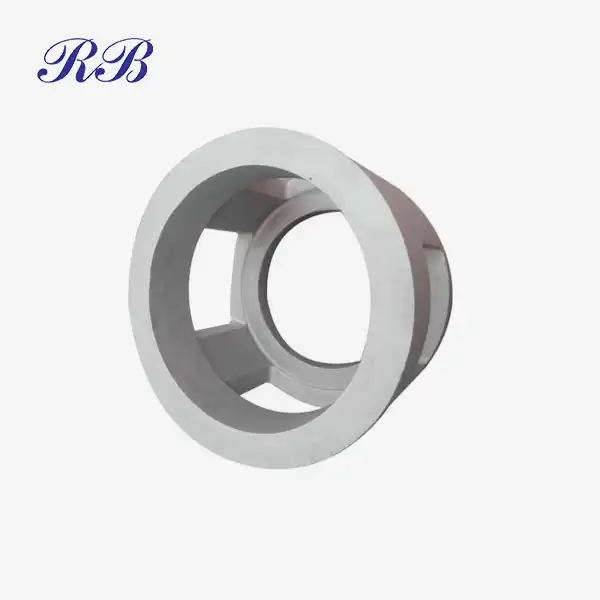
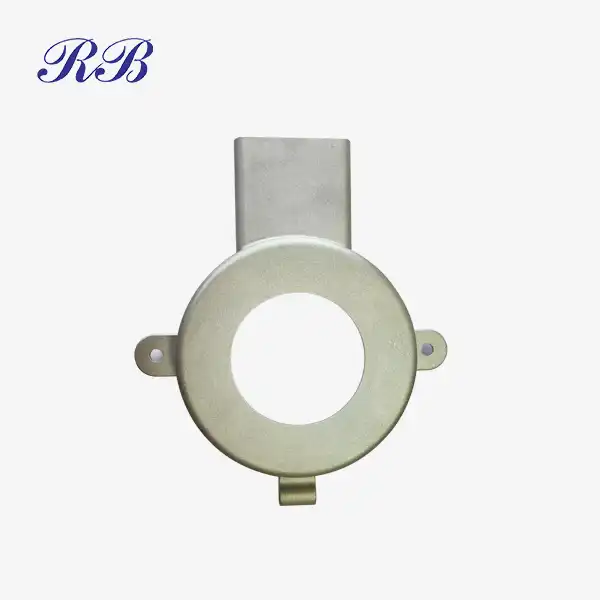
Rongbao Enterprise delivers integrated casting solutions. In fact, these encompass the complete prototype development cycle. Services rangefrom initial design consultation through finished component delivery. Our Xi'an facility combines traditional custom sand casting expertise with modern automation. Consequently, this enables consistent quality production. We specialize infire pump accessories and industrial components. Currently, we handle parts weighing up to 5kg per piece.
Our technical capabilities extend beyond basic casting operations. Notably, we include comprehensive value-added services. CNC machining capabilities ensure precise dimensional control. They alsomeet surface finish requirements. Additionally, shot blasting treatments provide optimal surface preparation. This is crucialfor subsequent operations. Furthermore, pattern development services support rapid prototype iteration. Thus, we aidin design optimization throughout the development process.
Quality Assurance and Compliance Standards
Quality control systems at Rongbao Enterprise maintain rigorous standards. Remarkably, this happens throughout the manufacturing process. It startsfrom incoming material inspection. It continuesthrough final component verification. Raw material certification ensures ZL101A aluminum alloy quality. Specifically, it verifies the alloy meets specified chemical composition requirements. It alsoconfirms mechanical property requirements.
In-process monitoring includes dimensional verification. Additionally, we perform surface quality assessment. When required, we conduct non-destructive testing. Our comprehensive certification portfolio demonstrates our commitment.This includesISO9001:2015, ISO14001, and ISO45001 standards.Collectively, these show our dedication to quality excellence. They also highlightour environmental responsibility and workplace safety. Consequently, these certifications provide procurement teamswith confidence. They ensure supplier reliability. Moreover, they ensure compliance with international manufacturing standards. This complianceis essential for fire safety applications.
Conclusion
Custom sand casting continues to serve as an essential manufacturing process. Primarily, it is vital for prototype development. It offersunique advantages in flexibility. Additionally, it provides cost-effectiveness and material versatility. The process enables engineers to validate designs. Importantly, they use production-representative materials. At the same time, they maintain reasonable development budgets and timelines.
Understanding process capabilities empowers procurement professionals. Likewise, knowing design optimization principles helps significantly. Furthermore, applying supplier selection criteria is key. By doing so, professionals make informed decisions. Ultimately, these decisions accelerate product development cycles . Finally, they ensure prototype success.
Partner with Rongbao Enterprise for Superior Custom Sand Casting Solutions
Rongbao Enterprise stands ready to support your prototype development initiatives. We offer comprehensive custom sand casting capabilities. These deliver exceptional quality and reliability. Our experienced engineering team collaborates closely with clients. Together, we optimize designs for casting success. Simultaneously, we maintain cost-effectiveness throughout the development process.
As a trusted custom sand casting manufacturer, we bring value. Specifically, we combine 20 years of industry expertise with modern manufacturing technologies. This ensuresyour prototypes meet exact specifications. It alsoguarantees they meet performance requirements. Contact steve.zhou@263.net and zhouyi@rongbaocasting.com today. We candiscuss your specific project requirements. Then, we will provide detailed quotations. These willdemonstrate our commitment to partnership success.
FAQs
What materials work best for sand casting prototypes?
Aluminum alloys like ZL101A offer excellent castability. Additionally, they provide corrosion resistance for fire safety applications. Cast iron provides superior wear resistance. This is idealfor heavy-duty prototypes. Meanwhile, steel variants deliver maximum strength for structural validation. Ultimately, material selection depends on specific prototype requirements. Also, consider operating conditions and testing objectives.
How long does the custom sand casting process take?
Timeline varies based on pattern complexity. Also, material requirements and quantity specifications affect the schedule. Simple prototypes typically require two to four weeks. This countsfrom order placement to delivery. However, complex geometries may extend timelines to six weeks. Similarly, special material requirements add time. Usually, pattern development represents the longest single process element.
Can designs be modified during prototype development?
Yes, custom sand casting offers excellent design flexibility. This is especially truecompared to permanent tooling methods. Pattern modifications accommodate design changes. Fortunately, this comes with minimal cost impact. Therefore, it enables iterative development approaches. However, significant geometry changes may require new pattern development. In that case, it impacts both cost and timeline considerations.
What quality standards apply to cast prototypes?
Quality requirements depend on application specifications. Additionally, they rely on industry standards. Fire safety components require dimensional accuracy. They alsoneed material certification and performance validation. Standard inspection includes dimensional verification. Furthermore, it involves surface quality assessment. Finally, we perform material property confirmation through established testing protocols.
References
- Campbell, John. "Complete Casting Handbook: Metal Casting Processes, Metallurgy, Techniques and Design." Butterworth-Heinemann, 2015.
- American Foundry Society. "Sand Casting Manual: Guidelines for Metal Casting Prototype Development." AFS Technical Publication, 2018.
- Brown, J.R. "Foseco Non-Ferrous Foundryman's Handbook: Custom Casting Applications in Modern Manufacturing." Elsevier Science, 2017.
- International Organization for Standardization. "Quality Management Systems for Metal Casting Operations: ISO 9001 Implementation Guide." ISO Publications, 2019.
- Davis, Joseph R. "ASM Specialty Handbook: Aluminum and Aluminum Alloys in Sand Casting Applications." ASM International, 2016.
- Society of Manufacturing Engineers. "Manufacturing Engineering Handbook: Prototype Development Through
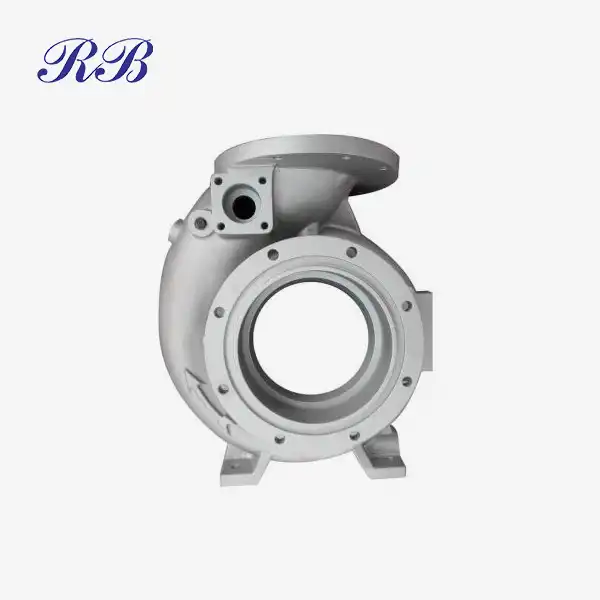
Learn about our latest products and discounts through SMS or email