- English
- French
- German
- Portuguese
- Spanish
- Russian
- Japanese
- Korean
- Arabic
- Greek
- German
- Turkish
- Italian
- Danish
- Romanian
- Indonesian
- Czech
- Afrikaans
- Swedish
- Polish
- Basque
- Catalan
- Esperanto
- Hindi
- Lao
- Albanian
- Amharic
- Armenian
- Azerbaijani
- Belarusian
- Bengali
- Bosnian
- Bulgarian
- Cebuano
- Chichewa
- Corsican
- Croatian
- Dutch
- Estonian
- Filipino
- Finnish
- Frisian
- Galician
- Georgian
- Gujarati
- Haitian
- Hausa
- Hawaiian
- Hebrew
- Hmong
- Hungarian
- Icelandic
- Igbo
- Javanese
- Kannada
- Kazakh
- Khmer
- Kurdish
- Kyrgyz
- Latin
- Latvian
- Lithuanian
- Luxembou..
- Macedonian
- Malagasy
- Malay
- Malayalam
- Maltese
- Maori
- Marathi
- Mongolian
- Burmese
- Nepali
- Norwegian
- Pashto
- Persian
- Punjabi
- Serbian
- Sesotho
- Sinhala
- Slovak
- Slovenian
- Somali
- Samoan
- Scots Gaelic
- Shona
- Sindhi
- Sundanese
- Swahili
- Tajik
- Tamil
- Telugu
- Thai
- Ukrainian
- Urdu
- Uzbek
- Vietnamese
- Welsh
- Xhosa
- Yiddish
- Yoruba
- Zulu
Manufacturing methods for stator housings and pros/cons
The production of stator housing components demands careful consideration of manufacturing methodologies that balance cost efficiency with dimensional precision and material properties. The way things are made has changed a lot because of how electric motors are used today in the car, aerospace, and medical equipment businesses. There are pros and cons to each way that affect what people buy and how well the business runs.
Manufacturing engineers and purchasing decision-makers increasingly recognize that production method selection influences not only initial component costs but also downstream assembly requirements, quality consistency, and long-term reliability characteristics. The complexity of contemporary stator housing designs—featuring intricate cooling passages, precision bearing seats, and integrated mounting features—requires manufacturing processes capable of achieving tight tolerances while maintaining economic viability for both prototype and volume production scenarios.
Three primary manufacturing approaches dominate current stator housing production: low-pressure casting for complex geometries, forging for high-strength applications, and CNC machining for precision requirements. There are smart ways to buy things that fit your budget and your needs if you know how each method works, how it impacts the economy, and how well it gets results.
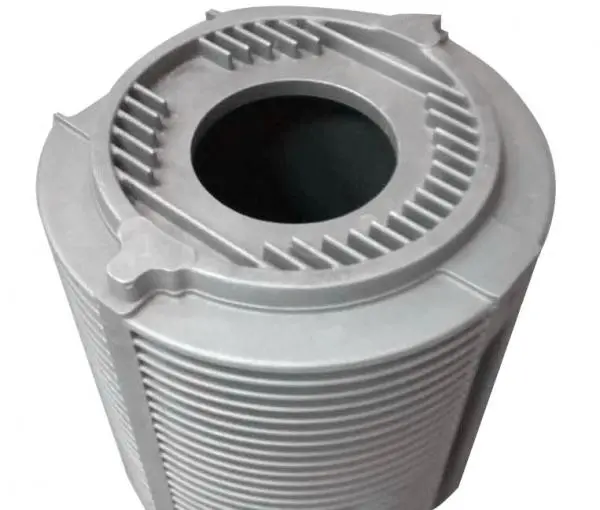
Low-Pressure Casting (LPC)
Low-pressure casting has emerged as the predominant manufacturing method for aluminum stator housing production, particularly in applications requiring complex internal geometries and optimized material distribution. Using controlled pressure differences, this method presses molten aluminum into precise molds. This makes the parts more accurate in size than with traditional gravity casting methods and cheaper than machined options.
The fundamental advantage of low-pressure casting lies in its ability to produce near-net-shape components with intricate internal features that would be impossible or prohibitively expensive to achieve through machining operations. Because the controlled filling process cuts down on turbulence and trapped air, the material is stronger and has fewer holes in it. This makes the building stronger and better at moving heat, which are both important for motor homes.
Because it flows easily and solidifies well, A356 aluminum alloy is the best material for low-pressure casting. It's great for filling molds because it has silicon in it, and the magnesium helps it get harder over time, which makes it better for mechanical use after being heated. Getting rid of weight and controlling temperature at the same time is especially helpful for rotor housings, as these two things directly impact how well the whole system works.
However, low-pressure casting presents certain limitations that must be considered during procurement planning. Tooling costs for complex molds can be substantial, making this method economically viable primarily for medium to high volume production runs. Lead times for initial tooling development typically extend 8-12 weeks, requiring careful coordination with project schedules. Also, if you change the plan, you have to change the tools that are used, which can change both the cost and the time it takes to deliver. This is proof of how important it is to have complete specs before trying to make something.
Quality control challenges in low-pressure casting center on achieving consistent wall thickness distribution and minimizing casting defects such as cold shuts or incomplete fills. Modern casting facilities employ real-time process monitoring and statistical process control methods to maintain dimensional consistency, though inherent process variations require careful tolerance analysis during design phases.
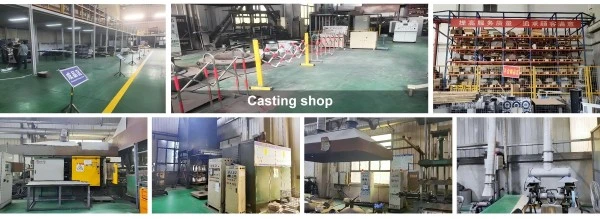
Forging
Forging has clear benefits for stator housing uses that need the highest levels of mechanical strength and fatigue resistance. This is especially true in aerospace and high-performance car settings where operational stresses are higher than what cast materials can handle. Forging involves plastic deformation that smooths out the grain structure and gets rid of casting porosity. This gives the metal better mechanical qualities that make the higher production costs worth it in critical situations.
Closed-die forging techniques enable the production of stator housing geometries with optimized material flow patterns that align grain structure with anticipated stress distributions. This microstructural control makes the material stronger against wear and impacts. This is very important for applications that are likely to be affected by vibrations, shock loads, or big changes in temperature, like those found in aerospace and defense systems.
The forging process typically begins with precision-cut aluminum billets that undergo controlled heating cycles to achieve optimal plastic deformation characteristics. Progressive forming operations gradually shape the material into final geometry while maintaining grain flow continuity that enhances mechanical properties. Subsequent heat treatment processes optimize strength and hardness characteristics to meet specific application requirements.
Economic considerations for forged stator housings center on tooling complexity and material utilization efficiency. Forging dies require substantial initial investment and regular maintenance to maintain dimensional accuracy, making this approach economically viable primarily for high-volume applications or specialized requirements where material properties justify premium costs. Material waste rates in forging operations typically exceed those of casting processes due to flash removal and machining allowances required for final dimensional control.
Design constraints in forging operations include limitations on geometric complexity and wall thickness variations that may necessitate subsequent machining operations to achieve final specifications. Draft angles and fillet radii requirements influence both tooling costs and final component geometry, requiring early collaboration between design and manufacturing teams to optimize both functionality and producibility.
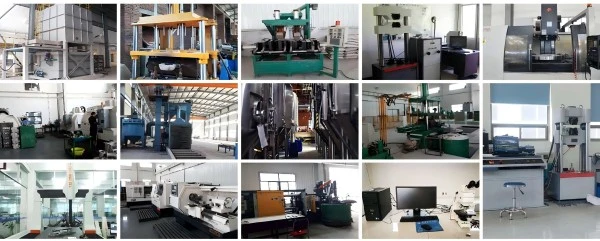
CNC Machining (Subtractive Manufacturing)
CNC machining represents the most precise manufacturing approach for stator housing production, offering unparalleled dimensional accuracy and surface finish quality that proves essential for applications requiring tight bearing fits, precision mounting interfaces, or complex cooling passages. This subtractive manufacturing process removes material from solid billets or rough castings to achieve final specifications, providing ultimate flexibility in geometric complexity and dimensional control.
The precision capabilities of modern CNC machining centers enable the production of stator housing components with dimensional tolerances measured in micrometers rather than the millimeter-range variations typical of casting or forging processes. This precision proves particularly valuable for bearing seat applications where proper interference fits require dimensional control that exceeds the capabilities of primary forming processes. Multi-axis machining capabilities allow the creation of complex internal geometries, angled mounting features, and precision threaded connections in single setup operations that minimize dimensional stack-up variations.
When CNC machines are used to make things, material usage is a big deal. This is especially true for bigger stator housing parts, where material removal rates can go over 70% of the original billet volume. This waste of material has a direct effect on the prices of the parts and shows how important it is to optimize the design so that as little material as possible is removed while still meeting the structural and functional requirements.
Programming complexity and setup time requirements for CNC machining operations vary significantly with component geometry and tolerance requirements. Simple cylindrical housings may require minimal programming effort, while complex multi-axis geometries demand extensive programming time and fixture design that can impact both cost and delivery schedules. However, once established, CNC programs enable consistent reproduction of identical components with minimal variation between production runs.
The flexibility inherent in CNC machining provides significant advantages for prototype development and low-volume production scenarios where tooling costs for casting or forging would be prohibitive. Design modifications can be implemented through programming changes rather than physical tooling modifications, enabling rapid iteration during development phases and accommodation of customer-specific requirements without substantial lead time penalties.
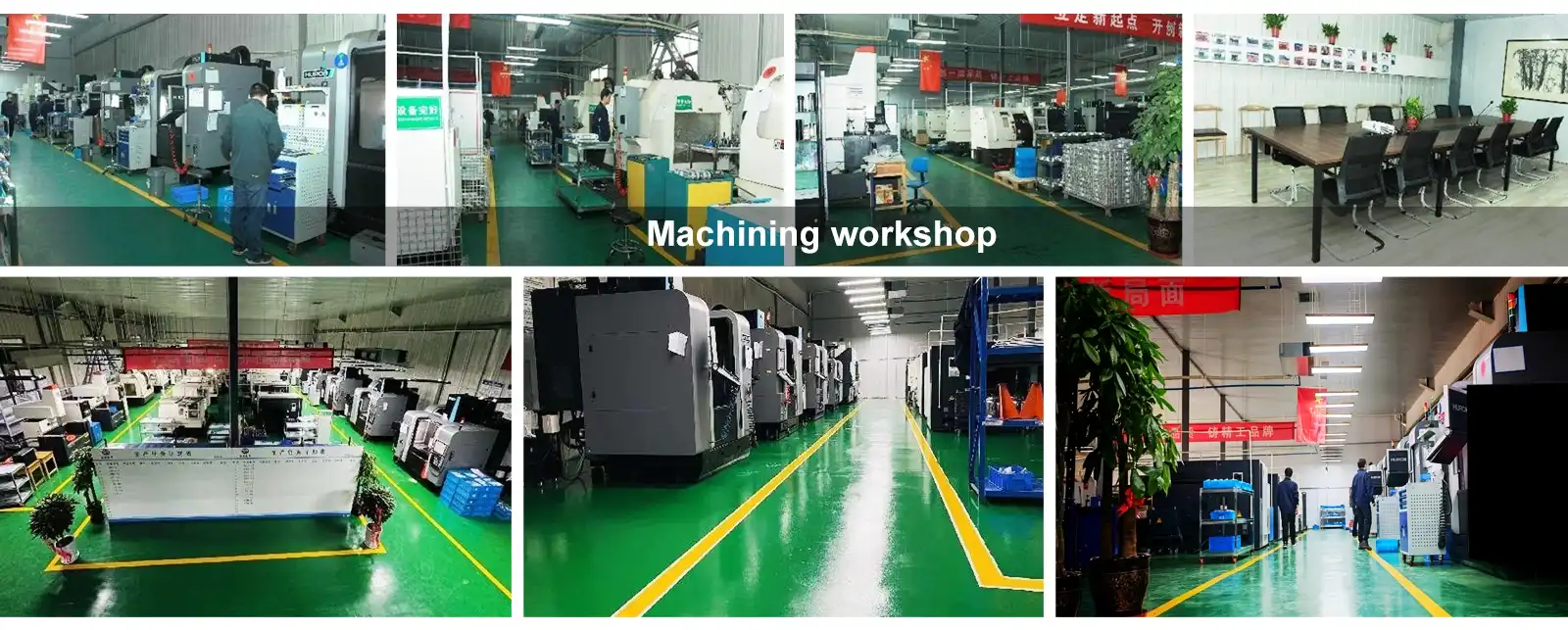
Rongbao's Manufacturing Excellence
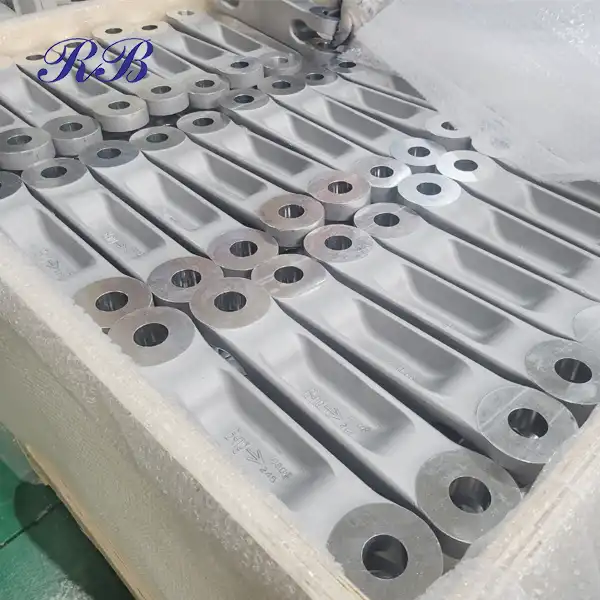
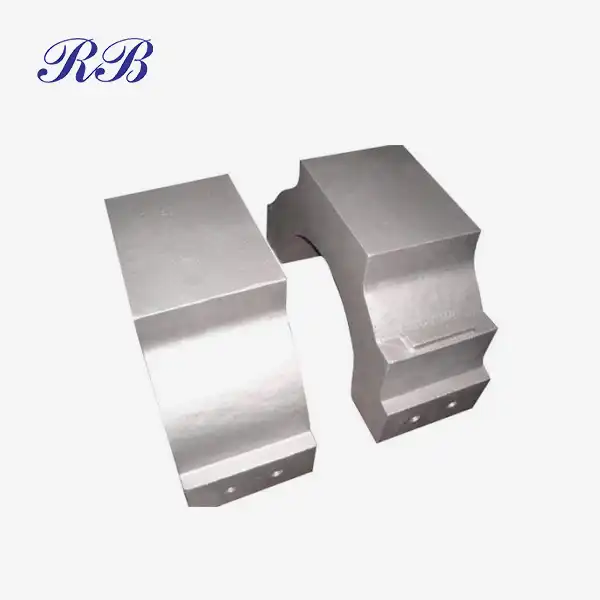
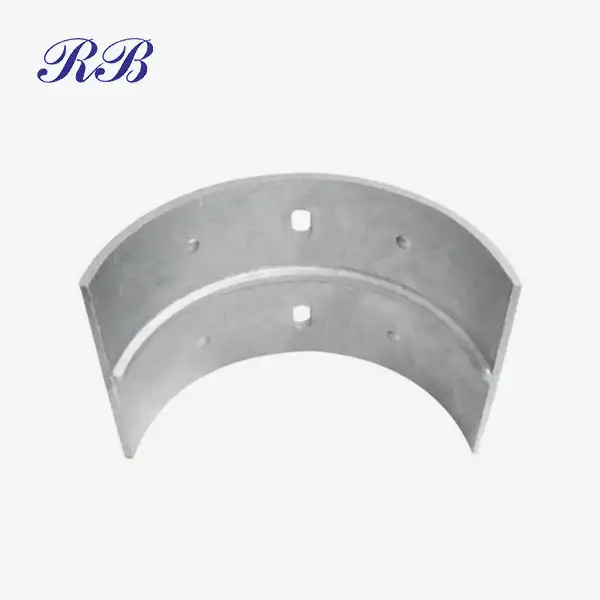
Rongbao Enterprise leverages advanced low-pressure casting capabilities to produce precision stator housing components that meet the demanding requirements of lift lifting cylinder applications. Our integrated manufacturing approach combines A356 aluminum alloy casting with precision CNC machining and professional shot blasting surface preparation to deliver components weighing 15.8KG with consistent dimensional accuracy and superior surface finish characteristics.
Operating under ISO9001:2015, ISO14001, and ISO45001 certification standards, our Xi'an facility maintains production capacity of 1000 pieces while accommodating customized specifications for diverse application requirements. Combining low-pressure casting primary shaping with CNC secondary operations makes the best use of the material while maintaining the tight tolerances needed for modern motor uses.
Our quality control procedures include a full measurement check, confirmation of the material's properties, and check of the surface finish to make sure that parts work the same way in all production runs. Protective wooden box packaging maintains component integrity during transportation while supporting global distribution requirements for OEM and ODM applications.
For detailed consultation regarding stator housing manufacturing methods and capability assessment for your specific applications, contact our technical team at steve.zhou@263.net or zhouyi@rongbaocasting.com. Our engineering specialists can provide comprehensive analysis of manufacturing options, cost implications, and delivery schedules tailored to your project requirements.
References
1. Campbell, J. (2015). Complete Casting Handbook: Metal Casting Processes, Metallurgy, Techniques and Design. 2nd Edition. Butterworth-Heinemann.
2. ASM International Handbook Committee. (2008). ASM Handbook Volume 15: Casting. ASM International Materials Park.
3. Altan, T., Ngaile, G., & Shen, G. (2004). Cold and Hot Forging: Fundamentals and Applications. ASM International.
4. Stephenson, D.A. & Agapiou, J.S. (2016). Metal Cutting Theory and Practice, 3rd Edition. CRC Press.
5. European Aluminium Association. (2019). Aluminium Automotive Manual - Joining. European Aluminium Association Technical Guidelines.
Learn about our latest products and discounts through SMS or email