- English
- French
- German
- Portuguese
- Spanish
- Russian
- Japanese
- Korean
- Arabic
- Greek
- German
- Turkish
- Italian
- Danish
- Romanian
- Indonesian
- Czech
- Afrikaans
- Swedish
- Polish
- Basque
- Catalan
- Esperanto
- Hindi
- Lao
- Albanian
- Amharic
- Armenian
- Azerbaijani
- Belarusian
- Bengali
- Bosnian
- Bulgarian
- Cebuano
- Chichewa
- Corsican
- Croatian
- Dutch
- Estonian
- Filipino
- Finnish
- Frisian
- Galician
- Georgian
- Gujarati
- Haitian
- Hausa
- Hawaiian
- Hebrew
- Hmong
- Hungarian
- Icelandic
- Igbo
- Javanese
- Kannada
- Kazakh
- Khmer
- Kurdish
- Kyrgyz
- Latin
- Latvian
- Lithuanian
- Luxembou..
- Macedonian
- Malagasy
- Malay
- Malayalam
- Maltese
- Maori
- Marathi
- Mongolian
- Burmese
- Nepali
- Norwegian
- Pashto
- Persian
- Punjabi
- Serbian
- Sesotho
- Sinhala
- Slovak
- Slovenian
- Somali
- Samoan
- Scots Gaelic
- Shona
- Sindhi
- Sundanese
- Swahili
- Tajik
- Tamil
- Telugu
- Thai
- Ukrainian
- Urdu
- Uzbek
- Vietnamese
- Welsh
- Xhosa
- Yiddish
- Yoruba
- Zulu
Machining Considerations for Valve Body Castings
Machining considerations for valve body casting components represent critical factors. Specifically, they determine both manufacturing efficiency and final product quality. Fundamentally, the valve body serves as the foundation for industrial valves. Therefore, it requires precise machining to achieve dimensional accuracy. It also needs to meet surface finish requirements and functional specifications. Consequently, these casting components must undergo careful machining processes. This ensures proper sealing surfaces. It also guarantees secure threaded connections and internal flow geometries. Ultimately, these must meet stringent industry standards across automotive, construction, and energy sectors.
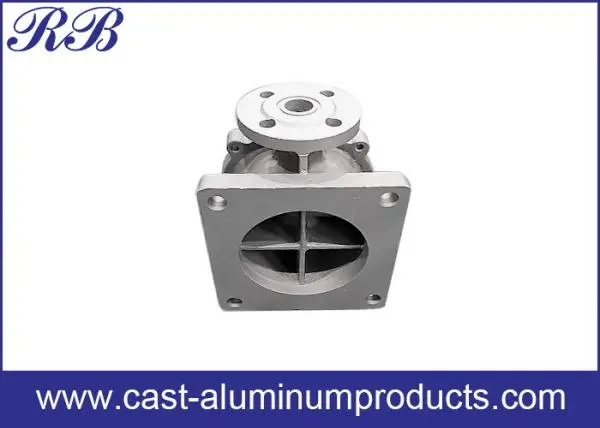
Understanding Valve Body Casting and Its Machining Challenges
Currently, industrial valve manufacturing relies heavily on precision-cast components. These parts form the structural backbone of fluid control systems. Typically, these castings utilize materials ranging from aluminum alloys like 356 to various steel grades. Naturally, each material presents unique machining characteristics and challenges.
Material Properties and Their Impact on Machining
Notably, cast aluminum 356 alloy represents one of the most commonly specified materials for valve body casting applications. This is particularly true in fire safety systems and industrial equipment. Beneficially, this material offers excellent castability. It also provides moderate strength properties. As a result, it is suitable for components weighing approximately 2.8 kg. Furthermore, the silicon content in 356 aluminum provides good fluidity during casting. At the same time, it maintains reasonable machinability characteristics during subsequent CNC operations.
However, the grain structure inherent in cast materials differs significantly from wrought alternatives. This creates unique considerations during machining. For instance, cast aluminum exhibits varying hardness zones throughout the component. Therefore, this requires adaptive machining parameters to maintain consistent surface quality. Additionally, tool selection becomes particularly critical. This applies when addressing areas with varying silicon distribution or potential porosity.
Common Casting Defects and Machining Implications
Unfortunately, porosity remains the most significant challenge when machining cast valve bodies. These microscopic voids can cause tool chatter. They can also lead to surface irregularities and dimensional instabilities during precision machining operations. To combat this, quality control protocols must identify these defects before machining begins. This step prevents costly rework and maintains production schedules.
In addition, shrinkage cavities present another machining challenge. This occurs particularly in thicker sections of valve body casting components. Often, these defects manifest as unexpected tool breakthrough. Alternatively, they appear as dimensional variations that compromise sealing surfaces. Fortunately, advanced non-destructive testing methods help identify these issues before machining. This effectively protects both tooling investments and production timelines.
Key Machining Considerations for Valve Body Castings
Successfully, machining cast valve bodies requires careful attention to multiple factors. These interdependent elements influence both quality outcomes and production efficiency. By understanding these considerations, procurement professionals can make informed supplier selection decisions. This ensures technical requirements are met effectively.
Machining Parameter Optimization
Crucially, CNC machining parameters must account for the unique characteristics of cast materials. This differs from handling wrought alternatives. For example, surface speeds typically require reduction when machining cast aluminum. This accommodates varying hardness zones and potential inclusion materials. Likewise, feed rates need careful calibration. This prevents chatter while maintaining acceptable surface finishes on critical sealing surfaces.
Moreover, cutting tool geometry plays a crucial role in achieving optimal results. Sharp cutting edges help minimize built-up edge formation on aluminum castings. Simultaneously, proper rake angles reduce cutting forces. Otherwise, these forces could cause workpiece distortion. Finally, tool coatings become particularly important. This is vital when addressing the abrasive nature of silicon-rich aluminum alloys.
Surface Treatment Integration
Significantly, shot blasting serves as a critical surface preparation step. It must integrate seamlessly with subsequent machining operations. This process removes casting scale effectively. It also provides uniform surface texture while stress-relieving the component. However, proper shot blasting parameters are essential. They prevent surface damage that could complicate subsequent machining. This ensures adequate surface preparation for final finishing.
Furthermore, the timing of shot blasting relative to machining operations requires careful consideration. For instance, pre-machining shot blasting removes surface irregularities. However, it may introduce compressive stresses. These stresses can affect dimensional stability during subsequent machining. Conversely, post-machining shot blasting provides excellent surface finish. Yet, it requires protection of precision-machined features.
Fixture Design and Workholding
Effective workholding strategies must accommodate irregular geometries. These shapes are typical of valve body casting components. Simultaneously, fixtures must provide sufficient rigidity for precision machining. Often, custom fixtures prove necessary. They support complex casting shapes without inducing distortion during clamping operations.
Additionally, reference surface selection becomes critical. This establishes machining datums on cast components. Since natural casting surfaces may contain irregularities, accuracy can be compromised. Therefore, preliminary machining of reference features is often required before establishing final positioning. This approach ensures consistent positioning accuracy across production batches.
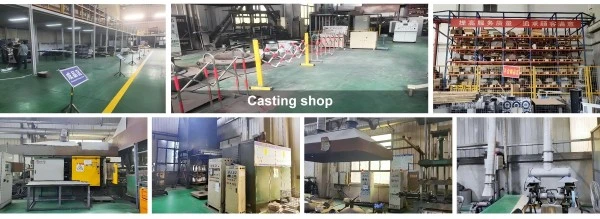
Comparison of Machining with Alternative Finishing Processes
To optimize production, manufacturing engineers must evaluate various finishing approaches. They determine optimal processing strategies for specific valve body applications. Ideally, each method offers distinct advantages and limitations. These factors influence both cost and quality outcomes.
Traditional Machining Versus Alternative Methods
Primarily, conventional CNC machining provides excellent dimensional control. It also offers superior surface finish capabilities. However, it requires significant material removal on complex casting geometries. Nevertheless, this approach works well for critical sealing surfaces. It is also ideal for threaded features where precision takes priority over material removal efficiency.
Alternatively, honing operations excel at achieving superior surface finishes on internal bore surfaces. At the same time, they maintain excellent cylindricity. This process proves particularly valuable for valve body applications requiring precise internal geometries. This ensures proper sealing function. Effectively, the controlled abrasive action removes minimal material. It achieves this while delivering exceptional surface quality.
Process Selection Criteria
Significantly, volume requirements influence process selection decisions. For example, high-volume production often justifies specialized tooling and automated machining approaches. Conversely, smaller quantities may benefit from more flexible manual machining operations. Understanding these trade-offs helps procurement professionals. It allows them to select suppliers with appropriate capabilities for specific project requirements.
Moreover, quality specifications drive process selection. This includes requirements for surface finish, dimensional accuracy, and geometric tolerances. Some applications require precision achievable only through conventional machining. Others, however, can utilize less intensive finishing approaches. They do so without compromising functionality.
Selecting a Valve Body Casting Supplier for Optimal Machining Outcomes
Choosing the right supplier extends beyond basic casting capabilities. It must encompass integrated machining expertise. It also involves evaluating quality systems and production capacity alignment with project requirements. Comprehensive evaluation ensures long-term partnership success. It also guarantees consistent quality delivery.
Technical Capability Assessment
First, manufacturing capacity evaluation must consider casting production rates. It must also assess subsequent machining capabilities. Ideally, suppliers offering integrated services provide better process control. This spans from initial valve body casting through finished machining. It also results in shorter lead times. For instance, a production capacity of 5,000 pieces annually indicates substantial manufacturing infrastructure. This is suitable for medium-volume requirements.
Secondly, quality certification requirements are non-negotiable. Look for ISO9001:2015 for quality management. Also require ISO14001 for environmental compliance. Finally, ensure ISO45001 for occupational health and safety. These certifications demonstrate systematic approaches to quality control. They also prove regulatory compliance essential for global supply chain integration.
Geographic and Logistic Considerations
Geographically, location advantages are key. Established manufacturing centers like Xi'an, China provide access to a skilled workforce. They also offer proximity to material suppliers and transportation infrastructure. Understanding regional capabilities helps procurement professionals evaluate supplier proposals. They can then consider total cost implications including logistics and communication factors.
Finally, packaging and transportation planning affects outcomes. It influences both cost and quality. Proper packaging in protective boxes prevents damage during international shipping. It also maintains component cleanliness for subsequent assembly operations. Therefore, supplier experience with export markets is vital. It demonstrates an understanding of international quality and documentation requirements.
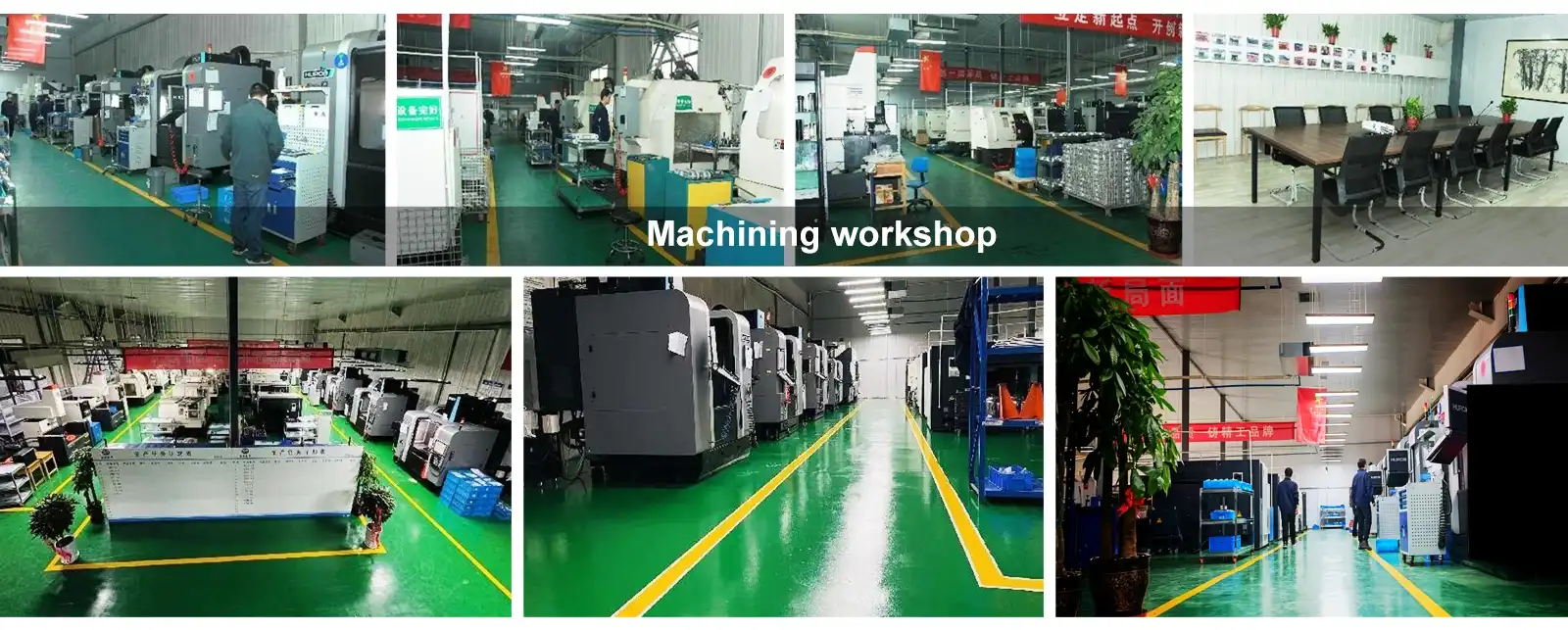
Rongbao Enterprise - Your Trusted Valve Body Casting Supplier
Rongbao Enterprise specializes in precision valve body casting and machining solutions. We tailor our services to demanding industrial applications. Our comprehensive manufacturing capabilities encompass high-pressure die casting. We also offer gravity casting and precision CNC machining operations. All these are housed under one integrated facility.
Advanced Manufacturing Capabilities
Our state-of-the-art production facility combines modern casting technology with advanced CNC machining centers. This allows us to deliver complete solutions from initial casting through finished components. Consequently, this integrated approach ensures optimal quality control. It also reduces lead times for complex valve body applications.
Specifically, our specialized expertise in aluminum 356 casting provides a strong foundation. This results in superior valve body components meeting stringent industry requirements. Moreover, our CNC machining capabilities deliver precise dimensional control. We also achieve the surface finish quality essential for critical sealing applications. Additionally, shot blasting facilities provide consistent surface preparation. This enhances both appearance and performance characteristics.
Quality Assurance and Certification
Commitment to quality is paramount. Our quality management system maintains ISO9001:2015, ISO14001, and ISO45001 certifications. This demonstrates our dedication to systematic quality control and regulatory compliance. Furthermore, comprehensive inspection capabilities are standard. These include dimensional verification, material testing, and surface quality assessment. This ensures consistent product delivery.
With twenty years of industry experience, we possess deep understanding. We know the challenges of valve body casting manufacturing and customer requirements. This experience enables proactive problem solving. It also drives continuous improvement initiatives that benefit our global customer base. Ultimately, our quality control processes address every stage. This ranges from incoming material inspection through final packaging and shipment.
Conclusion
In summary, machining considerations for valve body castings require comprehensive understanding. One must grasp material properties, process capabilities, and quality requirements. Successful outcomes depend on proper supplier selection. They also rely on integrated manufacturing capabilities and systematic quality control approaches. Undeniably, the complexity of these components demands expertise. This applies to both casting technology and precision machining to achieve optimal results. Therefore, procurement professionals benefit from partnering with suppliers offering complete solutions. This covers everything from initial casting through finished machining operations.
Contact Rongbao Enterprise for Premium Valve Body Casting Solutions
Rongbao Enterprise delivers comprehensive valve body casting and machining solutions. We combine advanced manufacturing technology with certified quality systems. Our integrated facility provides complete services. This spans from initial design consultation through finished component delivery. This ensures optimal outcomes for demanding applications. As a leading valve body casting manufacturer, we maintain a production capacity of 5,000 pieces annually. Simultaneously, we provide flexible customization options for unique requirements. Contact steve.zhou@263.net and zhouyi@rongbaocasting.com today.
FAQ
What materials work best for valve body casting applications?
Typically, aluminum 356 alloy provides excellent castability. It also offers moderate strength properties suitable for most valve body applications. This material offers good machinability characteristics. At the same time, it provides adequate corrosion resistance for industrial environments. Furthermore, the silicon content enhances fluidity during casting. This occurs while maintaining reasonable machining properties during subsequent CNC operations.
How does casting quality affect machining outcomes?
Directly, casting quality influences machining efficiency and final component quality. For example, porosity and inclusion defects increase tool wear. They also create surface finish irregularities. Therefore, proper casting quality control prevents these issues. This ensures consistent machining performance across production batches.
What machining processes work best for valve body components?
Generally, CNC machining provides optimal dimensional control. It also ensures surface finish quality for critical valve body features. Additionally, shot blasting surface treatment enhances appearance. It also provides uniform texture characteristics. The combination of precision machining and controlled surface treatment delivers superior component quality.
How important is supplier certification for valve body casting?
Extremely important. Quality certifications including ISO9001:2015, ISO14001, and ISO45001 demonstrate systematic approaches. They prove adherence to quality control and regulatory compliance. These certifications provide confidence in supplier capabilities. They also ensure consistency with global quality standards. Ultimately, certified suppliers typically deliver more consistent quality and better problem resolution.
References
- American Society of Mechanical Engineers. "Valve Design and Manufacturing Standards for Industrial Applications." ASME Press, 2023.
- Casting Industry Suppliers Association. "Machining Guidelines for Aluminum Casting Alloys in Valve Applications." Technical Publication Series, 2022.
- International Organization for Standardization. "Quality Management Systems Requirements for Automotive and Industrial Casting Suppliers." ISO Technical Committee, 2023.
- Materials Science and Engineering Institute. "Surface Treatment Effects on Cast Aluminum Components in Fluid Control Systems." Advanced Materials Research, 2022.
- National Association of Manufacturers. "Precision Machining Standards for Cast Components in Critical Applications." Manufacturing Technology Review, 2023.
- Society of Manufacturing Engineers. "CNC Machining Best Practices for Aluminum Castings in Industrial Equipment." SME Technical Papers, 2022.
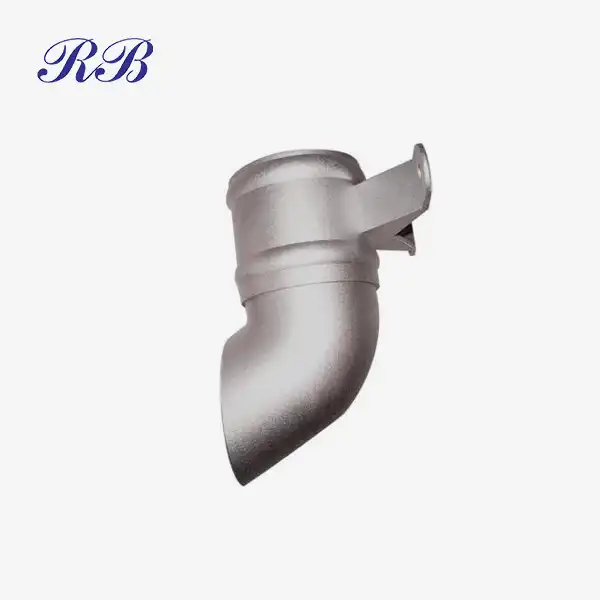
Learn about our latest products and discounts through SMS or email