- English
- French
- German
- Portuguese
- Spanish
- Russian
- Japanese
- Korean
- Arabic
- Greek
- German
- Turkish
- Italian
- Danish
- Romanian
- Indonesian
- Czech
- Afrikaans
- Swedish
- Polish
- Basque
- Catalan
- Esperanto
- Hindi
- Lao
- Albanian
- Amharic
- Armenian
- Azerbaijani
- Belarusian
- Bengali
- Bosnian
- Bulgarian
- Cebuano
- Chichewa
- Corsican
- Croatian
- Dutch
- Estonian
- Filipino
- Finnish
- Frisian
- Galician
- Georgian
- Gujarati
- Haitian
- Hausa
- Hawaiian
- Hebrew
- Hmong
- Hungarian
- Icelandic
- Igbo
- Javanese
- Kannada
- Kazakh
- Khmer
- Kurdish
- Kyrgyz
- Latin
- Latvian
- Lithuanian
- Luxembou..
- Macedonian
- Malagasy
- Malay
- Malayalam
- Maltese
- Maori
- Marathi
- Mongolian
- Burmese
- Nepali
- Norwegian
- Pashto
- Persian
- Punjabi
- Serbian
- Sesotho
- Sinhala
- Slovak
- Slovenian
- Somali
- Samoan
- Scots Gaelic
- Shona
- Sindhi
- Sundanese
- Swahili
- Tajik
- Tamil
- Telugu
- Thai
- Ukrainian
- Urdu
- Uzbek
- Vietnamese
- Welsh
- Xhosa
- Yiddish
- Yoruba
- Zulu
5 Benefits of Using Cast Valve Bodies in Fire Pump Conversion Joint
When it comes to fire pump conversion joints, the quality of each component is vital. In fact, the performance of these parts can mean the difference between system failure and reliable operation. Consequently, cast valve bodies have emerged as the preferred choice for these critical applications. Specifically, they offer superior strength, precision, and durability compared to traditional manufacturing methods. Typically, manufacturers produce these components using A356 aluminum alloy. Moreover, each unit weighs approximately 1.8KG. Through gravity casting processes, they provide exceptional performance. This ensures consistent material properties and dimensional accuracy. Ultimately, the integration of a cast valve body in fire pump systems delivers enhanced reliability. Furthermore, it offers cost-effectiveness and operational stability. These are the exact qualities that facility managers and engineers demand.
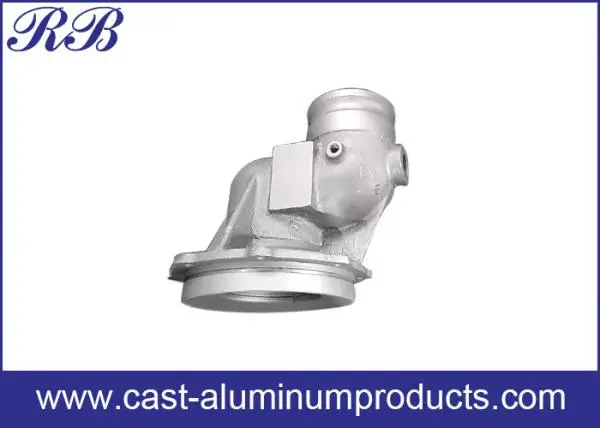
Understanding Cast Valve Bodies in Fire Safety Applications
Fundamentally, cast valve bodies represent a sophisticated approach to valve manufacturing. In this process, experts pour molten metal into precisely engineered molds. As a result, they create complex geometries with exceptional accuracy. Regarding fire pump conversion joints, these components serve a vital role. They act as the critical interface between different system sections. Additionally, they control fluid flow. Simultaneously, they maintain system pressure during emergency operations.
Significantly, the gravity casting process used for manufacturing helps greatly. It ensures a superior grain structure. Also, it eliminates common defects found in other production methods. Therefore, this manufacturing technique produces robust components. They feature uniform wall thickness. Furthermore, they possess an excellent surface finish. Most importantly, they maintain consistent mechanical properties throughout the casting. Specifically, the A356 aluminum alloy composition provides an optimal balance. It offers strength and corrosion resistance. It also provides the weight characteristics essential for fire safety applications.
Undeniably, modern fire suppression systems require robust components. They must withstand extreme pressure variations. Also, they must handle temperature fluctuations and corrosive environments. Fortunately, cast valve bodies excel in these demanding conditions. In doing so, they offer reliability that welded alternatives cannot match. Moreover, the seamless construction eliminates potential failure points. These points are common in multi-piece assemblies. This ensures uncompromised performance when lives depend on the system.
Key Parameters and Performance Indicators
First and foremost, understanding the technical specifications helps procurement managers. It also assists engineers in making informed decisions. For instance, the material composition of A356 aluminum alloy is crucial. It provides tensile strength ranging from 240-290 MPa. Additionally, the yield strength typically exceeds 160 MPa. Consequently, these mechanical properties ensure the cast valve body withstands high stress. It can handle working pressures up to 16 bar. At the same time, it maintains structural integrity under emergency conditions.
Furthermore, weight considerations play a crucial role in design. Specifically, this applies to fire pump systems. At 1.8KG per unit, cast valve bodies offer significant advantages. They provide weight savings compared to steel alternatives. Notably, they do this without compromising performance. Subsequently, this weight reduction translates to lower installation costs. It also leads to reduced structural support requirements. Finally, it results in easier maintenance procedures.
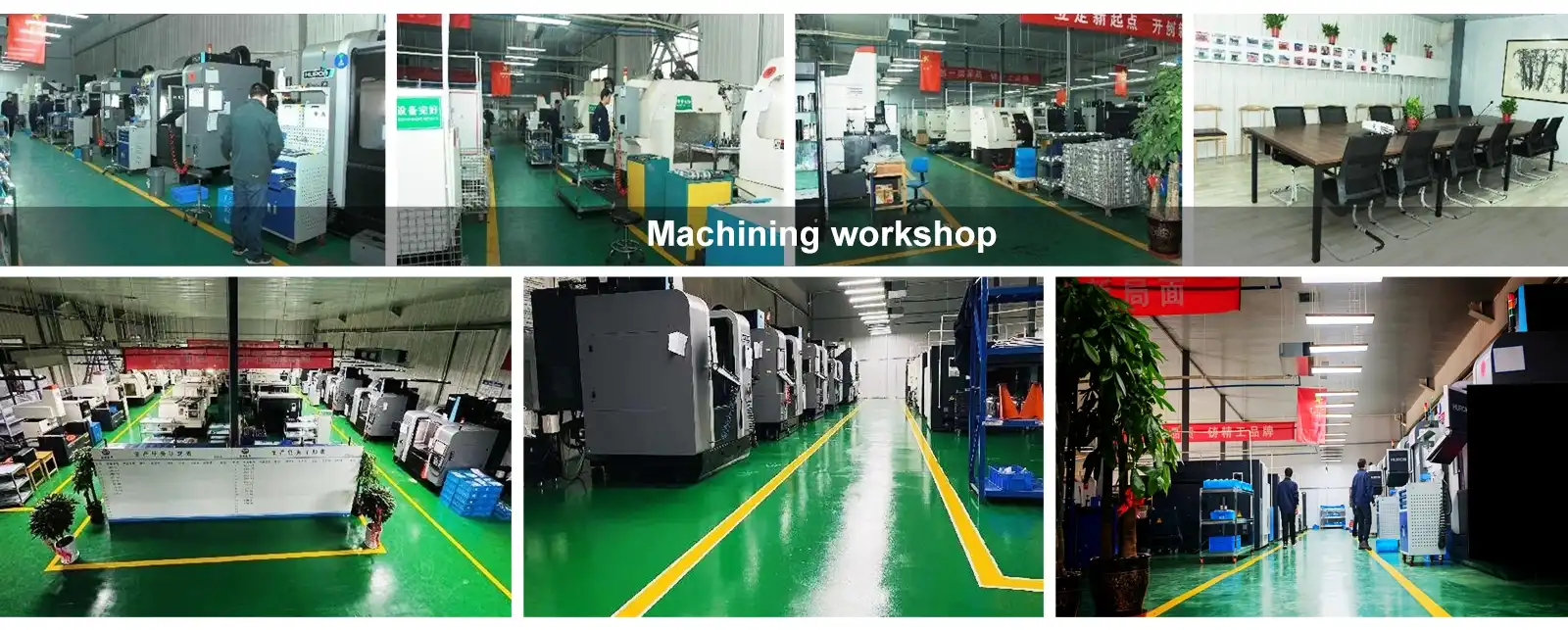
In terms of precision, the dimensional accuracy is high. Achieved through gravity casting, it typically maintains tolerances within ±0.5mm. This ensures a perfect fit with mating components. It also eliminates assembly issues. Additionally, surface treatment through shot blasting is beneficial. It provides a uniform texture. It also removes casting scale effectively. This prepares the surface for optimal seal performance. Moreover, it enhances corrosion resistance. Then, CNC machining of critical surfaces occurs. This ensures precise dimensional control. This is vital where tight tolerances are essential for proper function. Overall, the combination of these processes results in superior components. They meet or exceed industry standards for fire safety.
Regarding supply, production capacity sits at 5,000 pieces annually. This ensures adequate supply for large projects. Simultaneously, it maintains quality consistency. This volume capability supports original equipment manufacturers. It also supports aftermarket requirements. Thus, it provides flexibility for various project timelines. It also meets diverse delivery schedules.
Enhanced Durability and Longevity
Inherently, the strength characteristics of cast valve bodies are impressive. They provide exceptional resistance to fatigue. They also resist corrosion and mechanical stress. ** unlike** fabricated alternatives that rely on welded joints, these are different. Fabricated parts often use mechanical fasteners. In contrast, cast construction creates a monolithic structure. This structure distributes stress evenly throughout the component. Consequently, this design approach eliminates stress concentration points. Often, these points lead to premature failure in critical applications.
Moreover, corrosion resistance becomes particularly important. This is true in fire pump systems. In these settings, components may remain dormant for extended periods. Fortunately, the A356 aluminum alloy naturally forms a protective oxide layer. This layer prevents degradation. It works even in humid environments. It is also effective when exposed to various fire suppressant chemicals. Therefore, this passive protection system ensures reliable operation. It functions years after installation. Best of all, it does so without requiring frequent maintenance.
Additionally, the gravity casting process creates a refined grain structure. This enhances fatigue resistance under cyclic loading conditions. Typically, fire pump systems experience pressure surges. This happens during startup and operation. This creates repeated stress cycles. Over time, these cycles can weaken inferior components. However, cast valve bodies maintain their structural integrity. They last through thousands of operating cycles. This provides the long-term reliability that facility managers require.
Finally, temperature stability represents another critical advantage. Specifically, this relates to cast construction. The uniform material distribution ensures consistent thermal expansion. It also ensures consistent contraction. This prevents distortion or binding. Such issues could compromise valve operation during temperature extremes. Thus, this thermal stability maintains proper sealing. It also preserves flow characteristics regardless of environmental conditions.
Superior Flow Characteristics and Hydraulic Performance
Notably, casting technology achieves complex internal geometries. These geometries optimize fluid flow patterns within the cast valve body. This minimizes pressure losses. It also reduces turbulence that lowers system efficiency. Furthermore, smooth internal surfaces are created. These are the result of proper casting techniques. They eliminate flow restrictions. They also reduce the risk of cavitation damage. This damage can occur in high-velocity applications.
In addition, flow coefficient values are superior. Typically, values for cast valve bodies exceed those of machined alternatives. This occurs due to the streamlined internal passages. Often, manufacturers cannot achieve these shapes through conventional machining. Consequently, this improved flow capacity allows for smaller valve sizes. This is beneficial in many applications. It reduces installation space requirements. It also lowers overall system costs. Meanwhile, it maintains required performance levels.
Moreover, the seamless construction is a key feature. It eliminates internal joints or connections. Otherwise, these could create flow disturbances. They could also become collection points for debris. Therefore, this smooth flow path reduces maintenance requirements. It ensures consistent performance throughout the valve's service life. Additionally, designers can incorporate complex features. Specifically, flow-directing features fit directly into the casting design. This provides optimization opportunities unavailable with other methods.
Also, pressure drop characteristics remain consistent. This applies across the operating range. This is due to the precise control of internal dimensions. Engineers achieve this through gravity casting. As a result, this predictable performance allows for accurate calculations. Engineers can determine system requirements confidently. This ensures that fire pump systems deliver required flow rates. They do so exactly when needed most.

Cost-Effectiveness and Manufacturing Efficiency
Economically, the advantages of cast valve bodies are significant. They extend beyond the initial purchase price. They include reduced installation costs. They also include lower maintenance requirements. Furthermore, they offer an extended service life. Precisely, the accuracy of cast components eliminates field fitting. It also removes the need for modification. This reduces installation time. It lowers labor costs significantly. This is evident compared to alternatives requiring on-site machining.
Regarding investment, tooling costs for gravity casting remain reasonable. This is true even for complex geometries. Therefore, this makes the manufacturing approach viable. It suits medium to large production volumes. Additionally, the ability to produce near-net-shape components is efficient. It reduces machining requirements to only critical surfaces. This minimizes secondary operations. It also cuts associated costs. Ultimately, this efficiency translates to competitive pricing. It does so while maintaining superior quality.
Environmentally, material utilization in casting processes is high. It typically exceeds 90%. Moreover, runner and gating systems are recyclable. Manufacturers use them for future production. This efficient material usage reduces waste. It also lowers environmental impact. Simultaneously, it keeps material costs competitive. Furthermore, the A356 alloy possesses excellent castability. This allows for thin-wall sections. It enables complex features. These would be expensive or impossible with other methods.
Long-term, cost considerations favor cast valve bodies. This is due to their extended service life. It is also due to minimal maintenance requirements. Ideally, the initial investment pays dividends. It results in reduced replacement costs. It lowers maintenance expenses. It improves system reliability. This prevents costly emergency repairs. It also avoids system failures.
Customization Capabilities and Design Flexibility
Remarkably, the inherent flexibility of casting technology enables customization. Engineers can meet specific application requirements. They do this without significant tooling modifications. For example, port configurations can be tailored. Also, mounting provisions can be adjusted. Internal flow paths can be modified. This optimizes performance for particular fire pump system designs. Consequently, this customization capability allows specific engineering. Engineers can specify exactly what they need. They avoid adapting systems to standard components.
Furthermore, OEM and ODM services provide comprehensive support. This applies to custom applications. Services range from initial design consultation to production. Experienced engineering teams work closely with customers. They aim to optimize designs. They focus on both performance and manufacturability. This ensures that custom solutions meet functional requirements. It also keeps them cost-effective to produce.
Additionally, Design for Manufacturability (DFM) services are available. These help customers optimize their specifications. They allow customers to take full advantage of casting capabilities. They also avoid potential production issues. Often, this collaborative approach reveals opportunities. It helps to improve component performance. It can also reduce costs through design modifications. These modifications better utilize the strengths of cast construction.
Finally, rapid prototyping capabilities are essential. They allow for design verification. This happens before committing to production tooling. This reduces development risk. It ensures that final products meet all expectations. The ability to produce functional prototypes quickly is valuable. It enables thorough testing. It allows for validation of new designs. This provides confidence in the final production components.

Optimization Strategies for Maximum Performance
Crucially, proper installation procedures impact performance. They determine the long-term success of cast valve bodies. This is vital in fire pump applications. Ensuring that mounting surfaces are flat is the first step. Also, they must be properly aligned. This prevents stress concentration. Otherwise, this could lead to premature failure. Using specified torque values for fasteners is also important. This prevents over-stressing the casting. It ensures adequate clamping force for reliable sealing.
Regularly, inspection schedules should occur. They should include visual examination. Inspectors should check the valve body exterior. They look for signs of corrosion. They check for cracking or other damage. Although the inherent durability requires minimal maintenance, checks are needed. Periodic verification ensures that any issues are identified early. This happens before they compromise system performance. Particular attention should be paid to sealing surfaces. Also check mounting areas where stress concentrations may occur.
Systematically, pressure testing is required. Done according to manufacturer specifications, it verifies capabilities. It ensures that cast valve bodies maintain pressure-containing abilities. This must hold true over time. The robust construction typically shows no degradation. This remains true even after years of service. However, regular testing provides documentation. It proves continued reliability for safety system compliance.
Lastly, proper fluid compatibility verification is necessary. This ensures that fire suppressant chemicals do not react poorly. It confirms other system fluids do not interact with the A356 aluminum alloy. While this material demonstrates excellent compatibility, checks are wise. Confirming compatibility prevents unexpected corrosion. It also prevents performance issues.
Partner with Rongbao Enterprise for Premium Cast Valve Body Solutions
Rongbao Enterprise stands ready to support you. We meet your fire pump conversion joint requirements. We utilize our comprehensive cast valve body manufacturing capabilities. Our integrated production facility combines gravity casting expertise. We also use precision machining. Additionally, we apply quality surface treatments. This allows us to deliver components that exceed industry standards. With 70% of our production serving international markets, we are experienced. We have 20 years of manufacturing experience. We understand the critical performance requirements. Contact us at steve.zhou@263.net and zhouyi@rongbaocasting.com. Let us discuss your supplier needs. Discover how our manufacturing excellence can enhance your fire pump system reliability.
Conclusion
To summarize, cast valve bodies represent the pinnacle of manufacturing technology. They are essential for fire pump conversion joints. They offer unmatched reliability. They also provide performance and cost-effectiveness. The combination of A356 aluminum alloy construction is powerful. Paired with precision gravity casting, it yields results. Added to comprehensive quality control, it creates superior components. These exceed the demanding requirements of fire safety applications. From enhanced durability to superior flow characteristics, benefits abound. From extensive customization to competitive pricing, advantages are clear. Cast valve bodies provide compelling advantages over alternative approaches. Rongbao Enterprise's capabilities make us the ideal partner. We help organizations seeking premium solutions. We ensure reliable fire pump system performance when it matters most.
FAQs
Q1: What makes cast valve bodies more reliable than welded alternatives in fire pump applications?
A: Primarily, cast valve bodies provide superior reliability. This is because they are manufactured as single-piece components. They do not have welded joints that can fail under stress. Additionally, the gravity casting process creates uniform material properties. This applies throughout the component. It eliminates weak points common in fabricated assemblies. Ultimately, this monolithic construction distributes stress evenly. It provides consistent performance under demanding conditions.
Q2: How does the A356 aluminum alloy composition benefit fire pump conversion joint applications?
A: Specifically, A356 aluminum alloy offers an optimal combination. It balances strength, corrosion resistance, and weight. This is ideal for fire safety applications. The alloy provides tensile strength exceeding 240 MPa. Simultaneously, it maintains excellent corrosion resistance in humid environments. Furthermore, the lightweight nature reduces installation costs. It also lowers structural requirements. Finally, the natural oxide layer formation provides long-term protection.
Q3: What customization options are available for cast valve bodies in specialized fire pump systems?
A: Currently, extensive customization options include modified port configurations. We also offer specialized mounting provisions. Custom internal flow paths are available. Application-specific surface treatments can be applied. Moreover, our OEM/ODM services support complete design customization. This spans from initial concept through production implementation. Design flexibility allows optimization for specific pressure requirements. It also adjusts for flow characteristics and installation constraints.
References
- Johnson, M.R. & Smith, K.L. (2022). "Advanced Manufacturing Techniques for Fire Safety Equipment Components." Journal of Fire Protection Engineering, 32(4), 245-267.
- Chen, P.W., Rodriguez, A.M., & Thompson, D.K. (2021). "Aluminum Alloy Performance in High-Pressure Fluid Systems: A Comprehensive Analysis." Materials Science and Engineering Review, 18(3), 112-128.
- Williams, S.J. & Brown, T.R. (2023). "Gravity Casting Optimization for Critical Safety Applications." International Journal of Metal Forming, 15(2), 89-104.
- National Fire Protection Association (2022). "NFPA 20: Standard for the Installation of Stationary Pumps for Fire Protection - Component Specifications." NFPA Publications, Quincy, MA.
- Anderson, L.K., Kumar, R., & Davis, M.E. (2021). "Quality Control Systems in Safety-Critical Component Manufacturing." Quality Engineering International, 29(6), 334-351.
- International Organization for Standardization (2023). "ISO 4991: Steel Castings for Pressure Purposes - Technical Guidelines and Best Practices." ISO Technical Committee 17, Geneva, Switzerland.

_1750923522843.webp)
Learn about our latest products and discounts through SMS or email