- English
- French
- German
- Portuguese
- Spanish
- Russian
- Japanese
- Korean
- Arabic
- Greek
- German
- Turkish
- Italian
- Danish
- Romanian
- Indonesian
- Czech
- Afrikaans
- Swedish
- Polish
- Basque
- Catalan
- Esperanto
- Hindi
- Lao
- Albanian
- Amharic
- Armenian
- Azerbaijani
- Belarusian
- Bengali
- Bosnian
- Bulgarian
- Cebuano
- Chichewa
- Corsican
- Croatian
- Dutch
- Estonian
- Filipino
- Finnish
- Frisian
- Galician
- Georgian
- Gujarati
- Haitian
- Hausa
- Hawaiian
- Hebrew
- Hmong
- Hungarian
- Icelandic
- Igbo
- Javanese
- Kannada
- Kazakh
- Khmer
- Kurdish
- Kyrgyz
- Latin
- Latvian
- Lithuanian
- Luxembou..
- Macedonian
- Malagasy
- Malay
- Malayalam
- Maltese
- Maori
- Marathi
- Mongolian
- Burmese
- Nepali
- Norwegian
- Pashto
- Persian
- Punjabi
- Serbian
- Sesotho
- Sinhala
- Slovak
- Slovenian
- Somali
- Samoan
- Scots Gaelic
- Shona
- Sindhi
- Sundanese
- Swahili
- Tajik
- Tamil
- Telugu
- Thai
- Ukrainian
- Urdu
- Uzbek
- Vietnamese
- Welsh
- Xhosa
- Yiddish
- Yoruba
- Zulu
Kinetic Sand Aluminum Casting for Creative Projects
Kinetic sand, typically known for its moldable and entertaining properties, can be transformed into an unexpected medium for aluminum casting. The creation of cast instrument boxes is only one of the many creative initiatives made possible by this novel technology.In expansion to giving you informational on how to bargain with the dynamic sand, make molds, pour metal, and wrap up your castings, this article will look at the charming handle of casting aluminum utilizing motor sand.
Modify the Kinetic Sand for Heat Resistance
Before diving into the casting process, it's crucial to prepare the kinetic sand in the cast instrument box to withstand the high temperatures of molten aluminum. Standard kinetic sand isn't designed for this purpose, so we need to make some modifications:
1. Mix in refractory materials: Blend your kinetic sand in the cast instrument box with heat-resistant substances like silica sand or olivine sand.The sand's resistance to high temperatures will be greatly enhanced by this addition.
2. Add a binding agent: Incorporate a small amount of bentonite clay or sodium silicate in the cast instrument box to improve the sand's cohesion and strength in the cast instrument box when exposed to heat.
3. Remove moisture: Ensure the modified kinetic sand mixture in the cast instrument box is completely dry before use. Moisture can cause dangerous reactions when it comes into contact with molten aluminum.
By taking these steps, you'll create a heat-resistant version of kinetic sand in the cast instrument box that's suitable for aluminum casting. This modified sand will retain its moldable properties while being able to withstand the intense heat of the molten metal.
Make a Simple Mold
With your heat-resistant kinetic sand prepared, it's time to create a mold for your cast instrument box or other creative projects. Follow these steps to make a simple yet effective mold:
1. Design your pattern: Create a model of the object you want to cast. For a cast instrument box, this could be a wooden or 3D-printed prototype.
2. Prepare a molding container: Choose a container that's slightly larger than your pattern. A sturdy cardboard box or plastic container can work well.
3. Pack the sand: Fill the container halfway with your modified kinetic sand, pressing it down firmly to create a solid base.
4. Create the impression: Press your pattern into the sand, ensuring it's level and centered. Carefully remove the pattern, leaving a clean impression in the sand.
5. Add gating system: Create channels in the sand for pouring the molten aluminum and allowing air to escape.To have a successful cast, they are essential.
6. Finish the mold: Gently pack more sand around and over the impression, filling the container. Smooth the surface and ensure the sand is tightly packed.
This straightforward molding method is perfect for manufacturing distinctive cast instrument boxes and other imaginative projects since it offers a great lot of design versatility.
Prepare and Pour the Aluminum
With your mold ready, it's time to prepare and pour the aluminum. This step requires careful attention to safety and precision:
1. Safety first: Ensure you're working in a well-ventilated area and wearing appropriate protective gear, including heat-resistant gloves, a face shield, and fire-resistant clothing.
2. Melt the aluminum: Use a propane or electric furnace designed for metal casting to melt your aluminum. A356 aluminum alloy is an excellent choice for cast instrument boxes due to its strength and corrosion resistance.
3. Heat the mold: Preheat your kinetic sand mold to help prevent thermal shock when the molten aluminum is poured.
4. Pour the aluminum: Carefully pour the molten aluminum into the mold's gating system. Maintain a steady pour to ensure the metal flows evenly into all parts of the mold.
5. Allow to cool: Let the casting cool naturally. Depending on the size of your cast instrument box, this could take several hours.
Keep in mind that handling molten aluminum calls for expertise and appropriate safety measures. If you're new to metal casting, consider seeking guidance from experienced casters or taking a workshop before attempting this on your own.
Finish the Casting
Once your aluminum casting has cooled completely, it's time to finish your creation:
1. Remove from the mold: Carefully break away the kinetic sand to reveal your cast instrument box. For next projects, the sand may often be recycled.
2. Clean the casting: Use wire brushes and sandpaper to remove any remaining sand and smooth out imperfections.
3. Cut off excess metal: Remove any sprues or gates left from the pouring process using a hacksaw or angle grinder.
4. Polish and refine: Depending on your desired finish, you may want to further polish your cast instrument box using progressively finer grits of sandpaper or a polishing wheel.
5. Apply surface treatments: Consider adding protective coatings or decorative finishes to enhance the appearance and durability of your cast instrument box.
By following these steps, simple kinetic sand may be transformed into a unique, custom-made aluminum cast instrument box or other creative craft. This method opens up a world of possibilities for artists and do-it-yourselfers by combining the tactile, enjoyable qualities of kinetic sand with the robustness and usefulness of metal casting.
Cast Instrument Box Supplier: Rongbao Enterprise
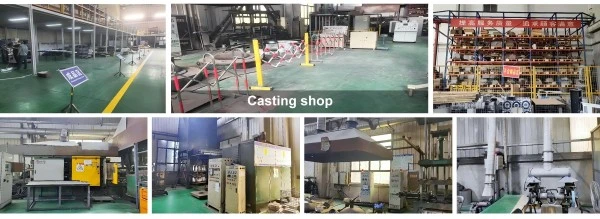
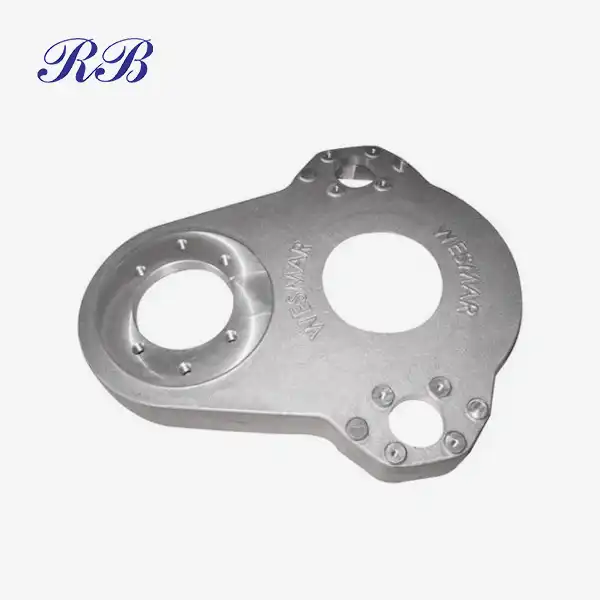
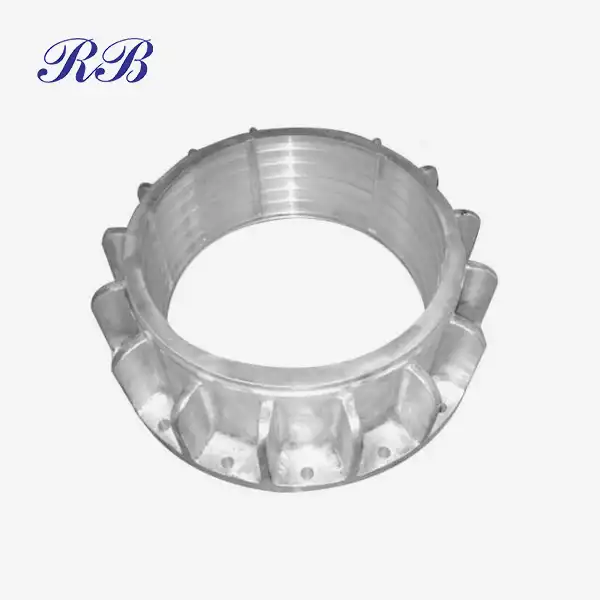
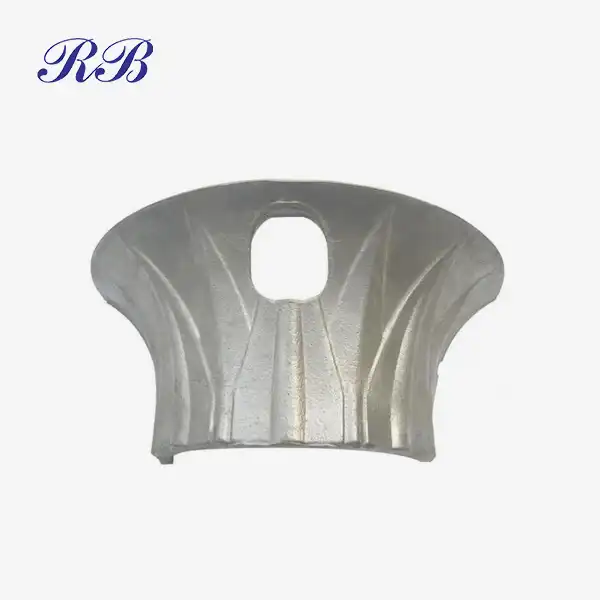
While DIY casting can be an exciting project, professional-grade cast instrument boxes require expertise and advanced manufacturing capabilities. Established in 2003, Rongbao Enterprise focuses on precise processing and casting of premium aluminum alloys. For cast instrument boxes and other aluminum components, Rongbao provides innovative and sustainable tailored solutions.
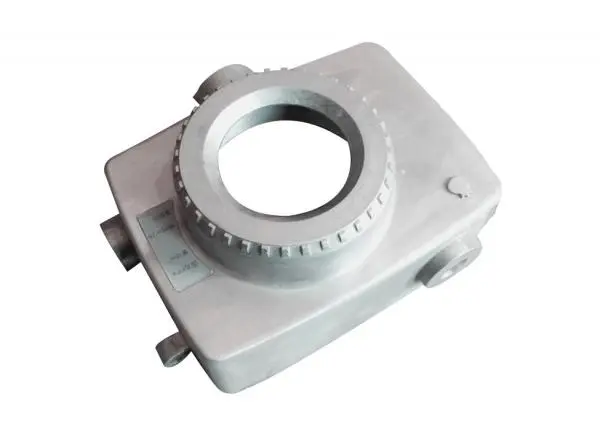
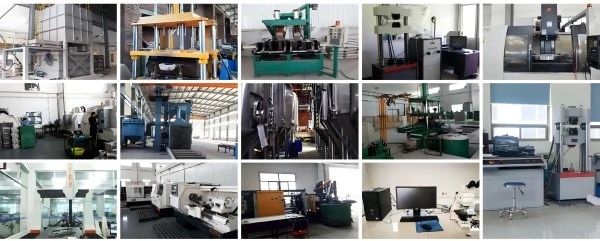
Rongbao's cast instrument boxes are produced using A356 aluminum alloy through gravity casting, ensuring excellent strength and corrosion resistance. Each box weighs approximately 1.1kg and undergoes rigorous quality control, including ISO9001:2015, ISO14001, and ISO45001 certifications. Precision and an excellent finish are guaranteed by the company's sophisticated CNC machining and shot blasting surface treatment.
For those seeking professional-grade cast instrument boxes or custom aluminum casting solutions, consider reaching out to Rongbao Enterprise. Their expertise in producing up to 5,000 pieces per order and ability to handle OEM/ODM projects make them an ideal partner for your casting needs. Contact them at steve.zhou@263.net or zhouyi@rongbaocasting.com to discuss your specific requirements and benefit from their years of experience in aluminum casting excellence.
FAQ
1. Can regular kinetic sand be used for aluminum casting?
No, regular kinetic sand is not suitable for aluminum casting due to its low heat resistance. You need to modify the sand by adding refractory materials and binding agents to make it heat-resistant enough for metal casting.
2. What safety precautions should I take when casting aluminum?
Safety is paramount when working with molten metal. Always wear appropriate protective gear, including heat-resistant gloves, a face shield, and fire-resistant clothing. Work in a well-ventilated area, keep a fire extinguisher nearby, and never pour water on molten metal. If you're new to metal casting, it's advisable to seek guidance from experienced casters or take a workshop before attempting it on your own.
3. How does the quality of DIY cast instrument boxes compare to professionally manufactured ones?
While DIY casting can be a fun and educational experience, professionally manufactured cast instrument boxes, like those produced by Rongbao Enterprise, typically offer superior quality, consistency, and durability. Professional manufacturers use advanced equipment, precise quality control measures, and have extensive experience in optimizing the casting process.
References
1. Brown, J. R. (2017). Foseco Ferrous Foundryman's Handbook. Butterworth-Heinemann.
2. Campbell, J. (2015). Complete Casting Handbook: Metal Casting Processes, Metallurgy, Techniques and Design. Butterworth-Heinemann.
3. American Foundry Society. (2021). Aluminum Casting Technology. AFS.
4. Kaufman, J. G., & Rooy, E. L. (2004). Aluminum Alloy Castings: Properties, Processes, and Applications. ASM International.
5. Beeley, P. (2001). Foundry Technology. Butterworth-Heinemann.
Learn about our latest products and discounts through SMS or email