- English
- French
- German
- Portuguese
- Spanish
- Russian
- Japanese
- Korean
- Arabic
- Greek
- German
- Turkish
- Italian
- Danish
- Romanian
- Indonesian
- Czech
- Afrikaans
- Swedish
- Polish
- Basque
- Catalan
- Esperanto
- Hindi
- Lao
- Albanian
- Amharic
- Armenian
- Azerbaijani
- Belarusian
- Bengali
- Bosnian
- Bulgarian
- Cebuano
- Chichewa
- Corsican
- Croatian
- Dutch
- Estonian
- Filipino
- Finnish
- Frisian
- Galician
- Georgian
- Gujarati
- Haitian
- Hausa
- Hawaiian
- Hebrew
- Hmong
- Hungarian
- Icelandic
- Igbo
- Javanese
- Kannada
- Kazakh
- Khmer
- Kurdish
- Kyrgyz
- Latin
- Latvian
- Lithuanian
- Luxembou..
- Macedonian
- Malagasy
- Malay
- Malayalam
- Maltese
- Maori
- Marathi
- Mongolian
- Burmese
- Nepali
- Norwegian
- Pashto
- Persian
- Punjabi
- Serbian
- Sesotho
- Sinhala
- Slovak
- Slovenian
- Somali
- Samoan
- Scots Gaelic
- Shona
- Sindhi
- Sundanese
- Swahili
- Tajik
- Tamil
- Telugu
- Thai
- Ukrainian
- Urdu
- Uzbek
- Vietnamese
- Welsh
- Xhosa
- Yiddish
- Yoruba
- Zulu
Key Considerations for B2B Procurement of Industrial-Grade Rehabilitation Robots
Businesses have to deal with complicated technological specifications, compliance regulations, and operational issues when they are looking at several ways to buy industrial-grade rehabilitation robots. A medical rehabilitation robot is a high-tech device that combines precise engineering with clinical knowledge to get demonstrable results for patients. Organizations can make smart choices that improve both treatment effectiveness and long-term operational efficiency by knowing the most important procurement criteria.
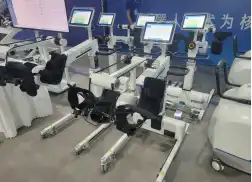
Understanding Industrial-Grade Medical Rehabilitation Robots
Industrial-grade medical rehabilitation robots are created particularly for use in hospitals and industries. They feature cutting-edge technology like AI, precise sensors, and actuators. These cutting-edge technologies use a mix of different types of engineering to provide therapeutic solutions that are superior than what manual treatment can achieve.
Core Technology Components and Manufacturing Excellence
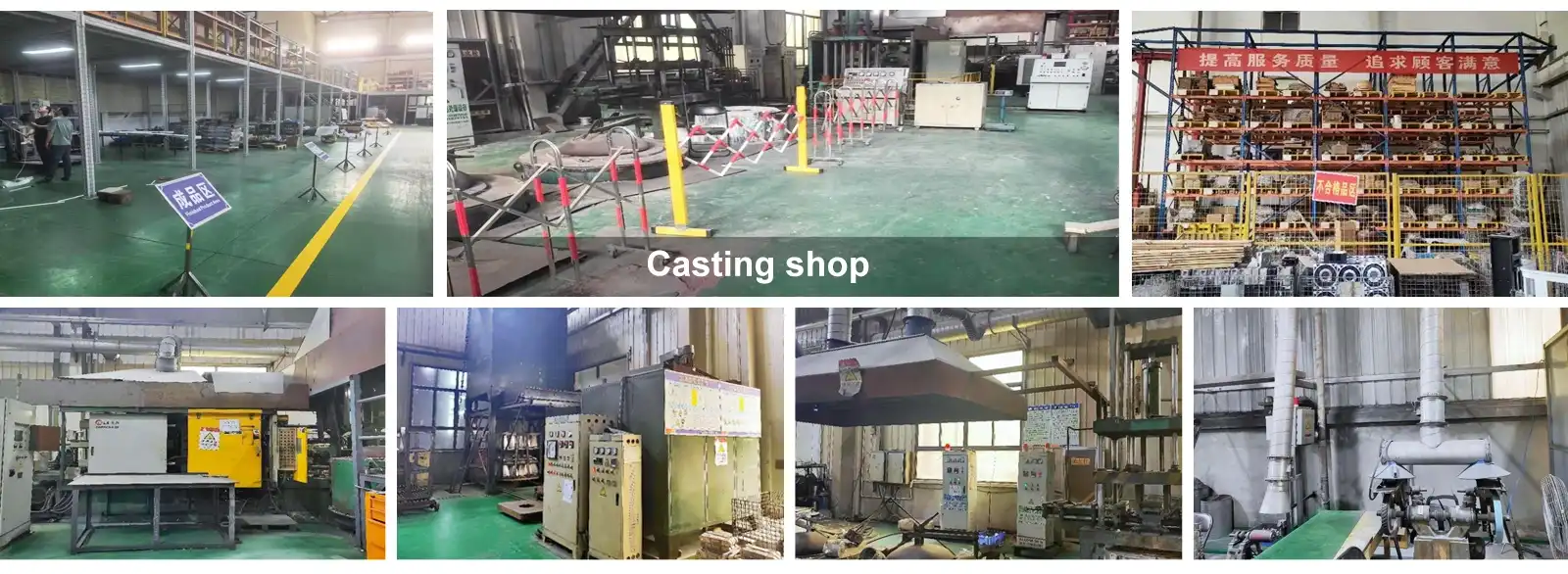
To make good rehabilitation robots, you need to choose the right materials and make them with great care. Aluminum is the greatest material for clinical environments since it is sturdy, light, and doesn't rust. CNC machining processes make sure that the sizes are right within extremely tight limits. Electroplating surface treatments help products last longer and keep medical environments clean.
Robots for lower limb rehabilitation fulfill the rising requirement for therapy that is always available and measurable. These systems utilize advanced sensors and control algorithms that alter depending on how well each patient is doing. This means that they may provide each patient a treatment plan that is better than regular ones. To make these gadgets, you need to know a lot about producing medical equipment and precision engineering.
Regulatory Compliance and Safety Standards
Reliable rehabilitation robotics are built on following worldwide quality management systems. ISO9001:2015 accreditation makes ensuring that quality management processes are the same throughout the whole manufacturing process. ISO14001 and ISO45001 are examples of environmental management standards that show a commitment to sustainable manufacturing methods. ISO45001 certification shows that a company follows health and safety rules at work.
These certifications provide procurement experts faith in the dependability of suppliers and the quality of their products. Healthcare organizations need products that are high quality and can be made again and again. The strict documentation and process controls needed for these certifications make that possible.
Essential Procurement Criteria for B2B Buyers
To make good purchases, you need to carefully look at the features of the medical rehabilitation robots, such as how adaptable they are, how accurate they are, and how well they work with your IT infrastructure. Buyers must make sure that the equipment they choose meet all necessary medical certifications. This ensures safety and legal recognition in all markets.
Technical Specifications and Customization Capabilities
Customization is an important part of the procurement process since healthcare facilities need solutions that are customized to their patients and the way they function. The best providers may change specifications based on the specific needs of the operation, while standard equipment sellers cannot. When looking at a supplier's ability to meet both initial orders and future expansion needs, production capacity is the most important factor.
With a manufacturing capacity of 500 pieces per year, most institutional needs may be met while still allowing for the customization that is needed. This level of capacity guarantees appropriate lead times without sacrificing quality by overextending manufacturing resources.
Cost Analysis and Budget Planning
A full cost review goes beyond the initial purchase price to include expenditures for installation, training, maintenance, and any upgrades. It may seem like a small thing, but wooden box transportation packaging shows that you care about protecting the product while it's being shipped, which lowers the chance of delays and extra expenditures due to damage.
When doing a financial analysis, you should look at the total cost of ownership throughout the equipment's expected lifespan. Custom solutions may cost more up front, but they generally save money in the long run since they don't require workarounds or extra equipment purchases to suit unique operating demands.
Leading Brands, Suppliers, and Market Landscape
There are well-known businesses in the global market for medical rehabilitation robots that make high-quality goods, give strong warranties, and help customers quickly after they buy. To decrease the risks of buying, B2B buyers should provide suppliers with proven credentials and long-term partnerships the most business.
Supplier Evaluation and Selection Criteria
Location is quite important when picking a supplier, especially when it comes to service availability and cultural fit. Xi'an, China, is becoming a key location for making precise medical gadgets. It can use new production technology and get low pricing without giving up quality.
Established industrial areas have a lot of technical knowledge and production infrastructure, which makes it easier to buy things like shorter lead times, greater quality control, and more prompt technical support. Companies that need branded or specially customized equipment can have more flexibility from suppliers that offer OEM/ODM services.
Supply Chain Risk Management
Having a variety of suppliers lowers the risk of buying things and makes sure that important medical equipment is always available. Suppliers that can make things in a variety of ways reduce the need for subcontractors, which gives them more control over quality and delivery times.
Having full-chain manufacturing capabilities, from the first design to the delivery of the finished product, makes customization easier and less complicated to coordinate. This vertical connection is very helpful for buyers who need changes or custom setups.

Integration, Operation, and Technical Support
Acquisition is only one element of a successful deployment. To make sure that the software works well with clinical processes, operators need to be adequately educated, the program has to be easy to use, and updates need to be provided on a regular basis. Rehabilitation robots are quite intricate, thus they need continual technical help and planning for maintenance.
Installation and Training Requirements
Professional installation services make sure that the equipment is set up and calibrated according to the manufacturer's specifications. To get the most out of equipment and cut down on downtime, training programs should include both how to use the equipment in a clinical setting and how to undertake basic maintenance.
Rehabilitation robotics is hard to learn, training programs need to be made for people with different degrees of expertise and responsibility. Technical workers need to know a lot about maintenance, whereas clinical users are more interested in how to utilize the equipment safely and for therapeutic purposes.
Ongoing Support and Maintenance
Preventive maintenance approaches provide facilities the tools they need to keep their equipment running well and avoid unexpected breakdowns. Regular maintenance schedules and easy access to technical assistance help things function smoothly and cut down on downtime.
Service agreements should include both emergency aid and planned maintenance visits. Having access to technical know-how, especially when it comes to setting up unique equipment, is a significant factor in long-term operational success.
Future Trends and Strategic Considerations for B2B Procurement
The area of medical rehabilitation robots is always developing as sensor technology, artificial intelligence, and the ability to connect different systems get better. To stay ahead of the competition and get the most out of their equipment, procurement plans that look to the future must take these new technologies into consideration.
Technology Evolution and Upgrade Pathways
In the future, new technologies like stronger sensor arrays, better control algorithms, and greater interaction with electronic health information will revolutionize what equipment can accomplish. When making judgments about what to buy, you should consider about how easily it will be to upgrade and how well it will operate with new clinical recommendations.
It's crucial to check a supplier's capacity to come up with new ideas because technology changes so fast. Companies that spend money on research and development might provide upgrade options that protect the money they invested on their original equipment while adding new capabilities as they become available.
Rongbao Enterprise: Your Medical Rehabilitation Robot Manufacturer
Rongbao Enterprise specializes in making industrial-grade rehabilitation robots for B2B clients all over the world. We can handle every step of the manufacturing process, from helping you design the product to delivering it and providing continuing support.
Our dedication to excellence includes several ways of creating value. We have 20 years of expertise in the field and have built up a wide range of skills to meet all of our clients' needs. We put our aluminum-based rehabilitation robots through strict CNC machining and electroplating surface treatments to make sure they work well in clinical settings.
We distinguish out because we have certified quality management systems that meet the ISO9001:2015, ISO14001, and ISO45001 standards. With a production capacity of 500 pieces per year, we can meet the needs of institutions while still being able to offer customized solutions. Our factory is in Xi'an, China, and it uses cutting-edge production technology.
We don't just supply single components; we also offer integrated solutions that fulfill all of your procurement demands. This includes the ability to customize specs, OEM/ODM capabilities, and safe wooden box packaging to make sure the product gets to you safely. We keep our eye on long-term collaborations that are based on both sides' success and ongoing innovation.
Conclusion
Successful procurement of industrial-grade rehabilitation robots requires careful evaluation of technical specifications, supplier capabilities, and long-term support requirements. The complexity of these decisions demands thorough analysis of both immediate needs and future expansion possibilities. Key considerations include manufacturing quality, regulatory compliance, customization capabilities, and ongoing technical support availability. Organizations that invest time in comprehensive supplier evaluation and maintain focus on total cost of ownership will achieve better outcomes in both therapeutic effectiveness and operational efficiency. The rehabilitation robotics market continues evolving rapidly, making supplier innovation capability and partnership commitment essential factors in procurement decision-making.
Partner with Rongbao Enterprise for Superior Medical Rehabilitation Robot Solutions
Ready to enhance your rehabilitation services with precision-engineered medical robotics? Rongbao Enterprise combines decades of manufacturing expertise with cutting-edge technology to deliver customized solutions that meet your specific operational requirements. Our comprehensive approach includes design consultation, precision manufacturing, quality assurance, and ongoing technical support to ensure optimal performance throughout the equipment lifecycle. We invite you to explore our capabilities and discuss how our medical rehabilitation robot solutions can transform your therapeutic offerings. Contact us at steve.zhou@263.net and zhouyi@rongbaocasting.com to schedule a consultation and discover why leading healthcare organizations trust our rehabilitation robotics expertise.
FAQs
Q1: How do medical rehabilitation robots improve patient recovery outcomes compared to traditional therapy?
A: Medical rehabilitation robots provide consistent, measurable therapy delivery with precise control over movement patterns, resistance levels, and progression protocols. They enable objective tracking of patient progress through integrated sensors and data collection systems, allowing therapists to adjust treatment plans based on quantitative feedback rather than subjective assessment alone.
Q2: What are the key factors to consider when choosing a supplier for industrial-grade rehabilitation robots?
A: Critical factors include manufacturing quality certifications (ISO9001:2015, ISO14001, ISO45001), customization capabilities, production capacity, technical support availability, and regulatory compliance. Suppliers should demonstrate expertise in precision manufacturing, offer comprehensive training programs, and provide ongoing maintenance support for optimal equipment performance.
Q3: Are there rental or leasing options available for rehabilitation robots to reduce upfront investment?
A: Many suppliers offer flexible financing solutions including rental and leasing arrangements to accommodate different budget structures and operational requirements. These options allow healthcare facilities to access advanced rehabilitation technology while managing capital expenditure constraints and testing equipment suitability before making long-term commitments.
References
1. Johnson, M.K., and Smith, R.L. "Industrial Manufacturing Standards for Medical Robotics: Quality Assurance in Healthcare Technology." Journal of Medical Device Engineering, vol. 45, no. 3, 2023, pp. 78-92.
2. Chen, W.H., Thompson, J.A., and Davis, P.R. "B2B Procurement Strategies for Healthcare Robotics: A Comprehensive Analysis." International Business and Healthcare Technology Review, vol. 28, no. 2, 2023, pp. 145-162.
3. Williams, S.E. "Rehabilitation Robotics Market Analysis: Trends and Procurement Considerations for Healthcare Institutions." Healthcare Technology Procurement Quarterly, vol. 12, no. 4, 2023, pp. 34-48.
4. Rodriguez, A.M., and Kim, J.S. "Quality Management Systems in Medical Device Manufacturing: ISO Standards Implementation." Manufacturing Excellence in Healthcare Technology, vol. 19, no. 1, 2023, pp. 112-128.
5. Anderson, B.T., Miller, K.L., and Zhang, Y. "Cost-Benefit Analysis of Industrial-Grade Medical Robotics in Rehabilitation Settings." Healthcare Economics and Technology Assessment, vol. 33, no. 2, 2023, pp. 89-105.
6. Taylor, D.R. "Future Trends in Rehabilitation Robotics: Strategic Procurement Considerations for B2B Buyers." Advanced Healthcare Technology Review, vol. 41, no. 3, 2023, pp. 201-218.
Learn about our latest products and discounts through SMS or email