- English
- French
- German
- Portuguese
- Spanish
- Russian
- Japanese
- Korean
- Arabic
- Greek
- German
- Turkish
- Italian
- Danish
- Romanian
- Indonesian
- Czech
- Afrikaans
- Swedish
- Polish
- Basque
- Catalan
- Esperanto
- Hindi
- Lao
- Albanian
- Amharic
- Armenian
- Azerbaijani
- Belarusian
- Bengali
- Bosnian
- Bulgarian
- Cebuano
- Chichewa
- Corsican
- Croatian
- Dutch
- Estonian
- Filipino
- Finnish
- Frisian
- Galician
- Georgian
- Gujarati
- Haitian
- Hausa
- Hawaiian
- Hebrew
- Hmong
- Hungarian
- Icelandic
- Igbo
- Javanese
- Kannada
- Kazakh
- Khmer
- Kurdish
- Kyrgyz
- Latin
- Latvian
- Lithuanian
- Luxembou..
- Macedonian
- Malagasy
- Malay
- Malayalam
- Maltese
- Maori
- Marathi
- Mongolian
- Burmese
- Nepali
- Norwegian
- Pashto
- Persian
- Punjabi
- Serbian
- Sesotho
- Sinhala
- Slovak
- Slovenian
- Somali
- Samoan
- Scots Gaelic
- Shona
- Sindhi
- Sundanese
- Swahili
- Tajik
- Tamil
- Telugu
- Thai
- Ukrainian
- Urdu
- Uzbek
- Vietnamese
- Welsh
- Xhosa
- Yiddish
- Yoruba
- Zulu
Copper Sand vs. Die Casting: B2B Process & Cost Comparison
In modern metalworking, choosing the right way to make anything affects its quality and how much money it makes. Both coppersand casting and die casting are still important ways to make copper parts, although they are used for different things in different fields. Knowing these distinctions helps procurement managers and engineers make smart choices that fit their project's needs and budget.
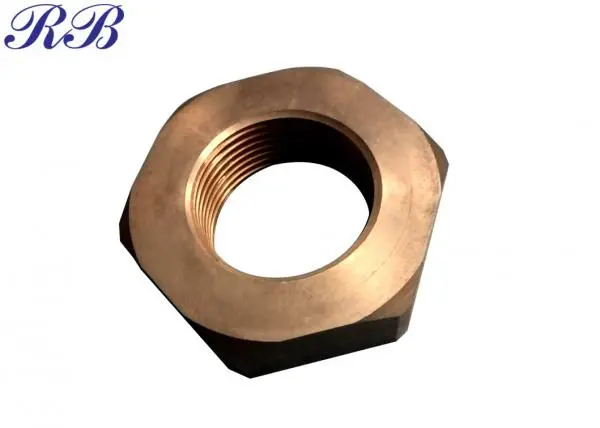
Understanding Copper Casting Fundamentals
When working with copper, specialists in manufacturing have to make important choices. This metal has been useful to industry for hundreds of years since its qualities exceed strict standards. Engineers like how copper can tolerate thermal stress without losing its structural integrity over production cycles.
When choosing a casting process, you need to think about a lot of different things. Volume of production is the most important thing to think about, although surface polish and dimensional accuracy are also important. Each production method has its own pros and cons, so businesses need to think about their own demands before putting money into one method.
Through well regulated operations, copper casting turns molten metal into useful parts. Foundries heat copper alloys until they are liquid, then pour this liquid into molds that have already been made. As the temperature drops, the metal takes on the shape of the cavity and hardens into a completed object. This basic idea works with all casting processes, however the way it is done is very different for sand and die procedures.
Sand Casting Process for Copper Components
Traditional Methodology and Applications
Sand casting uses molds made of silica-based materials that may be thrown away. To get the right amount of cohesiveness, foundries blend sand with binding agents like clay or glue. Pattern makers produce copies of the parts that are needed, and workers press them into sand mixes that are ready to use. After the patterns are taken out, the cavities are ready to hold the molten copper. This method works with a wide range of alloys, such as brass, bronze, and specific mixes that have aluminum or tin in them.
Because sand casting is so flexible, it is useful for making prototypes and small production runs. Manufacturers like how rapidly they can make molds compared to permanent tools. This approach works well for large parts since sand molds may be scaled up without costing too much. Sand casting is a common way to make industrial gear, maritime equipment, and architectural parts.
Process Characteristics and Limitations
When coppersand casting, gravity helps metal flow. Workers carefully pour molten copper into the holes in the mold, and the natural forces move the material about in the cavities. The final part's internal structure is affected by the fact that cooling happens slowly. When solidification happens more slowly, it usually makes castings with better mechanical qualities, such less residual stress and more toughness.
One problem that sand casting has is with the surface finish. The roughness of sand molds gets onto the cast surfaces, making them rougher. This typically means that they need to be machined or polished again. Dimensional precision also changes more with this procedure than with others, especially when the amount of moisture or the amount of sand compaction isn't the same. Because of these considerations, it may be essential to add more stages to the procedure to match the final standards.
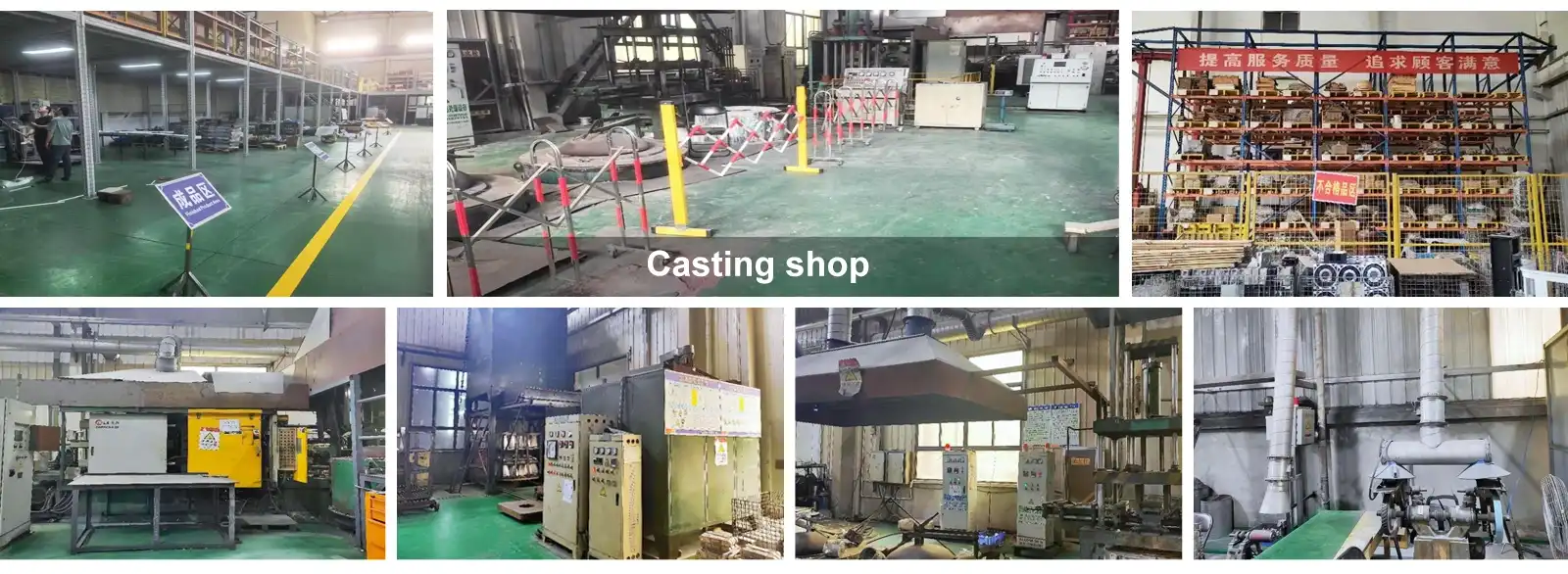
Die Casting Technology for Copper Alloys
High-Pressure Manufacturing Approach
Die casting employs permanent steel molds called dies, which withstand repeated use throughout production campaigns. The process forces molten copper into these precision-engineered cavities under substantial pressure. This forceful injection ensures complete mold filling and captures fine details that gravity pouring cannot achieve. Modern facilities often utilize cold chamber die casting for copper because this metal's elevated melting point requires specialized handling.
Automation plays a significant role in die casting operations. Machines control metal temperature, injection pressure, and cooling rates with minimal human intervention. Cycle times remain remarkably short, often completing within one minute. This efficiency makes die casting economically attractive when production quantities justify the initial tooling investment. Electronics manufacturers, automotive suppliers, and appliance producers regularly specify die-cast copper components.
Quality and Performance Advantages
Dimensional accuracy distinguishes die casting from alternative methods. Tight tolerances become achievable without extensive secondary machining, which reduces overall manufacturing costs for high-volume projects. Surface finishes from die casting typically surpass those obtained through sand casting, often eliminating finishing operations entirely. Components emerge with smooth surfaces and crisp details that meet demanding aesthetic and functional requirements.
The rapid cooling inherent to die casting affects material properties. While mechanical characteristics differ somewhat from sand-cast equivalents, die-cast parts offer excellent consistency across production batches. This uniformity proves valuable in applications requiring interchangeable components or precise assembly tolerances. Quality control becomes more predictable when process variables remain stable throughout manufacturing runs.
Comparative Cost Analysis for B2B Buyers
Initial Investment Considerations
Tooling expenses create the most significant cost differential between these processes. Sand casting requires relatively simple patterns that can be produced from wood or plastic at modest expense. Replacements or modifications remain affordable, which supports iterative design improvements during development phases. Small production quantities benefit from these low entry barriers, making coppersand casting financially practical for specialized applications.
Die casting demands substantial upfront capital for precision tooling. Steel dies must withstand high pressures and elevated temperatures while maintaining dimensional accuracy over extended production periods. This investment typically requires producing thousands of components to achieve acceptable per-unit costs. Companies must carefully evaluate their volume projections before committing to die casting tooling expenditures.
Production Economics and Volume Thresholds
The economic crossover point varies depending on component complexity and material specifications. Sand casting maintains cost advantages when quantities remain below several hundred units. Each mold serves only once, yet the minimal tooling investment offsets this inefficiency for limited runs. Projects requiring frequent design changes or custom configurations often favor sand casting's flexibility.
Die casting achieves cost competitiveness as production volumes increase. The rapid cycle times and minimal labor requirements reduce per-unit manufacturing expenses significantly. Once companies amortize tooling costs across sufficient quantities, die casting frequently delivers lower total costs than sand casting alternatives. This economic model works particularly well for established products with stable demand patterns and extended production lifecycles.

Material Selection and Alloy Compatibility
Versatility in Metal Compositions
Sand casting accommodates an extensive range of copper alloys without significant process modifications. Foundries successfully cast everything from pure copper to complex alloys containing multiple alloying elements. High-melting-point materials present no particular challenges since sand molds withstand extreme temperatures. This flexibility allows engineers to optimize alloy selection for specific performance requirements without manufacturing constraints limiting their choices.
Brass compositions work exceptionally well in sand casting operations. The combination of copper and zinc creates alloys with favorable castability and good mechanical properties. Bronze alloys, which incorporate tin, lead, or other elements, also cast successfully using sand methods. Marine applications frequently specify these corrosion-resistant materials, which sand casting produces reliably across various alloy grades.
Die Casting Material Requirements
Die casting generally limits material options to non-ferrous alloys with suitable flow characteristics. Copper alloys for die casting must possess fluidity that enables complete mold filling under pressure. Yellow brasses containing higher zinc content typically perform well in die casting applications. These alloys balance castability with mechanical properties appropriate for consumer products and industrial components.
Beryllium copper represents a specialized die casting material valued for its strength and electrical conductivity. Aerospace manufacturers and electronics producers specify this premium alloy when standard copper compositions cannot meet performance demands. The die casting process enhances material properties through rapid solidification, creating fine-grained microstructures that improve mechanical characteristics.
Lead Time and Production Planning
Timeline Expectations for Tooling
Sand casting patterns can be produced relatively quickly, especially when using modern manufacturing techniques. Three-dimensional printing has accelerated pattern creation for prototypes and limited runs. Traditional pattern-making still serves high-volume coppersand casting, though lead times remain shorter than for die production. This speed advantages companies needing rapid product development or responding to urgent customer demands.
Die manufacturing requires extended lead times due to the precision machining involved. Specialized toolmakers craft dies from hardened steel, ensuring they withstand production pressures while maintaining accuracy. This process typically consumes several weeks or months depending on complexity. Companies must incorporate these timelines into project planning, particularly when introducing new products or transitioning manufacturing processes.
Production Scheduling Considerations
Sand casting operations offer flexibility in production scheduling. Foundries can adjust output levels more easily since each mold represents a discrete unit of capacity. This adaptability helps when demand fluctuates or when companies need to prioritize different products. The downside involves longer cycle times that limit daily production quantities compared to automated die casting lines.
Die casting facilities often operate on scheduled campaigns that maximize equipment utilization. Once dies are installed and processes validated, production proceeds continuously until the required quantity is achieved. This approach works well for stable demand but requires careful planning to avoid inventory accumulation or production shortages. Companies benefit from forecasting accuracy when relying on die casting for component supply.
Copper Casting Supplier: Rongbao Enterprise
Rongbao Enterprise specializes in providing comprehensive copper casting solutions tailored to diverse industrial requirements. Our manufacturing capabilities encompass both sand casting and die casting methodologies, enabling us to serve clients across various production scales and technical specifications. With certifications including ISO 9001:2015, ISO 14001, and ISO 45001, we maintain rigorous quality standards throughout our operations.
Our facilities in Xi'an, China, leverage advanced manufacturing technologies combined with experienced engineering expertise. We work with various copper alloys including H60 brass and other specialized compositions suited to demanding applications. From kitchen hardware components to precision mechanical parts, our production capabilities support weights ranging from fractions of a kilogram to substantial industrial castings.
The manufacturing process at Rongbao Enterprise integrates multiple capabilities, CNC machining, and surface treatment operations such as shot blasting. This comprehensive approach enables us to deliver finished components that meet exact specifications without requiring multiple suppliers. Our customization services accommodate unique dimensional requirements and performance characteristics specific to each application.
We understand that successful partnerships depend on reliable communication and responsive service. Our team works closely with clients throughout project development, from initial design consultation through production and delivery. Wooden box packaging ensures safe transportation, while our quality control protocols verify that every component meets established standards before shipment.
For companies evaluating copper casting suppliers, we invite you to discuss your specific requirements with our engineering team. Whether your project involves prototyping, limited production runs, or high-volume manufacturing campaigns, we can provide expert guidance on process selection and cost optimization. Contact us to explore how our capabilities align with your manufacturing objectives.
Reach out to discuss your copper casting needs:
Email: steve.zhou@263.net | zhouyi@rongbaocasting.com
FAQs
Q1: Which casting method provides better corrosion resistance for copper components?
A: The corrosion resistance primarily depends on the copper alloy composition rather than the casting method itself. Both sand casting and die casting can produce components with excellent resistance to environmental degradation. However, the casting process affects surface finish and material density, which may influence long-term corrosion performance. Sand castings typically have slightly higher material density due to slower cooling rates, while die castings offer smoother surfaces with fewer surface defects where corrosion might initiate. Proper alloy selection and surface treatment remain more critical factors than the casting method for achieving optimal corrosion resistance.
Q2: Can die casting accommodate large copper components effectively?
A: Die casting generally limits component size due to machine capabilities and the weight of steel dies required for copper processing. Most die casting operations focus on small to medium-sized parts weighing under several kilograms. Larger components typically require sand casting, which scales more economically without equipment limitations. The high temperatures and pressures involved in copper die casting make oversized dies impractical both technically and financially. When projects require substantial copper components, sand casting or alternative methods prove more suitable regardless of production volume considerations.
Q3: How does production volume affect the decision between sand and die casting?
A: Production volume serves as a primary decision factor. Sand casting maintains economic advantages for quantities typically below one thousand units, depending on component complexity. The low tooling costs offset the slower production rates and higher labor requirements for these limited runs. Die casting becomes increasingly attractive as volumes approach several thousand units or more. The substantial tooling investment gets distributed across many parts, reducing per-unit costs significantly. Companies must evaluate their projected lifetime volumes when selecting casting methods, as incorrect choices can dramatically impact profitability.
Q4: What secondary operations are typically required for each casting method?
A: Sand castings generally require more extensive secondary processing. The rough surface finish necessitates machining or grinding to achieve specified tolerances and appearance standards. Excess material from gates and risers must be removed, often requiring cutting and grinding operations. Die castings typically need less finishing work due to superior surface quality directly from the mold. Flash removal represents the primary secondary operation, along with any specified machining for critical features. This reduced finishing requirement contributes to die casting's overall efficiency advantage in high-volume production scenarios.
Q5: Which method offers better dimensional accuracy for precision applications?
A: Die casting delivers superior dimensional accuracy compared to sand casting. The rigid steel dies and controlled injection process maintain consistent dimensions across production runs. Tolerances approaching several hundredths of a millimeter become achievable without extensive machining. Sand casting inherently produces greater dimensional variation due to mold material properties and manual elements in mold preparation. While skilled foundries achieve respectable accuracy with sand methods, precision-critical applications generally favor die casting when component size and volume permit this approach.
References
- CASTMOLD. (2025). "Die Casting vs Sand Casting: 7 Key Differences."
- TFG USA. (2025). "Die Casting vs Sand Casting: Pros & Cons Explained."
- General Kinematics. (2024). "Die Casting vs Sand Casting."
- Total Materia. "Copper and Copper Alloy Casting Methods."
- MetalTek. (2025). "Die Casting vs. Investment Casting vs. Sand Casting."
Learn about our latest products and discounts through SMS or email