- English
- French
- German
- Portuguese
- Spanish
- Russian
- Japanese
- Korean
- Arabic
- Greek
- German
- Turkish
- Italian
- Danish
- Romanian
- Indonesian
- Czech
- Afrikaans
- Swedish
- Polish
- Basque
- Catalan
- Esperanto
- Hindi
- Lao
- Albanian
- Amharic
- Armenian
- Azerbaijani
- Belarusian
- Bengali
- Bosnian
- Bulgarian
- Cebuano
- Chichewa
- Corsican
- Croatian
- Dutch
- Estonian
- Filipino
- Finnish
- Frisian
- Galician
- Georgian
- Gujarati
- Haitian
- Hausa
- Hawaiian
- Hebrew
- Hmong
- Hungarian
- Icelandic
- Igbo
- Javanese
- Kannada
- Kazakh
- Khmer
- Kurdish
- Kyrgyz
- Latin
- Latvian
- Lithuanian
- Luxembou..
- Macedonian
- Malagasy
- Malay
- Malayalam
- Maltese
- Maori
- Marathi
- Mongolian
- Burmese
- Nepali
- Norwegian
- Pashto
- Persian
- Punjabi
- Serbian
- Sesotho
- Sinhala
- Slovak
- Slovenian
- Somali
- Samoan
- Scots Gaelic
- Shona
- Sindhi
- Sundanese
- Swahili
- Tajik
- Tamil
- Telugu
- Thai
- Ukrainian
- Urdu
- Uzbek
- Vietnamese
- Welsh
- Xhosa
- Yiddish
- Yoruba
- Zulu
Key advantages of casing engine bearings adapted to water droplet channels
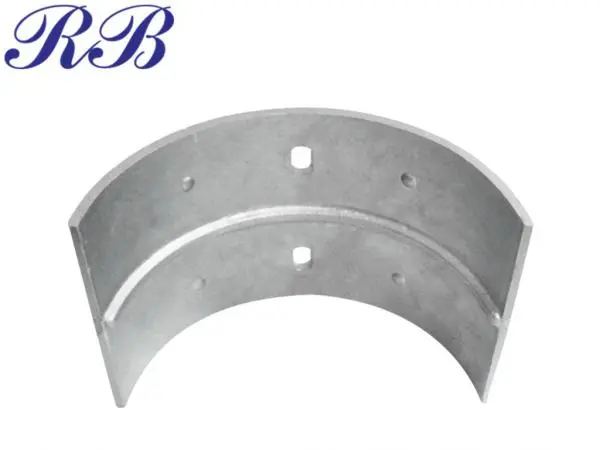
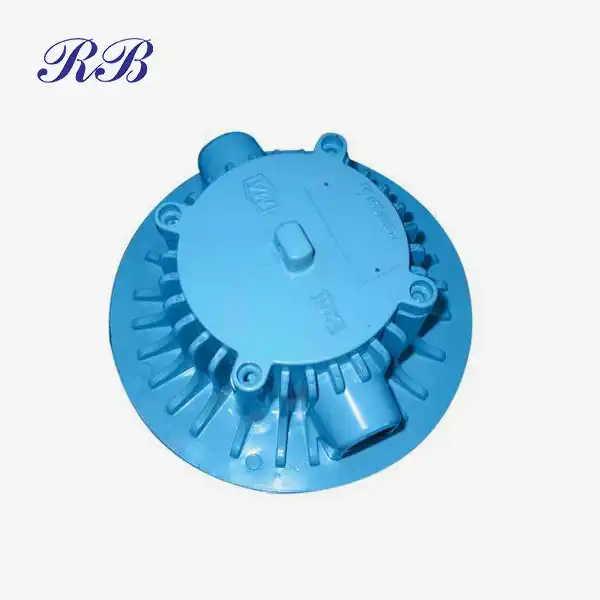
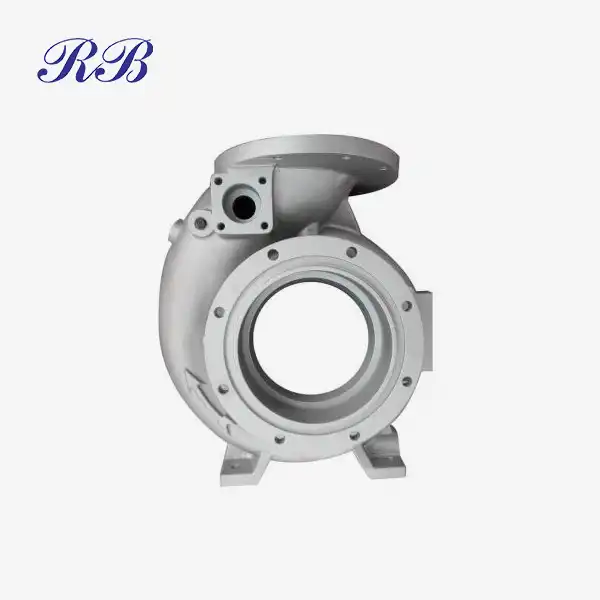
Rotating machinery in water service is regularly called upon to perform unexpected functions. A bearing may have to cope with dampness, repetitive movement, varied loads and restricted installation space while keeping the spinning shaft and its housing aligned. For a water droplet channel application these requirements put a special emphasis on material selection and dimensional correctness. Casting engine bearings can be a cost-effective choice when the design needs a cast aluminum part that can be modified and then machined to the specified specifications. The cast engine bearing of rongbao is used in water drop channel, and is made of ZL101A aluminum alloy by sand casting, CNC machining and shot blasting. OEM/ODM customization is also possible where the bearing geometry can be tailored around the customer’s equipment rather than the equipment having to fit a standard bearing size. The main value of this strategy is not the usage of aluminum per se. It’s a mix of a castable alloy, flexible manufacturing process, machining after casting and design for the application.” This combination can make casting engine bearings worth considering for water-related rotating machinery, for engineers and purchasing teams.
Material Selection for Water-Exposed Rotating Components
ZL101A is a sort of aluminum silicon magnesium casting alloy. It is commonly used in the designed castings. The material is castable, allowing for the production of somewhat complex designs, and the basic aluminum gives a lower density alternative to several conventional bearing and structural materials. ZL101A is a cast alloy with good castability, corrosion resistance, and usable mechanical performance, according to technical references. However, the qualities of a final component depend on its casting condition, heat treatment, geometry, and the applicable specification.
The difference is important for establishing a bearing for a path of a water droplet, as with casting engine bearings. The material classification should not be the only factor in deciding the service life. The real operating environment has not been factored in yet. The performance of a bearing can be affected by water chemistry, temperature, shaft speed, radial loading, installation accuracy, lubrication method, and contact circumstances.
The benefit of ZL101A is rather to be seen as a basis for material selection than a promise for performance. If the application is suitable for an aluminum alloy, the material can offer a realistic compromise between castability, weight, and technical performance. This is suitable for applications where a lighter cast part is needed and the bearing shape has to be produced in an economical way.
According to the product information of Rongbao, the material of the cast engine bearings for the water drop channels is ZL101A. The product information also states that the weight of one unit is approximately 0.22 kg. Of course, the ultimate weight of a custom design would depend upon the allowed drawing and dimensions.
How Sand Casting and CNC Machining Work Together?
Material selection is one aspect of bearing quality. The bearing must also meet the dimensional specifications of the shaft, housing, mounting location, and surrounding mechanism. This is where CNC machining and sand casting come in.
The sand casting process offers versatility in manufacturing cast aluminum parts with special geometries. This means the maker can create the general shape of the component through a casting process before machining the crucial surfaces instead of depending totally on a traditional machined block. This helps when the product has features like exterior features, mounting portions, cavities, or other geometry that are not efficient to produce completely by machining.
However, the casting stage should not be the last step of the precise bearing interface dimensioning. After casting, key surfaces can be machined to the approved drawing. CNC machining helps the maker to more accurately control dimensions, bore geometry, mounting features, and other functional surfaces than the raw casting process alone.
This is one of the most crucial items to be clarified before placing an order on casting engine bearings for the purchaser. The sketch should indicate which dimensions are crucial to operate and which can be left as-cast. Different inspection criteria may be required for bore diameter, shaft fit, exterior dimensions, mounting holes, width, concentricity, and surface requirements.
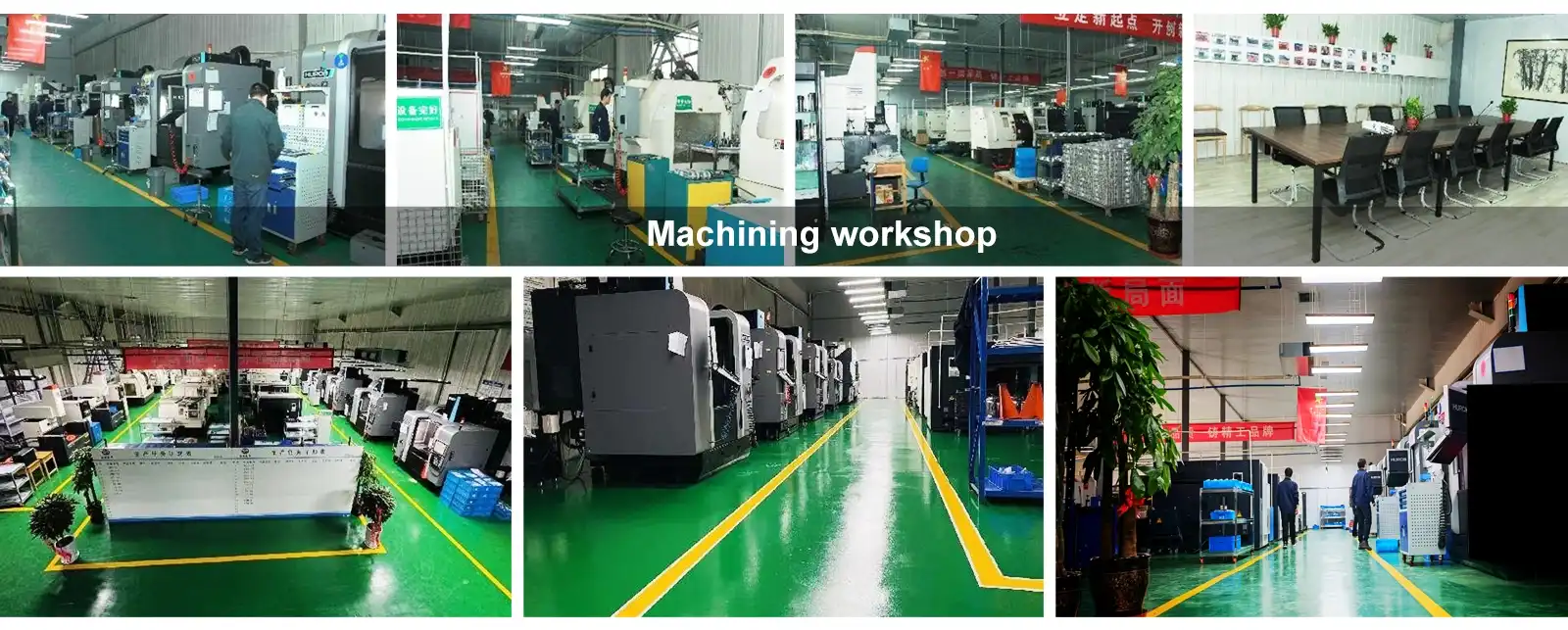
Rongbao uses cast engine bearings, which are sand cast and then CNC machined, with shot blasting used for surface treatment, according to published product information.
Dimensional Accuracy Matters More Than Material Alone
The geometry of a bearing must fit the mating parts. Even a bearing built of a suitable alloy can operate badly. Too much clearance affects movement and alignment while too little clearance causes interference in assembly or operation. Therefore, the machining and inspection steps should be discussed along with the material and casting process.
Dimensional parameters are correct for the customer's equipment. A tiny water-channel mechanism and a large rotating assembly will not necessarily have the same tolerance strategy. A responsible provider will not offer one general tolerance number but will analyze the customer’s drawing and determine which dimensions require tighter control.
“The method also enhances the communication of the purchase. Instead of requesting a quote on the phrase “aluminum bearing,” a buyer can provide the shaft diameter, bearing exterior diameter, overall width, mounting specifications, operating circumstances, quantity, and quality of material needed. The supplier then decides how to set the casting allowance and the CNC machining procedure.
The casting and machining phases are of particular importance for customized casting engine bearings. The basic geometry is given by the casting, and the functional surfaces by the CNC machining. The inspection should then verify those surfaces against the approved engineering print.
This is a more dependable approach than generalizing that there is a set machining tolerance that may not be relevant to all bearing designs.
Shot Blasting and Surface Preparation
The cast engine bearing product of Rongbao specifies shot blasting as the surface treatment. Shot blasting is a regularly employed method to clean and prepare cast metal surfaces by directing abrasive material at the component. Depending on the casting and the selected process parameters, it can aid in the elimination of surface residues and a more uniform look.
The surface treatment of a water droplet channel component should be considered together with the real and environmental requirements. Shot blasting should not be considered a substitute for a proper anti-corrosion coating, lubrication system, or wear resistance treatment. Those are different functionalities and have to be chosen according to the application.
If a project will be exposed to hostile water chemistry, salt, chemicals, or continual immersion, the buyer should communicate those conditions prior to production. The provider then has the option to decide if the base ZL101A material and specified surface treatment are adequate or if other protection should be considered.
This application-specific approach also avoids a typical misconception in procurement: that a general material property is an indicator of performance in every operational environment.
Custom Design Options for Different Water Channel Systems
The equipment used to route water droplets can vary quite a bit in terms of size and mechanical setup. The criteria for a bearing in a small mechanism may be quite different from those for a bearing in a larger rotating assembly. This is why the ability to customize is often more valuable than a one-size-fits-all offering.
Rongbao’s cast engine bearings are OEM/ODM products with customized specifications. Its stated product info also states a production capacity of 5,000 pieces and Xi’an, China, as the origin.
Customization for an OEM project may include overall dimensions of the bearing, bore size, exterior profile, mounting arrangement, and other features indicated on the customer’s drawing. The goal is to make the finished part fit the existing assembly, rather than forcing the customer to adapt the whole system around an off-the-shelf part.
Also, the material and manufacturing considerations need to be examined collectively. If the bearing has a specific section thickness or complicated shape, the casting design may have to provide for machining. If certain surfaces are to be held to more exacting dimensional tolerances, those regions should be defined before the pattern and process are finished.
This is where engineering communication directly impacts the quality of the final product. A clear drawing and application description provide the foundry with more information to work with and lessen the danger of manufacturing a part that satisfies a nominal material requirement but does not suit the customer’s real equipment.
Applications and Engineering Considerations
Rotating components made from cast aluminum find use in a number of applications, including water management equipment. If you are operating pump-related equipment, water-channel gear, irrigation systems, or other equipment running around moisture, you may need bespoke bearing or support parts. However, it is usually better to check applicability from real operating conditions rather than assume suitability from the application name.
Dimensional stability, corrosion considerations, mechanical loading, and servicing accessibility might be among the buyer’s priorities for municipal and industrial water systems. Having replacements available and the option to customize are also vital for agricultural equipment. The bearing may need to fit an existing machine, not a freshly developed system.
The weight of components can also be an essential design consideration in small fluid handling or bionic equipment. Aluminum casting should be considered when engineering requirements permit the use of a lower density material. The ultimate decision should be made based on the shaft material, the load, the speed, the lubrication, the exposure to the environment, and the service conditions required.
The point is that casting of engine bearings should be selected as a part of a full mechanical system. All that counts is material, geometry, machining, surface condition, shaft fit, and operating environment. A technically acceptable bearing is one that meets the full set of application requirements, not one that just employs a certain alloy.
What Buyers Should Confirm Before Ordering?
The quality of the purchase specification can directly influence the manufacturing outcome of a customized bearing. Buyers are requested to supply, if possible, a recent technical drawing showing the requisite dimensions, tolerances, material designation, surface requirements, and mounting details.
Operating information is helpful, too. Information such as shaft speed, approximate load, temperature, properties of the water or fluid, lubrication conditions, and predicted operation frequency will determine if the suggested design is adequate. If the component is exposed to salt water, chemicals, or other unexpected media, state this information instead of assuming it.
The inspection standards must also be agreed upon before production. Depending upon the application, the customer may want dimensional inspection records, material paperwork, or other quality documents. The specific scope of inspection should be as per the product drawing and purchasing specification.
This type of procurement strategy is especially significant when ordering casting engine bearings for repeat manufacture. After the approval of the first product, the final drawing, material specification, machining requirements, inspection criteria, and packing technique can be the reference for the next orders. This provides a more uniform basis for repeated manufacturing.
Rongbao's Manufacturing and OEM/ODM Capabilities
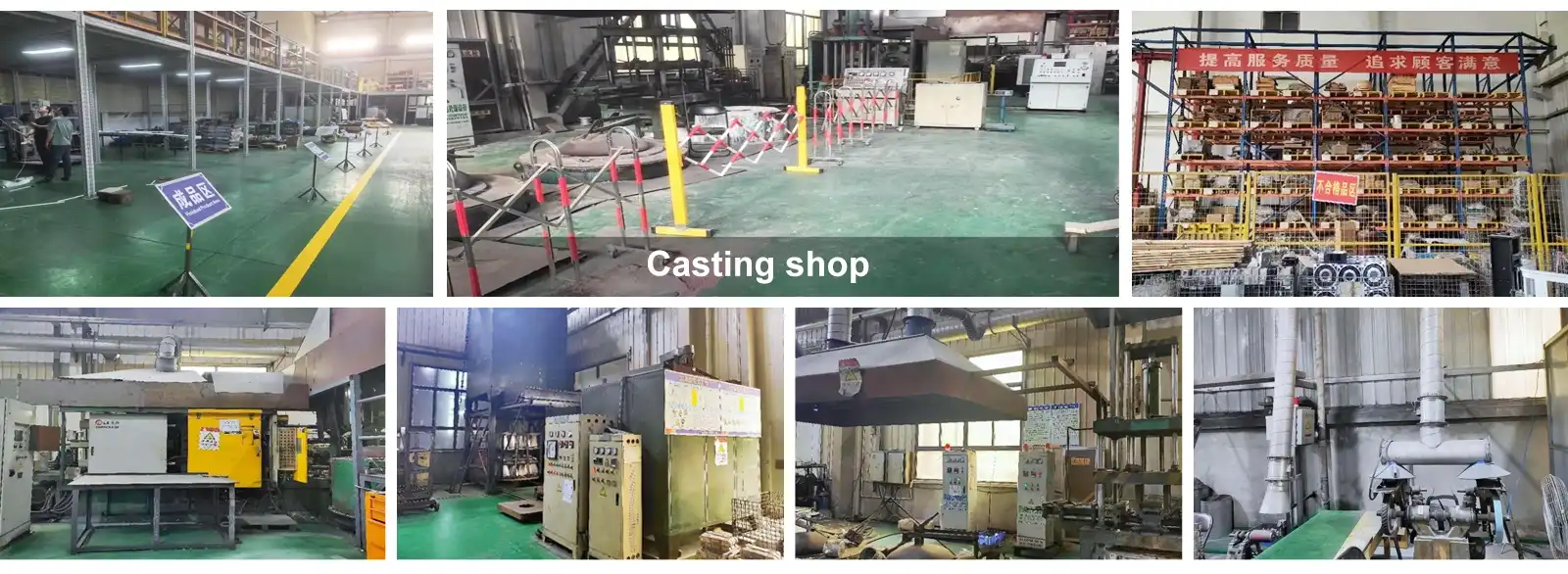
Founded in 2003, Rongbao Enterprise is a company specializing in aluminum alloy castings and precision-engineered components. Its advertised capabilities for manufacture include high-pressure die casting, low-pressure die casting, gravity casting, and precision machining. This provides a wider manufacturing base than the unique sand-casting technique used for the cast engine bearing product.
Rongbao’s product page shows ZL101A material, sand casting, CNC machining, shot blasting, OEM/ODM customization, and 5,000 pcs/month for the water drop channel bearing. This product is stated to be from Xi'an, China.
The company also lists ISO 9001:2015, ISO 14001, and ISO 45001 certifications on its product information, while its corporate page describes quality, environmental, and occupational health and safety management systems. Such certifications should be viewed as management-system certifications rather than as direct assurance that each and every individual bearing will meet some sort of mechanical or corrosion-performance specification.
Rongbao also estimates that almost 70% of its products are sold to regions such as the US, Europe, and Japan. For overseas purchasers, this gives a useful perspective in assessing a supplier’s experience in supplying components internationally.
The best place to start a new project is with the customer’s technical drawing and application details. Rongbao may then assess the material desired, casting route, CNC machining needs, surface treatment, and customized scope before quoting and producing.
Conclusion
The advantages of cast engine bearings for water droplet channel applications are attributed to synergistic effects of material selection, casting flexibility, precision machining, surface treatment, and unique engineering rather than a one material property. ZL101A provides a practical cast aluminum solution for situations where the material properties are compatible with the working environment. Sand casting allows tailored geometries to be produced prior to CNC machining to the required functional dimensions.
For buyers, the most critical stage is to examine the complete application rather than generalized performance claims. Before manufacture, factors such as shaft size, housing shape, load, speed, temperature, fluid conditions, lubrication, surface requirements, and inspection standards should be considered. Rongbao’s published ability to manufacture cast engine bearings, sand casting, CNC machining, shot blasting, and OEM/ODM customization gives a foundation to design components around those needs.
If you are sourcing a customized bearing for a water-channel mechanism, supplying the technical drawing and operating circumstances at the quotation stage can assist the manufacturer to more correctly analyze the design and develop a clearer production and inspection specification.
To learn more about our casting engine bearings for water droplet channels, please contact us by email at steve.zhou@263.net or zhouyi@rongbaocasting.com. We look forward to partnering with you to improve the efficiency and reliability of your fluid‑transport systems.
FAQ
1: How are these bearings different from standard industrial bearings?
These bearings are built for wet environments. They use ZL101A aluminum alloy, which resists corrosion better than common bronze or steel. They are manufactured to tighter tolerances (±0.01 mm) and receive a shot‑blasting surface treatment for extra fatigue life. The result is a component that works reliably when constantly exposed to water.
2: What are the primary benefits for a water‑droplet channel?
The benefits include high corrosion resistance, about 30 % weight reduction compared to bronze, precision fit that eliminates vibration, and a wide operating temperature range. Their durability reduces maintenance needs, and customization options allow engineers to match the bearing to the exact channel requirements.
3: Can the bearing be customized for a specific channel size?
Yes. OEM/ODM services let customers order bearings with inner diameters from 20 mm to 500 mm. The outer diameter and width can be scaled as needed. Engineers can also request internal oil grooves, spiral channels, or double‑loop designs to optimize performance.
4: Do the bearings require oil lubrication?
No. They are designed to work with water lubrication. Optional PTFE or graphite coatings further reduce friction and provide self‑lubrication, eliminating the need for oil in many applications.
References
- ASTM International. (2019). ASTM B117‑19 Standard Practice for Operating Salt Spray (Fog) Apparatus.
- Davis, J. R. (Ed.). (1993). Aluminum and Aluminum Alloys. ASM International.
- Hamrock, B. J., Schmid, S. R., & Jacobson, B. O. (2004). Fundamentals of Fluid Film Lubrication. CRC Press.
- International Organization for Standardization. (2015). ISO 9001:2015 Quality Management Systems — Requirements.
- Stachowiak, G. W., & Batchelor, A. W. (2013). Engineering Tribology. Butterworth‑Heinemann.
_1751074553490.webp)
Learn about our latest products and discounts through SMS or email