- English
- French
- German
- Portuguese
- Spanish
- Russian
- Japanese
- Korean
- Arabic
- Greek
- German
- Turkish
- Italian
- Danish
- Romanian
- Indonesian
- Czech
- Afrikaans
- Swedish
- Polish
- Basque
- Catalan
- Esperanto
- Hindi
- Lao
- Albanian
- Amharic
- Armenian
- Azerbaijani
- Belarusian
- Bengali
- Bosnian
- Bulgarian
- Cebuano
- Chichewa
- Corsican
- Croatian
- Dutch
- Estonian
- Filipino
- Finnish
- Frisian
- Galician
- Georgian
- Gujarati
- Haitian
- Hausa
- Hawaiian
- Hebrew
- Hmong
- Hungarian
- Icelandic
- Igbo
- Javanese
- Kannada
- Kazakh
- Khmer
- Kurdish
- Kyrgyz
- Latin
- Latvian
- Lithuanian
- Luxembou..
- Macedonian
- Malagasy
- Malay
- Malayalam
- Maltese
- Maori
- Marathi
- Mongolian
- Burmese
- Nepali
- Norwegian
- Pashto
- Persian
- Punjabi
- Serbian
- Sesotho
- Sinhala
- Slovak
- Slovenian
- Somali
- Samoan
- Scots Gaelic
- Shona
- Sindhi
- Sundanese
- Swahili
- Tajik
- Tamil
- Telugu
- Thai
- Ukrainian
- Urdu
- Uzbek
- Vietnamese
- Welsh
- Xhosa
- Yiddish
- Yoruba
- Zulu
Is sand casting versatile for aluminum parts?
Sand casting is versatile for aluminum parts. This type of aluminum casting pours molten alloy into a sand mold, so it handles small brackets and very large housings, simple shapes and complex cavities, and many alloy grades. Patterns and core boxes cost less than steel dies, which helps with prototypes, spare parts, and low to medium volumes. The trade-offs are wider as-cast tolerances and a rougher surface, so critical faces usually need machining. In this guide, I explain how the process works, where it fits, and how to decide whether it suits your part.
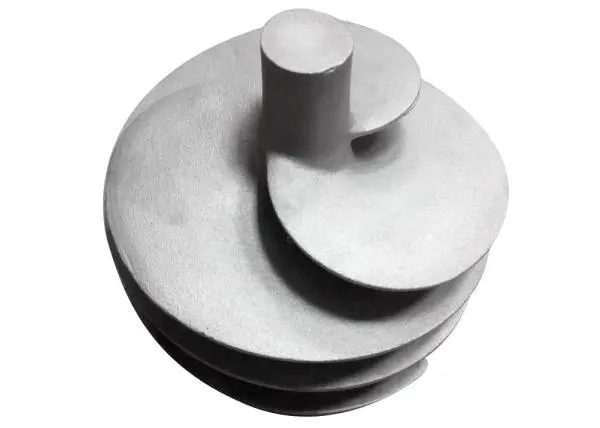
Understanding Aluminum Sand Casting for B2B Parts
I begin here because it is simple to decide what to do next when I fully comprehend how things work.
Why Aluminum Sand Casting Remains Relevant for B2B Parts
This method is still the best for OEMs, wholesalers, engineers, and buying teams because it can handle a wide range of part sizes, shapes, alloys, and order numbers. It can be used for tests and projects that need low to medium power, big housings, and new parts. It's not always the right answer, but it can be changed. Before I suggest a process, I look at the shape, tolerances, surface finish, annual volume, tool budget, lead time, mechanical needs, and machining needs. These things show if sand casting really does save money or if there is a simpler way to do it that will save more money in the long run.
What Is Aluminum Sand Casting and How Does the Process Work?
After the metal has been melted, it is put into a mold made of sand that has been chemically treated or stuck together. Foundries keep temperatures in check so they can melt, shape, and pour aluminum casting, which melts at 660°C (1,220°F). Going over the drawings is the first thing that needs to be done. The next steps are to make the mold and design, get the cast ready, melt the material, pour it, and let it set. Once the mold is smooth, it is cut to size and heated if needed. Machines then finish it, check it, and send it out. Complex cores make it more dangerous to look inside and use tools. Sand cores make passages and holes inside of things. We need to be able to keep a tight grip on the metal, make sure the melt is clean, and watch it as it gates, rises, cools, and is tracked.
Why Is Sand Casting Versatile for Aluminum Parts?
You can use sand to make parts of any size, from very small to very large, and with complicated shapes on the inside and outside. Standard grades of aluminum casting are one kind of casting metal that can be used with it. They often make brackets and housings for cars, bodies for pumps and valves, parts for boats and ships, enclosures, and parts that keep heat in. Most of the time, sand models and core boxes are cheaper than fixed metal tools. It is also easier to make changes to the plan while the tool is being made. That's important for research, small-batch production, and other tasks where speed isn't always the most important thing. Instead, it's tools that are easy to use and don't cost much to get started. This metal is useful because it doesn't rust, is only 2.7 g/cm³ thick, and moves heat and electricity well.
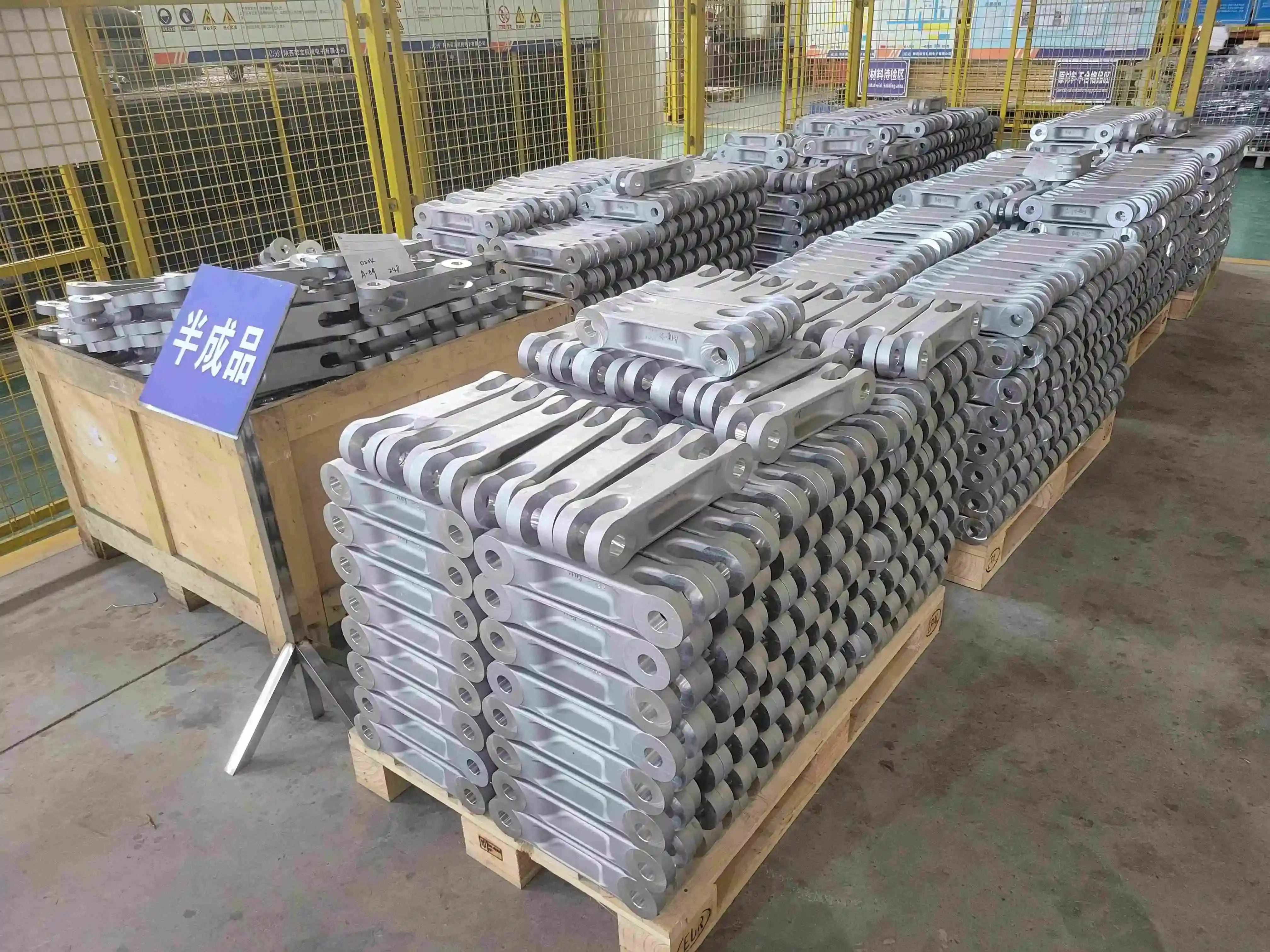
Strengths, Limits, and Method Comparison
Since one method doesn't always work, I look at the main ways to make things other than sand casting.
Where Does Aluminum Sand Casting Have Limitations?
Die casting, investment casting, fixed mold casting, and CNC cutting usually have tighter as-cast tolerances than aluminum casting. The outside is also rougher. The accuracy grades for aluminum casting are set by ISO 8062-3. Most of the time, sand casting has more types than die casting. There are times when CNC finishing and machining margins are needed for things like holes, sealing faces, datums, and mounting surfaces. Also look for cracks, gas holes, shrinkage, cold shuts, misruns, sand inclusions, and differences in size. These risks can be lowered by making good molds, melting them, letting them go, closing them, rising them, and checking them. If there are a lot of them or the walls need to be very thin, a different method might work better.
Aluminum Sand Casting vs. Other Manufacturing Methods
There is a different way for each method to balance the amount of tools, how much they cost, and how well they work. Sand casting can make bigger parts, the tools are cheaper, and it can be used for small to medium amounts. Steel molds are filled with liquid aluminum casting that is under a lot of pressure. This is called die casting. This is the best way to make a lot of precise, complicated parts with smooth, thin walls. For mold casting that lasts, metal molds are used over and over. For smooth, simple forms, this method works best. A light gas pressure fills the mold from below to cast something with low pressure. This helps keep the holes from being too many. CNC cutting is very accurate, but it needs more stuff. On the other hand, investment casting can make small parts with complex shapes. There is a cast-and-machined method that uses the low cost of a near-net form and gets useful details right.
How to Choose the Best Aluminum Casting Method for a Part
For starters, I'll talk about the conditions of work, which include chemicals, heat, vibration, damage, and corrosion. This is what the metal and the process are based on. I then check the part's size, wall thickness, cores, draft, undercuts, and machine datums to make sure it can be made. What you can see about the value of set vs. variable sand tooling is how much work is done and how the designs change each year. For designs that don't change much, steel dies might work better. For designs that change a lot, sand casting might work better. I check not only how much it costs for the aluminum casting, but also how much it costs to cut, finish, test, and ship. Any provider worth their salt will show you data from production and checks to back up the process ideas they give you.
Design, Alloys, and Quality Control
I start with the drawing when I want to do well. After that, I talk about design rules, picking a metal, and stopping flaws.
Aluminum Casting Design Guidelines for Sand-Cast Parts
Tools that are well-made are easy to use and don't break down as often. There should be about the same amount of space between the walls. If you want it to be stiff, use ribs instead of heavy parts. This will make it easy for the pattern to come off and the metal to move. Make sure there are enough filets, the right draft angles, and a thought-out splitting line. Hold the core in place and let air flow through the holes. Plans should be able to get smaller, and only the machine stock needed for useful areas should be used. Enough should be fed and filled through a gate or set of steps. Take notes on the drawing about important things such as sizes, datums, porosity limits, material needs, testing, and acceptance criteria. This way, both the buyer and the foundry will know what to expect.
Aluminum Alloys, Heat Treatment, and Post-Processing
It is best to choose an alloy that is strong, flexible, doesn't rust or wear down easily, can be welded or machined, can handle heat well, and can be worked with at the right temperature. When we sand cast, we use A356.0 and other grades of aluminum-silicon a lot. Aluminum castings are covered by ASTM B26/B26M. Some metals are treated with a solution, and then they are cooled, aged, or given stress release. The process must be done in a way that is right for the metal and its thickness. It is important to be extra careful when handling electrical parts made of cast aluminum-silicon alloys because they don't conduct electricity as well as pure aluminum. I believe that the conductivity goal should be written on the picture. After the part is cast, a CNC machine cuts out the holes, threads, and sealing faces. The surface is then protected by shot blasting, powder finishing, anodizing, or sealing. When you test for hardness, pressure, measurement, and leak, you always find the same thing.
How to Prevent Aluminum Casting Defects and Improve Quality
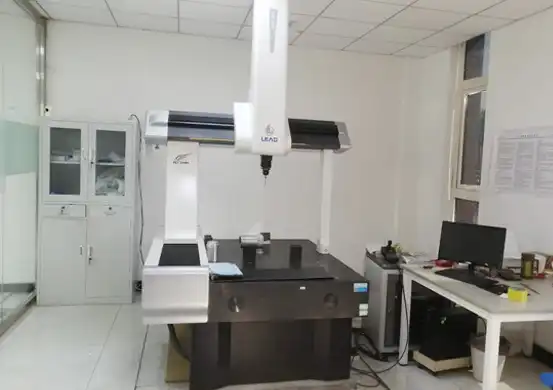
The first thing that can be done to avoid bugs is to look over the plan before using the tools. The person selling should think about the metal, how clean the melt is, the filling temperature, the steps, the stairs, the mold's strength, the amount of wetness, how permeable it is, the core's condition, and the venting as a whole. It's important to get rid of the gas because hydrogen is easy to mix with aluminum casting. Filtering, treating carefully, and keeping the flow low are some other ways to cut down on hydrogen and oxide flaws. Checks based on sight and size work well for small parts. The best ways to test large parts are with a CMM, an X-ray, a CT scan, pressure, or mechanical testing. You should keep an eye on trends in flaws as part of a written control plan. This way, you can make changes and check the results of both the first and second production runs.
Cost, Applications, and Sourcing
When I source, I look at whether the supplier is technically a good fit, how much it will cost, and how quickly they can do the job.
Cost, MOQ, and Lead-Time Considerations for Custom Aluminum Castings
What determines the price is the size, weight, yield, pattern or core-box complexity, number, machining, heat treatment, finishing, inspection, packing, freight, and sending way of the aluminum casting. Price per kilogram doesn't show waste, processing, or transportation, so it doesn't fully describe what's going on. See if the prices are different for the sample, the unit, the cutting, and the finishing. The MOQ depends on how big the melt batch is, how long it takes to set up, what tools are available, and how much can be melted. There could be choices for trials, pilots, and planned launches. Break the lead time up into steps, such as planning, making tools, sampling, getting permission, making the product, inspecting it, and sending it out. If you look at heavy machinery projects like this, where one late aluminum casting can stop the whole thing, it's a lot easier to make a plan.
Recommended Applications for Aluminum Sand Casting
Sand casting can be used to make covers, housings, manifolds, pump bodies, valve bodies, gearbox housings, machine parts, cases, and extra parts out of aluminum castings. To use them in the sea, you might need coatings, alloys that don't rust, and checks to see if they leak. Some heat sinks can also be made of cast aluminum if the wall thickness, shape of the fins, and treatment of the surface are all well thought out. Parts that are meant to keep people safe in cars and airplanes usually need tighter licensing, tracking, and non-destructive testing. When people buy tools to move and change power, they often look for conductor fits, flanges, and connections. The process and alloy used depend on how well they transfer energy, how strong they are, how well they don't rust outside, and how accurate their measurements are.
How to Prepare an Aluminum Casting RFQ for Global Suppliers
The supplier can give you a correct quote and advice on how to do things best if you have a full RFQ. It's important to include 2D and 3D models, metal standards, the annual volume, the number of the first order, the expected weight, key tolerances, surface finish, heat treatment, coating, inspection needs, the shipping location, the goal schedule, and the metal standards. What are the different parts of the supplier's quote? For example, what are the unit price, MOQ, wait time, packing, shipping, payment terms, and how long the quote is good for? Then look at how the metal is cast, how strong it is, how easy it is to machine, how well the porosity is managed, how easy it is to keep track of, the inspection reports, and how changes made by engineers are handled. Suppliers who cast, cut, and finish in the same place cut down on the number of times parts need to be handed off and communication is interrupted.
Final Decision Guide for Your Aluminum Part
I am now putting all of these things together to make a smart choice.
Is Sand Casting the Right Choice for Your Aluminum Part?
It is best to use sand casting for parts that are medium to large, have a hard shape, are built in small to medium amounts, or are likely to change. It works when you only need to make a few of the important parts and don't want to spend a lot of money on tools. If you need to make a lot of stable, thin-walled parts with a smooth finish over and over, it may cost less to die cast them. CNC milling is the best way to make small parts that need to fit together very precisely. An investment cast is the best way to make big parts with lots of small features. For many OEM systems, sand casting gives them the most accurate shape for the end part. After this, the first item will be heated, cut, finished, and checked.
What Power Transmission Buyers Should Verify
I think you should check four things about a source before you approve it. If a part fails on a casting that has to do with the grid, it can stop service. First, look at the picture and see if it matches the metal's chemistry and how it conducts electricity. Second, make sure you know what happened on the driving test. Third, make sure that the material won't rust so that it can be used outside. Fourth, ask for records that show measures of the traits that work well together. Make sure the seller has management system certificates, like ISO 9001, and can send you samples to test for type or acceptance. Also, make that bigger right away because big casts need space to melt and move the metal. It's faster and safer for everyone if there are clear written rules for taking part.
How Rongbao Enterprise Supports Casting Decisions
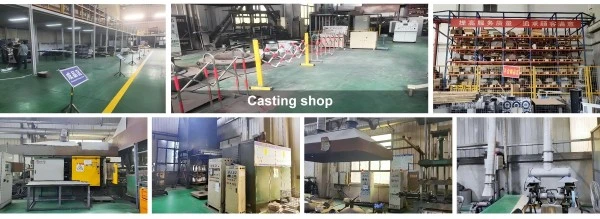
Aluminum casting has been done by Rongbao Enterprise for 20 years, and they can do any job. Everything we do to make something is done in-house, from coming up with the idea to finishing it. High-pressure die casting, low-pressure die casting, gravity casting, precision machining, model development, and surface treatment are some of the processes that fall under this heading. Everything is checked, from the raw materials that come in to the things that are given. We have ISO9001, ISO14001, and ISO45001 certifications. About 70% of our goods are sold in the US, Europe, and Japan. We give the customer a clear answer after comparing these process routes to their tolerance, volume, and cost goals when they send us a drawing.
Conclusion
Many metals can be used to create aluminum castings that are very small, very large, have complex forms with cores, or are all of these things. Making the models also costs less than buying steel tools. It has flaws like pores and shrinking, and the edges are wider and the surface is rougher when it was first cast. When you design well, control the melt, cut, and check, you can lower these risks. When you need to make more or better pieces, CNC cutting, die casting, set mold, low-pressure, and investment casting are all better. It's not enough to just look at the weight to choose the best one. Along with the conditions of use, you should also look at the shape, size, metal, heat treatment, and total cost. There are also checks for conductivity and corrosion in the electricity parts. If there is a full RFQ with standards, models, and acceptance criteria, providers can tell you how to do things in the best way possible.
FAQ
Can sand casting make complex aluminum parts?
Yes. Since sand cores are made up of holes, slots, and openings, they can be shaped in many ways. As I prepare to rate, I look at the picture to make sure the core is stable, air moves, and the numbers are correct. This is because it can be harder to make and check tools with complicated cores.
Is sand casting cheaper than die casting?
For prototypes, big parts, and small-scale projects, steel dies cost more than sand tools. When you cast a lot of parts at once, the cost per part is often less. This is because the parts can be made over and over again and the cycle times are shorter. Checking and cutting are also part of the price.
What tolerances can I expect?
But the outside of sand casts is rougher than the outside of die casts. The tolerance grades for casting are set by ISO 8062-3, and CNC machining ends up with the important slots, sealing faces, and mounting points. On the model, write down the limits so the seller knows how much stock to add for cutting.
What information do I need for an accurate quote?
Send 2D and 3D CAD files, along with the alloy and standards, the annual volume, the first-order quantity, the tolerances, the surface finish, the heat treatment, and the inspection needs. What makes the project work in the end are the brand, the application, the skills of the service, and the standards that need to be met.
Request a Custom Aluminum Casting Evaluation from Rongbao Enterprise
There is a company called Rongbao Enterprise that sells aluminum castings. In line with ISO9001, ISO14001, and ISO45001, they are authorized to carry out precision grinding, high-pressure die casting, and low-pressure die casting. They've been in business for 20 years. Our team will look at your plans, the amount you give them, and the alloy to figure out the best way to make the part. You can email them to steve.zhou@263.net or zhouyi@rongbaocasting.com. To learn more, visit rongbaocasting.com.
References
- ASM Handbook, Volume 15: Casting, ASM International, 2008
- Aluminum Alloy Castings: Properties, Processes, and Applications, ASM International, 2004
- ASTM B26/B26M Standard Specification for Aluminum-Alloy Sand Castings, ASTM International, 2018
- ISO 8062-3 Geometrical Product Specifications (GPS) – Dimensional and Geometrical Tolerances for Moulded Parts, International Organization for Standardization, 2007
- Casting Design and Performance, ASM International, 2009
- Aluminum: Properties and Physical Metallurgy, ASM International, 1984
Learn about our latest products and discounts through SMS or email