- English
- French
- German
- Portuguese
- Spanish
- Russian
- Japanese
- Korean
- Arabic
- Greek
- German
- Turkish
- Italian
- Danish
- Romanian
- Indonesian
- Czech
- Afrikaans
- Swedish
- Polish
- Basque
- Catalan
- Esperanto
- Hindi
- Lao
- Albanian
- Amharic
- Armenian
- Azerbaijani
- Belarusian
- Bengali
- Bosnian
- Bulgarian
- Cebuano
- Chichewa
- Corsican
- Croatian
- Dutch
- Estonian
- Filipino
- Finnish
- Frisian
- Galician
- Georgian
- Gujarati
- Haitian
- Hausa
- Hawaiian
- Hebrew
- Hmong
- Hungarian
- Icelandic
- Igbo
- Javanese
- Kannada
- Kazakh
- Khmer
- Kurdish
- Kyrgyz
- Latin
- Latvian
- Lithuanian
- Luxembou..
- Macedonian
- Malagasy
- Malay
- Malayalam
- Maltese
- Maori
- Marathi
- Mongolian
- Burmese
- Nepali
- Norwegian
- Pashto
- Persian
- Punjabi
- Serbian
- Sesotho
- Sinhala
- Slovak
- Slovenian
- Somali
- Samoan
- Scots Gaelic
- Shona
- Sindhi
- Sundanese
- Swahili
- Tajik
- Tamil
- Telugu
- Thai
- Ukrainian
- Urdu
- Uzbek
- Vietnamese
- Welsh
- Xhosa
- Yiddish
- Yoruba
- Zulu
How to make casting sand?
To make casting sand for sand casting, I start with clean, graded silica sand, mix in a binder such as bentonite clay, add a controlled amount of water, and blend everything in a muller until each grain carries a thin, even coating. For cores, I swap the clay for a chemical binder that cures in the core box. Before the sand reaches the molding line, I test moisture, strength, and permeability. The order matters because the sand forms the mold cavity, which shapes surface finish, gas escape, and dimensional accuracy.
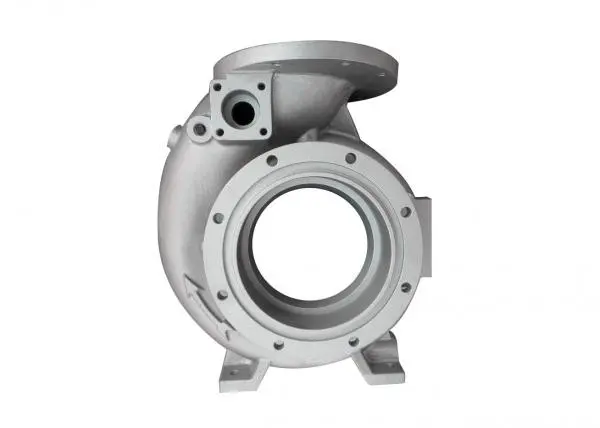
Foundries use several grades in one mold. Facing sand touches the pattern and shapes the surface, backing sand fills the rest of the flask, and core sand forms internal cavities. Beach or construction sand does not work, because its grain size, cleanliness, and moisture vary too much. Sand casting produces a large share of the world's metal castings, so sand control directly affects scrap rate, price, and consistency for aluminum, iron, steel, and copper alloy parts such as pump bodies, valves, and automotive components.
Understand Casting Sand Types and Ingredients
Green Sand, Dry Sand, and No-Bake Systems
To make green sand, things that are high in carbon are sometimes added along with aggregate, bentonite, water, and other things. There are lots of people who do this because it's cheap and can be used over and over. Before they are poured, molds made of dry sand are baked. The heavy parts are now stronger and keep their shape better. If you don't bake the items, the chemical glues harden at room temperature. That is, they work well for sample casts, hard casts, and casts with a low volume. I usually pick the method based on the number and size of the parts: no-bake for short runs or lots of small parts, green sand for repeat orders.
Silica, Zircon, Chromite, and Ceramic Aggregates
Silica sand is often used as grit because it is cheap and simple to find. At about 1,700°C, it melts. It grows a lot when it gets hot, which can make lines in some molds. Zircon and chromite are used as facing sand on steel or thick parts in foundries. It costs more, but they don't grow as much and take heat from metal faster. This type of gravel has round grains that don't spread out as much, but it costs more than other kinds. They also come back well. It also turns into dust that you can breathe in. OSHA says that workers can only be in a room with 50 or more crystalline silica particles for eight hours at a time.
Ingredients and What Each One Does
The surface finish and the number of pores are both affected by the shape and how the grains are spread out. Gas can leave your body because of permeability. If you pack something, round grains spread the weight out better, but pointed grains stick together and make it stronger. Bentonite is used for green power. When you add water to clay, it starts to bubble. This lets the air out and makes it easy to shape. Sea coal adds a carbon film to iron casts, and cellulose and wood flour help sand grow. I never use the same method twice. It depends on the metal, its shape, and the finish I want to get. Things change.
How to Make Green Sand and Core Sand?
Preparing Green Sand Step by Step
First, I sort the base sand and look for fines, clay balls, and other things that shouldn't be there. For a short time, I run the muller and add bentonite and dry additives. Then I make a dry blend. I slowly add water so that the clay can cover the grains over time. A good muller does more than just move the sand around. There isn't a table with exact amounts, so you have to test the sand to be sure. Most green sand is made up of water (2.2%) and bentonite (4.4% to 10%). While the batch is still being mixed, I check a sample that has already been put together.
Managing Reclaimed Sand
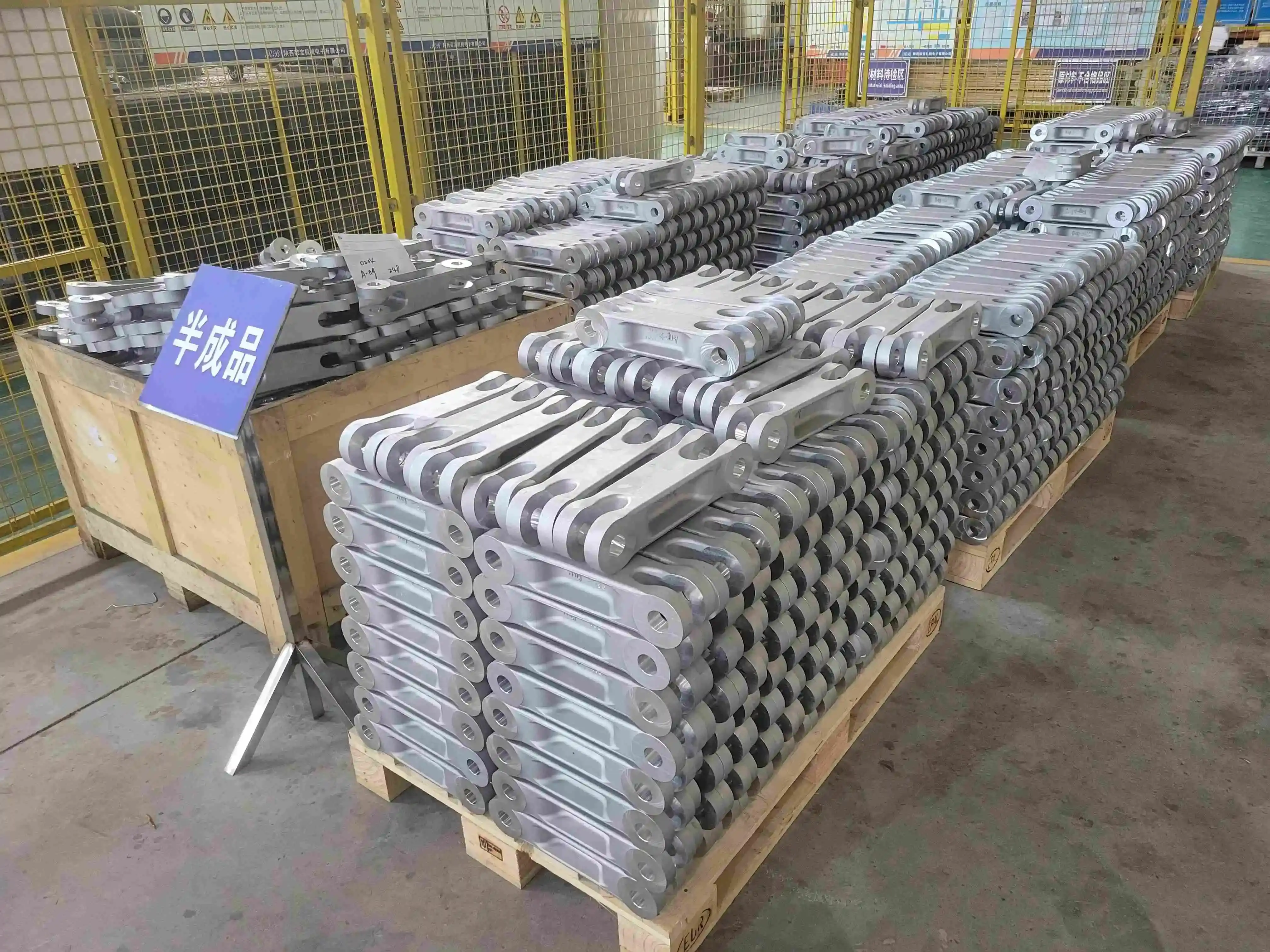
Many used sand casting are used in foundries, so they need to be checked often. The heat burns away the clay and other things. You get a fine, and the amount of water you need changes every week. If I don't notice those changes, molds get weak or gassy. I keep track of how much clay is there and how much burns off to make sure the properties are right. After that, I add a little more glue and sand every day. After the sand is put back down, it is cooled to keep the amount of water in it stable. Metal and lumps are screened out. This way, the mold doesn't get worse and the cost stays cheap.
Making Core Sand for Internal Cavities
Because the cores go through hot metal, the core sand needs to be stronger than the mold sand. However, it still needs to be able to break apart when the mold is used. Oil, sodium silicate, furan glue, and phenolic urethane are some of the things that people use to keep things together. Put the glue you chose and clean, dry gravel into the core box. Then I check the core and coat it if the metal needs it. I put it in the mold after letting it air out. When you use a different type of binder at work, it changes its power, curing time, gas, ability to break, and fumes. The most important thing for cores in engine parts like valve bodies, pump housings, and more is that they need small holes inside them.
Sand Casting Mold-Making and Metal Selection
From Pattern to Poured Mold
Before you can cast something in the sand casting, you need to get it ready. You can change how good the mold is by changing the draft angles (often 1 to 3 degrees), splitting lines, core prints, and files. After the cores are set and a locking system is added, the factory closes the mold. In the cope and drag, sand is packed around the design. To pack things down, you can use different kinds of lines, like jolt-squeeze, hydraulic, and automatic lines. Before I pour, I check the cores, runners, gates, risers, and vents. The mold is shaken, more sand is added, it is blasted, shaped, and after it's set, it is checked.
Matching Sand to Aluminum, Iron, and Steel
Molds must be able to choose how much water to hold, let air flow easily, and have smooth surfaces to avoid gas flaws in order to be helpful. This is the case because it pours at around 700 to 750°C. It needs to be between 1,350°C and 1,450°C for gray iron. For steel, it needs to be heated even more. So, they need to be better shaped, able to handle heat better, and not burn or go through metal. Zircon or chromite face works well for heavy steel pieces. Also, green sand goes well with brass and metal. What size it is is also important. Making the same thing over and over with green sand is easy. No-bake molds, on the other hand, are great for making parts of any size.
When Another Casting Method Fits Better
In sand casting, you can make big parts or models without any special tools. But the measurements and finish on the surface aren't as good as with die casting, and parts need to be made a lot. Many thin-walled die-cast parts could be made in the same way for less money. To make small parts with lots of small features, an investment cast works well. Either high-pressure casting or low-pressure casting can be used to make many metal parts. Right here at Rongbao Enterprise, we don't just push one process. We look at your picture and see how these ways match up with the one you chose. We can precisely machine, do high-pressure die casting, low-pressure die casting, and gravity casting.
Testing, Quality Control, and Defect Prevention
Core Sand Tests
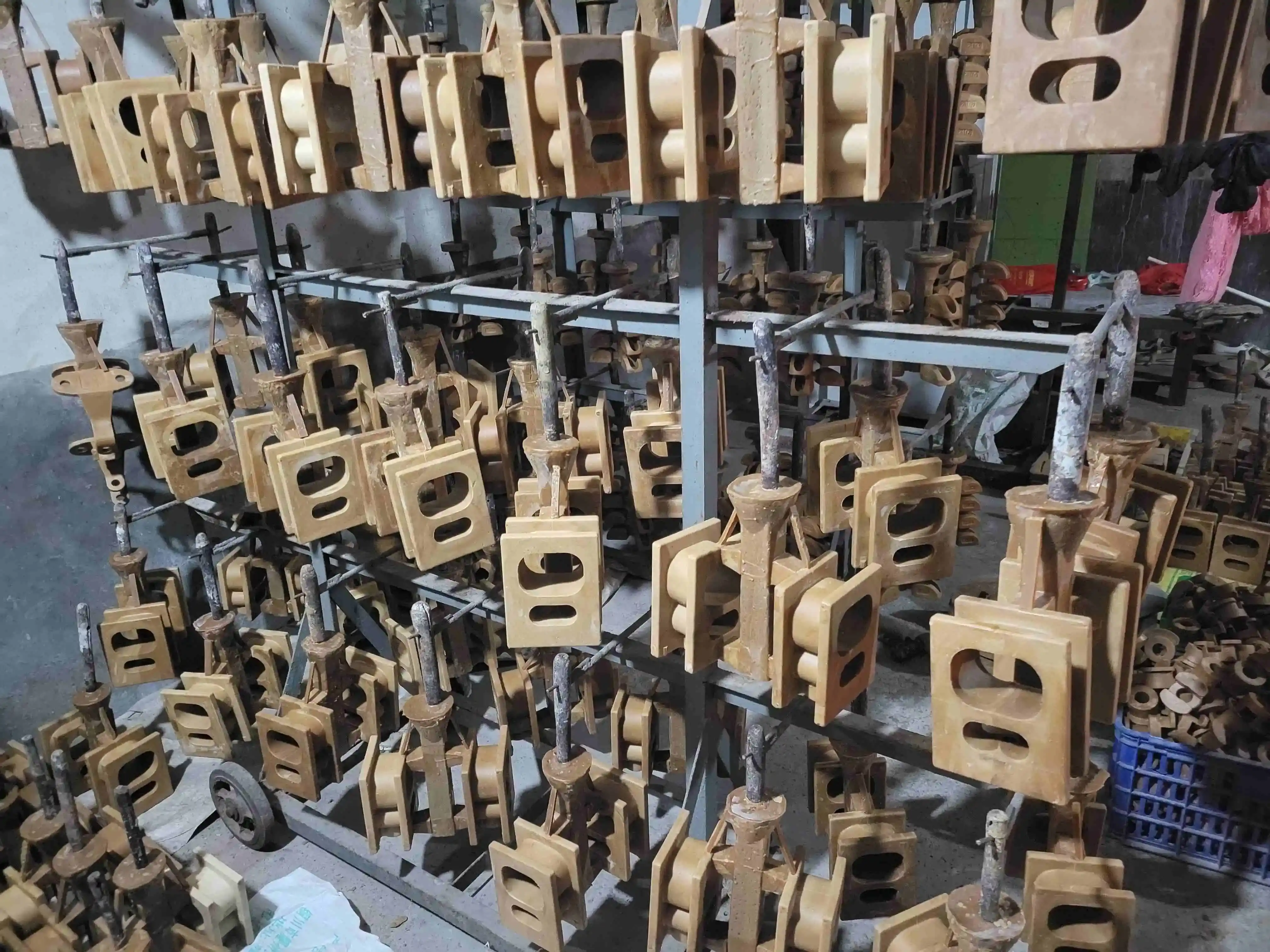
Tests for sand systems are done in labs because they can't be seen. If the sand is wet or easy to pack down, it will stay that way. The mold is strong if that number is greater than or equal to 15 to 30 psi for green sand. This number tells you how much gas can leave the building. If the active clay isn't healthy and the grain isn't sharp enough, someone or something could catch fire. I check every batch to see how well the mixer works, how hard the mold is, how full it is, and how much recycled sand was used. Every time I make a change, I test it and add a little more sand, water, or bentonite.
Troubleshooting Common Defects
It's either too wet, the air flow isn't good enough, or the molds are too hot and make holes that look like clouds and gas bubbles. There could be too little sand, water, or bentonite, or the mixture could not be mixed well enough. It could also be too soft. How strong the mold is, how good the coating is, or how good the sand is can be judged by how much sand gets into the mold, wears off, burns on, or gets included. It's not always sand's fault when things go wrong, close too quickly, or shrink. It's sometimes the fault of the gating, the riser, the way the alloy flows, or the temperature at which it is poured. When I changed more than one number at once, I couldn't tell which one worked.
Finished Casting Inspection and Documentation
Some of the tests that are used to make sure the casting is perfect are magnetography, sound waves, surface roughness, hardness, and dye penetrant. The tests are chosen based on what the part is supposed to do. All of these things should be asked for by buyers, along with material certificates, batch tracking, first item inspection reports, and a list of any problems that were found. Rongbao Enterprise has the brand names ISO 9001, ISO 14001, and ISO 45001. From getting the raw materials to giving the finished goods to the customer, everything is checked. You can compare these records to the plan to find out how likely it is that the part will be thrown away.
Cost, Supplier Selection, and a Workflow for Custom Projects
What Drives Sand Casting Cost
Add sand, mix it, put it in the mold, scrape it, do it again, machine it, and finish it. The price changes each time. I check how much each good part costs all together because low unit prices can hide a lot of work or waste. You don't need flashy tools for sand casting, and you only need a few. When you die cast, on the other hand, you need pricey tools that do well over time. There are also trade-offs when it comes to strength, accuracy, and wait time. Ask the providers how much it costs to do everything, like make the mold, cast, machine, finish, and pack. This way, you won't miss any costs.
How to Evaluate a Supplier
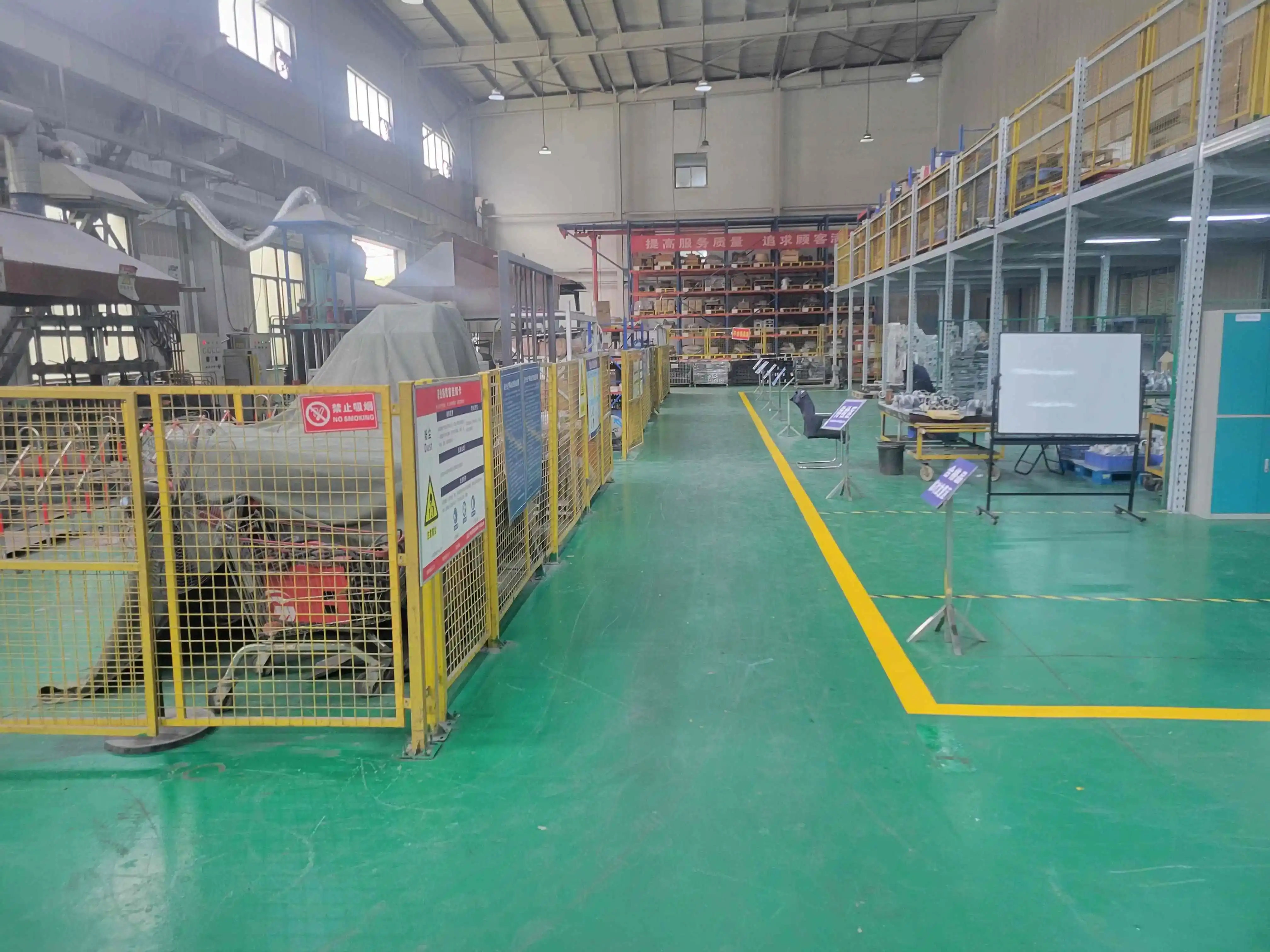
Metals that can be used, the shapes of molds that can be made, the skill level of the people who create and make tools, the amount of goods that can be shipped, and how they are packed are all things that can help. When someone casts and cuts, they don't have to pass around as much work. This is because one group is in charge of making sure that everything is right, from the pour to the final size. It has been in business for 20 years and has big, standard offices with machines that test, cast, and mill on their own. These three places buy about 70% of our goods. We can plan the project, make models, and treat the surface all in one team. Our job is to finish the project.
A Practical Workflow for Custom B2B Orders
First, get models or CAD files that show the grade of the material, how much will be used each year, the limits, the needs of the surface, and the conditions in which it will be used. Once engineers know the height, width, and weight, they can use green sand, dry sand, no-bake, and other methods. Before something is made, the design is looked over to make sure the draft, wall thickness, filets, parting line, gating, risering, cores, and machining allowance are all correct. It's written down how much flaws there can be, how long it takes to pour, and what kind of sand can be used. This means that the output won't change after the sample is accepted and the first item is looked over. We need to talk about safety right away if you care about art. That way, everyone will agree on the rules. We can talk about a trial amount after that if that works for you.
Conclusion
You need to pick the right glue, chemicals, water, and aggregate, and then mix them all together until the grains are wrapped up evenly. After that, tests need to be given to show that the answer is correct. Green sand works well with a lot of iron and aluminum parts that are used over and over again. For cores, on the other hand, you need chemical bonds that keep the pieces together while you pour them but let them go when you're done. Your choice of sand method will depend on the metal, how hot it is poured, how much is used, and the size of the part. Mistakes can also happen with the mold design, vents, gates, and risers. Check the sand often to see how wet, strong, permeable, and able to hold water it is to keep the quality stable. The price changes not only based on the cost of sand casting but also on scrap, cutting, and finishing. It works best if you have good control over the sand when you throw something into it.
FAQ
Can I use beach sand?
Not very often, no. Molds don't work with beach or building sand because the grains are too big, dirty, dry, and broken. The properties of each batch of foundry sand are checked by screening and checking again.
Is there one green sand ratio?
Each metal and part is unique, so it needs its own mix of bentonite, water, chemicals, and used sand. I didn't use a set ratio from another foundry. First I tried the mix, and then I cast it to see which one worked best.
How do I fix excess moisture?
After the water stops running, make sure the sand and mixing are still warm. You can also check out more vents. Check the gates and the pouring before you say it's the sand. Too much water can mess up gas and steam.
Does green sand suit aluminum and steel?
Any amount of water and holes should be kept in check so that aluminum can cast well in the sand. For large steel casts, you might need molds that don't need to be baked or a certain type of face sand. The heart, stairs, vents, and exits also need to be planned.
Start Your Sand Casting Project with Rongbao Enterprise
Want to find a sand casting service that can look at your design and tell you how to cast it in the best way? We've been in business for 20 years and have ISO 9001, ISO 14001, and ISO 45001 certifications. We can make sure every job is done right. Send your thoughts or 3D models to zhouyi@rongbaocasting.com or steve.zhou@263.net by email. Include the grade of the material, the amount, the range, and the finish. Find out more at rongbaocasting.com.
References
- ASM Handbook, Volume 15: Casting, 2008
- Complete Casting Handbook, 2015
- Foundry Technology, 2001
- Manufacturing Engineering and Technology, 2014
- Fundamentals of Modern Manufacturing, 2020
- OSHA Respirable Crystalline Silica Standard, 2016
Learn about our latest products and discounts through SMS or email