- English
- French
- German
- Portuguese
- Spanish
- Russian
- Japanese
- Korean
- Arabic
- Greek
- German
- Turkish
- Italian
- Danish
- Romanian
- Indonesian
- Czech
- Afrikaans
- Swedish
- Polish
- Basque
- Catalan
- Esperanto
- Hindi
- Lao
- Albanian
- Amharic
- Armenian
- Azerbaijani
- Belarusian
- Bengali
- Bosnian
- Bulgarian
- Cebuano
- Chichewa
- Corsican
- Croatian
- Dutch
- Estonian
- Filipino
- Finnish
- Frisian
- Galician
- Georgian
- Gujarati
- Haitian
- Hausa
- Hawaiian
- Hebrew
- Hmong
- Hungarian
- Icelandic
- Igbo
- Javanese
- Kannada
- Kazakh
- Khmer
- Kurdish
- Kyrgyz
- Latin
- Latvian
- Lithuanian
- Luxembou..
- Macedonian
- Malagasy
- Malay
- Malayalam
- Maltese
- Maori
- Marathi
- Mongolian
- Burmese
- Nepali
- Norwegian
- Pashto
- Persian
- Punjabi
- Serbian
- Sesotho
- Sinhala
- Slovak
- Slovenian
- Somali
- Samoan
- Scots Gaelic
- Shona
- Sindhi
- Sundanese
- Swahili
- Tajik
- Tamil
- Telugu
- Thai
- Ukrainian
- Urdu
- Uzbek
- Vietnamese
- Welsh
- Xhosa
- Yiddish
- Yoruba
- Zulu
Does sand casting aluminum require machining?
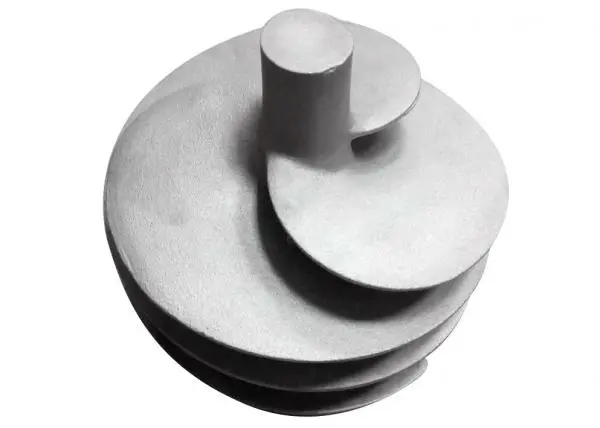
Sand casting aluminum does not always require machining. Many covers, brackets, and support parts work well in the as-cast condition after cleaning and inspection. However, aluminum casting by the sand process leaves rougher surfaces and wider tolerances than CNC machining, so I recommend machining any feature that must fit, seal, or carry current. That usually means mounting faces, flanges, bolt holes, threads, bearing bores, and contact surfaces. Even then, only the functional areas need cutting, not the whole casting. The right answer depends on geometry, alloy, volume, function, and total cost. This guide shows how to decide for each part and how to work with a supplier.
How the Aluminum Sand Casting Process Affects Machining Requirements
Pattern, Mold, and Sand System Choices
Molds are used to make metal parts, and each part is exactly the same as the mold. When a pattern is worn or not put together tightly, the walls and features become uneven, which means they need to be machined more. The shape of the sand is also important. Green sand is not expensive and can be shaped in many ways. Chemically bound and no-bake sand make molds stronger and better able to hold details on larger casts. For prototypes, not having to pay for patterns is helpful because some foundries make sand models and cores right away. Cores make holes in the concrete, but the wall thickness changes if the core moves while the concrete is being poured. Putting the breaking line somewhere different will change where the flash shows up. I always look at a drawing to see what kind of sand system it uses. That tells me how true to start before I start cutting.
Pouring, Solidification, and Common Defects
To make up for the fact that metal shrinks by about 1.3% when it cools from liquid to solid, shapes are made bigger than they need to be. If the gates and steps aren't planned well, they can leave gaps or holes for gas that can cause the pieces to shrink, usually where they are thick. Different parts of walls bend at different rates when they cool. Flash forms where the two halves of the mold meet. That's why machinists have to get rid of flash and inspectors have to look for holes that cutting might show. With low-pressure filling, metal is raised while being under 0.3 to 1.5 bar of pressure. This makes the flow smoother and less porous, and it can be used with either sand molds or fixed molds. When the melt treatment is good and the pouring is managed, the rate of flaws is lower even before the machine is turned on.
Alloy Choice and Conductivity for Power Transmission Parts
How fittings, flanges, and connectors for conductors are cast and how well they work electrically depend on the alloy that is used. About 61% of IACS can flow through pure aluminum, but most casting alloys have silicon or other elements that make them more flexible and strong while lowering their conductivity. It's also three times lighter than iron and doesn't rust in the air, which makes it great for outdoor gear. I tell people who want to buy something to put a minimum number on the model and ask for material certificates because alloying lowers conductivity. Parts that move electricity also need clean, flat contact surfaces. Most of the time, these spots are machined, even if the rest of the aluminum casting stays rough.
Which Aluminum Sand-Cast Features Need Machining, and Which Do Not?
Features That Usually Need Machining
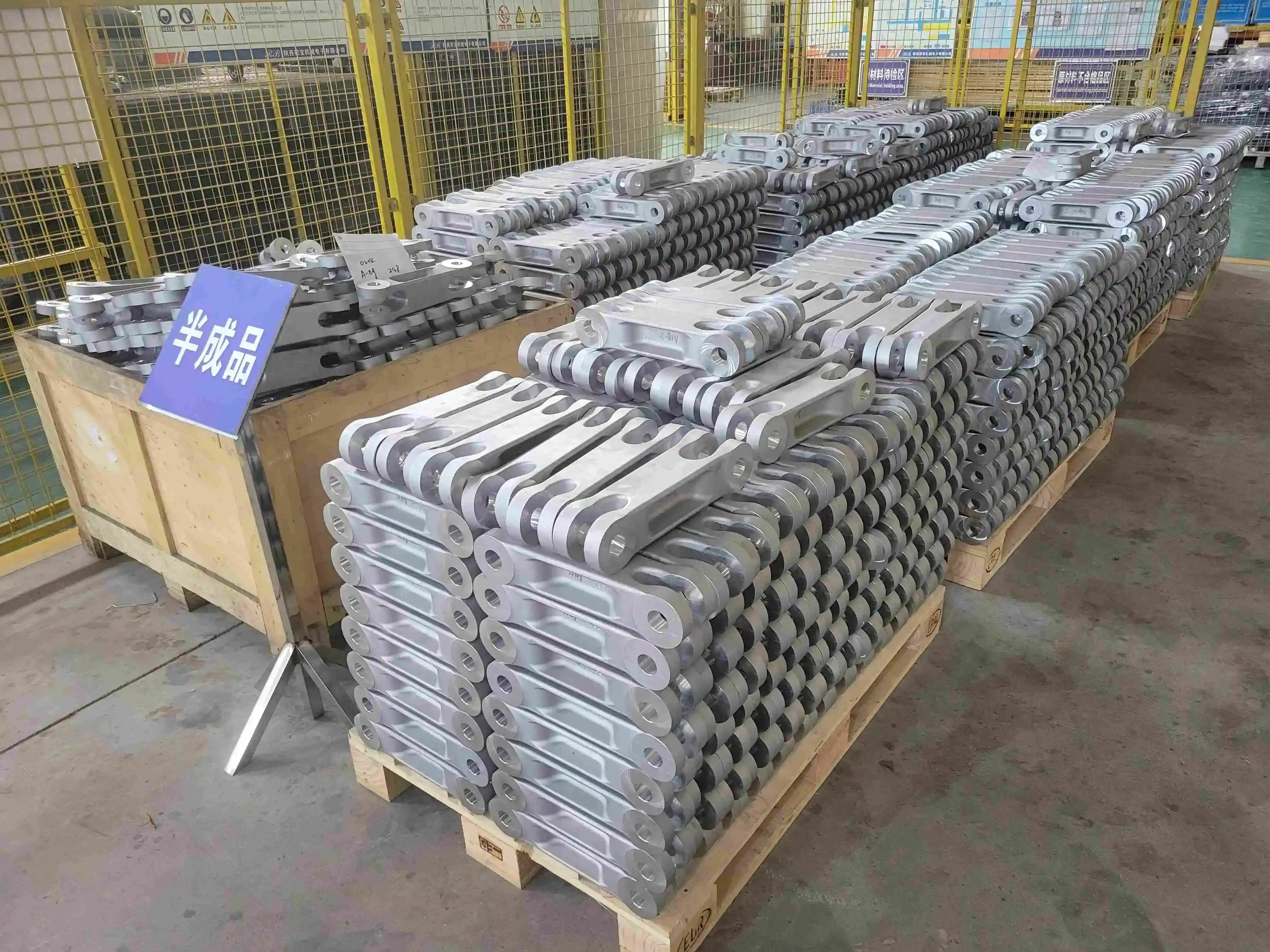
There are some features that don't always work well together right out of the box. The aligning datums and at least one of the mounting faces must be flat and straight. It's important for precision holes, tapped threads, and bearing bores to always be the right size. Sand casting can't do this. It is important to finish sealing faces and fluid paths smoothly so that leaks don't happen. Rugged surfaces on power tools, like flange faces and fixed joints, make touch less useful and grip weaker. It's often found in pump housings, valve bodies, manifolds, and connector plates. Milling, cutting, boring, turning, and grinding are used to finish these parts. The rest of the body stays cast to save money.
Parts That Can Stay As-Cast
A lot of the parts work without having to be cut. Covers, frames, support structures, decorative parts, and low-stress housings that don't need to be perfectly aligned or sealed fall into this group. It's easy to test: does the drawing work with the casting's edges and rough surface as they are? If so, you might only need to clean, deburr, shot blast, and look it over. Next, you can paint or coat it to make it look nice and keep it from rusting. It is still necessary to check each as-cast part for its size, shape, and sturdiness. I believe you should label every part of the drawing as either useful or pretty. Often, that one step gets rid of the need to machine large areas, which saves money without lowering quality.
Risks of Skipping Necessary Machining
It's not always a good idea to cut back on machining to save money. A rough face that seals could let water in. When it's put together, bolts won't line up because a hole that was cast to size might not sit exactly where it should. One that is left as a cast breaks down quickly. The savings are lost as the number of complains and refusal rises. If the joint doesn't fit right, it can heat up or come open while the equipment is being used. This is more important than ever for grid and power equipment. Before you start making something, you should decide what sizes, materials, and flaws you are okay with. Do not just guess that you can avoid cutting; use a sample of the first article to be sure.
Aluminum Casting Tolerances and Surface Finish: What Buyers Should Specify
Why Sand Casting Tolerances Are Looser
It is possible to make more things with sand casting than with CNC machining, die casting, or set mold casting. While the metal is being pressed down and filled, sand molds move a little. This gives the metal a rough surface. I don't want to give a single number because it changes based on the part size, alloy, mold system, pattern quality, and design of the core. A lot of buyers look at drawings that have ISO 8062-3 on them to find out what the general tolerance grades and machining allowances are for casting. When making a lot of them, steel die casting molds hold the sizes better, but CNC machining is more accurate than both of them. Pick the right range for the job, since smaller ranges cost more.
Machining Allowance and Surface Roughness
People who work in foundries add extra metal to the parts that will be cut. This is known as machining allowance. There isn't enough stock, so flaws or cast skin are left behind when the cutter goes through. Too much metal and time on the machine are wasted. The space between the parts gets bigger as they get bigger because big parts bend and move more. In this area, heavy connection plates need extra care because of this. The limit should be confirmed by your provider during the design review. ISO 8062-3 can be used as a guide. The roughness of the surface is also important. As-cast sand surfaces aren't as smooth as machined ones, so they need to have a roughness value given for trouble spots that need to be fixed or sealed. Shot blasting, rolling, grinding, painting, and finishing can be used to work on parts that aren't too hard.
What to Put on the Drawing
A clear drawing can help you escape most conflicts. I think you should write down the alloy, the heat treatment, the important measurements, the machined areas, the datums, the inspection standards, and the flaws in the aluminum casting that are okay. Add minimum requirements for how well electrical parts that will be used outside conduct electricity and how well they stop corrosion. Don't list all the specs; doing so would make the whole casting cost more and not work better. That way, the forge and the machine shop can both use the same places to measure. The geometry should be the same on both the 3D model and the 2D drawing. Also, say whether an X-ray or a CT scan should be used to look at critical sections.
How to Reduce Machining Cost and Pick the Right Process?
Design Choices That Cut Machining Time
When the plan is good, it takes less cutting to get to the metal. If you want patterns to come off cleanly, make sure all the walls are the same thickness. Use big filets to stop hot spots from forming. Move the pieces around slowly and make sure the ribs and bosses are shaped so that they will fit together correctly when the concrete sets. Don't put the splitting line near important faces. Then, finish only the bearing areas, datums, holes, sealing faces, and sealing faces with a machine in your area. Finish not all of the surfaces. This is done with sound gating and risering, melt treatment, and x-rays or CT scans, which hides holes that cuts don't see. Take a look at the standards, fittings, and sizes of the first-article parts before approving the volume.
Is Machining Worth the Cost?
It's not always true that the project will cost the least when it comes to casting. It takes time, work, inspection, programming, fixtures, cutting tools, machine time, and scrap to do CNC work. In any case, selective machining makes the assembly more consistent, cuts down on rejects further down the line, and saves money because the whole casting doesn't have to be made to very tight tolerances. This method is often better for prototypes and small runs because the tools are light. Cutting and unit costs may go down as you make more dies, but steel molds cost more at first. Check out more than just the piece price when you compare prices. The total cost should include everything from making the mold to inspecting, shipping, finishing, and more.
Sand Casting vs Other Aluminum Casting Processes
Sand casting is good for small to medium amounts of big, hollow, or complicated parts because the tools are less expensive and the cores make the holes. When you die cast, molten aluminum under high pressure is poured into steel molds. This is the best way to make a lot of complex, precise parts. When making a permanent shape, metal molds are used more than once. The forms are easy to make and need a better finish on the outside. Filling can be added in a controlled way during low-pressure casting to make parts that are thicker. Forging is the best way to make parts that are loaded up and need good grain flow and fatigue strength. It is very accurate for CNC cutting from solid stock because it doesn't need aluminum casting tools, but it does lose more mass. Pick a style, size, speed, and tooling payback that works for you.
How to Choose a Supplier and Order Custom Aluminum Castings
What to Ask Before Ordering
Before you place an order, make sure you ask things like "what is this?" and "how does this work?" On the technical side, you should ask what alloys are available, how they are heated, whether the dimensions are as-cast or made, how well they can hold tolerances, how they handle DFM, how they control porosity, and how they check for flaws. A businessperson should ask who owns the tools, what the minimum order quantity is, how they will help with prototypes, how long the samples will take, and how long the lead times are. Check to see if the company has quality certifications like ISO 9001 and ask for material certificates, first-article inspection reports, batch traceability, and procedures for taking corrective action. A good service provider will tell you what they can make and how they handle risk. They'll also let you know if there's a better way to do your part.
Recommended Ordering Workflow
This is how I believe special requests should be taken care of.
- Send the RFQ package. This should have a 3D CAD model, a 2D drawing, the alloy and heat-treatment needs, the estimated amount, the application conditions, the inspection standards, and the shipping location. They won't have to guess at hidden scope if you give them the whole package. They can then give you a quote on both casting and machining at the same time.
- Review the design and approve samples. The purchaser checks for draft, filets, wall thickness, cores, parting lines, machine stock, porosity, and loss of shape risks. After making the tools, you check the first samples to make sure they meet important requirements for size, function, and machining.
- Agree on production controls. The process controls, batch tracking, final review, packaging, paperwork, and steps for corrective action are all agreed upon by both sides before the product is released. When orders are placed again, these deals make sure that they are always the same and speed up the approval process.
These steps keep you from having to do extra work and aren't a surprise at the last minute.
How Rongbao Enterprise Supports Your Project
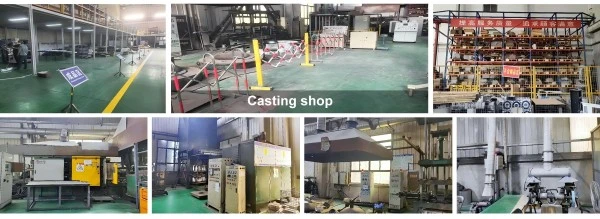
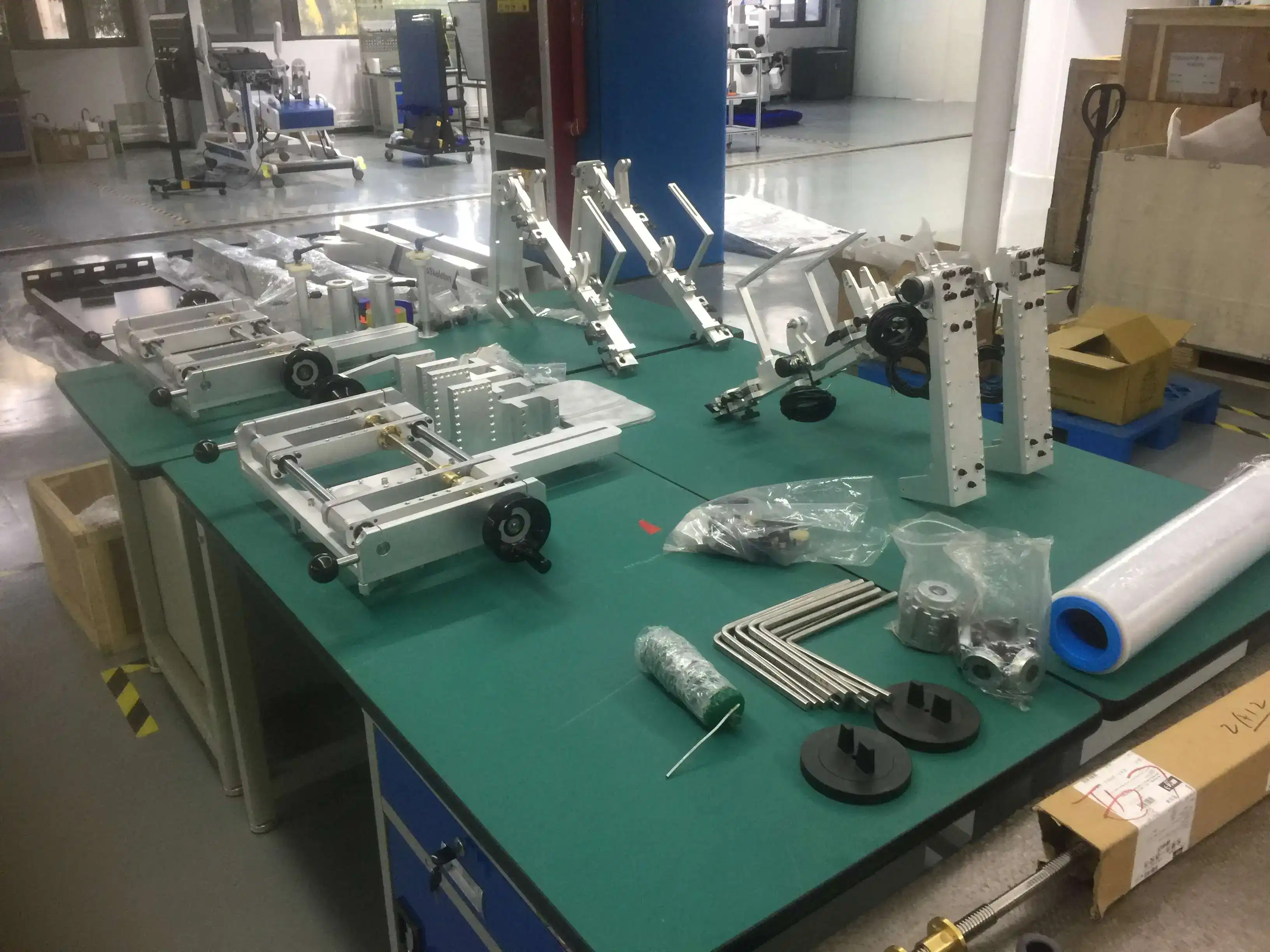
Twenty years have passed since Rongbao Enterprise opened for business. High-pressure die casting, low-pressure die casting, gravity casting, and high-pressure die casting are some of the things we do. Because we make models and treat the surfaces, the same team works on each part from the beginning to the end. We are certified by ISO 9001, ISO 14001, and ISO 45001, and our workshops have robots that cast, machine, and test. From the time the raw materials arrive until they are delivered, it is checked. About 70% of our goods are sent to the US, Europe, and Japan. We'll let you know which method works best if your part needs something other than sand casting.
Conclusion
Aluminum casting doesn't always need to be machined because it depends on what it's used for. Caps, clamps, and low-stress housings can stay the same way they were made after being cleaned and checked. Sand casting needs a lot of machine work because the tolerances and surfaces aren't as smooth as they are with CNC work. This includes mounting faces, flanges, threads, bearing bores, precise holes, and closing surfaces. What makes a difference in starting accuracy is the quality of the pattern, the sand system, the control of solidification, and the alloy used. That is, the conductivity goes down as the alloying goes up. It is possible to keep costs low by using clear drawings, reasonable allowances, and machining that is done locally. If you look at die casting, low-pressure casting, forging, CNC, and sand casting side by side, you can find the best way for the shape and size. In general, you should only make the parts that need to fit, seal, or carry power.

FAQ
Does every aluminum sand casting need CNC machining?
Not at all. Some parts, like covers and frames, don't need to be changed. They can stay the way they were cast. Most of the time, you need to machine holes, threads, sealing faces, and bearing fits.
What tolerance can sand casting hold?
As each part is different in size, metal, mold method, and design quality, I can't give you a single number. For general grades, use ISO 8062-3. Then, ask your provider what they can do with your drawing.
Can I cast threads directly?
Most of the time, machined threads fit better and hold more weight than cast threads in bolted joints.
What do I send for an accurate quote?
Send a 3D model, a 2D drawing, the alloy, the amount, the criteria for inspection, how it will be heated, and the details of the application.
How can I reduce porosity?
Sound gating, risering, melt treatment, and controlled pouring can all lower the porosity of a material. X-rays or CT scans are used to look at important parts.
Request a Custom Aluminum Casting Review from Rongbao Enterprise
For twenty years, Rongbao Enterprise has been making aluminum castings. They are certified by ISO 9001, ISO 14001, and ISO 45001, and they also do precision machining in-house. Send us your 3D model and drawing at zhouyi@rongbaocasting.com or steve.zhou@263.net, and we'll talk about the different ways we can help you, how much time you have to wait, and what processes you can use. We send about 70% of our goods to the US, Europe, and Japan. Go to rongbaocasting.com to find out more.
References
- ASM Handbook, Volume 15: Casting, ASM International, 2008
- Manufacturing Engineering and Technology, Kalpakjian and Schmid, Pearson, 2014
- Complete Casting Handbook, John Campbell, Butterworth-Heinemann, 2015
- ASTM B26/B26M, Standard Specification for Aluminum-Alloy Sand Castings, ASTM International, 2018
- ISO 8062-3, Geometrical Product Specifications: Dimensional and Geometrical Tolerances for Moulded Parts, General Tolerances and Machining Allowances for Castings, International Organization for Standardization, 2007
- Aluminum and Aluminum Alloys, ASM Specialty Handbook, J. R. Davis, ASM International, 1993
_1751074553490.webp)
Learn about our latest products and discounts through SMS or email