- English
- French
- German
- Portuguese
- Spanish
- Russian
- Japanese
- Korean
- Arabic
- Greek
- German
- Turkish
- Italian
- Danish
- Romanian
- Indonesian
- Czech
- Afrikaans
- Swedish
- Polish
- Basque
- Catalan
- Esperanto
- Hindi
- Lao
- Albanian
- Amharic
- Armenian
- Azerbaijani
- Belarusian
- Bengali
- Bosnian
- Bulgarian
- Cebuano
- Chichewa
- Corsican
- Croatian
- Dutch
- Estonian
- Filipino
- Finnish
- Frisian
- Galician
- Georgian
- Gujarati
- Haitian
- Hausa
- Hawaiian
- Hebrew
- Hmong
- Hungarian
- Icelandic
- Igbo
- Javanese
- Kannada
- Kazakh
- Khmer
- Kurdish
- Kyrgyz
- Latin
- Latvian
- Lithuanian
- Luxembou..
- Macedonian
- Malagasy
- Malay
- Malayalam
- Maltese
- Maori
- Marathi
- Mongolian
- Burmese
- Nepali
- Norwegian
- Pashto
- Persian
- Punjabi
- Serbian
- Sesotho
- Sinhala
- Slovak
- Slovenian
- Somali
- Samoan
- Scots Gaelic
- Shona
- Sindhi
- Sundanese
- Swahili
- Tajik
- Tamil
- Telugu
- Thai
- Ukrainian
- Urdu
- Uzbek
- Vietnamese
- Welsh
- Xhosa
- Yiddish
- Yoruba
- Zulu
Is it hard to cast aluminum?
If you're a purchasing manager at an automotive parts plant, an engineer designing aerospace components, or a boss overseeing medical equipment production, you've likely wondered: Is it hard to cast aluminum? Aluminum alloy casting is a cornerstone of many products in your industry, from engine parts to precision medical sensors, so understanding its complexity directly impacts your ability to control costs, ensure timely delivery, and maintain consistent quality. It's not a question with a simple "yes" or "no"; instead, it depends on factors like scale, casting method, and how well you address aluminum's unique properties. Let's break this down clearly, focusing on what matters most for your sourcing and production decisions.
Key Advantages That Make Aluminum Casting Accessible
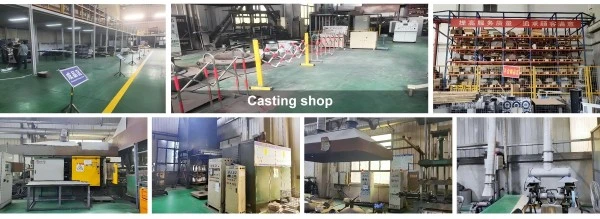
Before diving into challenges, it's important to highlight why aluminum alloy casting is so widely used across your industries,and why it's more accessible than casting higher-melting metals. First, aluminum's melting point is approximately 660°C (1220°F), far lower than steel (1450°C) or iron (1538°C). For your team, this translates to lower energy costs during production,a critical factor for cost control. Many manufacturers, including Rongbao, leverage this by using efficient propane or electric furnaces instead of industrial blast furnaces, which reduces operational expenses without slowing down production.
Second, aluminum has excellent fluidity when molten. This means it can fill even intricate mold details, whether you need a thin-walled sensor cover for mining machinery vehicles or a complex cast housing for electrical connectors. This flexibility eliminates the need for expensive post-casting machining, saving both time (for timely delivery) and money. Finally, aluminum scrap is abundant and affordable,think old automotive components, retired electrical parts, or even recycled beverage cans. Rongbao often incorporates qualified scrap into its aluminum alloy casting processes, passing these material cost savings to clients while maintaining strict quality checks to ensure the final product meets industry standards.
Difficulty Varies by Casting Method
The "hardness" of aluminum alloy casting depends heavily on the method you choose, and each method aligns with different industry needs. For small batches or custom parts, like a one-off cast agitator base for industrial equipment, sand casting is the most accessible option. It uses silica sand mixed with binders to create molds, which are easy to shape and low-cost. While sand casting requires practice to pack sand evenly (to avoid cracks), it's manageable for small-scale production and ideal for manufacturers testing new designs.
At the industrial level, die casting is the go-to method for mass production, but it's also more complex. Die casting uses precision-machined steel molds and hydraulic presses to inject molten aluminum at high pressure, making it perfect for high-volume parts like cast motor end covers for automotive lines or cast sink filters for bearing end caps. The upfront cost of steel molds is higher, but the efficiency of die casting reduces per-unit costs over time,something Rongbao, as a professional aluminum alloy die casting manufacturer, optimizes for clients. This method requires expertise to maintain mold integrity and control injection pressure, which is why partnering with an experienced supplier is key for consistent quality.
In between lies investment casting, a medium-difficulty process used for intricate parts like natural gas control valve casting accessories or aerospace components. It involves creating wax patterns, coating them in ceramic, and melting the wax (the "lost-wax" process) before pouring aluminum. This captures fine details but adds more steps than sand casting, making it suitable for parts where precision is non-negotiable, like medical device components,though it requires careful process management to avoid delays.
Main Challenges (and How to Mitigate Them)
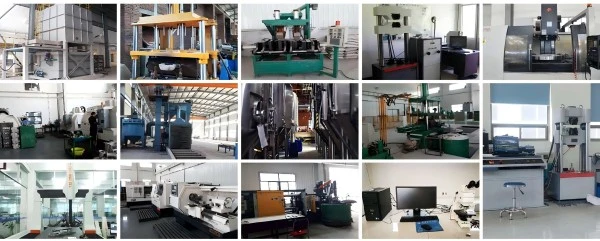
While aluminum alloy casting has clear advantages, it does present challenges that can impact quality if not addressed,and for your operations, controllable product quality is essential. One of the biggest issues is oxidation: aluminum reacts instantly with air to form aluminum oxide (Al₂O₃), a hard compound with a melting point of ~2072°C (far higher than aluminum itself). This oxide gets trapped in molten metal, causing rough surfaces or weak spots in parts like sensor covers or connector housings. To fix this, Rongbao adds flux (a chemical additive) to dissolve oxides and uses inert gas coverage during melting, ensuring each casting meets surface finish and strength standards.
Porosity, tiny holes from trapped hydrogen gas, is another risk, often caused by moisture in sand or damp scrap. These holes weaken parts, which is a problem for critical components like automotive engine parts or medical device housings. Rongbao mitigates this by degassing molten aluminum: our team stirs in hexachloroethane or bubbles inert gas through the metal to release trapped hydrogen before pouring. Shrinkage is also a concern: aluminum shrinks 6-8% as it cools, which can lead to cracks or missing sections. Rongbao's mold designs include "risers", extra reservoirs of molten metal that feed the casting as it cools, preventing gaps and ensuring the part matches your design specifications.
Safety, while not a "difficulty" in the technical sense, is critical to avoiding production delays. Molten aluminum is extremely hot, and contact with water (even from wet sand or sweat) causes violent explosions. Professional manufacturers like Rongbao enforce strict safety protocols: all staff wear heat-resistant gloves, face shields, and fire-retardant clothing, and we keep water far from furnaces. This prevents accidents that would disrupt delivery timelines, something we know matters for your production schedules.

Contact Information
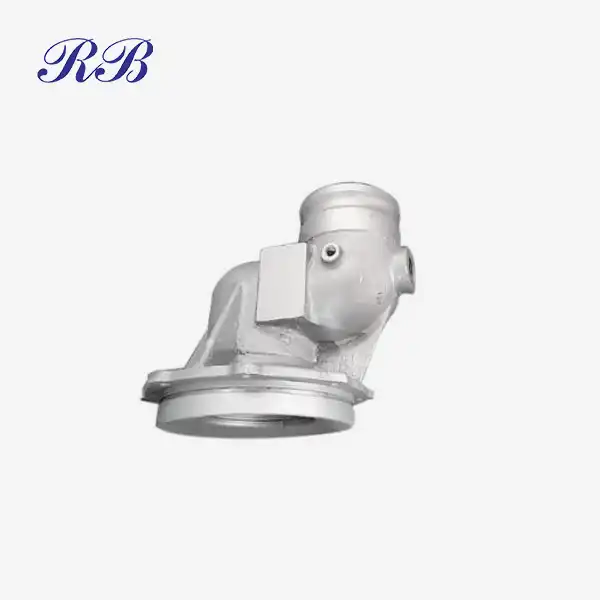
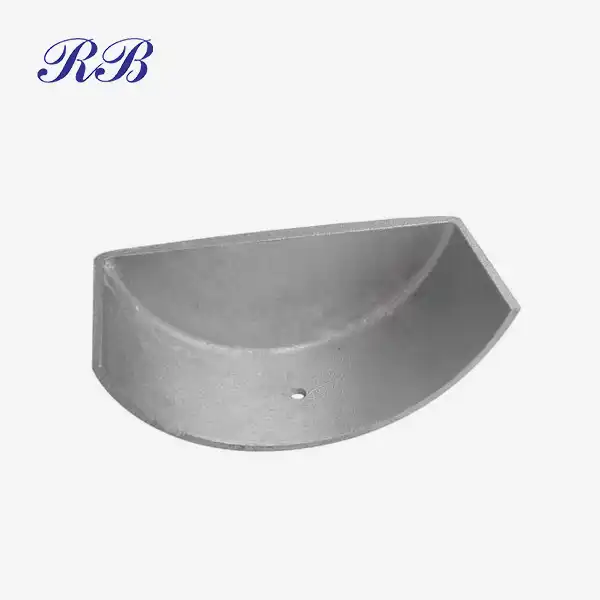
So, is it hard to cast aluminum? For hobbyists or small-scale projects, it's manageable with basic skills and equipment. For industrial aluminum alloy casting that meets the strict standards of automotive, aerospace, medical, or electrical industries, it requires expertise,but it doesn't have to be a challenge when you partner with the right supplier. Rongbao is a professional aluminum alloy die casting manufacturer, factory, and supplier in China, specializing in customized solutions with competitive prices. Our product range includes cast motor end covers, sensor covers for mining machinery vehicles, cast connector housings, cast agitator base parts, cast sink filters for bearing end covers, and casting accessories for natural gas control valves. We prioritize cost control, stable and timely delivery, and controllable quality,exactly what your team needs. For a free sample or to discuss your project, contact us today at steve.zhou@263.net or zhouyi@rongbaocasting.com.
References
1. ASTM International. (2024). Standard Specification for Aluminum-Alloy Sand Castings (ASTM B26/B26M-24). West Conshohocken, PA: ASTM International.
2. The Aluminum Association. (2023). Aluminum Scrap Utilization in Casting: Cost and Sustainability Benefits. Washington, DC: The Aluminum Association.
3. Foundry Management & Technology. (2022). “Mitigating Porosity in Aluminum Die Casting: A Case Study of Automotive Component Manufacturers.” Vol. 175, No. 4, pp. 32-36.
4. American Foundry Society. (2021). Technical Guide to Aluminum Alloy Casting: Oxidation and Shrinkage Control. Schaumburg, IL: American Foundry Society.
5. Rongbao Enterprise. (2024). Custom Aluminum Die Casting for Mining Machinery Sensor Covers: Quality and Delivery Case Study. Shanghai, China: Rongbao Enterprise.
Learn about our latest products and discounts through SMS or email