- English
- French
- German
- Portuguese
- Spanish
- Russian
- Japanese
- Korean
- Arabic
- Greek
- German
- Turkish
- Italian
- Danish
- Romanian
- Indonesian
- Czech
- Afrikaans
- Swedish
- Polish
- Basque
- Catalan
- Esperanto
- Hindi
- Lao
- Albanian
- Amharic
- Armenian
- Azerbaijani
- Belarusian
- Bengali
- Bosnian
- Bulgarian
- Cebuano
- Chichewa
- Corsican
- Croatian
- Dutch
- Estonian
- Filipino
- Finnish
- Frisian
- Galician
- Georgian
- Gujarati
- Haitian
- Hausa
- Hawaiian
- Hebrew
- Hmong
- Hungarian
- Icelandic
- Igbo
- Javanese
- Kannada
- Kazakh
- Khmer
- Kurdish
- Kyrgyz
- Latin
- Latvian
- Lithuanian
- Luxembou..
- Macedonian
- Malagasy
- Malay
- Malayalam
- Maltese
- Maori
- Marathi
- Mongolian
- Burmese
- Nepali
- Norwegian
- Pashto
- Persian
- Punjabi
- Serbian
- Sesotho
- Sinhala
- Slovak
- Slovenian
- Somali
- Samoan
- Scots Gaelic
- Shona
- Sindhi
- Sundanese
- Swahili
- Tajik
- Tamil
- Telugu
- Thai
- Ukrainian
- Urdu
- Uzbek
- Vietnamese
- Welsh
- Xhosa
- Yiddish
- Yoruba
- Zulu
Does cast aluminum crack easily?
For engineers designing engine components, purchasing managers sourcing medical device housings, or bosses overseeing aerospace part production, the durability of cast aluminum is a make-or-break concern: Does cast aluminum crack easily? The short answer is no—it doesn’t inherently crack easily—but its resistance to cracking depends on critical factors like alloy selection, casting process control, post-treatment, and how the part is used. Understanding these factors helps you avoid costly defects, ensure long-term part performance, and make informed sourcing decisions for your aluminum alloy casting needs.
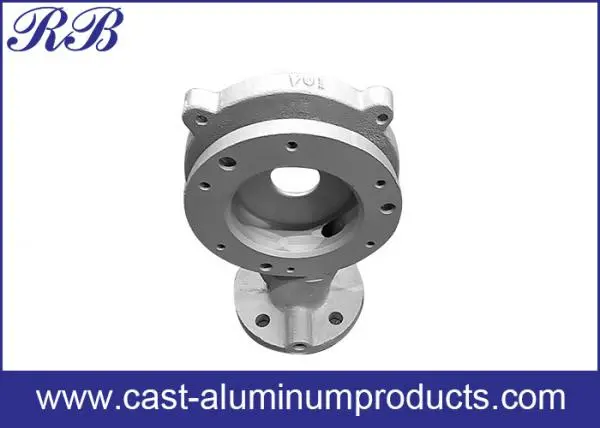
Key Factors That Determine If Cast Aluminum Cracks
Cast aluminum’s susceptibility to cracking isn’t random; it’s tied to specific choices made during material selection and production. Let’s break down the most impactful factors, as they directly relate to the quality and reliability of parts like cast motor end covers, sensor housings, or natural gas valve components.
Aluminum Alloy Composition
Different aluminum alloys have varying levels of ductility (the ability to bend without breaking) and strength—two traits that directly influence cracking risk. For example:
• 356.0 Aluminum Alloy: A common choice for automotive and industrial parts (like cast agitator bases), it has good ductility and corrosion resistance. When properly cast and heat-treated, it resists cracking even under moderate stress.
• 201.0 Aluminum Alloy: A high-strength alloy used in aerospace components, but it’s more brittle. If not cast with precise temperature control or if cooled too quickly, it’s prone to “hot cracking” (cracks that form as the metal solidifies).
• 413.0 Aluminum Alloy: Ideal for parts requiring thin walls (like electrical connector housings) due to its excellent fluidity. However, it has lower ductility than 356.0, so it may crack if subjected to sudden impacts or overloading.
Rongbao’s team selects alloys based on your part’s intended use—for example, choosing 356.0 for mining machinery sensor covers (which need to withstand vibration) to minimize cracking risk.
Casting Process Defects That Lead to Cracking
Most cast aluminum cracks stem from avoidable process flaws. The biggest culprits are:
• Shrinkage Stress: Aluminum shrinks 6-8% as it cools from liquid to solid. If the mold lacks “risers” (reservoirs of molten metal that feed the casting as it shrinks), gaps form—and internal stress builds until the metal cracks. For example, a cast bearing end cover sink filter without proper risers may develop cracks around its mounting holes.
• Porosity: Tiny gas bubbles (from moisture in sand or damp scrap) create weak spots in the metal. Over time, these pores act as “crack starters”—even small stresses (like thermal cycling in engine parts) can cause pores to expand into cracks.
• Improper Gating: If molten aluminum is poured too quickly or through poorly placed gates, it creates turbulence. This traps air and introduces uneven cooling, leading to “cold shuts” (where two streams of metal don’t fuse properly) or stress concentrations that crack later.
Rongbao mitigates these issues by using computer-aided design (CAD) for mold riser placement, degassing molten aluminum to reduce porosity, and controlling pour speed—all steps that align with ASTM B26 standards foraluminum alloy casting.
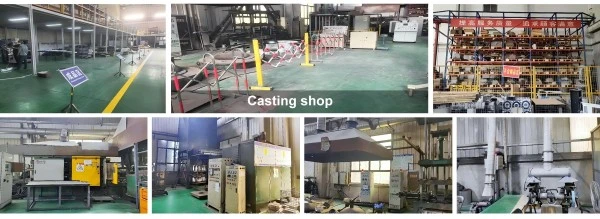
Post-Casting Treatment (or Lack Thereof)
Untreated cast aluminum and aluminum alloy casting is more prone to cracking. Heat treatment is critical to relieve internal stress and improve strength:
• T6 Heat Treatment: The most common process for cast aluminum—solution heat-treating (heating to 530-540°C), quenching (rapid cooling in water), and artificial aging (heating to 120-180°C). This strengthens the metal and reduces residual stress. A T6-treated 356.0 casting, for example, has 3x the yield strength of an untreated one, making it far less likely to crack.
• Annealing: For brittle alloys like 201.0, annealing (slowly heating to 340-380°C and cooling gradually) softens the metal and relieves stress, preventing cracking during machining or assembly.
Skimping on heat treatment is a common mistake among low-quality suppliers. Rongbao includes T6 or annealing as standard for parts like automotive motor end covers, ensuring they meet ISO 9001 quality requirements for crack resistance.
Service Conditions: How the Part Is Used
Even well-cast aluminum can crack if used beyond its design limits:
• Thermal Cycling: Parts like natural gas control valve castings that repeatedly heat up and cool down (e.g., from gas flow) develop thermal fatigue. Over time, this fatigue creates small cracks that grow until the part fails.
• Overloading: A cast agitator base part rated for 500 lbs that’s subjected to 800 lbs will likely crack at its stress points (like welds or bolt holes).
• Corrosion: Exposure to saltwater (for marine parts) or chemicals (in medical equipment) weakens aluminum’s surface. Corroded areas are brittle and prone to cracking under minimal stress.
Rongbao works with your engineering team to design parts for their intended service conditions—for example, adding corrosion-resistant coatings to sensor covers used in damp mining environments, or reinforcing stress points in high-load agitator bases.
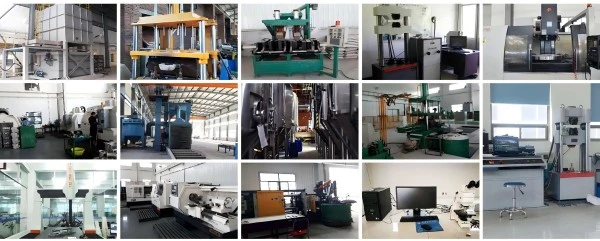
How to Ensure Your Cast Aluminum Parts Don’t Crack?
Preventing cast aluminum and aluminum alloy casting cracking boils down to three core steps—steps Rongbao integrates into every project:
1. Choose the Right Alloy: Match the alloy to your part’s stress, temperature, and corrosion exposure. For example, use 356.0 for vibration-prone parts and 514.0 for corrosion-resistant marine components.
2. Partner With a Supplier That Controls the Casting Process: Look for manufacturers that use degassing, proper mold design (with risers), and consistent heat treatment. Rongbao conducts non-destructive testing (like X-ray or ultrasonic inspection) to detect porosity or stress before parts leave our factory.
3. Design for Durability: Avoid sharp corners (which concentrate stress) and ensure uniform wall thickness (to prevent uneven cooling). Rongbao’s CAD team can review your designs to flag potential cracking risks—like a thin-walled connector housing that may need reinforcement.
Conclusion
Cast aluminum and aluminum alloy casting doesn’t crack easily when it’s made right. The key is working with a supplier that understands alloy properties, controls the casting process, and designs parts for real-world use—exactly what Rongbao delivers. As a professional aluminum alloy die casting manufacturer in China, we specialize in customized parts like cast motor end covers, mining machinery sensor covers, connector housings, agitator bases, bearing end cover sink filters, and natural gas valve accessories. We prioritize durability, cost control, and on-time delivery—so you get parts that don’t crack and keep your production on track. For a free sample or to discuss how we can optimize your cast aluminum design, contact us today at steve.zhou@263.net or zhouyi@rongbaocasting.com.
References
1. ASTM International. (2024). Standard Specification for Aluminum-Alloy Die Castings (ASTM B179/B179M-24). West Conshohocken, PA: ASTM International.
2. The Aluminum Association. (2023). Alloy Selection Guide for Cast Aluminum: Durability and Stress Resistance. Washington, DC: The Aluminum Association.
3. Foundry Management & Technology. (2022). “Preventing Hot Cracking in High-Strength Aluminum Castings: A Case Study.” Vol. 175, No. 7, pp. 45-49.
4. American Foundry Society. (2021). Heat Treatment of Cast Aluminum Alloys: T6 Process Best Practices. Schaumburg, IL: American Foundry Society.
5. Rongbao Enterprise. (2024). Durability Testing of 356.0 Aluminum Sensor Covers for Mining Machinery: 5-Year Performance Data. Shanghai, China: Rongbao Enterprise.
_1751078338779.webp)
Learn about our latest products and discounts through SMS or email