- English
- French
- German
- Portuguese
- Spanish
- Russian
- Japanese
- Korean
- Arabic
- Greek
- German
- Turkish
- Italian
- Danish
- Romanian
- Indonesian
- Czech
- Afrikaans
- Swedish
- Polish
- Basque
- Catalan
- Esperanto
- Hindi
- Lao
- Albanian
- Amharic
- Armenian
- Azerbaijani
- Belarusian
- Bengali
- Bosnian
- Bulgarian
- Cebuano
- Chichewa
- Corsican
- Croatian
- Dutch
- Estonian
- Filipino
- Finnish
- Frisian
- Galician
- Georgian
- Gujarati
- Haitian
- Hausa
- Hawaiian
- Hebrew
- Hmong
- Hungarian
- Icelandic
- Igbo
- Javanese
- Kannada
- Kazakh
- Khmer
- Kurdish
- Kyrgyz
- Latin
- Latvian
- Lithuanian
- Luxembou..
- Macedonian
- Malagasy
- Malay
- Malayalam
- Maltese
- Maori
- Marathi
- Mongolian
- Burmese
- Nepali
- Norwegian
- Pashto
- Persian
- Punjabi
- Serbian
- Sesotho
- Sinhala
- Slovak
- Slovenian
- Somali
- Samoan
- Scots Gaelic
- Shona
- Sindhi
- Sundanese
- Swahili
- Tajik
- Tamil
- Telugu
- Thai
- Ukrainian
- Urdu
- Uzbek
- Vietnamese
- Welsh
- Xhosa
- Yiddish
- Yoruba
- Zulu
Is Electroplating Suitable for Aluminum Rehabilitation Robot Components?
For sure, electroplating can work on aluminum parts of a medical rehabilitation robot, but only if the supplier handles the pretreatment and you make sure the coating is right for the job. Aluminum quickly forms an oxide film when it comes into contact with air. So, the oxide needs to be removed and a bonding layer like zincate needs to be added before nickel or another metal is added. Plates are good for making wear surfaces, electrical connections, and precise brackets. Anodizing or powder coating is often a better way to cover and fit large frames. This guide tells you how each choice works, how to test it, and what to ask a supplier about a lower limb rehabilitation robot part before you approve it.
Why Surface Finishing Matters in a Medical Rehabilitation Robot
Where Aluminum Fits in Lower Limb Rehabilitation Robots
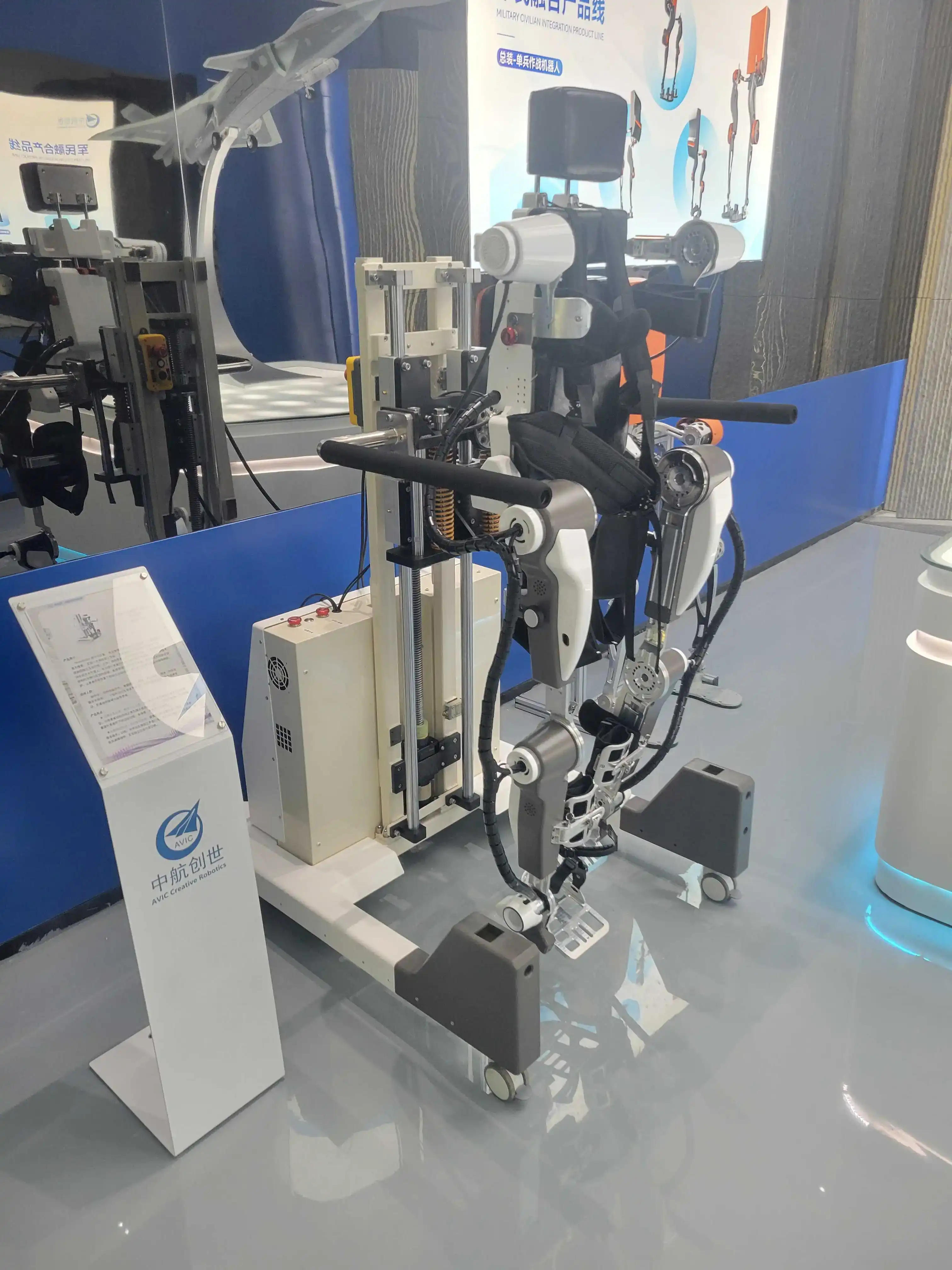
A medical rehabilitation robot is made of aluminum because it is easy to work with and weighs only 2.7 g/cm³, compared to 7.85 g/cm³ for steel. In a robot for rehabbing lower limbs, it is used to make leg frames, supports for the thigh and shank, joint brackets, motor mounts, and housings. People who have had a stroke or spinal cord injury can use these machines to help them learn how to walk again. Every gram that a frame saves makes the motors and, in the case of wearable exoskeletons, the patient less stressed. The Journal of Robotics has a literature review that looks at the robotic devices used for training the lower limbs to walk. Every joint and bracket on those machines is moved over and over again.
What a Surface Finish Has to Handle
It faces more than it looks when it's done. Cleaning agents are used on frames between sessions, patients touch supports and handles, and joints do the same motion over and over again during a training program. The coating changes how well something resists corrosion, how long it lasts, how easy it is to clean, and how stable its dimensions are. This extra thickness can change how a bearing fits or how a thread works. I tell buyers to write the finish need from the job of the part, not from a catalog name. To keep it safe, a frame that doesn't move around much needs different care than a hinge that loads up every day.
Why Electroplating Needs Extra Care on Aluminum
In air, aluminum forms a thin oxide film very quickly. This film stops a plated layer from sticking to the metal below. This is not how steel acts. Both the ASM Handbook, Volume 5, and Modern Electroplating talk about how to fix the problem with a special pretreatment, which is usually an immersion in zincate. If a shop skips that step or works too quickly, the coating may blister or peel after the parts are put together. In a medical rehabilitation robot, a flaking surface also makes people worry about how clean it is near patients. I think the process control in a plating shop is just as important as the plating metal itself because of this.
Can Aluminum Be Electroplated, and How Does It Compare?
How Electroplating Works on Aluminum
Electroplating can be done on aluminum. In a standard process, the part is cleaned and degreased, the oxide is removed, a zincate layer is put on, a copper or nickel underlayer is deposited, and finally the final metal is added. Choose the right alloy. It's harder to plate evenly high-silicon casting alloys and copper-rich alloys than many wrought grades. This is because the alloying elements change how the surface reacts when it's heated up. Even though machined surfaces show new metal, shops still need to get rid of all traces of cutting oil. When I need plated parts for a medical rehabilitation robot, I always start by asking about the alloy and the temper. These two things determine how the rest of the process goes.
Electroplating Versus Anodizing and Electroless Nickel
Anodizing the aluminum makes an oxide layer out of it. So, no worry about adhesion. And hard anodizing (Type III under MIL-A-8625) makes it more wear-resistant. Works well with large frames & covers. The anodized film is important in points of grounding as it prevents the flow of electricity. With electroplating, you put a different metal on top. And that gives you things you wouldn’t get with anodizing, like a metallic hardness profile and conductivity. Electroless nickel is not an electrical process and so builds up a reasonably even thickness over corners and holes. This is discussed in great detail in the book Electroless Plating: Fundamentals and Applications. Anodizing for flat surfaces, electroless nickel for precision, complex parts, or electroplate for certain metal properties.
Powder Coating and PVD as Alternatives
Powder coating helps prevent color loss and corrosion, which is useful for medical rehabilitation robots with color-coded covers. It is thicker than most layers and can chip on the edges and where fasteners go through it. PVD forms a thin, hard film in a vacuum chamber. It looks high-end, but only works with clear lines of sight and struggles with deep recesses. Chemical conversion coatings are very thin and can maintain electrical contact. They are good for surfaces that are grounded. A simple decision table is useful here. Finishes are listed by compatibility with aluminum, coating thickness, geometry, chemical exposure, wear, appearance, cost, and inspection needs. Then rate each finish on how well it performs its job.
How to Evaluate and Plan Electroplating for a Medical Rehabilitation Robot
Start with Function and Risk
Put each part in order of function. There are different risks for load bearing frames, joint interfaces, actuator mounts, electrical housings, covers and parts that come into contact with the patient. Then list the conditions such as cycling loads, friction, vibration, impact, sweat, humidity, cleaning products, and temperature changes in a hospital, clinic or home. Mark critical holes, bearing seats, threads, grounding points and sensor mounts with masking or coating limits. FDA guidance on ISO 10993-1 says the biological evaluation required for surfaces patients will touch depends on the nature of the contact and the duration of the contact. Plated surfaces, as well as the rest of the device file, should be checked by registration personnel.
Recommended Process Steps for Aluminum Parts
The design must be checked for correct alloy, temper, drawing tolerances, masking areas, blind holes and recesses before the plating run. After this the shop removes the machining oils and oxide, prepares the surface, applies the zincate or equivalent bond layer, and deposits the metal while controlling the temperature, current density, and thickness. After plating, the part is rinsed and dried. Some parts need sealing, passivation, or polishing. Each lot ends with a recorded inspection and a way to follow up. Get the process sheet before signing off on samples. That way, you know what the shop does to keep track of your medical rehabilitation robot parts.
Testing Before Production Use
Check the finish on parts that are like test coupons, not just the test coupons. Peel tests show blistering, blistering and pinholes. Aluminum can be damaged by galvanic effects, so corrosion tests should include contact with different metals, humidity and detergents. Wear and friction tests should be performed on bearings, hinges and sliding interfaces while moving in a walking-like manner. After coating, a coordinate measuring machine should be used to check the dimensions to make sure that the bearing fits, the thread gauges are correct and the sensors are lined up correctly. Finally, test the assembly on the lower limb rehabilitation robot itself. This is because you can only see interference between plated parts when fully assembled.
Common Mistakes and Recommendations by Component
Common Mistakes in Aluminum Plating
The most common mistake is using a specification for steel plating on aluminum. Some others are picking a finish based on how it looks or how much it costs per unit, forgetting about the cleaning products used in clinics, and ignoring the buildup of coatings at threads and bearing seats. Assembly interference or actuators that aren't lined up right can be caused by bad masking. Some buyers give their approval to a supplier without reading sample inspection reports, process records, or material certificates. Look at the lifecycle cost instead of the unit price. It's common for rework, downtime, replacement, and field service to cost more than the finish itself. This is especially true in medical rehabilitation robot programs with short registration windows.
Recommendations for Frames, Joints, and Covers
Anodizing or powder coating is often a good choice for frames and support brackets that need to be light, easy to clean, and resistant to corrosion. Depending on the amount of wear and friction, joints and high-wear areas may need electroless nickel, hard anodizing, plated surfaces, hardened inserts, or engineered bushings. Anodizing, powder coating, or certain plating can be used on external covers to make them look clean and color coded. A mixed approach works best for many designs of robots that help people heal their lower limbs. There is one finish that protects the body and another that protects the wearable parts that touch the body.
Sensor Mounts and Patient-Contact Areas
Because a small error in the coating can cause sensors to not line up correctly, it is important to keep a close eye on things like size, grounding, heat, and masking for sensor mounts and actuator interfaces. Handles, patient supports, and other surfaces that people will touch need to be smooth, easy to clean, and free of flaking or sharp edges. Talk to your regulatory team early on about your choice if a plated surface will touch skin, and plan testing under ISO 10993-1 where it applies. When testing a medical rehabilitation robot before it goes into production, make sure that the parts that patients and therapists touch stay in good shape even after being cleaned many times.
Choosing a Medical Rehabilitation Robot Parts Supplier for Electroplated Aluminum
What to Look for in a Finishing Partner
You should look for someone who has experience with precision assembly, surface treatment, and machining aluminum. Check out their CNC machining, anodizing, electroplating, electroless nickel, inspection, and functional testing skills. They can also help with prototypes, pilot runs, OEM orders, and ODM orders. Ask for certificates of materials, coating specifications, test reports, process records, and procedures for controlling changes. Before you share drawings, get an NDA. Before going into production, test samples with real loads and clean them. You should also compare tooling, minimum order quantities, lead time, logistics, and support for spare parts. Also, buyers should make sure that the supplier can actually provide them with the quality system documents.
Rongbao Enterprise Product Capabilities
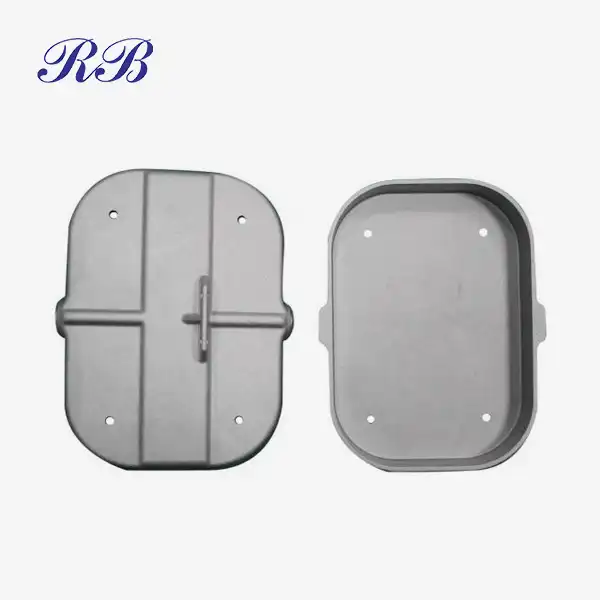
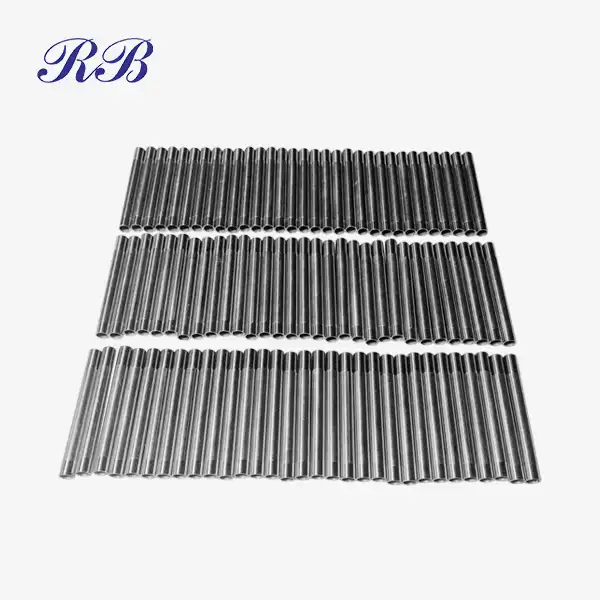
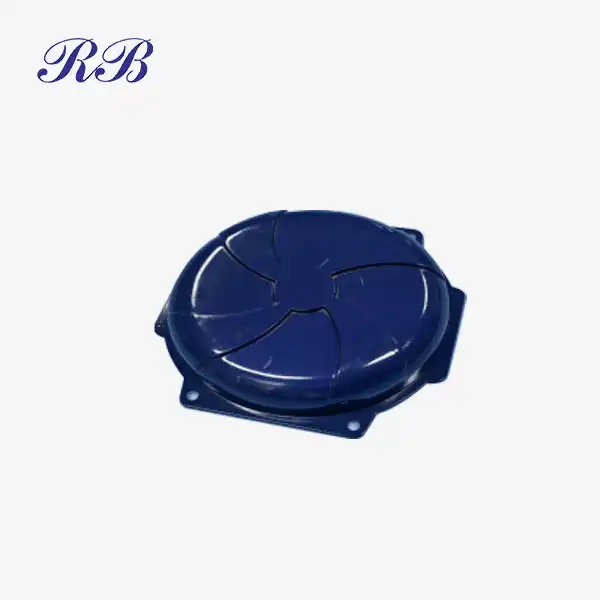
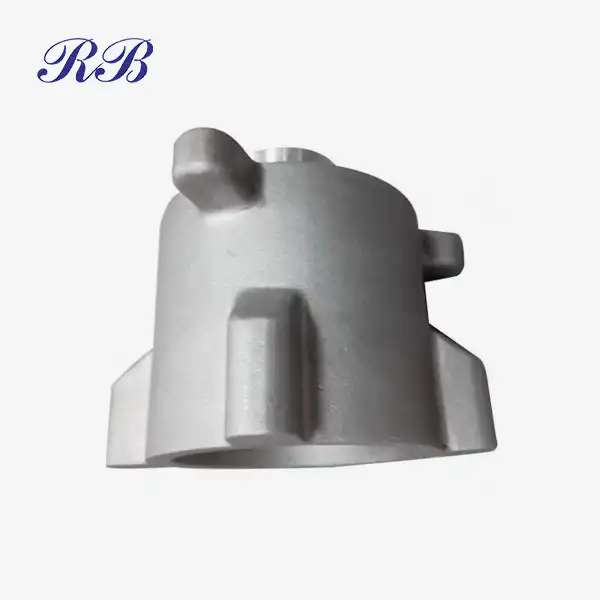
At Rongbao Enterprise, we use mechanical processing and CNC machining to make aluminum parts for robots that help people who have lost limbs. The surface is then treated with electroplating. We can make specifications based on your drawings, and we can take both OEM and ODM orders. We can make up to 500 pieces at a time, which is enough for pilot runs and early production runs. For shipping, we put finished parts in wooden boxes. Our factory is in Xi'an, China. Our certifications are ISO 9001:2015, ISO 14001, and ISO 45001, and we check everything from the raw materials that come in to the finished goods that are delivered. We've been in business for 20 years and send about 70% of our goods to Europe, the United States, and Japan. We also do casting, mold development, and surface treatment, so you can get everything from the design to the finished part from one supplier.
Final Decision: When Electroplating Fits
Electroplating is a good way to treat an aluminum part when it needs a certain metal surface for conductivity, hardness, wear resistance, or friction control, and the supplier can show that the pretreatment works by testing the part for adhesion, thickness, dimensions, chemicals, and function. Anodizing, electroless nickel, or powder coating may work better on large surfaces that get a lot of cleaning, or on areas that come into contact with patients and where protection that can be counted on is more important than special properties. Select based on function, risk, tolerance, environment, and cost over the whole lifecycle. For a medical rehabilitation robot, I think you should plate some of the interfaces and use a simpler coating on the rest.
Conclusion
It is possible to use electroplating on aluminum parts of a medical rehabilitation robot, but it is not the default method. The alloy affects how evenly the coating sticks, and the oxide film on aluminum needs to be carefully prepared, usually with a zincate layer. Anodizing works well for big frames and covers, electroless nickel covers complicated, precise parts evenly, and powder coating or PVD works well for surfaces that are more about how they look. For conductive, wear-resistant, or precise interfaces, plating is the best way to go. How the decision is made depends on the function of the part, the coating thickness at critical fits, the amount of cleaning that will be done, and the contact with the patient. Tests of adhesion, corrosion, wear, and dimensions on real parts, followed by a mock assembly, prove the choice. The lifecycle cost goes up when you copy steel specifications or judge by price. A plan for mixed finishing, with plating only done on the surfaces that need it, is a good idea.
FAQ
Can aluminum parts in a medical rehabilitation robot be electroplated?
Yes. Before plating, the shop has to get rid of the oxide film and put on a zincate or similar bond layer. Results are affected by alloy, geometry, and masking, so make sure samples are okay first.
Is anodizing better than electroplating?
Not all the time. Anodizing is good for frames and covers, and plating is good for precision, conductive, or wear-resistant interfaces. Pick based on what the part does.
Does the coating decide FDA suitability?
No, the FDA review looks at the whole device, including how it handles risks and the biological testing of materials that come into contact with patients. The coating is an input, so let your regulatory team know about the finish.
What should I send for a quote?
Include drawings, the alloy, any tolerances, the load and cleaning conditions, and the amount you want to order.
Contact Rongbao Enterprise for Medical Rehabilitation Robot Aluminum Parts
Rongbao Enterprise has been exporting for 20 years and is ISO 9001:2015, ISO 14001, and ISO 45001 certified. They make custom CNC-machined aluminum parts with electroplating for lower limb rehabilitation robots. Send your drawings and needs to steve.zhou@263.net or zhouyi@rongbaocasting.com if you need a supplier for medical rehabilitation robot parts. Find out more at rongbaocasting.com, and we'll look over your project.
References
1. ASM Handbook, Volume 5: Surface Engineering, 1994
2. Modern Electroplating, Fifth Edition, 2010
3. Electroless Plating: Fundamentals and Applications, 1990
4Aluminum and Aluminum Alloys (ASM Specialty Handbook), 1993
5. Lower-Limb Robotic Rehabilitation: Literature Review and Challenges, Journal of Robotics, 2011
6. Use of International Standard ISO 10993-1, "Biological Evaluation of Medical Devices," FDA Guidance, 2023
Learn about our latest products and discounts through SMS or email