- English
- French
- German
- Portuguese
- Spanish
- Russian
- Japanese
- Korean
- Arabic
- Greek
- German
- Turkish
- Italian
- Danish
- Romanian
- Indonesian
- Czech
- Afrikaans
- Swedish
- Polish
- Basque
- Catalan
- Esperanto
- Hindi
- Lao
- Albanian
- Amharic
- Armenian
- Azerbaijani
- Belarusian
- Bengali
- Bosnian
- Bulgarian
- Cebuano
- Chichewa
- Corsican
- Croatian
- Dutch
- Estonian
- Filipino
- Finnish
- Frisian
- Galician
- Georgian
- Gujarati
- Haitian
- Hausa
- Hawaiian
- Hebrew
- Hmong
- Hungarian
- Icelandic
- Igbo
- Javanese
- Kannada
- Kazakh
- Khmer
- Kurdish
- Kyrgyz
- Latin
- Latvian
- Lithuanian
- Luxembou..
- Macedonian
- Malagasy
- Malay
- Malayalam
- Maltese
- Maori
- Marathi
- Mongolian
- Burmese
- Nepali
- Norwegian
- Pashto
- Persian
- Punjabi
- Serbian
- Sesotho
- Sinhala
- Slovak
- Slovenian
- Somali
- Samoan
- Scots Gaelic
- Shona
- Sindhi
- Sundanese
- Swahili
- Tajik
- Tamil
- Telugu
- Thai
- Ukrainian
- Urdu
- Uzbek
- Vietnamese
- Welsh
- Xhosa
- Yiddish
- Yoruba
- Zulu
Is die casting faster than sand casting?
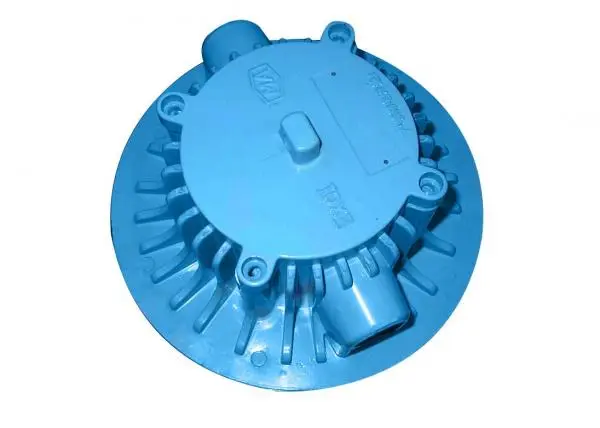
Yes, die casting is significantly faster than sand casting. While sand casting cycles can take hours to days per batch due to mold preparation and cooling requirements, die casting processes complete cycles in just seconds to minutes through automated systems and reusable steel molds. This speed advantage makes die casting the preferred choice for high-volume production runs where rapid throughput and consistent quality standards are essential for meeting tight delivery schedules in competitive manufacturing environments.
Introduction
The speed at which you make things has a direct effect on your bottom line, especially when you're in charge of complicated supply lines in the aerospace, automobile, and industrial equipment industries. This complete guide makes it easy to understand the die casting and sand casting methods and stresses how important they are in industrial purchasing choices. Choosing the right casting method has a direct effect on production speed, cost-effectiveness, and product quality. These are all important factors for B2B clients who are in charge of complex supply chains.
Today's procurement workers are under more and more pressure to cut down on wait times while still meeting high quality standards. Choosing between standard sand forming methods and high-pressure casting methods can make or break your project's ability to meet important goals. This research helps procurement teams make choices that are in line with operational goals and market needs across a wide range of manufacturing uses by looking at key differences and how they affect business.
Understanding Die Casting and Sand Casting Processes
Using high-pressure metal injection is a clever way to make things. Melting aluminum, zinc, or magnesium alloys are pushed into precisely designed steel molds under a lot of pressure. For materials with a low melting point, like zinc, this process uses hot chamber systems. For materials with a higher melting point, like aluminum and magnesium, it uses cold chamber setups. There are four separate steps in the process: preparing the mold with the right amount of oil, filling the hole with high pressure, controlling the cooling and solidification, and automatically ejecting the part.
The technology is great at making complicated shapes with very tight limits on dimensions, and it can get surfaces that are smooth enough that extra machining is often not needed. Modern die casting machines have high-tech automatic systems that keep an eye on temperature, pressure, and cycle time to make sure that the results are the same after thousands of production cycles. Because of these features, it is especially useful for parts of cars, housings for consumer electronics, and precise machinery parts where size accuracy is still very important.
Sand casting is a more traditional method that uses crushed sand mixes to make molds. It allows for a lot of different shapes and sizes that would not be possible with pressure injection methods. This method works well for making samples or small parts where equipment costs need to be kept low. It can also be used with a wider range of materials, such as ferrous alloys. Making patterns, putting together molds, pouring, cooling, and finishing are all steps in the method that take skilled work but give designers more freedom than other methods.
Each process has its own benefits that affect how things are bought in the future. High-pressure injection focuses on speed and accuracy, while sand making is more flexible and cost-effective for specific tasks that need special shapes or material qualities.
Speed Comparison: Is Die Casting Faster Than Sand Casting?
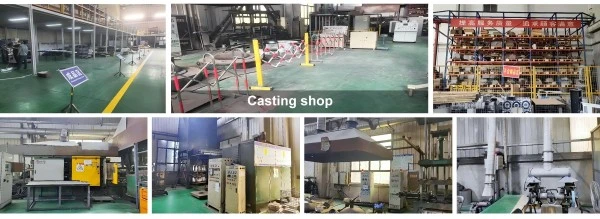
When you look at full cycle times and throughput powers, you can see that these casting methods have different production speeds. By automating and reusing tools, die casting greatly shortens the time it takes to make something, which makes it possible to make a lot of things at a steady rate. Individual cycles can be finished by advanced systems in 30 seconds to 3 minutes, based on the complexity of the parts and the amount of material needed. Automated handling systems keep the production flow steady without any help from a person.
This efficiency comes from a number of technology advances that make the producing process easier:
• Automatic injection systems get rid of the need to handle metal by hand and make sure exact filling speeds that keep air out and reduce surface flaws.
• Reusable steel molds keep their shape over thousands of rounds, and built-in cooling circuits make it easy to control the temperature quickly.
• Integrated quality tracking tools find differences right away, stopping faulty parts from getting into the supply chain.
• Robotic handling equipment takes care of removing parts, cutting them, and doing the first quality check all without stopping production.
These technological advances lead to measured increases in productivity that have a big effect on the time and cost structures of buying.
Due to the need to prepare the model, longer cooling cycles, and finishing operations that are done by hand, sand casting takes a lot longer to make. From setting up the pattern to the final inspection, each part may take between 8 and 48 hours. Components with complex shapes may need extra time for core placement and assembly proof. The process has many human steps that make cycle times unpredictable and need skilled workers to keep quality standards high.
But sand forming has clear benefits in certain buying situations where design freedom is more important than speed. Sand casting is a good way to make prototypes, building parts, and specialized industrial equipment because it can work with complicated shapes without having to buy expensive tools.
Other Performance Factors Influencing Procurement Decisions
There are big differences between things that are compared based on quality and accuracy that go beyond just speed. With limits of ±0.1mm to ±0.3mm, high-pressure injection gives you better measurement accuracy. You can also get surface finishes of 1.6 to 3.2 micrometers Ra. These standards often get rid of the need for expensive secondary machining, which cuts down on production time and makes precise uses in the aerospace and automobile industries more cost-effective.
Die casting makes parts with uniform wall thickness, clear corners, and fine surface features that can't be achieved with sanding. The process makes it possible to build with thin walls as thin as 0.6 mm in aluminum alloys while keeping the structure strong in complex shapes. This feature is very important for uses that need to be light, since choosing the right materials has a direct effect on performance and fuel economy.
When you look at costs, you can see that different buying methods can benefit from different benefits. High-pressure casting benefits from economies of scale but requires substantial initial investments in steel tooling that can range from $10,000 to $100,000 depending on part complexity and size. The initial costs of sand casting are cheaper, with tooling investments usually being less than $5,000. However, the total cost of ownership for big production runs goes up because of higher labor costs per unit and longer cycle times.
Material suitability is another factor that affects the choice. For example, aluminum die casting works best with non-ferrous metals, while sand methods can cast almost any material, even steel, iron, and rare alloys. This adaptability is very important when designing with specific material properties in mind or when working with unique uses that need specific mechanical properties.
Often, the best process is chosen based on the surface finish needs. For example, high-pressure methods produce surfaces that are ready to paint or plate without any extra work. To get a finish quality that is similar to sand casting, the casting process usually needs to be machined or treated on the surface. This adds time and cost to the manufacturing process.
How to Choose Between Die Casting and Sand Casting in Your Supply Chain
Strategically choosing a casting method takes a thorough look at the size of the project, the level of complexity needed, and the time frame for delivery. Most of the time, die casting is better for high-volume production because it is faster and easier to repeat. This is especially true when the yearly production volume is more than 1,000 units and equipment investments are justified. Because the technology is automated, quality is always the same, and lean production concepts allow for less inventory and less operating capital.
Sand casting's design freedom and low startup costs make it a good choice for low-volume or trial uses. Because sand methods are flexible, they can be used for complex shapes that need to be designed over and over again. During the development stages of a product, this method works well because design optimization is more important than production efficiency.
Choosing the right supplier is also very important for the success of buying. Working with well-known precision casting companies gives you access to cutting-edge tools, high-quality systems, and technical know-how that can help with tough jobs. Leading providers keep their ISO standards up to date, use statistical process control, and provide extra services like design optimization and secondary operations that add value.
Strategic buying teams are using nearshore manufacturing choices more and more to keep quality standards high while reducing the complexity of transportation. Potential differences in cost can be balanced out by the fact that domestic providers make it easier to communicate, protect intellectual property, and cut down on shipping times. These things are especially important for projects that need to be finished quickly or goods that need to have a lot of tech changes.
Prototyping services let you test your idea before you buy a lot of tools. This lowers the risk of development and raises the quality of the end product. Progressive sellers offer fast prototyping services that shorten the time it takes to develop new products and give information about how they can be made and how to save money.
Future Trends and Innovations Impacting Die Casting Speed
High-pressure casting processes are becoming more and more efficient thanks to new production technologies. When ideas from Industry 4.0 are combined, they allow for real-time tracking, predictive maintenance, and automated quality control that cut down on downtime and increase output. Intelligent planning tools cut down on lead times by making production plans more efficient based on predicted demand and available materials in modern facilities.
Advanced process modeling software is used in die casting evolution to predict filling patterns, find possible flaws, and improve gate design before the creation of real tools. With these simulation tools, development time is cut down while first-run quality is improved. This speeds up the time it takes for new goods to reach the market in a wide range of industry settings.
New hybrid manufacturing methods combine additive manufacturing with traditional casting methods to solve hard design problems that need both accuracy and adaptability. These methods make it possible to make parts with cooling pathways inside, lightweight grid structures, and built-in features that aren't possible with normal manufacturing methods.
Energy-efficient melting systems, waste heat recovery, and closed-loop recycling programs that lower operating costs and have less of an effect on the environment are all pushed by sustainability efforts. Researchers working on advanced alloys are mostly interested in making materials that perform better, have shorter turn times, and last longer for tools.
New developments in automation include joint robotics systems that can work with complicated part shapes and still be adaptable for switching between products. These technologies cut down on the need for workers while also making things safer and more consistent. This lets companies fight in global markets while keeping production in the United States.

Conclusion
When you compare the speeds of die casting and sand casting, it's clear that high-pressure methods are better for production settings that value output and accuracy. These days, automated systems finish tasks in minutes instead of hours. This lets makers meet tight delivery dates while still keeping high quality standards. To make the best choice, though, you need to carefully look at things like number needs, complexity limits, and cost factors that fit your specific buying goals. Strategic relationships with experienced suppliers give you access to cutting-edge technologies and technical know-how that make manufacturing more efficient and protect the long-term security of the supply chain for a wide range of industrial uses.
Partner with Rongbao Enterprise for Advanced Die Casting Solutions
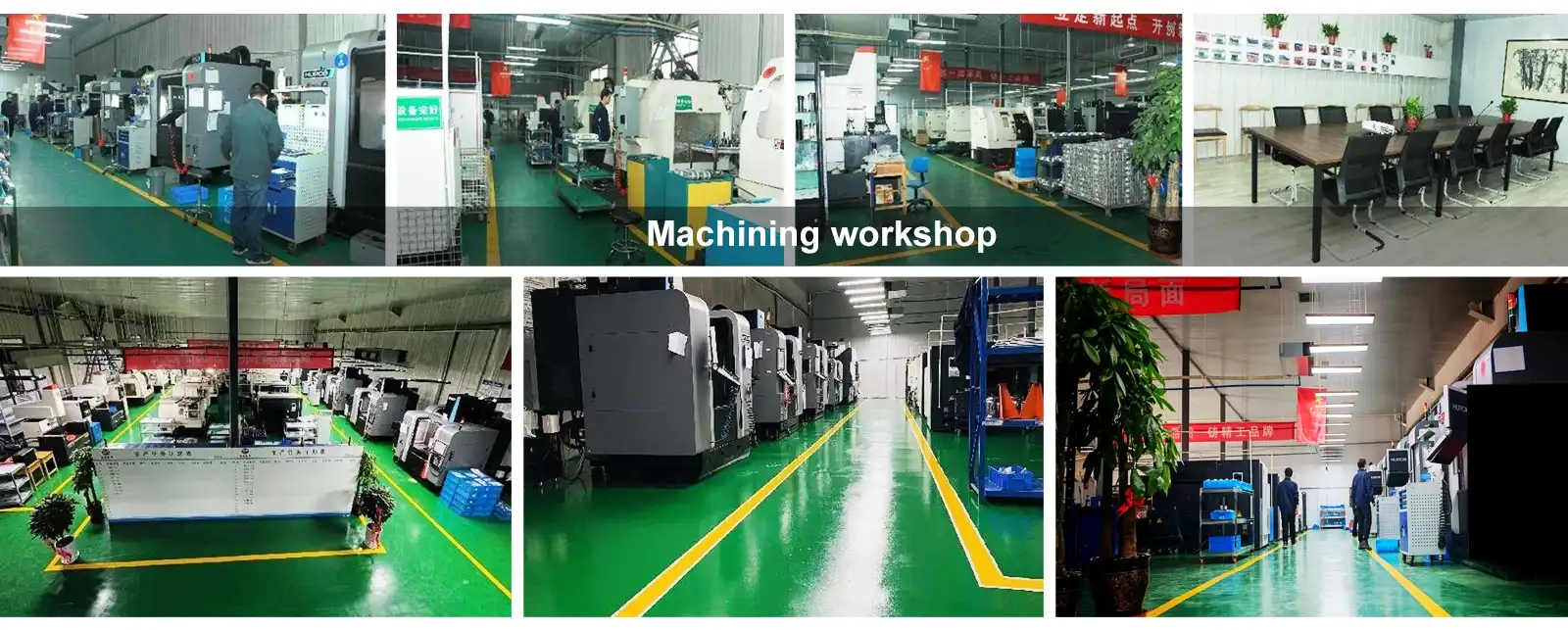
Rongbao Enterprise offers high-quality die casting services that cut down on production times by combining 20 years of experience in manufacturing with the latest robotic technology. Our wide range of skills includes high-pressure injection, low-pressure casting, and precise milling. We are certified by ISO9001, ISO14001, and ISO45001, which makes sure that the quality of all of our work is the same. We understand the high quality standards and tight delivery times that make B2B partnerships work because 70% of our production goes to markets in Europe, the United States, and Japan.
Our modern factories have high-tech automated machinery that handles the whole production process, from the first casting to the final check. Through single-source responsibility, this integrated method gets rid of the complexity of the supply chain and cuts down on wait times. Get in touch with our engineering team at steve.zhou@263.net or zhouyi@rongbaocasting.com to talk about your unique needs and find out how our die casting services can help you save money on your purchases. Go to rongbaocasting.com to learn more about our complete manufacturing options made for tough industrial uses.
FAQ
What cycle times can I expect from die casting versus sand casting?
Depending on the size and complexity of the part, die casting processes are usually finished in 30 seconds to 3 minutes. Because of the time needed to prepare the model, add the metal, let it cool, and finish it, sand casting takes 8 to 48 hours per batch. In high-volume production situations, die casting can make 200 to 800 parts per day, while sand casting can only make 10 to 50 parts per day.
When should I choose sand casting over die casting for my project?
Die casting isn't good for low-volume production (less than 1,000 units per year), prototype development, big parts that weigh more than 50 pounds, or using metal materials that die casting can't handle. The method also works well for situations where design changes need to happen often but the cost of changing the tools would be too high.
How do quality standards compare between these casting methods?
With limits of ±0.1 to 0.3mm and surface finishes of 1.6 to 3.2 micrometers Ra, die casting gives you the most accurate measurements possible. Sand casting usually gets limits of ±0.8 to 1.6 mm, but rougher surfaces need more work to be done on them. When controlled and watched carefully, both ways can meet world quality standards.
References
1. Campbell, John. "Complete Casting Handbook: Metal Casting Processes, Metallurgy, Techniques and Design." Butterworth-Heinemann, 2015.
2. Flemings, Merton C. "Solidification Processing in Metal Casting and Die Casting Operations." Materials Science and Engineering Review, 2018.
3. ASM International Handbook Committee. "ASM Handbook Volume 15: Casting Processes and Manufacturing Technologies." ASM International, 2020.
4. Brown, James R. "Foseco Ferrous Foundryman's Handbook: Die Casting and Sand Casting Comparative Analysis." Butterworth-Heinemann, 2017.
5. Society of Manufacturing Engineers. "Manufacturing Engineering Handbook: Advanced Casting Technologies and Process Optimization." SME Publications, 2019.
6. International Journal of Metalcasting Research. "Comparative Study of Cycle Times in Modern Die Casting versus Traditional Sand Casting Methods." Manufacturing Technology Review, 2021.
Learn about our latest products and discounts through SMS or email