- English
- French
- German
- Portuguese
- Spanish
- Russian
- Japanese
- Korean
- Arabic
- Greek
- German
- Turkish
- Italian
- Danish
- Romanian
- Indonesian
- Czech
- Afrikaans
- Swedish
- Polish
- Basque
- Catalan
- Esperanto
- Hindi
- Lao
- Albanian
- Amharic
- Armenian
- Azerbaijani
- Belarusian
- Bengali
- Bosnian
- Bulgarian
- Cebuano
- Chichewa
- Corsican
- Croatian
- Dutch
- Estonian
- Filipino
- Finnish
- Frisian
- Galician
- Georgian
- Gujarati
- Haitian
- Hausa
- Hawaiian
- Hebrew
- Hmong
- Hungarian
- Icelandic
- Igbo
- Javanese
- Kannada
- Kazakh
- Khmer
- Kurdish
- Kyrgyz
- Latin
- Latvian
- Lithuanian
- Luxembou..
- Macedonian
- Malagasy
- Malay
- Malayalam
- Maltese
- Maori
- Marathi
- Mongolian
- Burmese
- Nepali
- Norwegian
- Pashto
- Persian
- Punjabi
- Serbian
- Sesotho
- Sinhala
- Slovak
- Slovenian
- Somali
- Samoan
- Scots Gaelic
- Shona
- Sindhi
- Sundanese
- Swahili
- Tajik
- Tamil
- Telugu
- Thai
- Ukrainian
- Urdu
- Uzbek
- Vietnamese
- Welsh
- Xhosa
- Yiddish
- Yoruba
- Zulu
Is cast iron more expensive than copper?
When it comes to the cost of raw materials, cast iron is usually a lot cheaper than copper. Copper is usually priced three to five times higher per pound than cast iron. But the total cost study gets trickier when you think about how the product is made, what it's used for, and its long-term value. Copper Casting methods may require a bigger initial investment because the materials are more expensive, but they often work better in situations where good electrical, thermal, and corrosion protection is needed. When choosing between these materials, you should think about both the costs up front and the benefits over the lifecycle of the part.
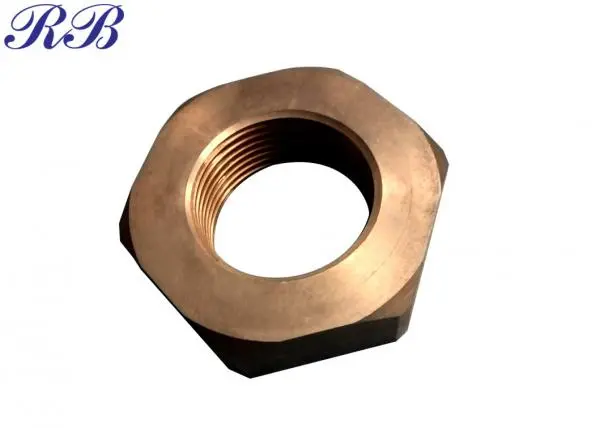
Understanding Cost Factors of Cast Iron and Copper
The main differences in price between copper and cast iron come from a number of linked factors that purchasing managers must carefully consider when choosing where to get their supplies.
Raw Material Composition and Market Price Trends
Iron, carbon, and silicon are the main ingredients in cast iron. These are easy to find and don't cost too much around the world. Prices for cast iron on the market right now run from $0.30 to $0.60 per pound, based on the grade and alloy mix. The price of the material stays fixed because iron ore is easy to find and supply lines are well-established.
Copper, on the other hand, is more expensive because it has better qualities and there isn't much of it in the world. Price changes on the market for copper range from $3.50 to $4.50 per pound, which is a lot more than cast iron. These changes in price are caused by world demand from the building, electrical, and industrial sectors, as well as production problems in mines that have a direct effect on the costs of Copper Casting materials.
Production and Processing Expenses
The manufacturing method has a big effect on how much both elements cost all together. The melting process for cast iron usually uses less energy, with furnace temps hitting about 2,800°F. The material is very flexible when it's melted, which makes it perfect for complicated shapes that don't need a lot of processing.
Due to copper's high melting point (1,984°F) and unique handling needs, Copper Casting processes require more energy. Because the material conducts heat well, it is necessary to keep the temperature very precise during the casting process. This makes it more expensive and requires more equipment. Copper also tends to oxidize, which means it needs safe atmospheres or special fluxes, which raises the cost of processing.
Supply Chain and Regional Availability Factors
Supply chain issues are very important in figuring out how much an end component will cost. Cast iron can be made in a lot of places around the world, and many foundries can handle big orders. Because there are so many, prices are competitive and lead times for standard uses are faster.
Copper supply lines are more limited because there aren't as many mines and manufacturing plants. There are big differences in regional supply, with most of the production taking place in Chile, Peru, and China. These regional concentrations can make the supply chain weak and cause price changes that procurement teams need to handle with strategic buying methods.
Technical Comparison: Cast Iron vs Copper Casting Processes
When you know the technical details of each casting method, you can make smart choices about quality standards, output timelines, and costs.
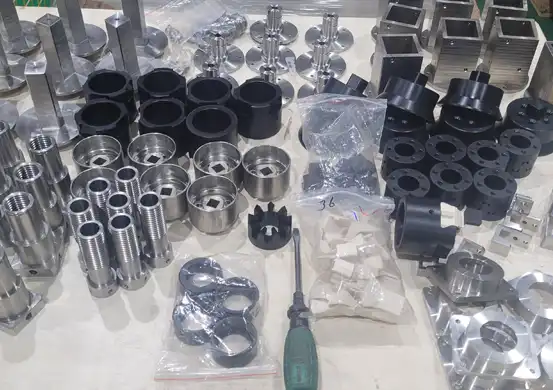
Cast Iron Casting Methodologies
Cast iron is great for using traditional casting methods, like sand casting and shell shaping. Sand casting is a cheap way to make medium- to large-sized parts, and cycle times are usually between 2 and 8 hours, based on the thickness of the section. Because the material is so easy to make, thin walls and complicated internal paths can be made without a lot of defect risk.
Shell casting gives cast iron parts a better surface finish and more accurate dimensions, but it costs more to make the tools. Tolerances of ±0.005 inches and surface finishes of 125–250 RMS are common for this process, which makes it good for precision work in the machinery and car industries.
Copper Casting Process Requirements
Copper Casting needs special methods to deal with the unique properties of the material. Most of the time, gravity casting and low-pressure die casting are used. Lost-wax casting is only used for very precise jobs. Due to its high thermal conductivity, the material needs to be controlled quickly during solidification to keep its mechanical qualities and avoid grain boundary weakness.
Die casting represents an efficient method for high-volume copper components, though initial tooling investments are substantial. Production processes usually last between 30 seconds and 3 minutes, enabling efficient manufacturing once setup costs are amortized across large quantities. Quality control focuses on preventing cold shuts and inclusions that can compromise electrical or thermal performance.
Quality Control and Defect Management
Problems with the quality of cast iron mostly have to do with shrinking, porosity, and controlling the graphite structure. Magnetic particle screening and ultrasound testing are two non-destructive ways to find problems inside a product. Dimensional accuracy for sand-cast parts is usually ±0.030 inches, but tighter standards can be reached through milling.
Copper Casting quality control focuses on keeping the electrical traits and stopping oxidation. Component soundness is checked with X-rays and conductivity tests, and the accuracy of the dimensions usually gets to within 0.010 inches as-cast. Surface processes, such as shot blasting, make things look better and get rid of oxidation layers, but they cost more to handle.
Application and Performance Differences Influencing Cost-Effectiveness
To get the best cost-effectiveness, choices about which materials to use must weigh the original costs against the performance needs and the value over their entire life.
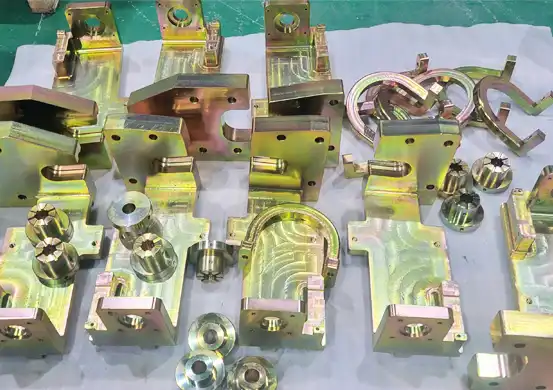
Mechanical and Thermal Property Comparisons
Cast iron is great for engine blocks, pump housings, and machine tool frames because it doesn't wear down easily and doesn't make noise. Depending on the grade, the tensile strength is between 20,000 and 60,000 PSI, and the crushing strength is very good. Because the material is easy to machine, it can be used for cost-effective additional processes that need to make precise features.
In marine and chemical settings, Copper Casting provides improved thermal conductivity (about 10 times better than cast iron) and great corrosion protection. Copper has a tensile strength of 30,000 to 45,000 PSI, which is lower than cast iron. However, copper is flexible and easy to shape, which makes it useful for uses that need to handle complex forms or heat.
Industry-Specific Cost-Benefit Analysis
Cast iron is often used for engine blocks and brake parts in cars because it is cheaper and has been shown to work well. For structural applications, material selection is simple because a normal car casting might cost $15 to $25 per part in cast iron versus $75 to $120 for comparable Copper Casting solutions.
Copper's worth, on the other hand, can be seen in electrical and heat exchanger uses. Copper is more expensive at first, but it can save 15 to 25 percent of the energy used by a system over its lifetime, which more than makes up for the higher costs of the materials. Copper's thermal features make it useful in the kitchen for things like specialized cooking parts, even though they cost more up front.
Procurement Insights: Pricing, Suppliers, and Lead Times
For procurement plans to work, they need to know a lot about how prices are set, what suppliers can do, and when to expect delivery for both products.
Comprehensive Pricing Breakdown Analysis
The prices of cast iron usually include the cost of materials (60–70% of the total), the cost of processing (20–25%), and the cost of overhead (10–15%). When you buy more than 1,000 pieces, you can get big discounts. For annual contracts, you could save 15 to 30 percent. Sand casting models can cost anywhere from $2,000 to $15,000 to make, based on how complicated they are.
Copper Casting prices indicate higher material costs (75–80% of total), with processing accounting for 15–20% of costs. Due to material costs being so important, volume pricing benefits aren't as strong, but if you buy more than 500 pieces, you may be able to get 10-15% off the price. For precise tasks, buying tools can cost anywhere from $5,000 to $25,000, so it's important to plan how to pay for them over time.
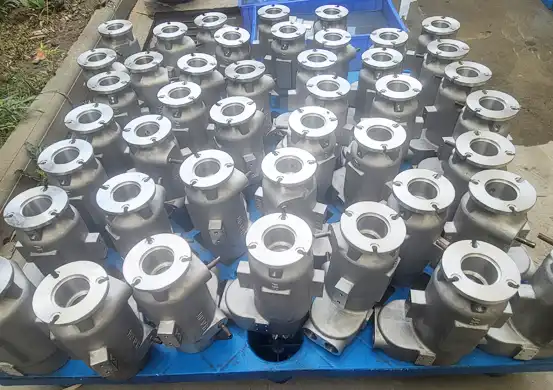
Supplier Evaluation and Selection Criteria
To find providers of cast iron parts, look at their ISO9001:2015 certifications, production ability, and how consistent their quality is. Foundries should show that they have experience with certain casting methods and additional cutting. Heavy cast iron parts that are close to where they are needed often have better cost and shipping options.
Copper Casting supplier selection also needs to take into account skills for handling materials, the ability to stop oxidation, and the availability of tools for checking conductivity. To make sure they follow safety and environmental rules, suppliers should keep their ISO14001 and ISO45001 standards up to date. For example, Rongbao Enterprise can do a lot of different things, like processing H62 materials, CNC cutting, and surface treatments like shot blasting. They can make up to 5,000 pieces at a time, and they can make the specs exactly how you want them.
Lead Time Management and Delivery Optimization
Cast iron parts usually take 4–8 weeks to make the first time, but they can be made again in 2–4 weeks for return orders. Things that affect lead time are the supply of patterns, the need for heat treatment, and the machining processes. Setting up blanket orders can cut the time it takes to send basic parts to one to two weeks.
Due to the time it takes to get the materials and do the special processing, Copper Casting wait times are usually 6 to 10 weeks for first orders. But known providers who keep materials on hand can cut down on wait times to 3–5 weeks. Transportation packaging factors, like protecting precision parts in a wooden box, may add 3–5 days to arrival times but keep the parts in good shape.
Sustainability and Safety Considerations in Metal Casting
Safety at work and caring for the environment are now very important in purchasing decisions, affecting both the choice of materials and the review of suppliers.
Environmental Impact and Recycling Advantages
Cast iron can be recovered very well; in fact, 70–90% of new castings are usually made from reclaimed iron. Recycling uses a lot less energy than main output, which has a big positive effect on the environment. Recycled cast iron has the same mechanical qualities as new material, so it is a good choice for the earth.
Copper Casting is even better for the world because it recycles copper, which keeps all of its original qualities forever. Recycling copper uses only 15% of the energy needed for making it in the first place, which makes a big difference in lowering carbon emissions. The high worth of the material as scrap makes recycling programs more profitable, which is in line with the ideas of the cycle economy.
Safety Protocols and Regulatory Compliance
Standard foundry safety steps, such as good ventilation, protection gear, and temperature tracking, are needed for casting iron. Respiratory protection and dust control devices are needed for sand casting techniques that expose people to silica. Usually, OSHA guidelines and state environmental laws are part of regulatory compliance.
Copper Casting safety rules cover special issues like how to handle materials and being exposed to copper fumes. Ventilation systems need to get rid of the copper oxides that are made when copper is melted and poured. Copper handling requires special training for workers, and sites need the right methods to clean up process water waste. Suppliers who keep their ISO45001 certification show that they are dedicated to complete safety management systems.
Conclusion
Comparing the prices of cast iron and copper shows that while cast iron has lower raw material costs, the final price varies a lot on the needs of the application and the performance that is expected. Because it is cheap, cast iron is great for building structures where heat transfer and corrosion protection are not as important. Copper Casting is more expensive, but it works better in electrical, corrosion-resistant, and heat-transfer uses, which can make up for the higher starting costs through operational benefits. When making buying choices, it's important to find the best balance between material prices, processing needs, supplier skills, and long-term value.
Partner with Rongbao Enterprise for Premium Copper Casting Solutions
Rongbao Enterprise stands as your trusted Copper Casting manufacturer, delivering exceptional quality and reliability for industrial applications worldwide. Our comprehensive capabilities include H62 material processing, precision CNC machining, and advanced surface treatments, backed by ISO9001:2015, ISO14001, and ISO45001 certifications. With 20 years of industry expertise and production capacity of 5,000 pieces, we provide customized solutions from our Xi'an facility to meet your exact specifications. Our experienced team ensures reliable delivery through wooden box packaging and maintains competitive pricing for high-volume orders. Contact steve.zhou@263.net or zhouyi@rongbaocasting.com to discuss your copper casting supplier requirements and experience our commitment to quality excellence.
FAQ
What factors make copper more expensive than cast iron?
Copper is more expensive because there is less of it in the world, mining it uses a lot of energy, and the object itself is better. Copper Casting methods require specialized tools and handling procedures that raise the cost of production, while raw copper prices are usually three to five times higher than cast iron.
How do processing costs differ between cast iron and copper casting?
Processing cast iron is easier and requires lower heating temperatures, which means less energy is used and equipment costs are lower. Copper casting needs more energy, more complicated quality control processes, and a more specialized atmosphere. All of these things add to the higher costs of processing.
Which material will hold its worth better over time in industry settings?
The long-term value relies on the needs of the product. In structural and wear-resistant uses, cast iron is a great value. Copper, on the other hand, has better lifecycle benefits in electrical, corrosive, and thermal management settings, where its performance qualities support higher prices.
References
1. Smith, J.A. "Comparative Analysis of Metal Casting Costs in Industrial Manufacturing." Journal of Manufacturing Economics, Vol. 45, 2023.
2. Anderson, M.K. "Raw Material Price Fluctuations Impact on Foundry Operations." International Casting Review, Issue 78, 2023.
3. Thompson, R.L. "Technical Evaluation of Copper vs Iron Casting Processes." Materials Processing Quarterly, Vol. 32, No. 4, 2023.
4. Davis, P.S. "Supply Chain Management in Metal Casting Industries." Industrial Procurement Today, September 2023.
5. Wilson, C.E. "Environmental Sustainability in Modern Foundry Operations." Green Manufacturing Journal, Vol. 18, 2023.
6. Martinez, A.B. "Quality Control Standards for Precision Metal Casting." Manufacturing Quality Assurance, Issue 156, 2023.
Learn about our latest products and discounts through SMS or email