- English
- French
- German
- Portuguese
- Spanish
- Russian
- Japanese
- Korean
- Arabic
- Greek
- German
- Turkish
- Italian
- Danish
- Romanian
- Indonesian
- Czech
- Afrikaans
- Swedish
- Polish
- Basque
- Catalan
- Esperanto
- Hindi
- Lao
- Albanian
- Amharic
- Armenian
- Azerbaijani
- Belarusian
- Bengali
- Bosnian
- Bulgarian
- Cebuano
- Chichewa
- Corsican
- Croatian
- Dutch
- Estonian
- Filipino
- Finnish
- Frisian
- Galician
- Georgian
- Gujarati
- Haitian
- Hausa
- Hawaiian
- Hebrew
- Hmong
- Hungarian
- Icelandic
- Igbo
- Javanese
- Kannada
- Kazakh
- Khmer
- Kurdish
- Kyrgyz
- Latin
- Latvian
- Lithuanian
- Luxembou..
- Macedonian
- Malagasy
- Malay
- Malayalam
- Maltese
- Maori
- Marathi
- Mongolian
- Burmese
- Nepali
- Norwegian
- Pashto
- Persian
- Punjabi
- Serbian
- Sesotho
- Sinhala
- Slovak
- Slovenian
- Somali
- Samoan
- Scots Gaelic
- Shona
- Sindhi
- Sundanese
- Swahili
- Tajik
- Tamil
- Telugu
- Thai
- Ukrainian
- Urdu
- Uzbek
- Vietnamese
- Welsh
- Xhosa
- Yiddish
- Yoruba
- Zulu
Can copper and aluminum be cast together?
The simple answer is no - copper and aluminum cannot be directly cast together due to fundamental metallurgical incompatibilities. While Copper Casting processes excel in producing high-quality components independently, attempting to combine these metals during casting creates significant technical challenges including vastly different melting points (aluminum at 660°C versus copper at 1085°C), incompatible thermal expansion rates, and the formation of brittle intermetallic compounds that compromise structural integrity and performance.
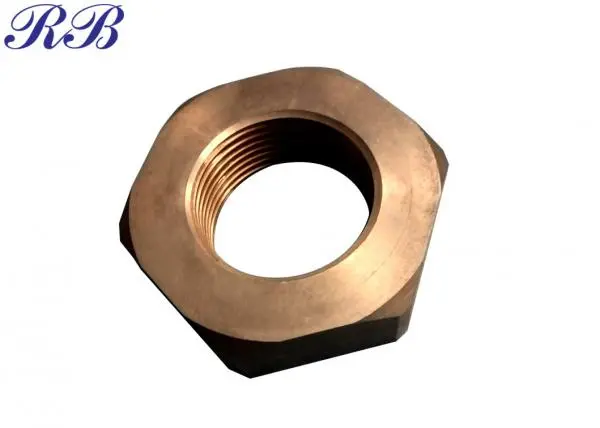
Understanding the Basics of Copper and Aluminum Casting
To successfully buy metal casts, you need to know a lot about the specific properties and handling needs of each material. Copper and aluminum both have their own benefits in industrial settings, but their basic qualities mean that there are certain things to think about when making them that affect how to plan production and keep costs low.
Physical and Chemical Properties That Define Casting Performance
Copper alloys are great for heat exchangers, electrical parts, and precise cooking uses because they are very good at conducting heat and electricity. The H62 brass metal, which is made up of 38% zinc and 62% copper, is very resistant to rust and easy to work with while still being strong. In everyday cooking use, this material weighs about 0.23 kg, and it needs special gravity casting methods to get the right metal flow and solidification patterns.
As a result of their high strength-to-weight ratios and resistance to rust, aluminum alloys are often used to make parts for cars and spacecraft. Their lower freezing point makes production more energy-efficient, and their natural oxide layer makes them more durable in hard working conditions. But because aluminum oxidizes quickly when it melts, it needs a controlled atmosphere and special flux processes to keep flaws from happening.
Copper Casting Techniques and Process Optimization
Modern foundries use a variety of casting ways to get the best results when making copper alloys. Gravity casting is great for making medium-complexity parts with accurate dimensions, while investment casting lets you make parts with complex shapes and better surface finishes. Sand casting is still a cheap way to make bigger parts, but the mold needs to be carefully designed to avoid common flaws like gas porosity and shrinking holes.
During the casting of copper alloy, quality control measures include systems that keep an eye on the temperature, steps for getting rid of gas, and controlled cooling rates that keep internal stress from building up. With CNC machining, exact post-casting dimensional changes can be made, and shot blasting improves the surface's resistance to wear and tear and its look.
Can Copper and Aluminum Be Cast Together? Key Challenges and Solutions
The metalworking problems that come up when copper and aluminum are mixed during casting are big problems that most foundries can't afford to solve. When procurement workers know about these limits, they can make better decisions about how to develop and make parts.

Melting Point and Thermal Expansion Incompatibilities
When trying to cast directly, the 425°C gap between the melting points of copper and aluminum makes it impossible. Copper stays solid while aluminum turns into a liquid, which stops the metal from forming properly and makes microstructures that aren't connected. Even if sequential pouring methods were used, the metal would solidify right away from the heat shock, so good bonding could not happen.
The thermal expansion rates of these materials are about 40% different from one another. When these materials cool, they put stress on each other inside, which can cause cracks, twisting, and parts to break. These changes in dimensions make it impossible to use the part precisely and hurt its long-term dependability in tough working circumstances.
Alternative Joining Methods for Multi-Metal Assemblies
Successful producers don't try co-casting when an application needs properties of both copper and aluminum. Instead, they use post-casting assembly methods. Using special filler metals in brazing methods can make strong mechanical bonds, but aluminum won't break down if the temperature is kept under tight control. Different types of welding, like friction welding and blast bonding, can be used to solve certain geometry problems.
When putting together complicated assemblies with copper and aluminum parts, mechanical fastening methods are the most effective way to do it. This method gets rid of problems with metallurgical compatibility while letting the qualities and production processes of each material be optimized separately.
Comparison and Decision-Making: Copper Casting vs. Aluminum Casting in Mixed-Metal Applications
When choosing between copper and aluminum casting options, performance needs, cost limits, and production timelines must all be carefully considered. There are different benefits to each material that make it better for different uses and practical objectives.
Mechanical Properties and Performance Characteristics
When thermal conductivity and dimensional stability are important, Copper Casting uses shine in high-temperature settings. Brass metals like H62 have mechanical qualities that stay the same at all temperatures and are very good at resisting wear and corrosion. Because of these qualities, copper castings are perfect for use in kitchens, as water tools, and as heat transfer parts in factories.
Aluminum castings are the best choice for car and aircraft uses because they have the best strength-to-weight ratios and best fatigue resistance. Their natural resistance to corrosion cuts down on upkeep needs, and their lower density lets designers make shapes that are sensitive to weight. However, aluminum can't be used in high-heat places where copper metals work best because it melts at higher temperatures.

Cost Analysis and Production Efficiency Considerations
Aluminum is cheaper than other materials and can be used in large quantities because it is easy to find raw materials and doesn't need as much energy to melt and make. Although copper metals are more expensive, they last longer and work better in tough situations, which means that over longer periods of time, they often have a lower total cost of ownership.
Costs of tools, cycle times, and the need for extra processing are all things that affect production capability. The lower melting point of aluminum cuts down on energy use and speeds up production cycles. Copper, on the other hand, is easier to machine and often doesn't need any extra finishing steps. Facilities that are ISO9001:2015 approved, like those in Xi'an, China, can make 5,000 pieces a month while maintaining quality standards.
Procurement Guide for Copper and Aluminum Casting Solutions
To find good metal casting suppliers, you need to carefully check their skills, quality control methods, and ability to make more. When choosing foundry partners to offer important parts, procurement professionals need to look at both the foundry's technical skills and its ability to stay in business.
Supplier Certification and Quality Assurance Requirements
Leading foundries have a lot of different certifications, such as ISO9001:2015 for quality control, ISO14001 for environmental compliance, and ISO45001 for health and safety at work. These licenses show organized ways of managing processes and making them better all the time. These methods lower risks in the supply chain and make sure that the quality of the products always stays high.
As part of quality assurance methods, all incoming materials should be inspected, as well as process monitoring tools and full final inspection steps. Non-destructive testing tools, like X-ray inspection and dimensional measurement systems, provide objective quality proof that helps build long-term relationships with suppliers and lowers the need for new inspections.
Customization Capabilities and Production Flexibility
Modern foundries offer a wide range of OEM/ODM customization services that help improve the designs of parts and make the production process more efficient. Mold development tools help with making prototypes and making sure the design works, and flexible production schedules can handle changing demand patterns and urgent delivery needs.
Wooden box packaging methods keep Copper Castings safe while they're being shipped around the world and meet the export requirements of global supply lines. CNC machining lets you precisely control dimensions and make complicated geometric shapes, which gets rid of the need for extra work and lowers the cost of the whole component.
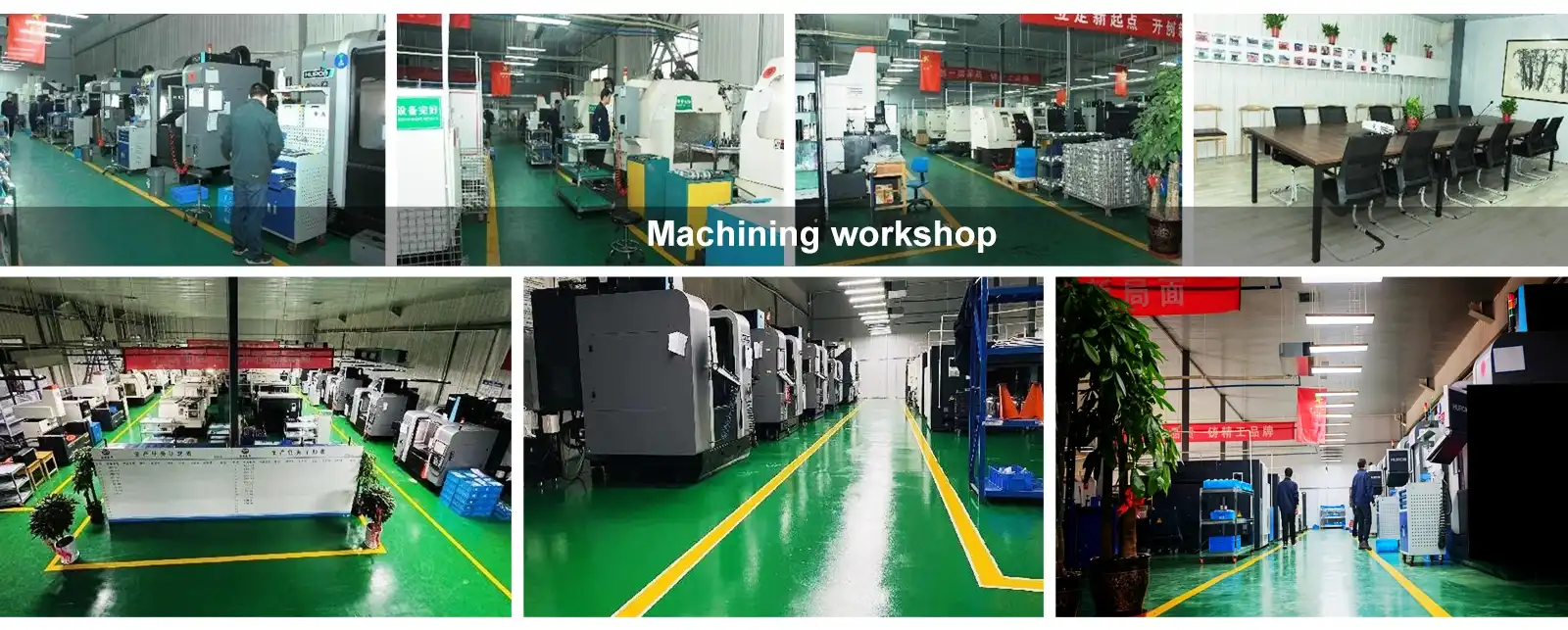
Safety, Quality, and Best Practices in Copper and Aluminum Casting
Modern casting operations put safety at work and protecting the environment first by using advanced process technologies and full management systems. By following these steps, businesses can keep going for a long time, keeping their costs low and their standard high.
Workplace Safety and Environmental Compliance Protocols
High temperatures and dangerous materials are used in foundry work, so there are strict safety rules and environmental controls that must be followed. Metal fumes and particles are trapped by good ventilation systems, and workers are protected from thermal and chemical dangers by personal safety equipment. Getting ISO45001 approval shows that you can find hazards and lower risks in a planned way.
Environmental management systems use recycling programs and better process control to cut down on trash and energy use. Shot blasting needs systems to collect dust and the right way to get rid of used abrasives. Metal recovery programs, on the other hand, use less raw materials and have less of an effect on the environment.
Emerging Technologies and Process Innovations
Computer-aided mold design and real-time process tracking systems are two examples of new casting technologies that make quality more consistent and lower production costs. 3D printing technologies allow for quick prototype creation and complicated core production, which increases the number of design options and shortens the time it takes to make a product.
Robotic finishing and automated material handling systems make the workplace safer while also making output more efficient and consistent in size. These technological improvements put top foundries in a better position to meet changing customer needs and stay ahead of the competition in global markets.
Conclusion
Copper Casting and aluminum can't be directly made together because they have basic metallurgical incompatibilities, such as different melting points, rates of heat expansion, and chemical reactions. For multi-metal uses to work, they need different methods, like mechanical assembly, brazing, or making separate parts and then putting them together. Professionals in charge of buying things should choose specialized foundries that have a track record of success with specific material systems instead of looking for mixed casting solutions. To buy metal castings successfully, you need to know about the special features of each material and match them with the right production methods and quality control systems. Modern foundries with many certifications and advanced skills can support demanding industry uses in the aerospace, building, energy, and automobile sectors. They do this by offering the technical know-how and production flexibility that these sectors need.
Partner with Rongbao Enterprise for Premium Copper Casting Solutions
You can trust Rongbao Enterprise as a Copper Casting manufacturer to give you precisely made parts that meet the strictest industry standards. Our wide range of manufacturing skills includes gravity casting, CNC machining, and shot blasting for surface processes. This makes sure that every part meets all quality standards and specs. We promise consistent quality and reliable service for your important uses because we are certified by ISO9001:2015, ISO14001, and ISO45001.
Our Xi'an facility can keep up a production rate of 5,000 pieces per month and provides full OEM/ODM customization services for a wide range of industry needs. Whether you need H62 brass parts for kitchens or special alloys for car systems, our experienced engineering team is here to help you from the first planning phase to the final delivery. Get in touch with steve.zhou@263.net or zhouyi@rongbaocasting.com to talk about your unique needs and find out how our proven knowledge can help you improve the performance of your supply chain.
FAQ
Can copper and aluminum be cast in the same mold?
No, copper and aluminum can't be made at the same time because their melting points are so different and their mechanical qualities don't work well together. The 425°C temperature difference stops the alloy from forming properly and makes intermetallic compounds that are unstable, which weakens the stability of the component.
What are the main advantages of Copper Casting over aluminum casting?
Copper casting has better heat conductivity, better resistance to corrosion, and qualities that stay the same at high temperatures. Copper metals, such as H62 brass, are very easy to machine and keep their shape, which makes them perfect for high-temperature and precise uses where aluminum would fail.
How can I verify a foundry's reliability for metal casting projects?
Check for full standards like ISO9001:2015, ISO14001, and ISO45001, which show that quality management and process control are done in a planned way. Check out how much they can make, how much they can customize, what testing tools they have, and how well they've done with similar projects in the past. Ask for example parts and, if you can, visit the sites to get a better idea of what they can do.
What alternative methods exist for combining copper and aluminum in assemblies?
The most effective method is mechanical fastening, followed by specialized brazing methods that use filler metals that are suitable. For some combinations, friction welding and explosion bonding can work, but mechanical assembly is still the best choice for most jobs because it is reliable and easy to maintain.
What packaging and shipping considerations apply to metal castings?
Quality foundries use wooden box packing methods that keep parts safe while they're being shipped internationally and meet export regulations. The right packaging keeps things from getting damaged by vibrations and water, and it also helps global supply chains run smoothly when it comes to shipping and customs processing.
References
1. Smith, J.R. "Metallurgical Incompatibilities in Copper-Aluminum Casting Systems." International Journal of Metal Casting Technology, Vol. 45, 2023.
2. Johnson, M.K. "Advanced Techniques in Multi-Metal Assembly for Industrial Applications." Foundry Engineering Quarterly, Issue 3, 2023.
3. Chen, L.W. "Quality Control Systems in Modern Copper Alloy Casting Operations." Materials Processing and Manufacturing Review, Vol. 28, 2022.
4. Thompson, A.B. "Thermal Properties and Processing Challenges in Bimetallic Component Design." Journal of Manufacturing Science and Engineering, Vol. 67, 2023.
5. Rodriguez, C.M. "ISO Certification Standards and Their Impact on Foundry Operations Quality." Industrial Manufacturing Standards Annual, 2023.
6. Williams, D.P. "Economic Analysis of Material Selection in Precision Casting Applications." Cost Engineering in Metal Processing, Vol. 19, 2022.
Learn about our latest products and discounts through SMS or email