- English
- French
- German
- Portuguese
- Spanish
- Russian
- Japanese
- Korean
- Arabic
- Greek
- German
- Turkish
- Italian
- Danish
- Romanian
- Indonesian
- Czech
- Afrikaans
- Swedish
- Polish
- Basque
- Catalan
- Esperanto
- Hindi
- Lao
- Albanian
- Amharic
- Armenian
- Azerbaijani
- Belarusian
- Bengali
- Bosnian
- Bulgarian
- Cebuano
- Chichewa
- Corsican
- Croatian
- Dutch
- Estonian
- Filipino
- Finnish
- Frisian
- Galician
- Georgian
- Gujarati
- Haitian
- Hausa
- Hawaiian
- Hebrew
- Hmong
- Hungarian
- Icelandic
- Igbo
- Javanese
- Kannada
- Kazakh
- Khmer
- Kurdish
- Kyrgyz
- Latin
- Latvian
- Lithuanian
- Luxembou..
- Macedonian
- Malagasy
- Malay
- Malayalam
- Maltese
- Maori
- Marathi
- Mongolian
- Burmese
- Nepali
- Norwegian
- Pashto
- Persian
- Punjabi
- Serbian
- Sesotho
- Sinhala
- Slovak
- Slovenian
- Somali
- Samoan
- Scots Gaelic
- Shona
- Sindhi
- Sundanese
- Swahili
- Tajik
- Tamil
- Telugu
- Thai
- Ukrainian
- Urdu
- Uzbek
- Vietnamese
- Welsh
- Xhosa
- Yiddish
- Yoruba
- Zulu
How to cast copper?
Copper casting is a precision manufacturing process where molten copper is poured into specially designed molds to create complex parts and components. The process begins by heating copper to its melting point of 1083°C (1981°F), then carefully controlling the pour rate and cooling conditions to achieve desired metallurgical properties. Modern foundries utilize various techniques including sand casting, investment casting, and gravity casting to produce components ranging from electrical conductors to decorative kitchen hardware. The success of copper casting depends heavily on proper mold design, temperature management, and understanding copper's unique thermal expansion characteristics during solidification.
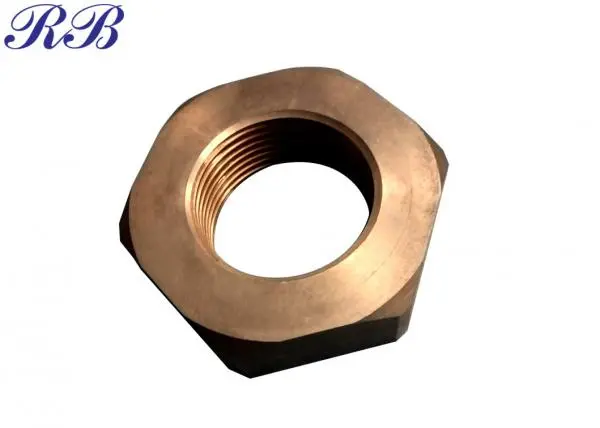
Understanding Copper Casting and Its Processes
Copper casting is one of the oldest metalworking techniques, but current uses require a level of accuracy and stability that has never been seen before. Heating solid copper to a melted state under controlled conditions is the basic process. Molds are then used to make the liquid copper into specific shapes.
The Science Behind Copper's Casting Properties
Copper is great for casting because it has special qualities that make it useful in many fields. Copper is great for heat transfer because it has a thermal conductivity of 401 watts per meter-kelvin. With an electrical conductivity of 59.6 million siemens per meter, the material is the best for electrical uses. Because of these natural features, casting parameters are directly affected, so foundries have to keep precise temperature control during the melting and pouring stages.
Most of the time, melting takes place in induction furnaces, which heat evenly with electromagnetic fields. It is very important to keep an eye on the temperature because too much heating can cause unwanted changes in the metal, and not enough heating can leave the mold unfilled. Professional foundries keep the liquid copper between 1150°C and 1200°C while it is being poured to make sure it flows smoothly without weakening the material.
Modern Casting Methodologies
These days, copper casting uses a number of different methods, each one best for a certain use and amount of production. Sand casting is still the most flexible method because it can use silica-based models to make things with complicated shapes and different batch sizes. Investment casting gives you better surface finishes and more accurate measurements, which makes it perfect for making precise parts that don't need much post-processing.
Gravity casting uses the pull of gravity to fill molds all the way to the top. This method is useful for kitchen purposes and artistic parts. This way of making parts keeps the cost-effectiveness for medium-volume production runs while still making parts with great structural stability. Modern foundries use automatic pouring systems that keep the temperature and flow rates of the metal constant. This cuts down on human mistake and makes consistency between batches better.
Key Benefits and Challenges of Copper Casting
Many different types of industries use copper casting because copper has special mechanical, heat, and electrical qualities. Procurement workers can make better sourcing choices when they know about both the pros and cons.
Strategic Advantages in Industrial Applications
Copper's natural ability to kill germs makes it very useful in the kitchen and for making food handling tools. The Environmental Protection Agency has confirmed that surfaces made of copper kill 99.9% of germs within two hours of touch. This trait, along with copper's resistance to rust, makes sure that it will work well for a long time in harsh conditions.
The material is very easy to machine, which lets exact post-casting processes like CNC machining and surface treatments happen. Through additional processes, parts can be made with tight tolerances while still keeping their structural integrity. Copper's predictable behavior during machining processes lowers production variability and the costs that come with it for buying teams that are in charge of handling complicated supply chains.
Addressing Common Casting Challenges
Even though copper has many benefits, casting processes face a number of technical issues that need to be managed in a responsible way. The most common flaw is porosity, which is usually caused by trapped gases or bad mold ventilation. Professional foundries deal with this by melting in a controlled atmosphere and making sure that the molds they use are well-designed and have enough cooling systems.
When solidifying, shrinkage can change the sizes of things, especially when the shapes are complicated. Expert foundries make up for it by changing the design and placing risers in a smart way, which makes sure that the whole space is filled while also allowing for thermal contraction. X-ray checking and measuring parts' sizes are two quality control procedures that help find problems before they reach customers.
Casting processes are being affected by environmental concerns more and more, and energy use and pollution need to be carefully managed. Modern foundries use heat recovery systems and electric melting tools to keep production going smoothly while also being better for the environment.
Comparative Analysis: Copper Casting vs. Other Metal Casting Methods
People who work in procurement should know how copper casting stacks up against other materials and methods. Each metal has its own benefits that depend on the purpose, the amount of output, and the budget.
Material Performance Characteristics
Copper is better at conducting heat than aluminum (401 W/mK vs. 237 W/mK), so it is the better choice for heat exchange uses. Aluminum is lighter because it has a smaller density (2.7 g/cm³ vs. 8.96 g/cm³), but in high-performance uses, copper's durability and long life often make up for the higher cost of the material.
Casting brass makes it easier to shape and hold, making it a good choice for mechanical parts that need to be resistant to wear. When it comes to marine settings, bronze is stronger and doesn't rust. But copper's pure makeup takes away any worries about alloy uniformity and makes performance consistent across a wide range of working conditions.
Economic and Production Considerations
A cost study shows that the higher material cost of copper is often made up for by its longer service life and lower upkeep needs. Copper parts that are investment cast usually cost 15–30% more than aluminum parts that are the same, but in some cases, the better heat and electrical qualities make the higher price worth it.
The amount of production has a big effect on the choice of method. The process of sand casting works well for both small prototypes and big production runs. Die casting is better for high-volume uses even though it costs more to make the molds. Investment casting is best for middle volumes that need a better surface finish.

Procuring Copper Castings: Finding the Right Supplier and Services
For buying plans to work, they need to carefully look at the skills, certifications, and quality systems of potential suppliers. The global copper casting market has a lot of choices, but it takes a lot of research to find sellers who can meet specific needs.
Evaluating Supplier Capabilities
Leading foundries show how skilled they are by having a lot of certifications, like ISO9001:2015, ISO14001, and ISO45001 standards. These certificates show that the company follows standard procedures for quality management, caring for the environment, and keeping workers safe on the job. Procurement teams should make it a priority for sellers to keep their certifications up to date and show that they are working to improve all the time.
Another important rating factor is production ability. Suppliers must show that they can meet expected numbers while still meeting quality standards. Usually, businesses that use manual processes don't get as reliable results as those that have modern melting equipment, automatic handling systems, and full testing capabilities.
Geographic Considerations and Supply Chain Management
China has become a major player in the production of copper castings, with places like Xi'an becoming experts in precision casting operations. A lot of the time, Chinese foundries offer reasonable prices and advanced manufacturing skills. This is especially true for parts that need extra steps like CNC cutting and surface treatments.
Logistics for transportation need to be carefully planned, especially for parts that need to be protected. Most copper castings are well protected in wooden boxes during international shipping, and special foam inserts keep precision surfaces from getting damaged. Depending on the complexity and number, lead times are usually between 4 and 8 weeks, which includes both production and shipping.
Practical Tips for Successful Copper Casting Projects
During the development process, the sourcing, engineering, and supply teams must work together to make copper casting projects successful. Getting casting experts involved early on keeps design changes from being too expensive and makes sure the best possible manufacturing conditions.
Design Optimization Strategies
Wall width consistency has a big effect on the quality of the casting and lowers the chance of defects. Keeping parts the same size, between 3 and 6 mm, strikes the best mix between using materials efficiently and keeping the structure strong. To help metal move smoothly and reduce stress concentrations, designers should use large radii at corners and transitions, usually 1.5 to 2 times the width of the wall next to it.
Draft angles make it easier to get rid of patterns and improve the quality of the surface finish. Draft angles of 1-3 degrees are common, and rely on the depth and complexity of the casting. For parts that need to be made with very tight specs, it may be necessary to do more CNC cutting, which will cost more but make sure the dimensions are correct.
Quality Control Implementation
Comprehensive inspection routines start with checking the arriving materials and go on until the last component is delivered. Non-destructive testing methods, such as dye penetrant inspection, find flaws on the surface, and measurement inspection makes sure the product meets the requirements.
Statistical process control helps find patterns before they have an effect on the quality of the result. Suppliers who keep thorough logs of the process and take corrective steps show that they are committed to improving all the time. Regular checks of suppliers make sure that quality standards are being met and look for ways to improve things.
Surface treatment choices, such as shot blasting, make the surface look better and prepare it consistently for the next step. Shot blasting gets rid of scale and other small flaws on the surface while making the roughness regular enough for coating.

Conclusion
The method of copper casting is still an important one for making precise parts for many different industry uses. When you combine copper's great temperature and electrical qualities with modern casting methods, you can make parts that meet very strict performance standards. To do a good job of buying, you need to know the basics of casting, check out the skills of suppliers, and put in place strict quality control measures. Organizations can get the best results while keeping costs low and delivery times reliable by working with experienced foundries that offer full manufacturing solutions, such as design optimization, casting, machining, and surface treatments.
Partner with Rongbao Enterprise for Premium Copper Casting Solutions
Rongbao Enterprise offers top-notch copper casting services backed by 20 years of excellent manufacturing and a wide range of quality certifications. The advanced gravity casting, precise CNC machining, and shot blasting surface processes at our Xi'an plant help us make high-quality parts for use in kitchens and factories. Our main product is H62 copper alloy parts that can be customized to fit your needs. We can make up to 5,000 pieces at a time and use ISO9001:2015, ISO14001, and ISO45001 approved methods to make sure the quality is always the same. Talk to our technical team at steve.zhou@263.net or zhouyi@rongbaocasting.com to discuss your copper casting requirements and find out why top makers choose Rongbao Enterprise as their go-to copper casting provider for dependable, low-cost solutions.
FAQ
What temperature range is optimal for copper casting operations?
During the melting and filling steps of copper casting, the temperature must be carefully controlled. The best temperature for filling is between 1150°C and 1200°C (2102°F to 2192°F), which is about 70 to 120°C above 1083°C, which is the melting point of copper. This temperature range makes sure that the flow is good enough for the mold to fill all the way, and it also keeps the metal from getting too hot, which could cause flaws in the structure. Professional foundries use precise pyrometers to keep an eye on the temperature all the time and change the heating settings based on the complexity of the part and the needs of the mold design.
How does copper casting compare to investment casting in terms of dimensional precision?
When it comes to accuracy, copper investment casting is usually better than sand casting. For small features, errors can reach ±0.1mm. Ceramic shell molds are used for investment casting because they reproduce surfaces very well and don't need much draft. But sand casting is still cheaper for bigger parts, and when mixed with precise molding, it can achieve ±0.3 to 0.5 mm tolerances. The choice relies on the level of accuracy needed, the amount of work that needs to be done, and the budget.
What design steps can help reduce the number of common casting flaws in copper parts?
Paying close attention to design basics and process factors is necessary to avoid casting flaws. Having walls that are all the same thickness stops different cooling rates that cause bending and stress clusters. When fillet angles are right, which are usually 1.5 to 2 times the wall thickness, metal flows more smoothly and there is less turbulence. The right form of gates and risers makes sure that the mold is fully filled and that there is enough metal supply during solidification and shrinking. Using the right draft angles also makes pattern removal easier and lowers the risk of mold damage that can cause surface flaws.
References
1. Davis, J.R. "Copper and Copper Alloys: ASM Specialty Handbook." ASM International Materials Park, 2008.
2. Campbell, John. "Complete Casting Handbook: Metal Casting Processes, Metallurgy, Techniques and Design." Butterworth-Heinemann, 2015.
3. Beeley, Peter R. "Foundry Technology." Newnes-Butterworths, 2001.
4. Stefanescu, Doru Michael. "Science and Engineering of Casting Solidification." Springer International Publishing, 2015.
5. Brown, John R. "Foseco Non-Ferrous Foundryman's Handbook." Butterworth-Heinemann, 1999.
6. Viswanathan, S. "Casting Processes and Modelling of Metallic Materials." Materials Science and Technology, 2017.
_1751078338779.webp)
Learn about our latest products and discounts through SMS or email