- English
- French
- German
- Portuguese
- Spanish
- Russian
- Japanese
- Korean
- Arabic
- Greek
- German
- Turkish
- Italian
- Danish
- Romanian
- Indonesian
- Czech
- Afrikaans
- Swedish
- Polish
- Basque
- Catalan
- Esperanto
- Hindi
- Lao
- Albanian
- Amharic
- Armenian
- Azerbaijani
- Belarusian
- Bengali
- Bosnian
- Bulgarian
- Cebuano
- Chichewa
- Corsican
- Croatian
- Dutch
- Estonian
- Filipino
- Finnish
- Frisian
- Galician
- Georgian
- Gujarati
- Haitian
- Hausa
- Hawaiian
- Hebrew
- Hmong
- Hungarian
- Icelandic
- Igbo
- Javanese
- Kannada
- Kazakh
- Khmer
- Kurdish
- Kyrgyz
- Latin
- Latvian
- Lithuanian
- Luxembou..
- Macedonian
- Malagasy
- Malay
- Malayalam
- Maltese
- Maori
- Marathi
- Mongolian
- Burmese
- Nepali
- Norwegian
- Pashto
- Persian
- Punjabi
- Serbian
- Sesotho
- Sinhala
- Slovak
- Slovenian
- Somali
- Samoan
- Scots Gaelic
- Shona
- Sindhi
- Sundanese
- Swahili
- Tajik
- Tamil
- Telugu
- Thai
- Ukrainian
- Urdu
- Uzbek
- Vietnamese
- Welsh
- Xhosa
- Yiddish
- Yoruba
- Zulu
How to use low pressure?
Low pressure casting is a breakthrough way to make metal parts. It gives manufacturers precise control over the casting process and produces parts of the highest quality. This innovative method uses regulated gas pressure between 0.3 and 1.5 bar to force molten metal up from a sealed furnace into permanent molds. This makes parts with better mechanical qualities and fewer flaws. The controlled bottom-up filling method reduces turbulence and oxidation, making it perfect for generating high-density aluminum, magnesium, and zinc alloy parts for use in cars, planes, and factories. If you know how to use and deploy this technology correctly, it can change the way you make things, save prices, and make products of higher quality.
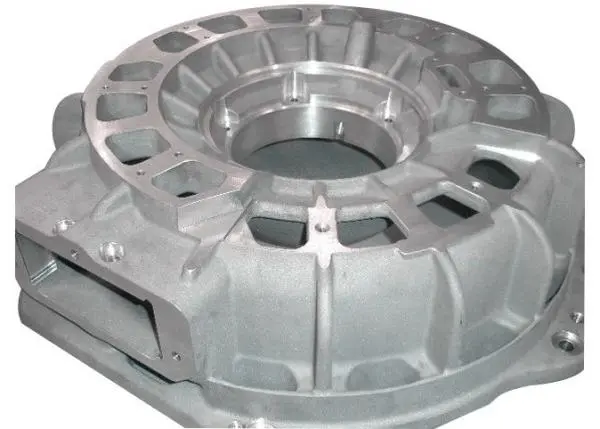
Understanding Low Pressure Casting Process Fundamentals
What is Low Pressure Casting and How It Works?
Low pressure casting is a precise way to cast metal that is very different from typical gravity casting since it uses controlled pressure. The procedure works by enclosing molten metal inside a furnace and using mild gas pressure to push the metal up through a riser tube into the mold cavity above.
The basic idea is to keep the pressure steady during the filling and solidification stages. In contrast to atmospheric pressure systems, where metal just flows down under its own weight, this method lets producers control the flow rates and filling patterns very precisely. The regulated environment lowers oxidation and gas entrapment, which makes castings with great density and structural integrity.
The first stage is to prepare and warm the mold. The next step is to melt the metal alloy to the right temperature. When the furnace is closed, regulated pressure pushes the molten material via the riser tube, filling the mold cavity from the bottom up. During solidification, pressure is kept up to make sure the feeding is done right and to stop faults from shrinking. After cooling, the pressure release lets any extra metal flow back into the furnace so it can be used again, which makes the most of the material.
Essential Equipment and Setup Requirements
For successful implementation, you need certain equipment setups that can handle controlled pressure situations. The key parts are a sealed furnace system that can keep the pressure levels stable, precision-engineered riser tubes that connect the furnace to mold assembly, and advanced pressure control systems that can monitor the pressure in real time.
When making permanent molds, mold design becomes very important since the molds need to be able to handle repeated heat cycling while still being accurate in size, especially in low pressure casting. Steel or iron molds are strong enough for high-volume production, and their thermal qualities determine how quickly the molds cool and the final characteristics of the parts. The mold design needs to include the right gating and venting mechanisms that work well with bottom-up filling patterns.
To safeguard operators and keep processes consistent, safety gear and environmental controls are necessary. Ventilation systems keep the air clean and control fumes, and temperature monitoring makes sure that the work environment is just right. To keep results consistent and protect sensitive equipment from temperature changes that could impact casting quality, the operational environment needs very accurate climate control.
Material Properties and Temperature Management
Choosing the right materials is very important for getting the best results with this casting procedure. Aluminum alloys are the most common materials used because they flow well at low pressures and have great mechanical properties in the completed parts. Zinc alloys are great for decorative parts because they give them a great surface finish. Magnesium alloys are great for aeronautical and automotive applications because they make things lighter.
In order to manage temperature, you need to keep a close eye on both the mold and the metal temperature at all times. Most aluminum alloys need temperatures between 700 and 750 °C for the best flow properties, while most magnesium alloys work best between 650 and 700 °C. The difference in temperature between the molten metal and the mold impacts how quickly the mold fills, how the metal solidifies, and the final qualities of the component.
The regulated pressure environment has a big effect on how materials move compared to systems that use gravity. When the pressure is lower, the filling happens more slowly, which cuts down on turbulence and air entrapment and helps the grain structure form better. With this regulated environment, producers may make thin-wall sections and complex shapes that would be hard to make with typical casting procedures.
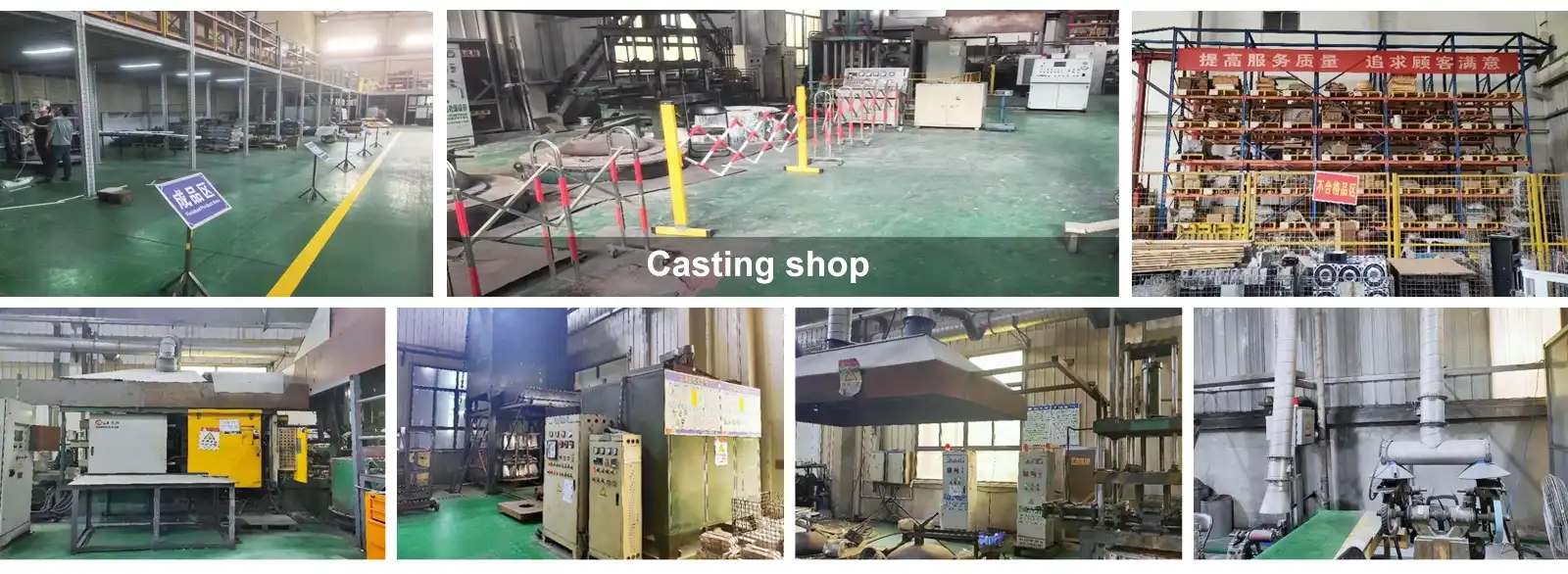
Implementing Low Pressure Casting in Your Production Line
Pre-Implementation Assessment and Planning
For integration to work, you need to thoroughly assess the current production capabilities and figure out what might be holding them back. To see if implementation is possible, manufacturers need to look at the compatibility of their current equipment, the needs of their facilities, and the skill levels of their workers. To make sure the technology fits with the goals of the business, this evaluation should include a thorough look at part specifications, manufacturing quantities, and quality criteria.
Cost-benefit analysis is necessary to explain why you should buy new technology and equipment. The initial expenditures of setting up may be high, but the long-term benefits include less waste of materials, better product quality, and faster manufacturing. When figuring out the return on investment, manufacturers should think about how much money they could save by lowering scrap rates, raising yield, and lowering finishing requirements.
The amount of equipment needed and the time frame for putting it all together depend on the volume of production and the planning of capacity. Fully automated systems with numerous casting stations may be worth it for businesses that do a lot of work, while semi-automated setups may be better for businesses that do less work. To make the transition as smooth as possible, extensive planning is needed to make sure that the new system works well with the old ones.
Equipment Selection and Installation Process
When choosing the right equipment, you need to think about a number of things, such as the amount of production needed, the complexity of the parts, the material standards, and the budget. Modern systems can be automated to different degrees. For example, some systems can be operated by hand, which is good for prototype and low-volume production, while others can run completely automated lines that can make a lot of products with the same level of quality.
Installation needs often involve changes to the building to provide room for additional equipment, utility connections, and safety systems. Electrical systems need to give steady power to heating elements and control systems. Compressed air or gas sources, on the other hand, let you control pressure. To keep the workplace safe and handle pollutants, you need good ventilation systems.
Before manufacturing starts, calibration and testing make sure that the equipment for low pressure casting works within the limits set. This includes checking the precision of pressure control, the stability of temperature, and the timing of sequences, as well as setting baseline values for different types of alloys and components. To make sure that the implementation of low pressure casting goes well, staff training programs should include how to use the equipment, safety rules, quality control processes, and how to fix problems.

Process Parameter Optimization
To set the best pressure levels, you need to think carefully about the shape of the parts, the qualities of the materials, and the quality standards. Normal pressures of 0.3 to 1.5 bar are strong enough to fill the mold and keep the smooth flow that sets this technology apart from high-pressure methods. To get the best fill patterns and cut down on flaws, different applications may need to change the pressure.
Cycle time optimization is finding the right balance between filling speed and quality needs so that productivity is at its highest without hurting the parts. Faster filling cuts down on the total cycle time, but it may make the process more turbulent and increase the chance of defects. Slower filling, on the other hand, makes the process better but takes longer. Programmable controllers in automated systems can change the pressure and timing based on the needs of each part to make these settings work better.
Quality control checkpoints during the process let you keep an eye on and change important parameters in real time. Pressure gauges, temperature sensors, and flow monitoring systems give constant feedback on how things are doing in the process. Using statistical process control methods helps find patterns and stop quality problems before they impair manufacturing output.
Selecting the Right Low Pressure Casting Partner
Evaluating Casting Service Providers
Technical skills, quality certifications, production capacity, and financial stability are all important factors to consider when evaluating a supplier. Manufacturers should look at a possible partner's experience with similar applications, the capabilities of their equipment, and their history of finishing projects on time. Site inspections and checking references are great ways to learn more about a supplier's skills and dependability.
Quality certifications show that a supplier is dedicated to maintaining high standards and controlling their processes. ISO 9001 certification shows that quality management systems are in place. On the other hand, industry-specific certifications like ISO/TS 16949 for automotive applications or AS9100 for aerospace show that the person has specialized knowledge. Suppliers should keep their certifications up to date and show that they are always working to improve.
Current and future consumer needs must be met by production capacity and delivery capabilities. Suppliers should be able to handle the expected volumes while also being able to adapt to changes in demand. Technical knowledge and engineering support skills make it possible to work together to create the best solutions that match the needs of a specific application.
Cost Analysis and Procurement Considerations
To understand how prices work, you need to know what makes them go up, like the cost of materials, tools, setup, and volume. Most suppliers have varying price levels based on how much you buy, with lower unit costs for larger amounts. Depending on how the arrangement is set up, tooling costs can be spread out over production volumes or billed separately.
When negotiating good terms for bulk orders, you have to find a balance between price, quality, and delivery times. Long-term contracts may guarantee stable prices and priority capacity allocation in exchange for volume commitments. Supplier agreements should clearly spell out payment terms, quality assurances, and rights for intellectual property.
The total cost of ownership includes more than just the price of the item. It also includes expenditures for logistics, carrying inventory, quality-related charges, and managing suppliers in low pressure casting. Long-term partnerships have several benefits, such as better communication, working together to solve problems, and chances for ongoing improvement that lower costs while improving product quality and delivery speed.
Geographic and Logistical Factors
Just-in-time production benefits from being close to customers since it costs less to ship things, takes less time to get things done, and makes it easier to talk to people. Local suppliers let you make more deliveries with smaller lots, which lowers the cost of keeping inventory and improves cash flow. When cultures and time zones are in sync, it is easier to talk to each other and respond more quickly to technical problems or changes in the schedule.
When choosing an international supplier, you should think about things like trade compliance requirements, the risk of currency fluctuations, and long supply chains that could make deliveries less reliable. When looking at overseas suppliers, you need to include import charges, shipping fees, and customs delays in your total cost calculations. But international vendors may have unique skills or lower prices that make these other factors worth thinking about.
Diversifying suppliers, strategically placing inventories, and making backup plans for possible problems are all ways to control supply chain risk. Best practices for communication and project management make sure that everyone knows what is expected of them and that progress is checked on a regular basis during the supplier relationship. Having more than one competent provider gives you more options and lowers the risk of being too reliant on one.
Conclusion
Low pressure casting technology gives producers a strong way to make metal parts that are high quality, have better mechanical qualities, and are more accurate in size. The controlled pressure environment makes it possible to make complicated shapes while reducing flaws and material waste. To be successful, you need to plan carefully, choose the right tools, and keep optimizing the process parameters. When done right, this technology can greatly improve manufacturing capacities while lowering costs and making products better. To be successful, you need to comprehend the basic ideas, choose the right partners, and stay committed to making things better all the time during the implementation phase.
Partner with Rongbao Enterprise for Your Low Pressure Casting Needs
Rongbao Enterprise stands as a leading low pressure casting manufacturer with over 20 years of specialized experience in precision metal component production. Our comprehensive manufacturing capabilities encompass the complete spectrum of casting technologies including high-pressure die casting, gravity casting, and precision machining services. We maintain ISO 9001, ISO 14001, and ISO 45001 certifications, ensuring consistent quality and compliance with international standards.
Our advanced production facilities feature state-of-the-art automated equipment capable of handling complex geometries and tight tolerances required for automotive, aerospace, and industrial applications. With 70% of our production exported to Europe, America, and Japan, we have established a proven track record of delivering superior quality components that meet demanding international requirements.
Contact our engineering team today at steve.zhou@263.net or zhouyi@rongbaocasting.com to discuss your specific requirements and discover how our expertise can enhance your manufacturing capabilities while reducing costs and improving delivery performance.
FAQ
What are the minimum order quantities typically required for low pressure casting projects?
Minimum order quantities vary significantly based on component complexity, tooling requirements, and material specifications. Most suppliers establish MOQs between 100-1000 pieces for custom components, though prototype quantities may be accommodated for development projects. Volume discounts typically begin at 1000-5000 pieces, with substantial cost reductions available for larger commitments.
How does low pressure casting compare in terms of lead times versus other casting methods?
Lead times for controlled pressure casting typically range from 2-4 weeks for production quantities once tooling is complete. Initial tooling development requires 4-6 weeks depending on component complexity and design requirements. Sand casting may offer shorter tooling lead times but often requires longer production cycles, while high-pressure die casting may have extended tooling development periods.
What factors should I consider when choosing between aluminum and magnesium for low pressure casting?
Material selection depends on application requirements including weight constraints, strength requirements, corrosion resistance needs, and cost considerations. Magnesium offers 35% weight reduction compared to aluminum but requires special handling due to flammability concerns. Aluminum provides better corrosion resistance and is typically more economical for most applications.
Can existing die casting tooling be modified for low pressure casting applications?
While some tooling modifications are possible, optimal results typically require purpose-built tooling designed specifically for controlled pressure processes. The different filling characteristics and pressure requirements often necessitate redesigned gating systems, venting configurations, and cooling circuits. Evaluation by experienced tooling engineers can determine modification feasibility for specific applications.
What quality certifications should I look for in a low pressure casting supplier?
Essential certifications include ISO 9001 for quality management systems, with industry-specific certifications such as ISO/TS 16949 for automotive applications or AS9100 for aerospace components. Suppliers should also maintain relevant safety certifications and demonstrate compliance with environmental regulations. Advanced quality control equipment and documented process controls provide additional assurance of consistent quality performance.
References
1. Campbell, John. "Complete Casting Handbook: Metal Casting Processes, Metallurgy, Techniques and Design." Butterworth-Heinemann, 2015.
2. Ravi, B. "Casting Simulation and Optimization: Benefits, Bottlenecks and Best Practices." Indian Foundry Journal, 2008.
3. Beeley, Peter R. "Foundry Technology." Butterworth-Heinemann, 2001.
4. Brown, John R. "Foseco Non-Ferrous Foundryman's Handbook." Butterworth-Heinemann, 1999.
5. Stefanescu, Doru M. "Handbook of Force and Pressure Sensing." CRC Press, 2003.
6. Viswanathan, S. "Advances in Low Pressure Casting Technology for Automotive Applications." Materials Science and Technology Conference, 2018.
Learn about our latest products and discounts through SMS or email