- English
- French
- German
- Portuguese
- Spanish
- Russian
- Japanese
- Korean
- Arabic
- Greek
- German
- Turkish
- Italian
- Danish
- Romanian
- Indonesian
- Czech
- Afrikaans
- Swedish
- Polish
- Basque
- Catalan
- Esperanto
- Hindi
- Lao
- Albanian
- Amharic
- Armenian
- Azerbaijani
- Belarusian
- Bengali
- Bosnian
- Bulgarian
- Cebuano
- Chichewa
- Corsican
- Croatian
- Dutch
- Estonian
- Filipino
- Finnish
- Frisian
- Galician
- Georgian
- Gujarati
- Haitian
- Hausa
- Hawaiian
- Hebrew
- Hmong
- Hungarian
- Icelandic
- Igbo
- Javanese
- Kannada
- Kazakh
- Khmer
- Kurdish
- Kyrgyz
- Latin
- Latvian
- Lithuanian
- Luxembou..
- Macedonian
- Malagasy
- Malay
- Malayalam
- Maltese
- Maori
- Marathi
- Mongolian
- Burmese
- Nepali
- Norwegian
- Pashto
- Persian
- Punjabi
- Serbian
- Sesotho
- Sinhala
- Slovak
- Slovenian
- Somali
- Samoan
- Scots Gaelic
- Shona
- Sindhi
- Sundanese
- Swahili
- Tajik
- Tamil
- Telugu
- Thai
- Ukrainian
- Urdu
- Uzbek
- Vietnamese
- Welsh
- Xhosa
- Yiddish
- Yoruba
- Zulu
How to remove the power supply cover?
When taking off a power supply cover, you need to pay close attention to safety rules and the right way to do it. Start by unplugging all of the electrical connections and making sure the system is fully off. Most power supply covers that have Motor Cover Casting parts are held in place by screws or clips around the edges. Use the right tools to take out the fasteners in a planned way, and hold up the cover's weight while you do it. There are different steps to take depending on whether you're working with aluminum A380 castings or other materials, but the basic idea is to work carefully so that you don't harm the cover or the parts inside.
For maintenance, inspection, and replacement tasks in industrial settings, it's important to know how to properly remove motor covers. This complete book talks about the problems that procurement managers and engineers have while working with motor cover casting parts. It gives practical answers while making sure that the equipment is safe and works well.
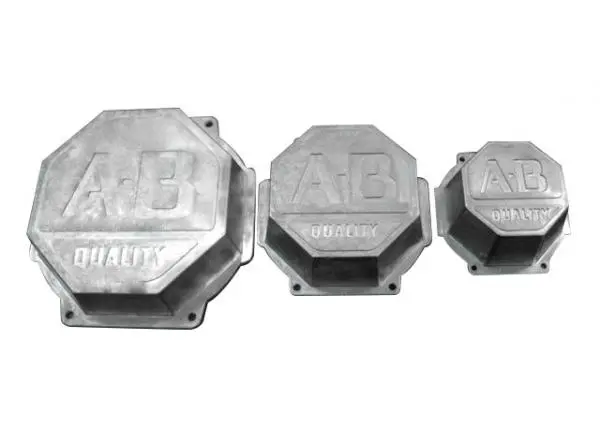
What Are Motor Cover Castings and Why Proper Removal Matters?
The motor cover protects important electrical parts and keeps the whole system strong. Modern power supply covers are made using modern casting methods that ensure exact dimensional tolerances and high-quality surface finishes that fulfill strict industrial standards.
Understanding Motor Cover Casting Components
Motor covers are complex engineering solutions that protect, work well, and look good. These parts are usually made of A380 aluminum alloy, which is very good at resisting corrosion and managing heat. The casting process makes complex shapes that fit different mounting places, ventilation needs, and electrical connections.
The weight range of 0.3 to 0.8 kg shows how modern motor housing designs balance strength and weight. High-pressure die casting lets producers get a consistent wall thickness and a better surface quality, which means less work needs to be done after the casting.
To fit with motor housing systems, you need to be very accurate about the size and polish of the surfaces. The anodizing surface treatment protects against corrosion and makes the part look better and last longer in tough situations.
Critical Safety Considerations Before Removal
The first step in removing a motor cover is to follow electrical safety rules. Complete power isolation means not only turning off the main power source, but also using the right testing equipment to make sure there is no residual charge. Lock-out/tag-out processes make sure that power can't be turned back on by mistake while maintenance is going on.
Before starting the removal process, it is important to carefully check the mechanical stress areas in the motor assembly. The way the cover is mounted spreads stresses across several attachment points. If you don't follow the right steps when removing it, stress concentrations can form that can damage parts or put the operator's safety at risk.
Environmental conditions have a big effect on removal methods, especially in factories where temperature changes, humidity, and pollution levels make it harder to get to parts. Thermal cycling can cause covers to expand and contract, making them hard to remove. Corrosive conditions can also damage the integrity of fasteners.
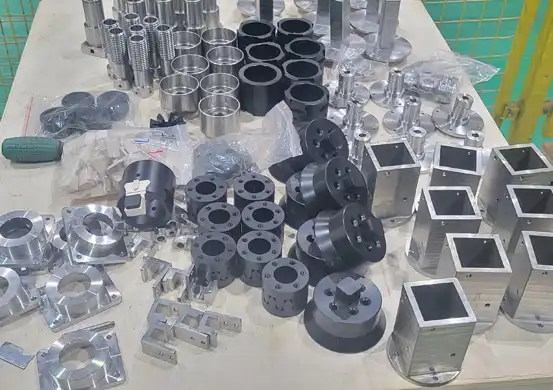
Common Challenges in Motor Cover Removal
Corrosion is one of the biggest problems that makes it hard to take off Motor Cover Casting. Galvanic corrosion between metals that are not the same can make strong connections that are hard to break using normal methods. The anodized surface treatment helps stop this from happening , although older parts may still have problems with corrosion.
When covers go through repeated cycles of heating and cooling, the effects of thermal expansion and contraction become even worse. These thermal stresses can modify the dimensions of the parts, which can make it harder to remove them because they don't fit together as well.
When tight tolerances make interference fits that need special equipment or techniques to remove safely, problems with precision fitting happen. CNC lathe processing has very strict production requirements that make sure the dimensions are always the same. However, this can make it harder to remove things in the field.
Essential Tools and Equipment for Motor Cover Removal
To successfully remove the motor cover, you need to have the necessary tools and equipment on hand. The specific needs depend on the cover's design, how it is mounted, and where it will be used, but most applications still need some basic tools.
Standard Industrial Tools Required
Torque wrenches of professional quality make sure that fasteners are removed correctly without placing too much stress on parts or making things unsafe. The sizes and types of fasteners used in the motor assembly must match the socket sets. Most of the time, you need both metric and imperial options to get full coverage.
Lifting equipment is quite vital when working with heavier motor covers, especially those that weigh between 0.5 and 0.8 kg. Using the appropriate lifting techniques protects your back and your parts from breaking, and it also makes sure that removal procedures are safe.
Safety glasses, work gloves, and the correct shoes are all examples of safety gear. When working near equipment that could be energized, voltage testers and insulating tools are two examples of electrical safety gear that can assist keep you safe.
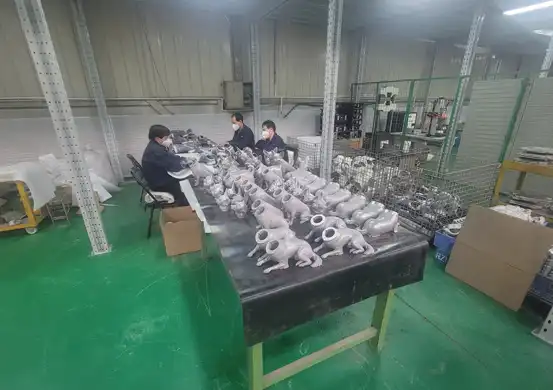
Specialized Equipment for Different Casting Types
When working with aluminum motor cover castings, you need equipment that won't damage the surface or mix up the materials. Non-marring extraction tools and soft-jaw pliers safeguard the anodized surface finish while giving you enough grip to get the job done.
Custom fittings made for certain motor configurations can make removal more easier and lower the danger of damaging parts. These fixtures are made to fit the specific mounting patterns and shapes of certain motor designs.
Thermal monitoring tools can assist find problems with removal that are related to temperature before they become a problem. Thermal imaging cameras and infrared thermometers show changes in temperature that could alter how things are removed.
Quality Control and Measurement Tools
Tools that assess the size of pieces make sure that parts that have been taken out can be reused or replaced. Calipers, micrometers, and gauge blocks are all examples of precision measuring equipment that give you the exact measurements you need for essential dimensional measures.
Tools for checking the surface finish look at how the mounting interfaces and sealing surfaces are doing. You can use equipment that measure surface roughness and tools that let you look at things to see if parts need to be fixed before they can be put back together.
Tools for finding defects, like magnifying glasses and dye penetrant testing materials, can uncover cracks, holes, or other structural flaws that could make a part less strong.
Step-by-Step Motor Cover Removal Process
The systematic way of taking off the motor cover reduces risk and makes sure that maintenance duties are done quickly and correctly. Each step builds on the ones before it, making a logical progression from getting ready to taking out the last part.
Pre-Removal Preparation and Assessment
Shutdown procedures for the motor system in Motor Cover Casting must follow safety rules that make sure there is no electrical connection. This means not only shutting off the main power switches, but also making sure that the control circuits, backup power sources, and communication systems are all correctly unplugged in Motor Cover Casting.
Protocols for documentation and photography make useful records for putting things back together and doing maintenance in the future. Digital photos taken from different perspectives show the original setup and help find any strange conditions or changes that could make reinstallation harder.
An initial condition assessment finds any problems before they affect removal procedures. A visual inspection shows clear signs of damage, corrosion, or changes that may need special handling methods or more tools.
Systematic Disassembly Methodology
Using a plan for removing bolts in order of size reduces warping and stress concentration, which can break parts or render them dangerous. The specific pattern depends on how many and where the fasteners are, but it usually means taking them out in a cross pattern or in a different order instead of going around the edge.
If you take care of gaskets and sealing pieces, they will stay in good form so you may use them again, and they won't get dirt on the inside of the engine. It's vital to think carefully about which components will operate together because many sealing compounds don't work well with cleaning solvents or lubricants that are made from petroleum.
When you work with electrical connections and wiring harnesses, you need to make sure they are both physically safe and clearly marked. You need to write down where the connectors go, how the wires are routed, and how the strain relief is set up to make sure the parts go back together correctly.
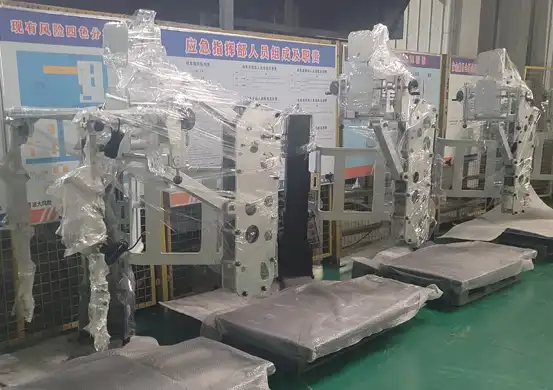
Safe Extraction Techniques
When lifting and placing motor covers, the weight distribution and shape of the different designs are taken into account. When you lift something that weighs between 0.3 and 0.8 kilograms, you need to employ the appropriate methods to keep your back from hurting and keep control of the item when you take it off.
You need to be very careful about whatever tools you use and how you use them to avoid damaging mounting surfaces and precision features. Modern ways of making things can create surfaces exceedingly smooth and shiny, but if you don't know how to handle them or use the improper equipment, they can break easily.
There are some other factors to consider about when it comes to covers with built-in cooling systems, like coolant lines, thermal sensors, and heat dissipation features that could make it harder to remove them in the usual way.
Post-Removal Inspection and Documentation
If the parts that were removed are still usable or need to be replaced, a quality check will show this. Checking the item's size, surface quality, material integrity, and functional performance are all part of this examination.
Knowing about wear patterns and prospective problems can help you decide when to undertake maintenance and what parts to buy. If you notice unusual wear patterns, it usually means that something is wrong with the alignment, there is contamination, or the operating conditions are not what they were supposed to be.
To prepare for maintenance or replacement work, you need to store parts correctly, follow cleaning procedures, and work with procurement to make sure that replacement parts are accessible when they are needed.
Conclusion
To keep industrial equipment safe and running smoothly, it's important to know how to properly remove motor covers. This guide's step-by-step method deals with the specific problems that come with current Motor Cover Casting parts, from the first safety checks to the last part extraction. Maintenance crews can do their jobs well and keep the parts intact if they know the special properties of A380 aluminum construction, anodized surface treatments, and precise production tolerances. To be successful, you need to use the right tools, follow safety rules, and understand the high standards of quality that are common in modern production. These techniques make sure that equipment works reliably while also lowering maintenance costs and keeping operations running smoothly.
Partner with Rongbao Enterprise for Superior Motor Cover Casting Solutions
Rongbao Enterprise stands as a trusted Motor Cover Casting manufacturer, delivering precision-engineered solutions that exceed industry standards. Our comprehensive capabilities encompass high-pressure die casting, CNC lathe processing, and anodizing surface treatments, ensuring components that meet your exact specifications. With ISO9001, ISO14001, and ISO45001 certifications, we guarantee consistent quality and reliable delivery for orders up to 10,000 pieces. Our Xi'an facility combines advanced manufacturing technology with experienced engineering support, enabling customized solutions that optimize your maintenance procedures and operational efficiency. Contact steve.zhou@263.net or zhouyi@rongbaocasting.com to discuss your specific requirements and discover how our expertise can enhance your equipment reliability and reduce total cost of ownership.
FAQ
What are the key differences between aluminum and iron motor cover castings in terms of removal procedures?
Aluminum motor covers like those manufactured from A380 alloy are generally lighter, weighing between 0.3 to 0.8 kilograms, and require different torque specifications due to material properties. They feature anodized surface treatments that provide excellent corrosion resistance but require careful handling to prevent surface damage. Iron castings are typically heavier, requiring appropriate lifting equipment, but may be more resistant to certain types of mechanical stress during removal.
How do I determine if a motor cover casting needs replacement versus repair after removal?
Evaluate the component against dimensional accuracy standards achieved through CNC lathe processing and surface finish requirements. Look for signs of cracking, excessive wear, corrosion that affects sealing surfaces, or dimensional changes that could impact performance. If defects exceed acceptable tolerances or compromise safety, replacement is typically more cost-effective than repair, especially given the availability of customized specifications from certified manufacturers.
What should I consider when sourcing replacement motor cover castings from different suppliers?
Focus on suppliers with comprehensive certifications including ISO9001, ISO14001, and ISO45001, which demonstrate quality management, environmental responsibility, and safety commitment. Compare material specifications, dimensional accuracy capabilities, surface treatment options like anodizing, and delivery timelines. Consider factors like production capacity, customization capabilities, and packaging solutions such as wooden box protection for international shipping.
References
1. Industrial Motor Maintenance and Repair Handbook, 4th Edition. McGraw-Hill Professional, 2019.
2. Aluminum Casting Technology and Applications in Industrial Equipment. ASM International Materials Engineering, 2021.
3. Safety Protocols for Electrical Equipment Maintenance in Manufacturing Environments. National Institute for Occupational Safety and Health, 2020.
4. High-Pressure Die Casting Processes and Quality Control Standards. Society of Manufacturing Engineers, 2022.
5. Surface Treatment Technologies for Aluminum Alloy Components in Industrial Applications. Materials Science and Engineering Journal, 2023.
6. Procurement Best Practices for Industrial Casting Components. Supply Chain Management Review, 2022.
Learn about our latest products and discounts through SMS or email