- English
- French
- German
- Portuguese
- Spanish
- Russian
- Japanese
- Korean
- Arabic
- Greek
- German
- Turkish
- Italian
- Danish
- Romanian
- Indonesian
- Czech
- Afrikaans
- Swedish
- Polish
- Basque
- Catalan
- Esperanto
- Hindi
- Lao
- Albanian
- Amharic
- Armenian
- Azerbaijani
- Belarusian
- Bengali
- Bosnian
- Bulgarian
- Cebuano
- Chichewa
- Corsican
- Croatian
- Dutch
- Estonian
- Filipino
- Finnish
- Frisian
- Galician
- Georgian
- Gujarati
- Haitian
- Hausa
- Hawaiian
- Hebrew
- Hmong
- Hungarian
- Icelandic
- Igbo
- Javanese
- Kannada
- Kazakh
- Khmer
- Kurdish
- Kyrgyz
- Latin
- Latvian
- Lithuanian
- Luxembou..
- Macedonian
- Malagasy
- Malay
- Malayalam
- Maltese
- Maori
- Marathi
- Mongolian
- Burmese
- Nepali
- Norwegian
- Pashto
- Persian
- Punjabi
- Serbian
- Sesotho
- Sinhala
- Slovak
- Slovenian
- Somali
- Samoan
- Scots Gaelic
- Shona
- Sindhi
- Sundanese
- Swahili
- Tajik
- Tamil
- Telugu
- Thai
- Ukrainian
- Urdu
- Uzbek
- Vietnamese
- Welsh
- Xhosa
- Yiddish
- Yoruba
- Zulu
How to Use Cast Sink Filters?
Industrial drainage systems require robust solutions to handle daily operational demands efficiently. Cast sink filters represent engineered components essential for maintaining hygiene standards and preventing costly system failures in commercial environments. These filters trap debris, food particles, and solid waste before they enter drainage networks, reducing blockage risks and maintenance expenses. Understanding proper selection, installation, and sourcing strategies for these filtration devices directly impacts operational continuity and compliance with health regulations, making them critical procurement decisions for industrial facilities.
Understanding Cast Sink Filters: Functionality and Benefits
Core Design and Operational Mechanics
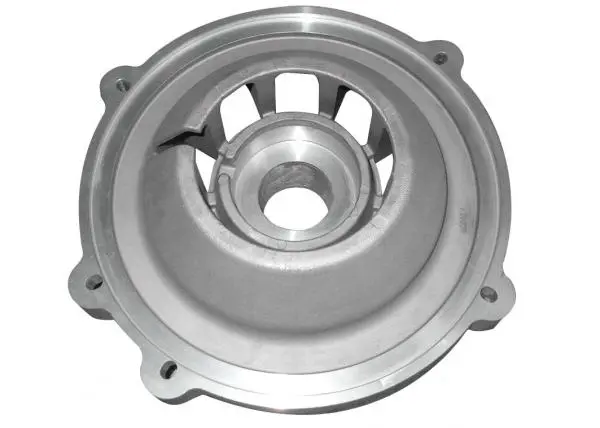
Drainage cast sink filter systems depend on structures that were built to be exposed to water, chemicals, and physical stress over and over again. Most of the time, these parts are made of high-grade aluminium alloys like A356, which are chosen for their high resistance to corrosion and mechanical stability. Gravity casting or sand casting are popular ways to make them. These methods make thick, uniform structures that can withstand repeated changes in temperature and chemical exposure that happen in industrial washdown operations.
Physical barrier filtration is at the heart of the operation. Small holes or mesh patterns, about 2 mm to 8 mm in size, catch solid particles while keeping flow rates high enough for good drainage. This easy-to-use but effective system keeps organic matter from building up in pipe systems, where breakdown would otherwise cause smells and bugs to grow. High-quality manufacturing methods, like CNC cutting for exact specs and shot blasting for surface finish, make sure that each production batch works the same way.
Key Advantages for Industrial Applications
Filtration parts that are properly chosen provide measurable benefits in terms of operation, maintenance, and compliance. Facilities that put in strong sewage protection report a big drop in the number of plumbing emergencies and the costs that come with them.
Taking care of your hygiene is the main benefit. By catching food particles and other organic matter where it starts, these filters keep bacteria from growing in the drains, which is very important for places that have to go through inspections by the FDA, USDA, or local health department. Stainless steel mesh options have better antimicrobial qualities because their surfaces aren't porous, but cast aluminium options with the right treatments work just as well and cost less at first.
Quality cast sink filters are different from lighter options because they last longer and are more durable. Parts made to ISO9001:2015 standards go through strict material and size tests to make sure their tensile strength is higher than 240 MPa and their stretch stays at least 3%. These specs are important in places with a lot of foot traffic, where filters have to be taken out many times to be cleaned and could be damaged by heavy cookware.
Flow efficiency optimisation stops water from pooling, which makes the floor dirty faster and increases the risk of slips. Well-thought-out filter designs combine the ability to collect debris with the ability to work well with water, so drainage rates stay above 15 litres per minute even when only partially loaded. This consistency in performance cuts down on the time workers have to spend keeping an eye on and fixing backups.

Comparing Cast Sink Filters with Alternatives: Making an Informed Choice
Material Performance Analysis
Before making a purchase choice, you should know how different products work in real-world situations. Cast aluminium metals, different types of stainless steel, and plastic materials all have their own benefits that depend on the needs of the product and the budget.
Cast aluminium parts made from the A356 metal have great strength-to-weight ratios, which makes them easier to handle during installation and upkeep. Their ability to quickly equalise temperatures lowers the risk of thermal shock in situations where hot and cold water are used together. Certification to ISO14001 environmental standards makes sure that manufacturing processes have the least possible effect on the environment. This is becoming an increasingly important requirement for procurement teams that are in charge of corporate sustainability initiatives.
Stainless steel alternatives, especially grades 304 and 316, are better at resisting corrosion in harsh chemical environments. Even though it costs more, this material is worth it for facilities that use harsh alkaline detergents or work near the coast where chloride levels are high. But because they are denser, they are harder to move and install, especially when they are added after the fact and the support frame can't hold as much weight.
Plastic composite choices appeal to buyers on a budget, but they don't work well in demanding industry settings. Temperature restrictions usually stop use below 80°C, which means it can't be used for cleaning methods that need to be rinsed with hot water. Sunlight in outdoor washing stations breaks down materials faster by causing them to become brittle. This increases the risk of splitting, which can bring new sources of contamination into drainage systems.
Filter Configuration Options
In addition to the choice of material, physical form has a big impact on how well something works. Figuring out the different configurations helps match product specs with the needs of a particular location.
Mesh screen designs use twisted wires that come in different hole sizes. Fine mesh configurations (2–3 mm) catch the most particles, but they need to be cleaned often to keep flow rates steady. While coarse mesh versions (6–8 mm) require less upkeep, they can't catch as much debris. These systems work well in high-volume settings where saving time is more important than getting the best cast sink filter performance.
Precision-drilled hole shapes are used in solid baseplates for perforated plate designs. CNC machining makes sure that the apertures are always the same size and that they are spread out evenly across the filtration surface. This design has better structural strength than mesh options, so it can handle higher impact loads in places where big pots and pans might accidentally hit the filter surface. The solid construction also makes cleaning easier because dirt and other particles stick to the smooth surfaces instead of getting tangled up in the weaved structures.
Custom-engineered solutions are made to meet specific needs that aren't met by standard catalogue items. OEM/ODM manufacturing is helpful for facilities that need drains with non-standard measurements, specific flow rate standards, or material certifications. Flexible production capacity—suppliers that can make 5,000 or more pieces per run, for example—allows for cost-effective customisation while keeping quality consistent across batches.

Installation & Maintenance: Best Practices for Longevity and Performance
Step-by-Step Installation Procedures
When something is installed correctly, it sets the stage for reliable long-term performance. Even though it seems simple, paying attention to details during setup stops common problems that make filtering less effective and cause it to fail too soon.
First, clean the sink drain hole very well, getting rid of any dirt that has built up, old sealant residue, or corrosion products. Surface preparation has a direct effect on the integrity of the seal. If the mounting surfaces are contaminated, water can get in and speed up rusting while also making ways for trash to get around.
Before fitting, make sure that the dimensions are compatible. Check the cast sink filter specifications against the drain opening's diameter and depth. Parts made to specific measurements should fit perfectly together, but normal catalogue items might need adapter rings to make sure they do. When there isn't enough seating, gaps appear that let unfiltered material into the drainage lines.
Carefully place the filter unit so that it makes even contact with the closing edge all the way around. Cross-threaded setups or places that aren't lined up right cause stress concentrations that cause cracking when the temperature changes. First, tighten the locking mechanisms by hand. Then, use the right tools to apply the final torque, which is usually between 15 and 20 Nm for threaded retainers but should always follow the manufacturer's instructions.
Flow tests should be done right away after placement. Run water at normal operating levels and watch how fast it drains. Also, look for leaks around the sealing surfaces. This step of confirmation finds mistakes in the installation process before the equipment goes into use, which is when fixing it is much harder and costs more.
Preventive Maintenance Protocols
Systematic repair plans protect the value of investments and keep them from breaking down at crucial times for production. Creating written procedures based on operational intensity makes sure that they are always followed, even when staff changes happen.
Visual inspection and simple cleaning should be part of daily upkeep. At the end of each shift, take out the filter and look for damage or excessive wear. Then, use a stiff-bristled brush to clean it under hot running water. This easy step gets rid of most of the buildup on the surface before it hardens or starts to break down inside mesh structures.
Chemicals are used in deep cleaning once a week to get rid of organic leftovers and mineral deposits. For best results, cast sink filters in chemical cleaner solutions made for food service use and keep the temperature of the solution above 50°C. After using chemicals, make sure you rinse well so they don't get into drainage systems and mess up the process of treating garbage.
Regular checking of the dimensions once a month finds slow changes in shape caused by repeated thermal cycling or physical effects. Using digital callipers, measure the width of the filter several times and compare the results to the original specs. Variations greater than 2% mean that the structure is breaking down and needs to be replaced. In the same way, check the fastening parts for cracks, damaged threads, or wear that could make fitting less secure.
Every three months, a replacement part assessment checks the condition of the gasket, the strength of the locking mechanism, and any damage to the coating or finish. Replacement gaskets are much cheaper than fixing problems that happen when seals fail, so it makes financial sense to change them at regular times that match what the maker recommends.
Troubleshooting Common Operational Issues
Even systems that are well taken care of sometimes have performance issues that need to be diagnosed. Figuring out the patterns of symptoms speeds up the process of finding and fixing the root cause.
If the drainage is slow even after cleaning, it's probably because of a partial blockage further downstream from where the filter is located, not because the filter is full. Chemicals or grease that build up in trap areas stop the flow. Take care of the problem by maintaining the drain lines with mechanical snakes or chemicals that are safe for the pipe materials.
Repeatedly quickly clogging means that the filter holes are too small for the type of waste that is present in certain processes. If a facility works with fibrous veggies or packing materials, it might need coarser mesh shapes and be okay with less fine particle capture to keep the flow going well.
If the filter moves while it's working, it means that the locking torque isn't strong enough or that the fixing features are worn out. Reinstalling the cast sink filter according to the right steps usually fixes the problem, but if it happens again and again, you might want to replace any worn-out locking mechanisms or look into other filter designs with stronger retention features.

Conclusion
Managing drainage well by choosing the right filtering parts and keeping them in good shape is an investment that pays off in terms of operating efficiency, regulatory compliance, and total cost of ownership in both industrial and commercial settings. When procurement teams know about the properties of materials, the different configuration options, and the supplier's abilities, they can make smart choices that match product specifications with operational needs. Quality cast filtration solutions that are made to international standards and backed by suppliers who offer technical support and dependable logistics deliver measurable value by lowering maintenance costs, increasing equipment life, and improving hygiene performance. This guide lays out a methodical process that procurement professionals, technical engineers, and supply chain managers can use to get the most out of their investments in filtering while also helping the company reach its larger goals for sustainability, efficiency, and business excellence.
FAQ
How often should cast sink filters be cleaned in commercial operations?
Cleaning frequency depends on how much you're using it and what kind of debris it is. For food service businesses that serve a lot of people, the dishes need to be taken out and cleaned every day, and once a week, enzyme solutions are used for a deep clean. For uses with lower volume, simple maintenance may be done every other day. Keeping an eye on how well the drainage is working is the best way to tell. If the drainage is slow even after being cleaned recently, it means that the system needs to be serviced more often or the mesh needs to be made bigger.
Are cast aluminum filters compatible with standard commercial sink drains?
Most good makers make parts with standard sizes that fit the requirements for most industrial sinks. However, it is still necessary to make sure that the dimensions are compatible before placing an order. To make sure the drain openings fit properly, custom facilities or specialised equipment may need to be measured. Reliable suppliers offer expert help to make sure that products work together and suggest the best models for each installation.
What warranty coverage should buyers expect from quality manufacturers?
Standard guarantees in the industry usually cover flaws in the materials or the way they were made for 12 to 24 months after delivery. Damage caused by bad fitting, poor upkeep, or being exposed to conditions that are too harsh for the product is not covered. Suppliers with well-established quality systems and ISO9001 certification show that they are confident in the consistency of their products by offering broad warranty terms and quick claim resolution processes.
Partner with Rongbao Enterprise for Reliable Cast Sink Filter Manufacturing
Choosing the right cast sink filter supplier will determine whether your purchase is long-lasting and saves you money or needs expensive replacements and regular upkeep. Industrial component making is what Rongbao Enterprise does. They have ISO9001:2015, ISO14001, and ISO45001 approved production facilities in Xi'an, China, and have been doing it for 20 years. We can do a lot of different things, like gravity casting, CNC machining, and specialised surface treatments like shot blasting. When we're done, the parts are finished and ready to be put into your equipment right away.
We know how important it is for procurement managers and technical experts in the automotive, industrial equipment, and business machinery sectors to have uniform quality and on-time delivery. With a production capacity of more than 5,000 pieces per run, we can meet the needs of both concept development and large-scale production. Custom specifications go through the same strict quality control as standard products. There is full documentation for material traceability and dimensional verification.
Whether you need corrosion-resistant A356 aluminium alloy parts, custom bearing end covers, or specialised filter solutions, our engineering team works with your specs to make sure that the parts are as easy to make as possible while still meeting performance standards. You can email our expert team at steve.zhou@263.net or zhouyi@rongbaocasting.com to talk about your unique needs and get accurate quotes. Please visit rongbaocasting.com to see all of our services and learn why leading international buyers trust Rongbao Enterprise as their preferred cast component supplier.
References
- American Foundry Society. (2023). "Aluminum Casting Alloys: Properties and Applications for Industrial Components." AFS Technical Publications, Volume 47, pp. 112-145.
- National Sanitation Foundation International. (2024). "Material Requirements for Commercial Food Equipment Components." NSF/ANSI Standard 51 Certification Guidelines, 8th Edition.
- Institute of Quality Assurance. (2023). "ISO9001:2015 Implementation in Precision Manufacturing: Best Practices for Component Suppliers." IQA Professional Development Series, London.
Learn about our latest products and discounts through SMS or email