- English
- French
- German
- Portuguese
- Spanish
- Russian
- Japanese
- Korean
- Arabic
- Greek
- German
- Turkish
- Italian
- Danish
- Romanian
- Indonesian
- Czech
- Afrikaans
- Swedish
- Polish
- Basque
- Catalan
- Esperanto
- Hindi
- Lao
- Albanian
- Amharic
- Armenian
- Azerbaijani
- Belarusian
- Bengali
- Bosnian
- Bulgarian
- Cebuano
- Chichewa
- Corsican
- Croatian
- Dutch
- Estonian
- Filipino
- Finnish
- Frisian
- Galician
- Georgian
- Gujarati
- Haitian
- Hausa
- Hawaiian
- Hebrew
- Hmong
- Hungarian
- Icelandic
- Igbo
- Javanese
- Kannada
- Kazakh
- Khmer
- Kurdish
- Kyrgyz
- Latin
- Latvian
- Lithuanian
- Luxembou..
- Macedonian
- Malagasy
- Malay
- Malayalam
- Maltese
- Maori
- Marathi
- Mongolian
- Burmese
- Nepali
- Norwegian
- Pashto
- Persian
- Punjabi
- Serbian
- Sesotho
- Sinhala
- Slovak
- Slovenian
- Somali
- Samoan
- Scots Gaelic
- Shona
- Sindhi
- Sundanese
- Swahili
- Tajik
- Tamil
- Telugu
- Thai
- Ukrainian
- Urdu
- Uzbek
- Vietnamese
- Welsh
- Xhosa
- Yiddish
- Yoruba
- Zulu
B2B Cost-Efficiency Study Casting Accessories vs Machined Parts
When evaluating metal component procurement strategies, understanding the financial and performance distinctions between casting accessories and machined parts becomes paramount. Casting accessories—including molds, dies, and cast metal housings—are produced by pouring molten metal into prepared molds, allowing manufacturers to create complex geometries efficiently. Machined components, conversely, are fabricated through subtractive manufacturing processes like CNC milling and turning. Both approaches deliver unique advantages depending on production volume, design complexity, and material requirements. This analysis helps procurement managers, engineers, and supply chain directors navigate cost structures, quality benchmarks, and strategic sourcing decisions that drive operational efficiency and profitability in industries ranging from automotive to energy equipment.
Understanding Casting Accessories and Machined Components
Defining Casting Accessories in Modern Manufacturing
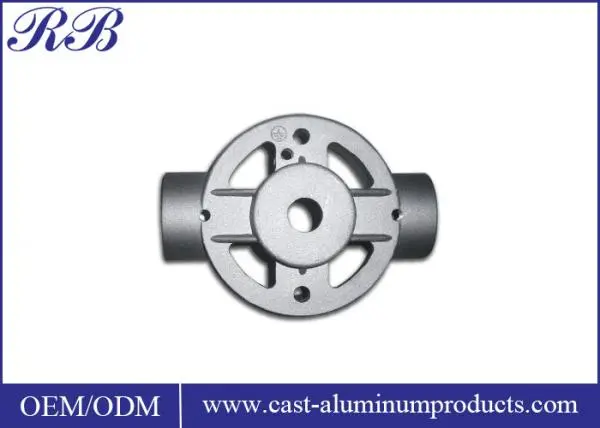
Metal casting accessories include a wide range of tools and finished parts that are needed for casting. These include engine parts made by die casting, sand casting, or investment casting, as well as special moulds, aluminium housings, valve bodies, and valve bodies. We've seen that casting works really well for making parts with complicated internal spaces or complicated outward shapes that would need a lot of machining to make them otherwise. A natural gas control valve body made of A380 aluminium alloy and weighing about 0.8 kg is an example of how high-pressure die casting can make parts that are almost perfectly round and ready for finishing steps like shot blasting and CNC milling.
How Machined Components Differ Fundamentally
Parts that are machined start out as blocks or billets of raw material that are precisely removed by drilling, milling, turning, or grinding. This process of taking away material ensures very accurate measurements (often within ±0.02mm) and great surface finishes. Machined parts are often needed in industries that need aerospace-grade accuracy or tight-tolerance hydraulic parts. There are, however, some costs that come with this accuracy. In complicated geometries, material waste can reach 60–70%, and costs per unit stay pretty steady no matter how much is made. This means that machining is less cost-effective for big batches.
Material Selection and Its Cost Impact
Choosing the right materials has a big effect on both how they are made and how much they cost in the end. Aluminium alloys like A380 are great for casting because they are lightweight, don't rust, and can be used to make housings for cars and parts for energy equipment. Heavy machinery parts are made of steel casts because they are stronger, while oil and gas equipment uses bronze and other specialised metals because they don't rust. Machined parts usually use bar stock or plate materials that have consistent mechanical properties and cost more than other parts. When you can cast from scrap or recycled metal instead of new metal that is needed for precision machining, you can save 15 to 25 percent on the cost of raw materials.
Comprehensive Cost Comparison Between Casting Accessories and Machined Components
Breaking Down Direct Manufacturing Costs
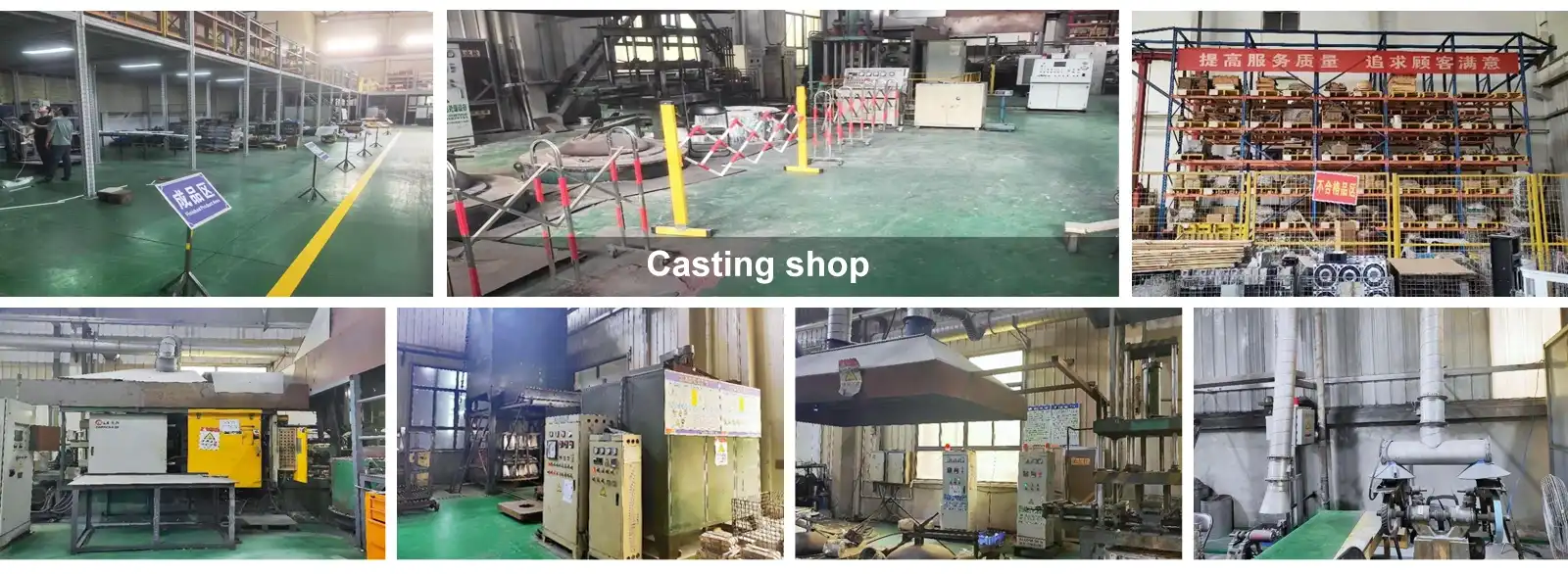
Material prices make up 40 to 55 percent of the total cost of production in both methods, but the efficiency of use is very different. In casting accessories, 85 to 90% of the raw metal is turned into finished goods, while in cutting, a lot of scrap metal is made. Because of the high cost of labour, casting automation is becoming more popular. Modern high-pressure die casting cells make 5,000 pieces a month with consistent quality with little help from humans. Machining needs skilled workers and longer cycle times. For example, a complicated valve box might need 45 minutes of machine time, while a cast version would only need 3 minutes. Energy use also varies a lot. For example, casting kilns use the least amount of energy possible while continuously running at full capacity, while machine centers use electricity while cutting for long periods of time.
Tooling Investment and Break-Even Analysis
The biggest problem with casting accessories is that it takes a lot to make the tools needed for it. Die cast permanent moulds cost between $15,000 and $80,000, based on how complicated they are and how many cavities they have. Patterns for sand casting are much cheaper—$2,000 to $10,000—but the cycle times are longer. At $500 to $5,000, machining fixtures and jigs are not too expensive, which means that machined prototypes can be made on a budget. The break-even estimate depends on how many units are being made. Orders of 500 to 1,000 units usually support investing in casting tools, while orders of less than 500 units usually favour machining. When clients switched medium-volume parts from machining to die casting, we helped them cut costs per unit by 40%, and the tooling costs were paid back within the first production year.
Production Scale and Unit Cost Economics
Casting techniques are greatly helped by economies of scale. Cycle times for high-pressure die casting parts are between 60 and 180 seconds, which means that more than 100,000 pieces can be made each year from a single mould. When you make more of something, the unit cost goes down sharply. For example, a part that costs $18 for 1,000 pieces might only cost $6 for 10,000 pieces and $4.50 for 50,000 pieces. When it comes to machining, the cost of the same part might go down from $25 to $22 as setups are optimised, but hourly machine rates and material costs stay pretty much the same. Another thing to think about is production capacity. For example, casting facilities can increase output by adding shifts or mould holes, but machining facilities need to buy expensive tools to do the same thing.
Total Cost of Ownership Considerations
In addition to the initial purchase price, buying managers must also look at how much it will cost to maintain and how long each part will last. When ribs and wall thicknesses are designed correctly, casting accessories often have the same or better durability as machined parts while weighing 20–30% less. Less weight means cheaper shipping, which is something to think about when buying from places like Xi'an, China, where a lot of goods are made. When you treat the outside of casts with things like shot blasting and protective coatings, they become more resistant to corrosion and last longer in harsh settings like natural gas distribution systems. Machined parts may need fewer finishing steps at first, but they can have stress buildup from sharp internal corners, which is something that casting designs naturally avoid by using filleted transitions.
Strategic Procurement Considerations for Casting Accessories and Machined Components
Navigating the Supplier Ecosystem
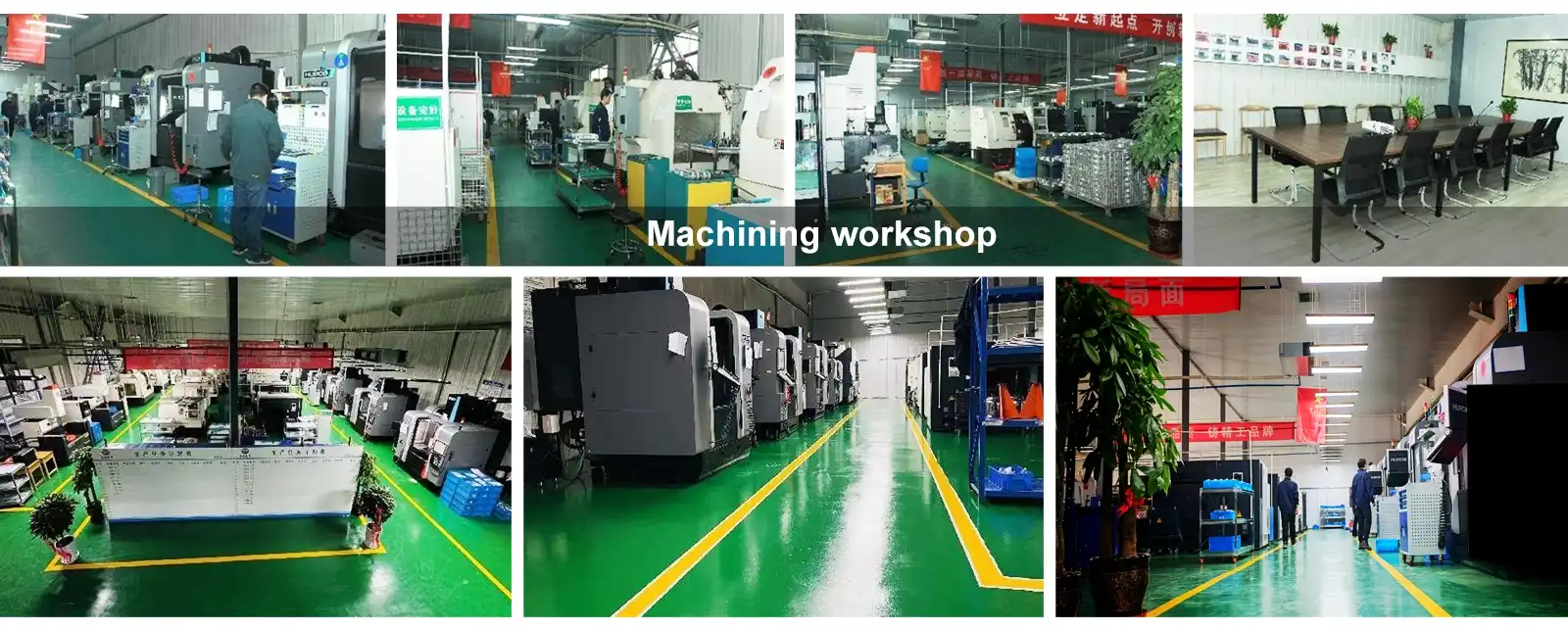
There are many types of casting accessories providers, from specialised job shops that make prototypes to integrated makers that help with design, make tools, cast, machine, and finish parts all in one place. Integrated sources shorten wait times (usually 8 to 12 weeks from design freeze to production parts) and make it easier to communicate. Our business is set up to offer complete solutions, including creating moulds, high-pressure die casting in A380 aluminium, CNC machining of important parts, shot blasting to prepare the surface, and safe packaging in protective cartons. This vertical integration gets rid of the coordination problems that come up when you have to deal with separate vendors for casting and machining. This is especially important when your suppliers are in different time zones.
Negotiating Pricing and Lead Time Optimization
To negotiate well, you need to find a mix between unit price and total landing cost. Tiered pricing can be unlocked by making a volume commitment. For example, annual agreements for 20,000 to 50,000 units often get 12–18% discounts compared to spot purchases. Payment terms have an effect on prices. For example, if you have net-60 terms and pay 50% of the total amount when the goods are shipped, you might get 3-5% off the price. To optimise lead times, it's important to know how suppliers are using their resources. Our monthly production capacity of 5,000 natural gas valve components lets us keep extra stock on hand for regular customers, which cuts down on urgent requests for faster delivery that drive up costs. Strategic buyers plan production windows during times when suppliers don't need as much, which gets them better prices and guarantees of capacity.
Logistics and Customization Advantages
Shipping costs for casting accessories are lower because they are close to being in their final shape. This means that they don't need as much packing, and the parts are packed more densely, which cuts freight costs by 15 to 25 percent compared to shipping raw materials for domestic machining. One of the best things about casting methods is that they can be customised. OEM and ODM capabilities let you make changes to designs that make them easier to cast while keeping their functionality. We often work with engineers to change the width of the walls, add cast-in features, or change the parting lines so that less cutting is needed. These design improvements that can't be made or would be too expensive on machined parts keep costs down over the lifetime of a product without lowering quality or dependability.
Conclusion
There are a lot of things to think about when deciding between casting accessories and made components. These include production volume, design complexity, material needs, quality standards, and the total cost of ownership. Casting is a very cost-effective way to make things in medium to large quantities, especially when designs take advantage of its ability to make complicated shapes quickly. Machining is still needed for samples, very small quantities, and tasks that need the tightest standards. Smart strategies for buying things often use a mix of methods, like casting near-net-shape parts and selectively milling important parts. By knowing these trade-offs and working with skilled suppliers who offer integrated solutions, procurement managers can find the best parts that meet functional needs and stay within budget and delivery dates.
FAQs
What are the primary cost factors differentiating casting from machining?
The biggest difference in cost is how the materials are used. In casting, 85–90% of the raw metal is turned into finished goods, but in cutting, 40–70% is wasted as chips and trash. For low numbers (less than 500 units), cutting is better because it doesn't require as much investment in tools. However, casting spreads the cost of the mould over thousands of parts, which greatly lowers the unit price. Automated casting methods, especially die casting, have turn times of less than three minutes, while machining operations for complex parts take 30 to 60 minutes.
How can buyers maintain quality control when ordering large batches?
Use statistical sampling plans like ANSI/ASQ Z1.4 to set up organised receiving inspection processes. Demand that sellers show their abilities by giving you records on dimensional inspections, material certifications, and process control charts. Set hold points so that witnesses can check the work during the first production runs. Set clear procedures for corrective action and response times. Reliable suppliers will take care of quality issues within 48 to 72 hours. Quality variation is lessened by long-term partnerships with certified suppliers, such as those with ISO9001:2015, ISO14001, and ISO45001 certifications. This is because mature quality management systems and cultures of continuous improvement make these partnerships more effective.
Partner with Rongbao Enterprise for Superior Casting Solutions
Finding the right parts can be hard, so you need a factory partner with technical know-how, production freedom, and a strong commitment to quality. This is exactly what Rongbao Enterprise can offer thanks to our extensive casting and machining skills, which have been built up over 20 years of leading the industry. Our Xi'an plant has high-pressure die casting, low-pressure casting, gravity casting, precision CNC machining, and advanced surface treatments. This means that we can make everything from the initial design to delivering the finished product all in one place. We have been certified to ISO9001:2015, ISO14001, and ISO45001 standards, and our customers are very picky in the energy, construction machinery, automotive, and industrial equipment sectors. We send 70% of our products to markets in Europe, the United States, and Japan. Our customised OEM/ODM services and monthly production capacity of 5,000 pieces make sure that your needs are met accurately and at a low cost, whether you need 500 sample natural gas valve housings or 50,000 units per year. Get in touch with our team right away by emailing Steve Zhou at steve.zhou@263.net or zhouyi@rongbaocasting.com to talk about your needs and find out how working with a trusted provider of casting accessories can improve the performance of your supply chain.
References
- Campbell, J. (2015). Complete Casting Handbook: Metal Casting Processes, Techniques and Design. Butterworth-Heinemann.
- Groover, M.P. (2020). Fundamentals of Modern Manufacturing: Materials, Processes, and Systems (7th ed.). Wiley.
- American Foundry Society. (2018). Metalcasting Process Design and Quality Assurance Standards. AFS Publications.
- Kalpakjian, S. & Schmid, S.R. (2014). Manufacturing Engineering and Technology (7th ed.). Pearson Education.
- Beeley, P.R. & Smart, R.F. (2017). Investment Casting: Principles and Practice. Institute of Materials.
- Society of Manufacturing Engineers. (2019). Cost Estimating Guide for Die Casting and Machining Operations. SME Technical Papers.
Learn about our latest products and discounts through SMS or email