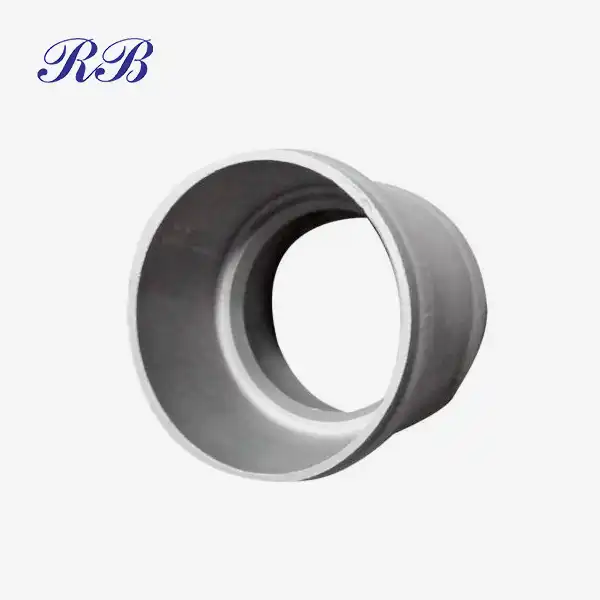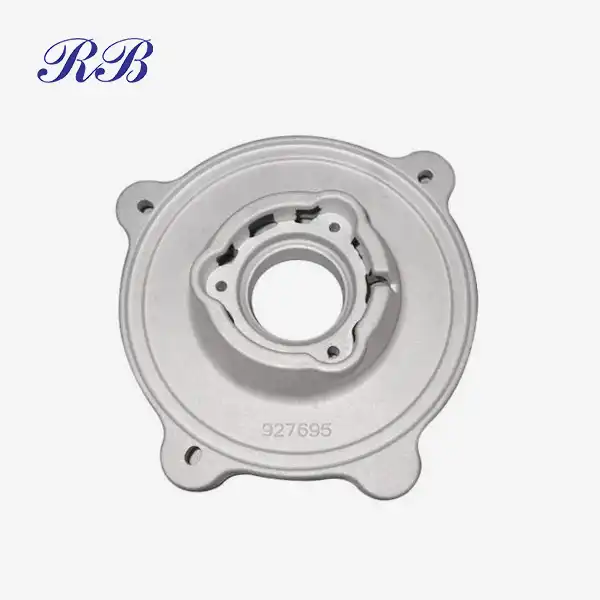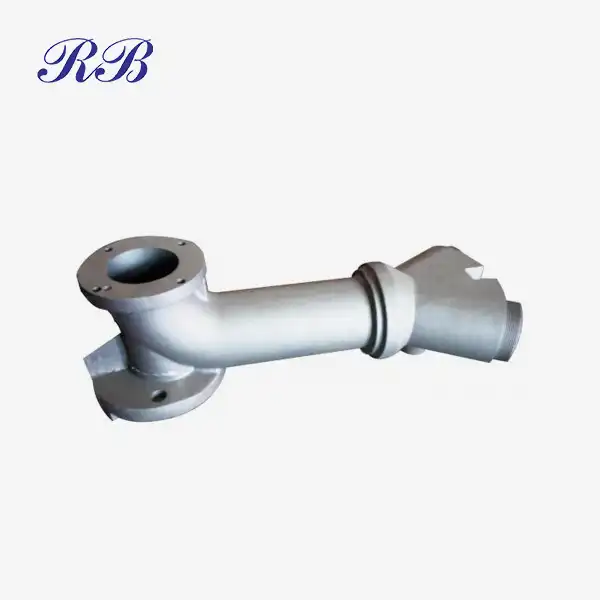
Material Selection and Preparation for Durable Metal Souvenirs
Aluminum Alloy Composition and Its Role in Modern Souvenir Manufacturing
A356 aluminum alloy has emerged as the predominant material choice in the fabrication of casting craft souvenirs due to its balanced properties. This particular alloy composition contains approximately 7% silicon and 0.3% magnesium, which provides enhanced fluidity during the molten state while maintaining structural integrity after solidification. The silicon content reduces the melting point to approximately 615°C, making it energy-efficient compared to pure aluminum, which requires temperatures exceeding 660°C.
What sets A356 apart from other types of aluminum? Its crystalline structure forms a dendritic pattern during cooling, creating microscopic branches that distribute stress evenly across the finished piece. This matters when souvenirs undergo repeated handling or experience temperature fluctuations during storage and display. Magnesium improves corrosion resistance, which is especially important for objects that are shown in humid settings or by the shore, where exposure to salt speeds up oxidation.
Manufacturers who prioritize sustainability increasingly incorporate recycled materials into their casting craft souvenirs production streams. Another good choice is zinc alloy, especially for little commemorative objects that need fine surface details. Its lower melting point of 420°C allows for finer mold definition, though it lacks the long-term durability of aluminum for larger installations. The golden color of brass, an alloy of copper and zinc, adds aesthetic warmth, but its oxidation tendencies and higher material costs make it difficult to produce on a wide scale.
Pre-Production Material Testing and Quality Assurance
Before any metal enters the furnace, material verification procedures determine chemical composition accuracy. Spectrometry analysis confirms that incoming aluminum stock matches A356 specifications, as even minor deviations—such as excess iron content—can compromise the final product's mechanical properties. Iron contamination above 0.2% causes brittleness and surface defects that become apparent only after machining operations.
Calculating exact amounts based on mold cavity volumes and anticipated production rates is another aspect of the preparation step. Experienced foundries account for approximately 8-12% material loss during the casting process—this includes the sprue system (channels that deliver molten metal to the mold cavity), risers that compensate for shrinkage, and inevitable splatter during pouring operations. These computations reduce the amount of trash that has to be reprocessed and avoid material shortages during manufacturing.
Thermal Management During Material Preparation
Temperature control begins well before the casting process itself. Aluminum ingots stored in ambient conditions absorb moisture from the atmosphere, which can cause violent reactions when suddenly exposed to molten metal temperatures. Proper storage facilities maintain humidity below 40% and pre-heat materials to 150°C, driving off absorbed water without initiating oxidation. This seemingly mundane step prevents porosity—microscopic air pockets that weaken the finished souvenir and create rejection during quality inspections.
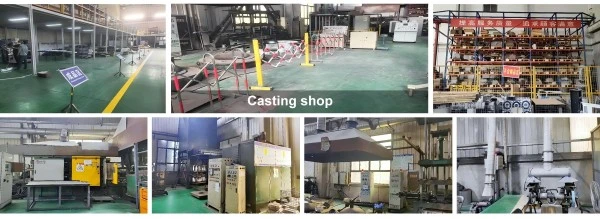
The Precision Casting Process: From Liquid Metal to Solid Form
Mold Design and Pattern Creation
Every casting craft souvenir begins as a three-dimensional pattern, typically created using computer-aided design software that translates conceptual sketches into manufacturable geometries. These digital models account for shrinkage rates specific to A356 aluminum, which contracts approximately 1.3% during solidification. Pattern makers intentionally enlarge dimensions to compensate, ensuring the final cooled piece matches target specifications.
The most popular technique for creating casting craft souvenirs is still sand casting, which allows for size and complexity flexibility without the need for costly permanent molds. Green sand—a mixture of silica, clay, water, and organic binders—forms around the pattern, creating a negative impression that will receive molten metal. The sand's permeability allows gases generated during pouring to escape rather than becoming trapped as defects within the casting.
The Critical Moments of Metal Pouring
Furnaces superheat A356 aluminum to 730-750°C, approximately 120°C above its liquidus temperature. This superheat serves multiple purposes: it increases fluidity, allowing the metal to completely fill thin sections and fine details; it provides thermal energy to maintain liquid state during transfer from furnace to mold; and it delays premature solidification that could block flow channels. However, excessive temperatures above 800°C promote oxidation and grain coarsening, deteriorating mechanical properties.
The pouring operation itself demands practiced judgment. Too rapid a pour creates turbulence that entrains air bubbles and erodes the sand mold, contaminating the metal with silica particles. Too slow a pour allows the metal stream to cool prematurely, resulting in cold shuts—discontinuities where two flow fronts meet but fail to fuse properly. Experienced casters adjust pour rate based on visual cues: the metal's surface appearance, the sound of initial mold contact, and the pattern of steam generation all provide real-time feedback.
Solidification Dynamics and Cooling Control
Once poured, the transformation from liquid to solid follows predictable physical laws, yet requires careful management. A356 aluminum doesn't solidify uniformly—it transitions through a mushy zone where liquid and solid phases coexist. Thicker sections remain molten longer than thin areas, creating a temperature gradient that, if uncontrolled, leads to shrinkage cavities in the last regions to freeze.
Foundries employ directional solidification principles, designing the mold system so that solidification progresses from the casting's extremities toward risers—casting craft souvenirs of molten metal that feed shrinkage-prone areas. The cooling rate also affects grain structure: rapid cooling produces fine grains with superior strength, while slow cooling creates coarse grains that are more ductile but less resistant to fatigue. For souvenirs requiring both strength and some flexibility during subsequent machining, controlled cooling rates achieve optimal microstructure.

Post-Casting Enhancement Through CNC Machining and Surface Treatment
Computer Numerical Control Machining for Dimensional Precision
Raw castings emerge from molds with excess material from gating systems and surface textures that reveal the sand mold's imprint. CNC machining removes these artifacts while establishing precise dimensions that manual processes cannot consistently achieve. Multi-axis machining centers execute programmed tool paths, cutting away material with tolerances measured in hundredths of millimeters—far exceeding what casting alone can deliver.
The choice of cutting tools and parameters reflects aluminum's unique characteristics. A356 machines readily with carbide tooling at high spindle speeds (3,000-6,000 RPM), but silicon content causes accelerated tool wear compared to pure aluminum. Coolant application serves dual purposes: it lubricates the cutting interface, reducing friction and heat buildup, while washing away chips that could scratch the finished surface. For intricate details like text engraving or logo reproduction, smaller diameter end mills execute fine features that would be impossible to cast directly.
Surface Preparation Through Shot Blasting
After machining establishes dimensional accuracy, shot blasting addresses surface characteristics. This process propels small steel or ceramic beads at high velocity against the casting's surface, accomplishing multiple objectives simultaneously. It removes oxidation layers that form during casting and cooling, reveals the underlying aluminum's natural appearance, and creates a uniform matte texture that enhances subsequent coating adhesion if finishing is required.
Shot blasting also induces compressive stresses in the surface layer—a phenomenon where the impacting media deforms the outer material, creating residual stresses that oppose crack initiation. This increases the souvenir's resistance to fatigue failure, particularly relevant for items subject to handling stresses or vibration during display. The process parameters—media type, size, velocity, and exposure time—require calibration based on the desired surface finish: aggressive blasting produces rough textures suitable for grip surfaces, while gentle blasting with fine media creates smoother appearances appropriate for decorative areas.
Partner with Rongbao Enterprise for Your Next Project
Whether you need commemorative items for institutional milestones, corporate recognition programs, or cultural preservation initiatives, Rongbao Enterprise delivers manufacturing expertise backed by decades of metallurgical knowledge. Our integrated production facility in Xi'an handles everything from initial design consultation through final quality inspection, ensuring consistency and accountability throughout your project timeline.
We are aware that every casting craft souvenir project has different needs; effective results depend on a number of factors, including delivery dates, budgetary restraints, aesthetic preferences, and dimensional limitations. Our engineering team collaborates with customers to maximize ideas for production while maintaining creative vision by using our knowledge of casting constraints and opportunities, producing products that combine functionality and beauty.
Ready to discuss your requirements? Contact our technical sales team directly:
Steve Zhou: steve.zhou@263.net
Zhou Yi: zhouyi@rongbaocasting.com
References
- Campbell, J. (2015). Complete Casting Handbook: Metal Casting Processes, Techniques and Design (2nd ed.). Butterworth-Heinemann. DOI: 10.1016/C2014-0-01548-9
- Kaufman, J. G., & Rooy, E. L. (2004). Aluminum Alloy Castings: Properties, Processes, and Applications. ASM International.
- International Organization for Standardization. (2015). ISO 9001:2015 Quality Management Systems — Requirements. Geneva, Switzerland: ISO.
- Davis, J. R. (Ed.). (2001). Aluminum and Aluminum Alloys. ASM Specialty Handbook. ASM International.
- Groover, M. P. (2020). Fundamentals of Modern Manufacturing: Materials, Processes, and Systems (7th ed.). Wiley. ISBN: 978-1-119-72314-1