- English
- French
- German
- Portuguese
- Spanish
- Russian
- Japanese
- Korean
- Arabic
- Greek
- German
- Turkish
- Italian
- Danish
- Romanian
- Indonesian
- Czech
- Afrikaans
- Swedish
- Polish
- Basque
- Catalan
- Esperanto
- Hindi
- Lao
- Albanian
- Amharic
- Armenian
- Azerbaijani
- Belarusian
- Bengali
- Bosnian
- Bulgarian
- Cebuano
- Chichewa
- Corsican
- Croatian
- Dutch
- Estonian
- Filipino
- Finnish
- Frisian
- Galician
- Georgian
- Gujarati
- Haitian
- Hausa
- Hawaiian
- Hebrew
- Hmong
- Hungarian
- Icelandic
- Igbo
- Javanese
- Kannada
- Kazakh
- Khmer
- Kurdish
- Kyrgyz
- Latin
- Latvian
- Lithuanian
- Luxembou..
- Macedonian
- Malagasy
- Malay
- Malayalam
- Maltese
- Maori
- Marathi
- Mongolian
- Burmese
- Nepali
- Norwegian
- Pashto
- Persian
- Punjabi
- Serbian
- Sesotho
- Sinhala
- Slovak
- Slovenian
- Somali
- Samoan
- Scots Gaelic
- Shona
- Sindhi
- Sundanese
- Swahili
- Tajik
- Tamil
- Telugu
- Thai
- Ukrainian
- Urdu
- Uzbek
- Vietnamese
- Welsh
- Xhosa
- Yiddish
- Yoruba
- Zulu
How to make a sand mold for aluminum casting?
Making an aluminum casting sand mold requires mixing the right binders into the sand, shaping the mold hole around a pattern, and making sure there are the right gates in place so that the molten aluminum can flow. Complex aluminum parts are made using this basic manufacturing method. They are used in aircraft, automotive, and industrial settings. Sand molds can be used for a variety of metal alloys and are a cost-effective way to make prototypes and medium-sized batches of products. To get the best casting quality and accuracy in measurements, the process needs careful attention to the type of sand used, the form of the mold, and how the heat is managed.
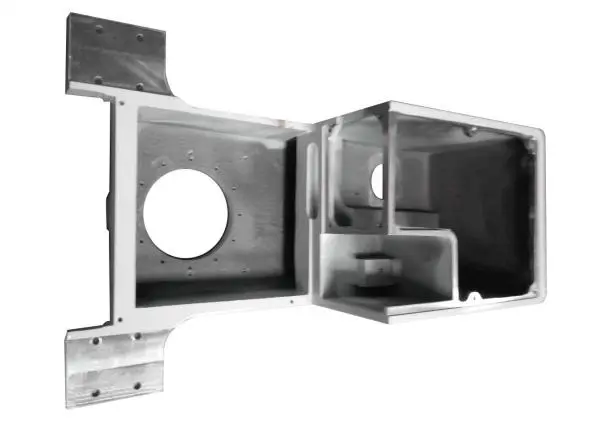
Sand Mold Casting for Aluminum
One of the most flexible and cost-effective ways to make metal parts is through sand mold casting. This tried-and-true method of making things uses replaceable sand molds to shape molten metal into exact, useful parts that are used in many different fields.
Fundamental Principles of Sand Mold Casting
Making a negative image of the part that is to be cast in sand is what the sand casting method is based on. In contrast to permanent mold casting or die casting, sand models are destroyed when the part is taken out. This makes this method ideal for complicated shapes and low to medium volume production. The sand mixture usually has silica sand, clay binders, and water in it. This makes a moldable substance that stays strong while the metal is poured and hardens.
Metal casting foundries like sand mold casting because it can be used with almost any type of aluminum metal. Because sand doesn't conduct heat very well, it's possible to control the rate at which it cools, which can help get certain microstructures in metal parts. When compared to fast cooling ways, this controlled solidification process usually gives better mechanical qualities.
Comparing Sand Casting to Alternative Methods
There are clear benefits to sand mold casting over other ways to make metal. Die casting uses high-pressure injection into steel models, which makes it great for mass output but requires big investments in tools up front. Reusable metal molds are used for permanent mold casting. They give the finished product a great finish, but they make it harder to make complex designs.
When design freedom, complicated internal geometries, and low production numbers are needed, sand casting is the best method. The method can handle both simple and complex forms, since it doesn't have to follow the geometric limits that come with fixed tooling. Automobile companies often use sand casting for engine blocks, transmission housings, and suspension parts that need to have complex fitting and cooling channels.
Investment casting gives you a better surface finish and more accurate measurements, but it costs more and takes longer to make. For many uses of metal in building equipment, industry equipment, and energy sector parts, sand casting is the best way to get the best price, flexibility, and quality.
Step-by-Step Process to Make a Sand Mold for Aluminum Casting
To make aluminum casting sand molds that work, you need to pay careful attention to how you choose the material, prepare the plan, and put the mold together. Each step has a direct effect on the quality and accuracy of the end casting.
Pattern and Material Selection
Choosing the right design and getting the sand ready are the first steps to making a good sand mold. Patterns are usually made of wood, metal, or polymer materials that correctly show the shape of the final aluminum part. To make it easier to remove mold without damaging the fabric, pattern creation must include draft angles, which are usually between 1 and 3 degrees.
The choice of sand has a big effect on how well the aluminum casting turns out. Silica sand is still the most popular choice because it is easy to find and doesn't easily melt. In some cases, though, chromite sand for better heat protection or olivine sand for a better surface finish may be needed. Grain size affects how well the mold lets air through and the smoothness of the surface. Finer sands make better casting surfaces, but you have to be extra careful that gas doesn't escape.
Binder methods decide how strong the shape is and how easy it is to break down after casting. Clay-bonded green sand systems are easy to shape and can be used again and again, which makes them cost-effective for many uses. Resin-bonded sand methods have better surface finish and accuracy in measurements, but they cost more in materials.
Mold Construction and Assembly
The first step in making a cast is to prepare the shaping flask's drag (bottom half). Using hand ramming or pneumatic shaping tools, the sand is carefully packed around the design. The right amount of compaction makes sure that the mold is strong enough while still letting enough gas escape during the filling of metal.
Core placement is very important for parts that need internal spaces or have complicated shapes. Most cores are made of sand that has been glued together with resin, and they need to be placed exactly where they need to be in the mold. Core prints on the pattern make sure that the core is placed correctly and doesn't move while the metal is being poured.
The building of the cope (top half) is similar, with extra care taken to prepare the splitting line. A clean, smooth splitting surface keeps metal from getting between the mold halves and makes sure the mold closes properly. Sprues, runners, and gates are all parts of a gating system that must be carefully planned to allow metal to move smoothly while reducing noise and oxide formation.
Drying and Quality Control
For model stability and casting quality, it's important to dry things the right way. For best strength and moldability, green sand molds usually need between 3 and 5 percent moisture. Too much water can make steam during filling, which can cause flaws in the casting like blowholes or porosity.
Checkpoints for quality control during the making of the mold help find problems before the metal is poured. Mold hardness testing makes sure that the level of packing stays the same, and leakage testing makes sure that gas can leave the mold properly. Visual inspection finds flaws on the surface, loose sand, or broken mold parts that might lower the quality of the casting.
When working with aluminum metals, keeping an eye on the temperature is very important. For thin-walled casts or complex shapes, preheating the mold may be needed to keep the metal from solidifying too quickly and make sure that all the holes are filled.
Key Considerations in Sand Mold Making for Aluminum Casting
The success of sand mold aluminum casting processes depends on a number of important things. When procurement workers and engineers understand these factors, they can make specs and criteria for choosing a seller more effective.
Temperature Management and Aluminum Alloy Selection
Certain temperature ranges cause aluminum metals to solidify, which has a direct effect on the mold needs and the quality of the casting. Common casting alloys like A356, A380, and A413 all have their own unique qualities when it comes to how they flow, how much they shrink, and how strong they are. The A356 aluminum-silicon alloy is famous in the aircraft and car industries because it is easy to cast and doesn't rust.
The choice of pouring temperature strikes a balance between full mold filling and too much superheat, which can lead to mold damage or gas pores. Depending on the metal and the shape of the casting, the normal filling temperature for aluminum is between 1250°F and 1400°F (677°C and 760°C). Higher temperatures make things flow better, but they also make them shrink more and tear more easily when heated.
Mold thermal management is the process of controlling how much heat is extracted by changing the makeup of the sand and the shape of the mold. For parts that need specific microstructures, thicker mold sections cool down more slowly, while smaller sections speed up solidification to reduce shrinkage flaws.
Sand and Binder Optimization
The shape and size spread of sand grains have a big effect on how well the mold works and how good the casting surface is. Because they mechanically connect, angular sand grains make molds stronger, while rounded grains make them more porous and improve the finish on the outside. The American Foundry Society (AFS) grain size number method makes it easy to classify sand. For aluminum casting, the normal range is between 40 and 70.
Choice of binder affects both how strong the shape is and how easy it is to break down after casting. Bentonite clay binders are great for shaping and reusing, but they can leave surface flaws on complicated shapes. Organic binders, like rice or wood flour, make it easier for molds to collapse, which lowers the stress of casting and the chance of hot tears.
Some problems with casting can be solved by adding additives. Adding coal dust improves the finish on the surface and stops metal from penetrating it, and iron oxide stops flaws called veining. Silica flour makes the surface of the mold smoother, but it needs to be carefully mixed with water to keep it from getting too hard.
Design Optimization for Manufacturing
Mold shape changes have a big effect on the quality of the casting and how quickly it is made. Draft angles make it easier to remove patterns while reducing mold damage and changes in size. Fillet curves make it easier for metal to move while reducing stress concentrations and hot tearing.
The form of the gates affects the pattern of filling, the order of solidification, and the quality of the casting. Some thin parts may get cold shuts when bottom gating systems are used, but they reduce turbulence and oxide absorption. Top gating is great for feeding, but the runners need to be carefully designed to keep the soil from washing away and sand from getting inside.
Placement of the feeding system provides enough metal supply during the solidification and shrinking processes. Aluminum alloys usually shrink by 3 to 8 percent when they harden, so risers need to be put carefully to keep the casting's structure. Directional solidification rules tell you where to put the feeders so that there are no shrinking holes in the most important casting parts.

Choosing the Right Sand Mold Supplier for Your Aluminum Casting Needs
To find the right aluminum casting supplier, you need to look at a number of factors that have a direct effect on the quality of the product, the dependability of delivery, and the total cost of ownership. To make sure a partnership works in the long run, procurement workers need to look at technical skills, quality processes, and operational ability.
Essential Supplier Evaluation Criteria
Quality badges are basic signs of how capable and dedicated a company is to managing quality in a structured way. ISO 9001 certification shows that quality control systems are well-established, and ISO/TS 16949 (now IATF 16949) meets the special needs of the automotive business. These certificates show that providers keep written records of how they control the process, make changes, and keep making it better.
The supplier's technical skills include their ability to work with specific alloy needs, complicated shapes, and tight limits for size. Foundries with a lot of experience show that they know how to make a wide range of aluminum alloys and uses. Metallurgical skills, like heat treatment and mechanical testing, show a wide range of expert knowledge that goes beyond simple casting processes.
When you evaluate production capacity, you look at how well the equipment works, how fast it can produce things, and how much it can be expanded. Modern foundries use digital process control, automatic molding equipment, and advanced metallurgical tests to make sure that the quality is always the same and that production goes smoothly. Talks about capacity planning help providers figure out if they can handle future increases in number or changes in seasonal demand.
Customization and Compliance Capabilities
Design for Manufacturing (DFM) support makes casting creation much more efficient and helps keep costs low. Experienced suppliers are very helpful during the design stages of a component because they can suggest changes that make it easier to cast, less difficult to machine, or better in terms of its mechanical qualities. When people work together, they can often save a lot of money and make the product work better.
Compliance standards for the automobile, aerospace, and industrial sectors are very different from one another. Automotive suppliers need to show they can handle the PPAP (Production Part Approval Process) and keep records of their data process control. For certain processes, aerospace uses need special approvals like AS9100 and Nadcap accreditation.
As companies put more emphasis on responsible sources, following environmental and social rules becomes more crucial. Making sure that casting methods follow the rules for REACH (Registration, Evaluation, Authorization, and Restriction of Chemicals) makes sure that they are safe for chemicals in Europe. RoHS (Restriction of Hazardous Substances) compliance deals with the standards for the make-up of materials used in electronics and cars.
Conclusion
Sand mold casting is still one of the most important ways to make metal parts because it is so flexible and can be used for both complex shapes and medium-volume production. For the process to work well, you need to pay close attention to the choice of material, how the mold is prepared, and quality control steps. Knowing the basic rules of sand casting, from making the pattern to checking the finished product, helps engineers and buying workers choose the best suppliers. To make implementation work, you have to find a balance between technology needs, cost, and keeping high quality standards. Advancements in sand casting technologies, such as better binder systems and automatic molding tools, keep making this tried-and-true production method more useful and capable.
Partner with Rongbao Enterprise for Superior Aluminum Casting Solutions
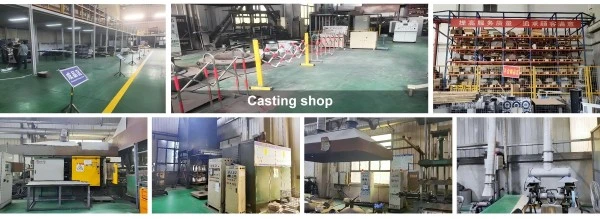
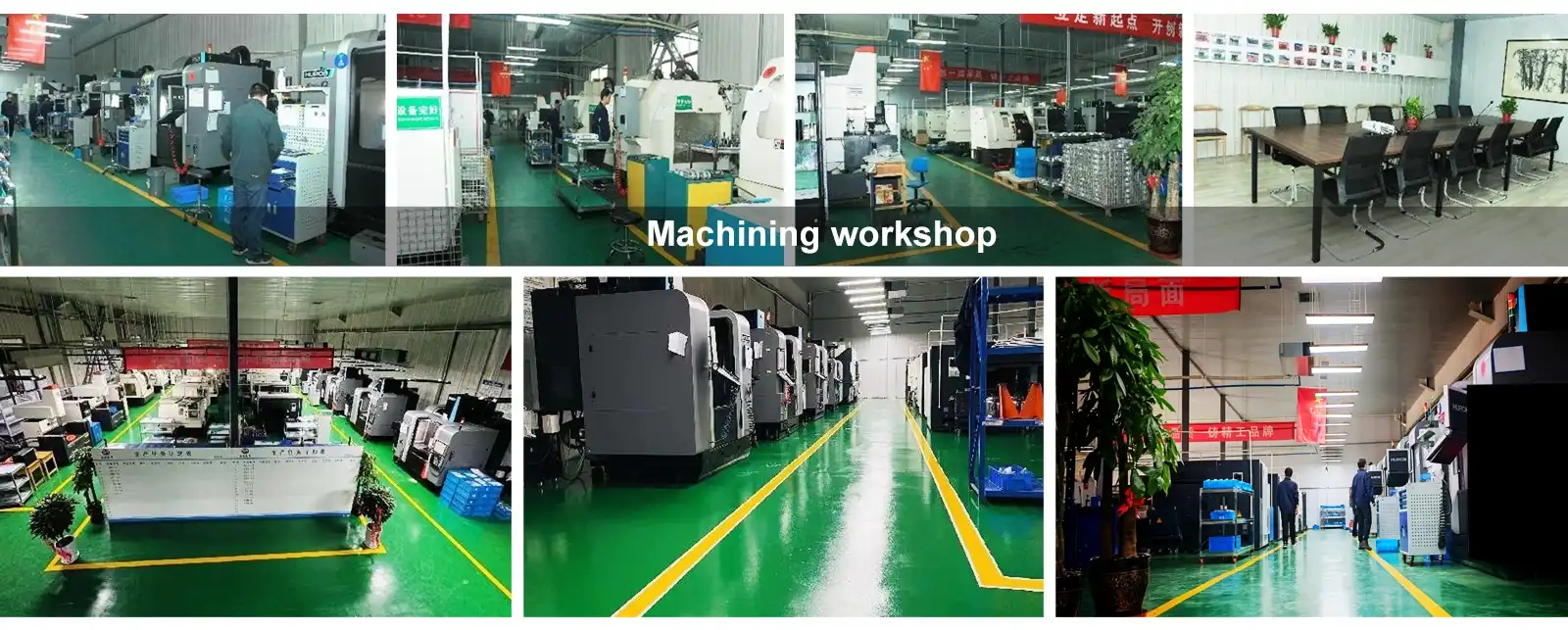
Rongbao Enterprise is a full-service aluminum casting manufacturer that can meet the complicated needs of current business-to-business buying. We have been in the casting business for 20 years and know how to use all of the different methods, such as sand mold casting, high-pressure die casting, and low-pressure die casting. We keep high quality standards that meet world standards in the automobile, aircraft, and industrial sectors thanks to our ISO 9001, ISO 14001, and ISO 45001 certifications. Our modern production facilities have automatic casting tools and high-precision machining tools that make sure the parts are always the right size and have a good finish. Contact our expert team at steve.zhou@263.net or zhouyi@rongbaocasting.com to talk about your specific sand mold casting needs and find out how our integrated production solutions can help your supply chain work better.
FAQs
①What types of sand work best for aluminum casting molds?
Silica sand is still the most preferred aluminum sand casting material because it is readily available and resistant. Silica sand and bentonite clay-bound green sand systems can be molded simply and reused. Chromium sand resists heat better than olivine sand, although olivine sand finishes precise parts better. Smoother surfaces are achieved with finer grains (AFS 40–70), although permeability must be managed.
②How long does it take to make a sand mold for aluminum casting?
The complexity and method of making a sand mold determine its preparation time. Simple models can be made in 5–15 minutes using automated molding machines, but intricate pieces can take hours by hand. Empty parts require additional time for core preparation and assembly. Pattern preparation and mold drying affect wait times. This applies especially to resin-bonded sand systems that cure in one to four hours.
③What kinds of aluminum metals work best for casting in a sand mold?
A356 aluminum-silicon alloy is ideal for autos and spaceships because it casts well and has good engineering. A380 has good flexibility and die-filling for complex designs. In chemical and saltwater environments, A413 resists corrosion better. The decision depends on mechanical qualities, corrosion resistance, and further machining or heat treatment.
④How can you keep sand-cast metal parts from having porosity problems?
During casting, many elements must be monitored to avoid porosity. Maintaining sand moisture between 3 and 5% reduces steam production during dumping. When molten aluminum is properly degassed, dissolved hydrogen decreases, improving gas permeability. The optimum feeding and pouring procedures limit turbulence and gas entrainment and compensate for solidification shrinkage. Gas must escape while metal hardens, therefore mold permeability must be high.
References
- Campbell, John. "Complete Casting Handbook: Metal Casting Processes, Metallurgy, Techniques and Design." Butterworth-Heinemann, 2015.
- Brown, John R. "Foseco Foundryman's Handbook: Facts, Figures and Formulae." Butterworth-Heinemann, 2000.
- Beeley, Peter R. "Foundry Technology." Newnes, 2001.
- Stefanescu, Doru Michael. "Science and Engineering of Casting Solidification." Springer, 2009.
- Viswanathan, S. "An Overview of Permanent Mold Casting." American Foundry Society Transactions, 2002.
- Heine, Richard W. "Principles of Metal Casting." McGraw-Hill Education, 1967.
Learn about our latest products and discounts through SMS or email