- English
- French
- German
- Portuguese
- Spanish
- Russian
- Japanese
- Korean
- Arabic
- Greek
- German
- Turkish
- Italian
- Danish
- Romanian
- Indonesian
- Czech
- Afrikaans
- Swedish
- Polish
- Basque
- Catalan
- Esperanto
- Hindi
- Lao
- Albanian
- Amharic
- Armenian
- Azerbaijani
- Belarusian
- Bengali
- Bosnian
- Bulgarian
- Cebuano
- Chichewa
- Corsican
- Croatian
- Dutch
- Estonian
- Filipino
- Finnish
- Frisian
- Galician
- Georgian
- Gujarati
- Haitian
- Hausa
- Hawaiian
- Hebrew
- Hmong
- Hungarian
- Icelandic
- Igbo
- Javanese
- Kannada
- Kazakh
- Khmer
- Kurdish
- Kyrgyz
- Latin
- Latvian
- Lithuanian
- Luxembou..
- Macedonian
- Malagasy
- Malay
- Malayalam
- Maltese
- Maori
- Marathi
- Mongolian
- Burmese
- Nepali
- Norwegian
- Pashto
- Persian
- Punjabi
- Serbian
- Sesotho
- Sinhala
- Slovak
- Slovenian
- Somali
- Samoan
- Scots Gaelic
- Shona
- Sindhi
- Sundanese
- Swahili
- Tajik
- Tamil
- Telugu
- Thai
- Ukrainian
- Urdu
- Uzbek
- Vietnamese
- Welsh
- Xhosa
- Yiddish
- Yoruba
- Zulu
How to make a reusable mold for aluminum casting?
To make an aluminum casting mold that can be used again and again, you need to choose high-quality steel alloys or graphite materials that can handle being heated and cooled many times. The mold cavity also needs to be precisely machined with CNC equipment to get it to exact measurements, and cooling channels need to be set up so that the solidification process goes smoothly. For the aluminum casting process to work, the forms must be heated to around 200–300°C before liquid aluminum at 660°C is poured into them. For cost-effective production runs, this orderly approach makes sure that the dimensions are correct, that flaws are kept to a minimum, and that the mold lasts longer.
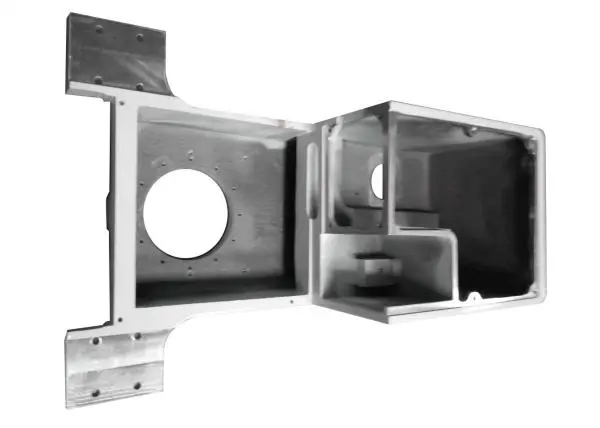
Understanding the Challenges of Traditional Aluminum Mold Making
Traditional models that are only used once, like disposable sand casting and ceramic shell systems, have big operating problems that affect both how they are bought and how well they work during production. These traditional methods have high unit costs because the molds need to be replaced all the time. This makes budgeting hard and lowers profits on large production runs.
Another major problem with throwaway mold devices is that the quality can vary. Even though sand casting can be used to make complicated shapes, the finished product often has surface flaws and measurement errors that need a lot of work afterward. Because sand molds are porous, gas can get trapped inside them and cause flaws. This is especially bad for high-precision uses in the aircraft and automobile industries, where part reliability is very important.
Managing thermal stress adds to the problems that come with standard mold methods. Repeated heating and cooling processes change the shape and weaken the structure, which speeds up the rate at which molds break. Sand molds have problems with moisture that can cause steam pockets to form during the pouring of metal. This can cause porosity flaws and casting rejects. When working with aluminum alloys that need specific cooling rates to reach the right mechanical qualities, these thermal problems become even worse.
The operational inefficiencies of standard methods include more than just the cost of materials. They also include the need for a lot of workers and limited output schedules. Preparing a sand mold takes a lot of time because of the pattern making, core assembly, and mold closing steps that are needed. It gets harder to standardize the process, which makes quality control more difficult, since each mold is a different variable in the production equation.
Impact on Supply Chain Management
When you depend on old mold methods, the supply chain is less resilient because lead times and quality can change at any time. When mold causes delays and rejections that mess up supply plans, it's hard for procurement managers to keep suppliers performing consistently. When these problems add up, they cause problems all over the production network. This lowers customer happiness and makes it harder to keep partnerships stable over the long term.
Core Principles Behind Reusable Mold Design for Aluminum Casting
To make models that work well and can be used again and again, you need to know a lot about the thermal physics, material science, and mechanical engineering principles that make aluminum casting work. The main idea behind this method is to choose materials that can survive being exposed to molten metal over and over again while still keeping their shape and surface integrity over a long period of time.
Choosing the right materials is the most important part of making a mold that will last. High-quality steel alloys, like H13 tool steel and similar types, are very good at withstanding thermal shock and staying hard at high temperatures. Specialized heat treatments are used on these materials to improve their microstructure and make regular grain patterns that stop thermal fatigue cracks. Graphite replacements have better thermal conductivity and natural lubricity qualities that make it easier to remove parts and extend the life of the mold.
Thermal management systems are important parts of design that control how fast things cool down and keep thermal stress levels low. Cooling lines built into the mold body are placed in a way that allows precise temperature control during the solidification phases. Rapid temperature differences can cause both the mold and the cast parts to warp or crack, but this controlled cooling method stops them. Conformal cooling lines that follow the shape of the part are used in more advanced designs to get rid of heat more efficiently.

Modular Construction Advantages
Modular mold building makes operations more flexible while lowering downtime and upkeep costs. Replaceable inserts let you make specific fixes or changes without replacing the whole mold. This increases the mold's total service life and lowers the amount of money that needs to be spent on it. Standardized mounting systems make it easy to switch between different part setups quickly. This is helpful in mixed-production settings where flexibility is key to staying ahead of the competition.
Reusable molds work because they are based on engineering principles that also apply to surface treatment technologies that make molds work better and last longer. Specialized coats make it easier for heat to move through metal while reducing its adhesion. These processes make barrier layers that stop liquid aluminum and mold materials from reacting chemically with each other. This lowers the rate of wear and keeps the quality of the surface finish over long production runs.
Step-by-Step Process to Make a Reusable Mold for Aluminum Casting
To make a high-performance aluminum casting mold that can be used again and again, you need to plan and carry out steps that are orderly and involve many engineering fields. To find the best mold setup and material specs, the process starts with a full design analysis that looks at the shape of the part, the number of units that need to be made, and the quality standards that need to be met.
Acquiring the materials is the first physical step in making a mold. To make sure they always work, high-grade steel blocks or graphite billets must meet strict standards for chemical makeup and mechanical properties. Quality certificates and paperwork showing how the material was made are important ways to make sure that the material is suitable for use at high temperatures. Proper material preparation, which may include processes that relieve stress, gets raw materials ready for the next steps in the cutting process.
Precision Machining and Fabrication
To make exact mold parts from raw materials, CNC machining uses advanced cutting tools made for working with hard materials. Usually, machining starts with rough material removal and ends with finish processes that make sure the final standards for size are met. It is especially useful to use EDM (Electrical Discharge Machining) techniques to make cooling channels and cavities with complicated forms that would be hard or impossible to make with other cutting methods.
After the material has been machined, it goes through heat treatment steps to make it better for casting. Controlled heating and cooling processes smooth out the microstructure while achieving goal hardness levels that balance resistance to wear with tolerance for thermal shock. The cutting stresses are relieved by tempering processes, but the material stays hard enough to last for a long time. Quality control through hardness testing and measuring makes sure that the product meets the design requirements.
As part of surface preparation, finish cutting is used to meet standards for surface roughness and geometric tolerances. Specialized grinding and sanding methods make hollow surfaces that are smooth, which makes it easy to remove parts and reduces surface flaws in cast parts. When requested, coating treatment adds extra defense against chemical attack and metal sticking to the surface.
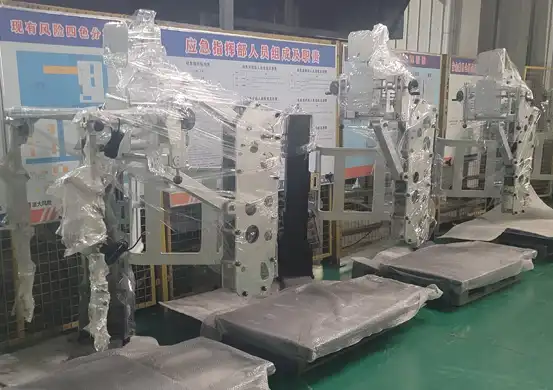
Mold Assembly and Testing
To make sure the mold closes and seals properly during aluminum casting, the parts must be carefully aligned and securely fastened together. Pilot holes and dowel pins make sure that parts are placed correctly, and bolted links provide enough binding power. Connections in a cooling system need to be properly sealed to keep water from leaking and keep heat transfer working well.
Initial testing validates mold performance through trial casting runs using production aluminum alloys. These trials verify proper filling characteristics, dimensional accuracy, and surface finish quality while identifying any adjustments needed to optimize performance. Keeping an eye on the temperature during test runs proves that the thermal management system works and helps find the best working settings.
Evaluating the Benefits and Applications of Reusable Aluminum Casting Molds
As production rates rise and quality standards get stricter, the cost savings of reused mold systems become more clear. When you look at the total costs of production, including material, labor, and quality-related costs, you can see that this mold saves you a lot of money per unit compared to other molds that you have to throw away.
For many uses, reusable molds provide better accuracy in dimensions, which cuts down on or eliminates the need for extra machining. Stable mold shape makes sure that part sizes are always within very small differences. This supports lean production ideas that cut down on waste and boost efficiency. This stability is especially helpful in automobile settings where exact assemblies and fits are important for the safety and performance of the vehicle.
Quality gains go beyond accurate measurements and include better surface finish and fewer defects. Permanent molds have a controlled temperature environment that helps solidify in a regular way, reducing the number of holes and other flaws in the solid. When the metallurgical structure gets better, the mechanical features get better, and the reliability of the part in service uses goes up.
Industry-Specific Applications
The biggest market for recyclable metal mold technology is in the automotive industry. Permanent mold methods make it possible to get accurate measurements and a smooth surface on engine parts like cylinder heads, intake pipes, and transmission cases. Aluminum is very light, and it can be made very precisely, which helps with efforts to make vehicles more fuel-efficient while still meeting performance standards.
For aerospace uses, quality and dependability standards must be very high, which fits well with the ability to reuse molds. Parts of aircraft structures, engine housings, and hydraulic systems need to have consistent mechanical qualities and be built without any flaws. Permanent molds can safely provide these things. Reusable systems meet strict standards for aircraft quality management because they can be tracked and process controlled.
Molds that are used more than once are used by companies that make industrial equipment to make pump housings, valve bodies, and machine parts that work in harsh conditions. When you mix the strength and resistance to corrosion of aluminum castings with exact manufacturing standards, you get parts that can last for a long time with little upkeep.
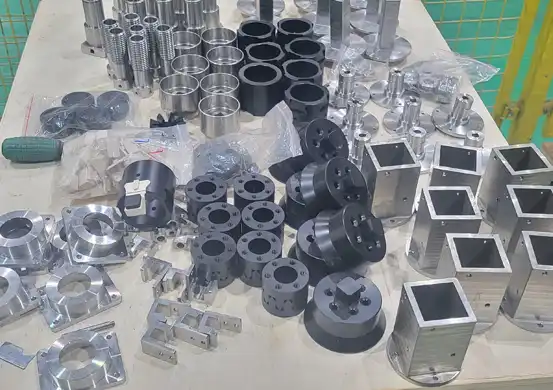
Best Practices and Tips for Procurement of Reusable Mold Aluminum Casting Services
To get good reuse mold aluminum casting services, you need to carefully look at the skills, quality systems, and technical knowledge of the suppliers. Manufacturers with experience in permanent mold creation and a track record of success in similar uses should be given more weight in the selection process. Modern CNC machining centers, heat treatment capabilities, and full quality control systems should be available at suppliers' sites so that precise mold building can happen.
Quality certification standards are things that can't be changed when evaluating a seller. ISO 9001 certification is a basic level of quality management system guarantee. Industry-specific certifications, like IATF 16949 for car uses, show higher levels of ability. Environmental and safety standards, such as ISO 14001 and ISO 45001, show that a company is making products in a way that is good for the environment and meets its environmental goals.
A technical capability review should look at the design engineering tools, material knowledge, and process optimization skills of the supplier. Suppliers who can create molds in-house can give useful feedback during the growth stages of a product, which could lower costs and make it easier to make. Having experience with different aluminum metals and casting methods makes sure that the right technology is chosen for each purpose.
Supplier Partnership Development
When you build a relationship over time, you both gain in ways that go beyond individual projects. When people work together, they can make improvements all the time, which cuts costs and raises quality and service performance. Shared investments in process changes and new technologies can give both parties a competitive edge and make the supply chain more resilient.
Protocols for communication should make it clear what is expected of project managers, expert support staff, and people who write good reports. Regular performance reviews and feedback meetings keep the goals of the buyer and the seller in line and help find ways to make things better. Documentation guidelines make sure that changes are properly managed and can be tracked throughout the duration of a product.
Intellectual property protection, capacity allocation, and technology sharing plans that support long-term business relationships should be talked about during contract talks. Flexible pricing systems that take into account promises to business and the depth of the partnership encourage both parties to put effort into building the relationship. Quality agreements should include performance measures, steps for correcting action, and goals for ongoing growth.
Conclusion
Reusable mold technology is a big step forward in the strategic use of aluminum casting. It offers real benefits in terms of cost, quality, and operating efficiency. The systematic method to mold creation, material choice, and production processes explained in this guide gives procurement workers the information they need to choose the right suppliers. By understanding these basic technical concepts, you can better judge the skills of potential suppliers and plan and carry out projects more efficiently. Making the switch from standard disposable molds to permanent systems costs money at first, but it pays off in the end with better quality, lower unit costs, and more production freedom that helps manufacturing businesses stay competitive.
Partner with Rongbao Enterprise for Advanced Aluminum Casting Solutions
Rongbao Enterprise delivers comprehensive aluminum casting solutions through our advanced permanent mold capabilities and 20 years of manufacturing expertise. Our ISO 9001, ISO 14001, and ISO 45001 certified facilities feature complete process coverage including high-pressure die casting, low-pressure die casting, and precision machining services that ensure consistent quality for demanding applications. With 70% of our production exported to European and American markets, we understand the stringent requirements of global OEM partnerships and provide reliable supply chain solutions for automotive, aerospace, and industrial equipment manufacturers.
Contact our engineering team at steve.zhou@263.net or zhouyi@rongbaocasting.com to discuss your specific aluminum casting requirements and discover how our proven mold design expertise can reduce your production costs while improving part quality.
FAQs
①What is the typical lifespan of a reusable aluminum casting mold?
Reusable mold lifespan varies significantly based on material selection, design quality, and operating conditions. High-grade steel molds typically produce 1,000 to 10,000 casting cycles under normal operating conditions, while graphite molds may achieve 500 to 2,000 cycles depending on part complexity and aluminum alloy chemistry. Proper maintenance including regular cleaning, inspection, and surface treatment can extend service life substantially beyond these baseline expectations.
②How does heat treatment improve the durability of a reusable mold?
Heat treatment optimizes mold material microstructure through controlled heating and cooling cycles that refine grain structure and eliminate residual stresses from machining operations. Hardening processes increase surface wear resistance while tempering operations balance hardness with toughness to prevent thermal shock cracking. The resulting material properties provide superior resistance to thermal fatigue and dimensional distortion that extends operational life significantly compared to untreated materials.
③Can reusable molds be used for different aluminum alloys in the same foundry?
Reusable molds can accommodate multiple aluminum alloy types with appropriate process adjustments and maintenance procedures. Different alloys may require modified pouring temperatures, cooling rates, or release agent applications to optimize casting quality. Some alloys with high silicon content may cause increased mold wear, requiring more frequent inspection and surface treatment. Proper cleaning between alloy changes prevents cross-contamination while maintaining casting quality standards.
References
- Campbell, John. "Complete Casting Handbook: Metal Casting Processes, Metallurgy, Techniques and Design." Butterworth-Heinemann, 2015.
- Beeley, Peter R. "Foundry Technology." Butterworth-Heinemann, 2001.
- Jorstad, John L. "Semi-Solid Metal Processing: The High-Integrity Die Casting Process." Die Casting Engineer, 2004.
- Shivkumar, S. "Permanent Mold Casting of Aluminum Alloys." Materials Science and Technology, 1991.
- Apelian, Diran. "Aluminum Cast Alloys: Enabling Tools for Improved Performance." North American Die Casting Association, 2009.
- Brown, J.R. "Foseco Non-Ferrous Foundryman's Handbook." Butterworth-Heinemann, 1999.

Learn about our latest products and discounts through SMS or email