- English
- French
- German
- Portuguese
- Spanish
- Russian
- Japanese
- Korean
- Arabic
- Greek
- German
- Turkish
- Italian
- Danish
- Romanian
- Indonesian
- Czech
- Afrikaans
- Swedish
- Polish
- Basque
- Catalan
- Esperanto
- Hindi
- Lao
- Albanian
- Amharic
- Armenian
- Azerbaijani
- Belarusian
- Bengali
- Bosnian
- Bulgarian
- Cebuano
- Chichewa
- Corsican
- Croatian
- Dutch
- Estonian
- Filipino
- Finnish
- Frisian
- Galician
- Georgian
- Gujarati
- Haitian
- Hausa
- Hawaiian
- Hebrew
- Hmong
- Hungarian
- Icelandic
- Igbo
- Javanese
- Kannada
- Kazakh
- Khmer
- Kurdish
- Kyrgyz
- Latin
- Latvian
- Lithuanian
- Luxembou..
- Macedonian
- Malagasy
- Malay
- Malayalam
- Maltese
- Maori
- Marathi
- Mongolian
- Burmese
- Nepali
- Norwegian
- Pashto
- Persian
- Punjabi
- Serbian
- Sesotho
- Sinhala
- Slovak
- Slovenian
- Somali
- Samoan
- Scots Gaelic
- Shona
- Sindhi
- Sundanese
- Swahili
- Tajik
- Tamil
- Telugu
- Thai
- Ukrainian
- Urdu
- Uzbek
- Vietnamese
- Welsh
- Xhosa
- Yiddish
- Yoruba
- Zulu
How to make a mold for aluminum casting?
To make exact, light parts, making a mold for aluminum casting requires careful thought about design, material choice, and production methods. Pouring molten aluminum into carefully made molds is what casting is used to make durable parts that are used in aircraft, automobile, and industrial settings. Usually, the mold-making process includes making a design, preparing the mold material, making a cavity, and putting the parts together. Each step is very important for making sure that the end cast parts are the right size and have a good surface.
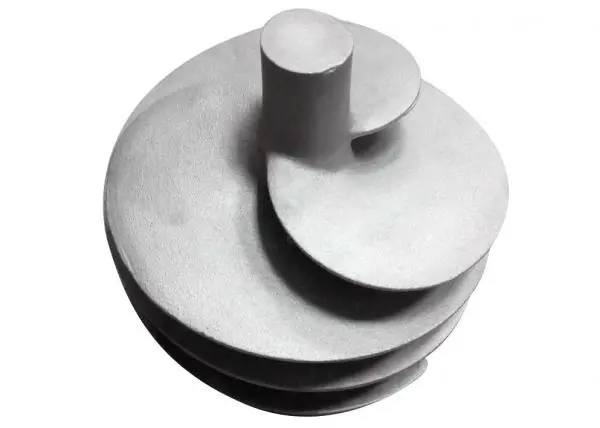
Understanding the Fundamentals of Aluminum Casting Molds
Aluminum casting is one of the most important ways that things are made. It takes liquid aluminum and turns it into exact, light parts that are needed in modern industry. Automotive companies use this method to make engine blocks and transmission cases, aerospace companies use it to make structure parts, and industrial equipment companies use it to make pumps, valves, and motor housings. Procurement managers and technical experts can make choices that balance cost-effectiveness with production quality when they understand the basics of mold making.
Types of Molds for Different Casting Methods
Choosing the right mold types has a direct effect on the results of output and the costs of running the business. Each method has its own benefits that are best for different industrial needs and production numbers.
To make hollow shapes, sand casting models use compacted sand mixed with binding agents. Because it is easy to create and doesn't cost much to make tools, this method is great for making big, complicated geometries and prototypes. Sand molds can handle a wide range of aluminum alloys with little investment in new tools and can fit complex internal features by placing the core in the right place.
Aluminum die-casting models use tools made of hardened steel that are made for high-pressure injection processes. Because they are so precisely machined, these molds have perfect dimensions and finishes, which makes them perfect for high-volume uses in aircraft and the car industry. The money spent on die casting tools at the beginning pays off when thousands of similar parts are made.
Permanent mold casting uses metal models that can be used more than once. These molds are usually made of cast iron or steel. This method is a compromise between the freedom of sand casting and the accuracy of die casting. It gives a better surface finish than sand casting while keeping tooling costs low for medium-volume production runs.
Mold Design Considerations for Industrial Applications
To create an aluminum casting mold that works well, you need to know how the shape of the parts affects how the material flows and how it cools. The right shape of the gate and hopper makes sure that the fluid fills evenly while reducing the turbulence that can cause problems. Ventilation systems keep gases from getting trapped, and the placing of cooling channels controls the rate of solidification to get the right mechanical qualities.
To avoid hot spots and shrinking problems, pay close attention to changes in wall thickness. Draft angles make it easier to remove parts while keeping the dimensions correct. Mold material choice and cutting requirements are affected by the surface finish requirements, especially for parts that don't need much post-processing.
Step-by-Step Process to Make a Mold for Aluminum Casting
The process of making aluminum casting molds is organized in a way that makes sure quality and accuracy across production runs. Each step builds on the ones that came before it, so it's important to pay close attention to the details and follow the set steps.
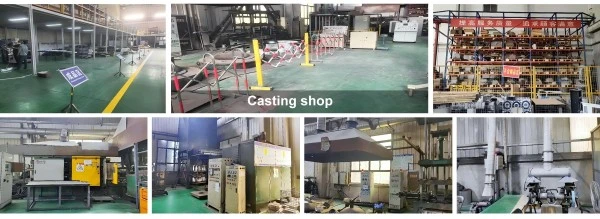
Design and Material Selection Phase
A thorough study of the design and the choice of the right materials are the building blocks of good mold making. Engineering teams work together to look at the needs for parts, the amount that needs to be made, and the quality standards that affect choices about mold design.
Computer-aided design software makes it possible to model precisely the shape and features of parts and molds. Before building the mold itself, simulation tools can predict how the metal will move, find possible flaw sites, and find the best ways to cool the mold. This digital approval cuts down on development time and the number of expensive design changes that need to be made.
The aluminum casting method, output rate, and quality standards all affect the choice of material. Different kinds of sand are mixed with clay, glue, or chemicals to make sand models. Green sand mixes are great for general uses because they can be used again and again and don't cost much. Precision parts can have better surface finish and accuracy in measurements when chemically linked sands are used.
Tool steels with certain hardness and heat conductivity qualities are needed for die casting models. Because it can handle temperature shock and be machined easily, H13 tool steel is still the standard for aluminum die casting. The right heat process keeps the dimensions stable over long production runs.
Pattern Creation and Preparation
The quality of the pattern has a direct effect on the accuracy and finish of the end part. For prototypes and small-scale production, traditional wooden models are cheaper, but they might not be stable enough in terms of size for precise uses. Modern models made from machined metal or plastic are more accurate and last longer for middle to high-volume production.
Modern methods of making things, like 3D printing, make it easy to make patterns quickly for shapes with many sides. Additive manufacturing lets you make complex internal features and combines many pattern parts into a single assembly. But if the surface finish isn't good enough, more cutting or cleaning may be needed.
Getting the pattern ready means using the right draft angles, adding machining adjustments, and including shrinking corrections. When aluminum solidifies, it shrinks by about 6 to 7 percent on average, so the pattern has to be enlarged to meet the end size requirements. Placement of the parting line changes the complexity of the design and the quality of the parts.

Mold Fabrication and Assembly
During the manufacturing phase, models are turned into molds that can make good castings. Correct methods guarantee accurate measurements, sufficient power, and smooth production processes.
Pattern placement in casting flasks is the first step in making a sand model. Molding sand compaction around designs makes outlines of cavities while keeping the structure's strength. Cope and pull alignment makes sure that the mold is registered correctly and stops casting flaws. Core arrangement makes hollow areas and internal details in cast parts.
To make a die mold, hardened steel blocks are carefully machined to make images of cavities. CNC machining centers can make parts with the very tight specs needed for high-pressure die casting. Surface finishing steps, like sanding or painting, make the surface of a component look the way you want it to.
During the assembly process, aluminum casting mold is lined up correctly and the seal is intact. Ventilation systems keep gases from getting trapped during metal filling. The speed and direction of metal flow are controlled by gate and track devices. Temperature control methods keep the right temperature levels so that the quality of the casting is always the same.
Common Challenges and Solutions in Mold-Making for Aluminum Casting
Mold-related flaws have a big effect on how well parts are made and how efficiently they are made, so finding and fixing them quickly is important for good manufacturing operations. When buying teams know about common problems, they can rate suppliers' skills and put in place good quality control measures.
Preventing Porosity and Gas-Related Defects
One of the most common flaws in aluminum casting is porosity, which happens when gas gets trapped during mold filling or solidification. If the releasing systems aren't good enough, gases can get stuck inside the casting and cause weak spots that lower the mechanical properties and surface quality.
For methods to work, cast design and metal handling must be improved. When vents are placed correctly, gases that are trapped can escape during filling without causing metal to leak. Before dumping, degassing processes take away the hydrogen that has dissolved in the molten aluminum. Controlled filling speeds lower the chance of gas trapping and reduce noise.
The amount of wetness in the mold has a big effect on how much gas is produced during casting. Too much water causes steam that gets stuck in metal as it cools. The right way to prepare the sand, dry it, and store it will keep the wetness levels at the right level. Investing in tools to measure wetness makes sure that mold quality stays the same.

Addressing Dimensional Accuracy Issues
Differences in dimensions can be caused by a number of things, such as pattern wear, mold distortion, and poor process controls. The processes of thermal expansion and contraction put stress on mold materials and can damage them permanently over long production runs.
Regular pattern checking and measurement checking are examples of quality control methods. Coordinate measuring tools give accurate readings that show wear patterns before they lower the quality of the casting. Schedules for pattern upkeep and change stop quality from slowly getting worse over time.
Changes to the mold shape can be made to fit known warping patterns. Placing reinforcements in a smart way keeps the structure's shape even when it's under mechanical and heat stress. Advanced modeling software can predict warping patterns and make design changes that stop them from happening.
Systems that control temperatures keep temperatures stable so that changes in dimensions are kept to a minimum. Mold temperatures are tracked by automated tracking systems that warn workers of changes that could affect the quality of the casting. Regular preheating and cooling processes lower temperature shock and make mold last longer.
Conclusion
To make aluminum casting models that work well, you have to find a balance between technical needs, production costs, and quality goals. You can do this by making smart decisions and working together with suppliers. Choosing the right casting methods and model types has a big impact on the success of production, so buying managers and technical teams need to do a lot of research.
Modern manufacturing technologies keep adding new features and shortening the time it takes to make them. This lets engineers make more complex parts and makes production more efficient. To be successful, you need to know what these skills are and choose partners who can show professional excellence, quality commitment, and joint problem-solving methods that support long-term business goals.
Partner with Rongbao Enterprise for Superior Aluminum Casting Solutions
Rongbao Enterprise has been a great manufacturer for 20 years and can do a wide range of services, including precision cutting, high-pressure die casting, and low-pressure casting. Because we have ISO 9001, ISO 14001, and ISO 45001 certifications, we can serve users around the world in the automobile, aircraft, and industrial sectors with consistent quality management.
Our integrated manufacturing method includes services for making molds, castings, and finishing the outside of the parts. This gives you full solutions that make it easier to work with suppliers and make the supply chain run more smoothly. We know how to meet foreign quality standards and delivery needs because 70% of our production goes to markets in Europe, the United States, and Japan.
Get in touch with our technical team at steve.zhou@263.net or zhouyi@rongbaocasting.com to talk about your aluminum casting needs and find out how our production know-how can improve the quality of your parts while lowering the total cost of ownership.
FAQ
①What type of mold is best for high-volume automotive parts?
Die casting models are best for making a lot of car parts because they are accurate, last a long time, and make production go quickly. The building is made of hardened steel, which can handle high-pressure drilling processes and keep its shape over thousands of production cycles. Better per-unit costs and few secondary processes make the initial investment in tools cost-effective.
②How can I minimize casting defects in aluminum molds?
To avoid flaws, you need to pay attention to mold design, material quality, and process limits. Proper opening systems keep gases from getting trapped, and controlled metal flow lowers turbulence and oxide formation. Consistent casting quality is maintained by keeping the model clean, controlling wetness, and keeping an eye on the temperature. Working with experienced sellers who know about these things greatly lowers the chance of defects.
③What factors most influence aluminum casting mold costs?
Costs are mainly affected by how complicated the mold is, how much is being made, and how precise it needs to be. Precision die casting equipment is much more expensive than simple sand molds, but they may need to be replaced during production runs. Part shape, surface finish needs, and dimensional limits all affect how hard it is to machine and what materials can be used, which in turn affects the total cost of the tools.
References
- Campbell, J. As of 2015, Butterworth-Heinemann published "Complete Casting Handbook: Metal Casting Processes, Techniques, and Design."
- City, J., Bonatto, B., Botter, M., and Bonollo, F. La Metallurgia Italiana published a paper in 2018 called "Gravity and Low Pressure Die Casting of Aluminum Alloys: A Technical and Economical Benchmark."
- ASM Worldwide. From 2017 to 2018, ASM International Materials Park published "Casting: ASM Handbook Volume 15."
- The writer J.G. and Rooy, E.L. Article from 2014 by ASM International called "Aluminum Alloy Castings: Properties, Processes, and Applications."
- Brown, J.R. The 2019 Butterworth-Heinemann book is called "Foseco Non-Ferrous Foundryman's Handbook."
- Association for Aluminum. As of 2020, the Aluminum Association published the "Aluminum Design Manual: Specifications and Guidelines for Aluminum Structures."

Learn about our latest products and discounts through SMS or email