- English
- French
- German
- Portuguese
- Spanish
- Russian
- Japanese
- Korean
- Arabic
- Greek
- German
- Turkish
- Italian
- Danish
- Romanian
- Indonesian
- Czech
- Afrikaans
- Swedish
- Polish
- Basque
- Catalan
- Esperanto
- Hindi
- Lao
- Albanian
- Amharic
- Armenian
- Azerbaijani
- Belarusian
- Bengali
- Bosnian
- Bulgarian
- Cebuano
- Chichewa
- Corsican
- Croatian
- Dutch
- Estonian
- Filipino
- Finnish
- Frisian
- Galician
- Georgian
- Gujarati
- Haitian
- Hausa
- Hawaiian
- Hebrew
- Hmong
- Hungarian
- Icelandic
- Igbo
- Javanese
- Kannada
- Kazakh
- Khmer
- Kurdish
- Kyrgyz
- Latin
- Latvian
- Lithuanian
- Luxembou..
- Macedonian
- Malagasy
- Malay
- Malayalam
- Maltese
- Maori
- Marathi
- Mongolian
- Burmese
- Nepali
- Norwegian
- Pashto
- Persian
- Punjabi
- Serbian
- Sesotho
- Sinhala
- Slovak
- Slovenian
- Somali
- Samoan
- Scots Gaelic
- Shona
- Sindhi
- Sundanese
- Swahili
- Tajik
- Tamil
- Telugu
- Thai
- Ukrainian
- Urdu
- Uzbek
- Vietnamese
- Welsh
- Xhosa
- Yiddish
- Yoruba
- Zulu
How to Integrate Alarm Control Boxes for Seamless Building Security Management?
Modern building security depends on the coordination of several digital and physical layers. Facility managers typically have a hard time managing systems that don't work well together. The incorporation of a customized six-way alarm control box becomes the primary nervous system of any security design to fill this gap. This procedure makes sure that sensors, cameras, and notification systems all work together as one. When you simplify these parts, you cut down on response times during important events by a lot. To manage things well, you need to know a lot about how gear works together and how signals are processed. Rongbao Enterprise is the best in this field since it makes high-quality alarm device parts that make complicated installations easier. By putting an emphasis on accuracy and dependability, we help you turn a regular building into a smart, highly responsive space.

The Evolution of Centralized Security Architectures
Building security has shifted from simple mechanical locks to sophisticated electronic ecosystems. In the past, standalone systems operated in silos, which created blind spots for security personnel. Today, the demand for unified platforms has led to the development of the six-way alarm control box. This device serves as the primary hub for data aggregation from various points of interest. It allows for the simultaneous monitoring of multiple zones without compromising signal integrity. As buildings grow in complexity, the need for centralized management becomes more than a convenience; it is a necessity for risk mitigation. High-density residential complexes and commercial centers rely on these boxes to handle vast amounts of telemetry data daily.
Understanding Multi-Zone Input Management
A smart security plan splits a facility into different areas to find possible breaches. The six-way alarm control box makes this easier by putting together inputs from door contacts, motion detectors, and glass-break sensors. Each channel works on its own, yet it sends information back to a main interface. This topology makes sure that if one part of the network fails, the whole thing doesn't stop working. Managers can set aside certain areas for maintenance while keeping the rest of the building safe. This modular safety system is adaptable and may be changed to fit new building plans. It also makes it easier to fix problems when a certain sensor sets off a false warning.
Enhancing Real-Time Response Capabilities
It's not just about connecting hardware; integration is also about speeding up the flow of information. Every second counts when an alarm goes off for the safety of the people inside. A six-way alarm control box that works well turns raw signals into notifications right away. You can send these notifications to mobile devices, central monitoring stations, or security desks on site. You make sure that emergency responders get accurate information right away by taking out manual steps in the notification chain. Automation is a big part of this since the control box can start other activities, such locking electronic doors or turning on strobe lights. This proactive approach sets the new benchmark for safety and efficiency in buildings.

Optimizing System Reliability Through Industrial-Grade Components
The long-term success of a safety program depends on how long security hardware lasts. Cheap parts often break when they get too hot or when there is electrical interference, which costs a lot of money. Professionals like the six-way alarm control box because it is well-made and can run all the time without breaking. Shielded enclosures and high-quality circuit boards are very important in a time when electronic interference is ubiquitous. These devices need to be able to handle changing power levels and keep the signal clear over extended cable distances. Choosing industrial-grade parts makes sure that the security system works even when the weather is bad. When the building management team is reliable, the people who live there trust them.
Strategic Placement and Installation Efficiency
The position of the six-way alarm control box affects how long it takes for the system to respond and how easy it is to maintain. Engineers usually put these hubs in telecommunications rooms that are safe and have controlled temperatures. This keeps dust, moisture, and illegal tampering from getting to the sensitive parts inside. Good cable management at the installation site stops signal cross-talk and makes upgrades easier in the future. When the integration team uses standard wiring methods, they lower the chance of making mistakes during installation. During regular inspections, quick diagnostics are possible thanks to clear labeling and orderly housing. This level of professional organization is a sign of high-quality security management.
Scalability in Modern Facility Management
As businesses grow, their physical footprint often expands, requiring more sensors and monitoring points. A six-way alarm control box offers a scalable foundation that accommodates growth without requiring a total system overhaul. You can daisy-chain multiple units or integrate them into a larger master controller to manage hundreds of points. This future-proofs your investment and ensures that security does not become a bottleneck for business expansion. Modern facility managers prioritize systems that offer this type of elasticity. By planning for growth at the initial design phase, you save significant resources on labor and hardware in the long run. Rongbao Enterprise understands these demands and provides parts that support long-term scalability.
Integrating Software Interfaces with Physical Alarm Hardware
The hardware is only half of the equation; software integration provides the user interface necessary for effective management. Connecting a six-way alarm control box to a centralized management software (CMS) allows for remote monitoring. This digital bridge enables managers to view system status from anywhere in the world. Software updates can often fix bugs or add features without needing physical access to the control box. Furthermore, data logging becomes automated, providing a clear audit trail for compliance and insurance purposes. Understanding the interaction between firmware and the user interface is critical for maximizing the utility of your alarm hardware. It allows for custom alert parameters tailored to the specific needs of the facility.
Data Analytics and Predictive Maintenance
Modern alarm systems do more than react to crises; they provide data that helps prevent them. By analyzing the frequency of triggers in specific zones, managers can identify patterns that suggest mechanical failure or security vulnerabilities. The six-way alarm control box provides the raw data necessary for these analytical tools. Predictive maintenance identifies components that are nearing the end of their lifecycle before they actually fail. This shift from reactive to proactive management reduces the likelihood of system outages. Data-driven insights also help in optimizing patrol routes for security guards. By leveraging the information stored in the control hub, you make smarter decisions regarding resource allocation.
User Training and Operational Protocols
No system is effective without a well-trained team to operate it. Integrating a six-way alarm control box requires updating the standard operating procedures for the security staff. They must understand how to interpret the signals from different zones and how to reset the system after a verified event. Training should focus on the specific features of the integrated platform to avoid human error during high-stress situations. Clear documentation and accessible user manuals are essential for maintaining operational readiness. When the staff feels confident using the technology, the overall security posture of the building improves. Education remains a core pillar of a successful security integration strategy.
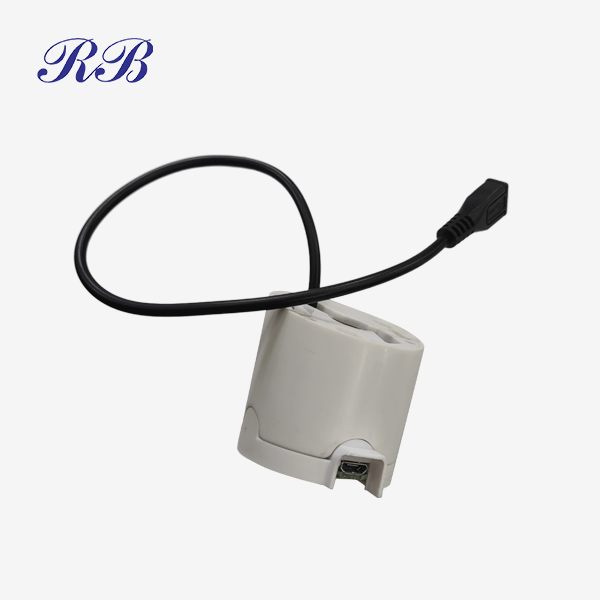
Six-Way Alarm Control Box Supplier: Rongbao Enterprise
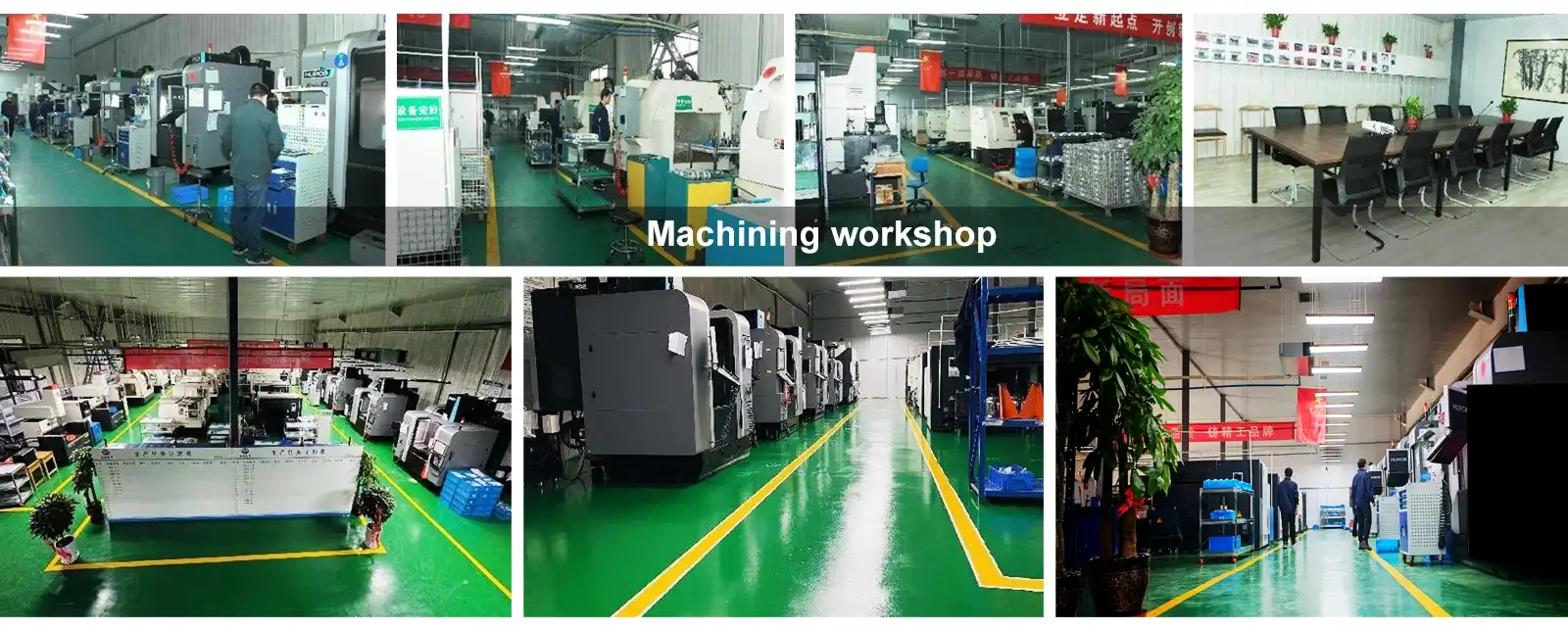
Rongbao Enterprise is a premier manufacturer specializing in high-performance six-way alarm control box solutions and comprehensive alarm device parts. We pride ourselves on our rigorous quality standards, holding certifications such as ISO9001:2015, ISO14001, and ISO45001. Our facility in Xi'an, China, maintains a robust production capacity of 50,000 pieces, ensuring we meet large-scale global demands without delay. We offer full OEM/ODM services to provide customized specifications that fit your unique architectural requirements. Whether you need specialized carton wooden box packaging for safe international transit or specific technical adjustments, our team is ready to assist. We invite you to enhance your building security by contacting us today. For inquiries and detailed quotations, please reach out to us at steve.zhou@263.net or zhouyi@rongbaocasting.com. Let us help you build a safer future with precision-engineered security components.
FAQs
Q1: How does a six-way alarm control box handle different types of sensors simultaneously?
A: The device utilizes independent circuitry for each of its six channels, allowing it to process varying electrical signals—such as normally open or normally closed contacts—without interference between zones.
Q2: Can I integrate this control box with existing legacy CCTV systems?
A: Yes, most modern control boxes feature relay outputs that can trigger DVR recording or camera PTZ presets when a specific zone is breached, creating a unified response.
Q3: What happens to the security management if the main power source fails?
A: Professional-grade alarm control boxes are designed to interface with backup battery systems, ensuring the building remains protected during power outages for an extended period.
Q4: Is it possible to customize the notification settings for specific zones?
A: Absolutely. Through the integrated software, managers can set different priority levels, such as silent alerts for certain areas and audible sirens for high-security zones.
References
1. International Association of Professional Security Consultants (IAPSC) - Guidelines on Integrated Security Systems.
2. National Institute of Standards and Technology (NIST) - Security Control Hub Specifications and Signal Integrity Research.
3. Journal of Facility Management - The Impact of Centralized Alarm Systems on Emergency Response Times.
4. ISO/TC 223 - Societal Security and the Standardization of Emergency Management Systems.
5. Security Industry Association (SIA) - Best Practices for Multi-Zone Alarm Control Hardware Installation.



Learn about our latest products and discounts through SMS or email