- English
- French
- German
- Portuguese
- Spanish
- Russian
- Japanese
- Korean
- Arabic
- Greek
- German
- Turkish
- Italian
- Danish
- Romanian
- Indonesian
- Czech
- Afrikaans
- Swedish
- Polish
- Basque
- Catalan
- Esperanto
- Hindi
- Lao
- Albanian
- Amharic
- Armenian
- Azerbaijani
- Belarusian
- Bengali
- Bosnian
- Bulgarian
- Cebuano
- Chichewa
- Corsican
- Croatian
- Dutch
- Estonian
- Filipino
- Finnish
- Frisian
- Galician
- Georgian
- Gujarati
- Haitian
- Hausa
- Hawaiian
- Hebrew
- Hmong
- Hungarian
- Icelandic
- Igbo
- Javanese
- Kannada
- Kazakh
- Khmer
- Kurdish
- Kyrgyz
- Latin
- Latvian
- Lithuanian
- Luxembou..
- Macedonian
- Malagasy
- Malay
- Malayalam
- Maltese
- Maori
- Marathi
- Mongolian
- Burmese
- Nepali
- Norwegian
- Pashto
- Persian
- Punjabi
- Serbian
- Sesotho
- Sinhala
- Slovak
- Slovenian
- Somali
- Samoan
- Scots Gaelic
- Shona
- Sindhi
- Sundanese
- Swahili
- Tajik
- Tamil
- Telugu
- Thai
- Ukrainian
- Urdu
- Uzbek
- Vietnamese
- Welsh
- Xhosa
- Yiddish
- Yoruba
- Zulu
Why Is a Protective Cover Important for Sensors in Mining Machinery?
Sensor covers are protective because mining equipment sensors are exposed to dust, mud, water, oil, impact, and constant vibration. If one sensor is damaged, the machine can stop or give false readings. The cover protects the sensing element and its wiring and provides a clear detection path. This keeps the signal correct between service visits. A good fitting sensor cover also minimizes the number of emergency calls for replacements and problem assistance on loaders, excavators, and haul trucks. Today, I will talk about what buyers should pay attention to before ordering a mining vehicle cover cast at Rongbao Enterprise.
Introduction: The Role of Sensor Covers in Mining Equipment Protection
Covers, Guards, and Sealed Housings: What Is the Difference?
A cover is a shell that fits over the body of a sensor or its wiring to keep out noise and dirt. A guard is a solid frame that is placed next to the sensor to protect it from being hit by rocks and tools. The face of the sensor is open. The device has a sealed housing with gaskets and cable entries to prevent ingress of dust and water. These roles are mixed in many designs. If you require a snug fit, you can use a gasket on a cast aluminum sensor cover to keep the air out and protect the body from impact. The same words are used by the people buying things and the people working on them, and this leads to drawings that don't show what's really needed.
Where Sensors Sit on Mining Machines
Heavy equipment like haul trucks, excavators, drilling rigs, crushers, conveyors, loaders, and underground vehicles all use sensors. They keep an eye on the freight, brake pressure, and engine temperature of a haul truck. They check the speed and alignment of a conveyor belt. They keep an eye on the position and hydraulic pressure of a drilling rig. Two sensors next to each other are exposed to different things. One is under a truck body and gets hit by mud and rocks, while the other is next to a crusher and gets hit by dust and heavy vibrations. I don't use the same protection design on every machine because these devices feed monitoring, automation, safety interlocks, and predictive maintenance. Instead, I check protection location by location.
Why Sensor Failures Stop Machines
The machine that a sensor works with costs a lot, but if it breaks, it can park a whole truck. A safety interlock could stop the engine from starting, an alarm could go off for no reason, or an automatic function could stop working. Then, crews spend hours trying to figure out what went wrong, and it's often as simple as dust in a connector or a cracked bracket that's to blame. These simple problems can be fixed with a sensor cover. It keeps dirt and dust away from the connector, spreads the impact load across a stronger part, and keeps the unit steady. The part that needs to be specified is small, but it keeps the data safe that operators and control systems use every shift.
What Risks Can Damage Sensors on Mining Machinery?
Sensors don't usually have to deal with just one danger at a time. I've put the risks into three groups.
Dust and Abrasive Particles
Small particles of dust get into holes, connectors, and moving parts, and rough grains damage sensing faces and wear seals. Then the readings start to drift or stop. The first number from 0 to 6 in the IP Code in IEC 60529 tells you how well solid-particle protection works. A 6 means that the product is dust-tight. The assembly moves toward that level with the help of a sensor cover that fills in gaps and shields cable entry points. However, the gasket and cable gland are just as important as the shell. There is always dust in dry pits and crushing areas, so I see sealing details as essential, not optional.
Water, Mud, Oil, and Chemicals
Seals, wire insulation, and electronic components can all be damaged by cleaning chemicals, hydraulic oil, slurry, water spray and fuel. It starts at fasteners and connector pins exposed to corrosion and works its way up. When you pressure wash, you are adding force that can get water past a weak seal. Covering material should not allow water to permeate through it. Covering material should be made of materials that do not allow water to permeate through it. The cover should allow water to drain away through drainage channels. The cover should keep away from the area where slurry gets accumulated. Aluminum alloy develops a thin oxide layer that slows corrosion in many circumstances. A polished surface is easy to clean as well. The chemicals on site still have an influence on the material choice, so I would recommend giving the supplier information about the fluid early on.
Impact, Vibration, and Temperature Swings
Falling objects, rocks and tools hit parts that are out in the open directly. The constant vibration will work the fasteners loose, change the calibration, and crack weak brackets. Heat from the engine and cold nights cause thermal cycling and stress seals and mounts. A good sensor cover will resist being hit; it should stay where it is mounted, and it should not allow heat to build up around the sensor. Buyers can check a sample in vibration using standard test methods such as IEC 60068-2-6 prior to a large order. The vibration on a loader is not the same as the vibration on a conveyor frame so I think you should test the samples on the actual machine or a test rig.
How Does a Protective Sensor Cover Improve Mining Equipment Performance?
Steadier Signals for Monitoring and Safety
You can use sensor signals to help you measure payload, determine positions, track speeds, regulate pressure and temperature, establish alarms and make sure safety locks function. The control system can utilize the signal, even if it has been damaged by dust or impact. A protective cover prevents dirt and physical damage from getting into the part, which slows its failure. A steady signal also assists with predictive maintenance, as trend data is still helpful when fouling does not throw the sensor off course. People who buy mining equipment are not usually asking if a sensor will work the first day. They want to know if it still reads right after months of being shaken and washed, and the cover is a huge part of that.
Lower Downtime and Maintenance Cost
Protection cuts down on the time it takes to clean, call for help, and replace things in an emergency. Every stop that isn't made saves time and keeps the machine on schedule. In this case, total cost of ownership is more important than unit price, since a cheap part that breaks twice a year costs more than a stronger part that lasts through several service cycles. A strong sensor cover also predicts the need for spare parts, which helps planners keep the right amount on hand. It also helps with weight. Since it's only about 2.7 g/cm³ dense, about a third as dense as steel (7.85 g/cm³), a cast aluminum cover doesn't add much weight to a bracket.
What a Cover Must Not Do
A cover can't get in the way of detection, mess up signals, keep heat in, or make it hard to get to services. Radio waves can't go through metal, so sensors that use radio waves, radar, or RFID need a hole or a window that isn't made of metal in the path. Inductive proximity sensors also read differently when they are close to metal, which changes the area they can sense. Most polymers and aluminum don't conduct heat as well as aluminum does, which helps a sensor lose heat. However, a closed shell that doesn't let air flow can still get warm. Because of this, I test the cover as part of the whole sensor assembly and make sure it works well in real-life maintenance and operation situations.
How to Choose the Right Protective Sensor Cover for Mining Machinery
Main Types of Sensor Covers for Mining Machinery
Steel or stainless steel metal guards can handle heavy impacts and falling objects, as long as they have the right weight, clearance, and corrosion protection for the machine. With polymer and composite covers, you can cut down on weight, vibration transfer, and corrosion while still having a lot of design options. Where dust and water are most likely to get in, sealed housings are best. However, the gaskets and cable entries must meet the protection level. When you need to fit a sensor into a tight space or one with an odd shape, custom-fit covers can help. Cast aluminum is in the middle of these groups. It is lighter than steel, stays in shape well, and can be machined with a CNC to make mounting faces and seal grooves.
Selection Criteria for Buyers
Describe what the sensor does, where it is situated, and the things that affect it, such as dust, water, mud, oil, chemicals, impact, vibration, and temperature. Identify the primary protection requirement and confirm any IEC 60529 ingress-protection target. “Make sure we don’t compromise the signal strength, detection range, field of view, heat removal capability, or access for technicians. Review material, mounting safety, corrosion resistance, chemical compatibility, spare parts availability and fleet consistency. Test samples in real life situations and get feedback from operators, engineers, maintenance teams and people who buy stuff before a large scale rollout. This sequence of steps ensures that each and every decision regarding a sensor cover is based on facts, not habits.
Common Mistakes When Selecting a Sensor Cover
When you choose a sensor cover based on price alone, things often don't last long, don't fit right, or need to be replaced often. If there is a guard in the way of the sensors, it can mess up the signals, limit their range, or give false readings. Some standard covers might not work with special equipment or in places that aren't very big. Designs that need a lot of disassembly or special tools make every service visit take longer. Another mistake is only protecting the part that senses. Buyers should look at the body, cable, connector, bracket, seals, and nearby structures all at the same time. This is because a problem with any of these parts will stop the signal just as surely as a broken sensor.
How Sensor Cover Design Supports OEMs, Distributors, and Mining Operators
What OEMs, Distributors, and Operators Need
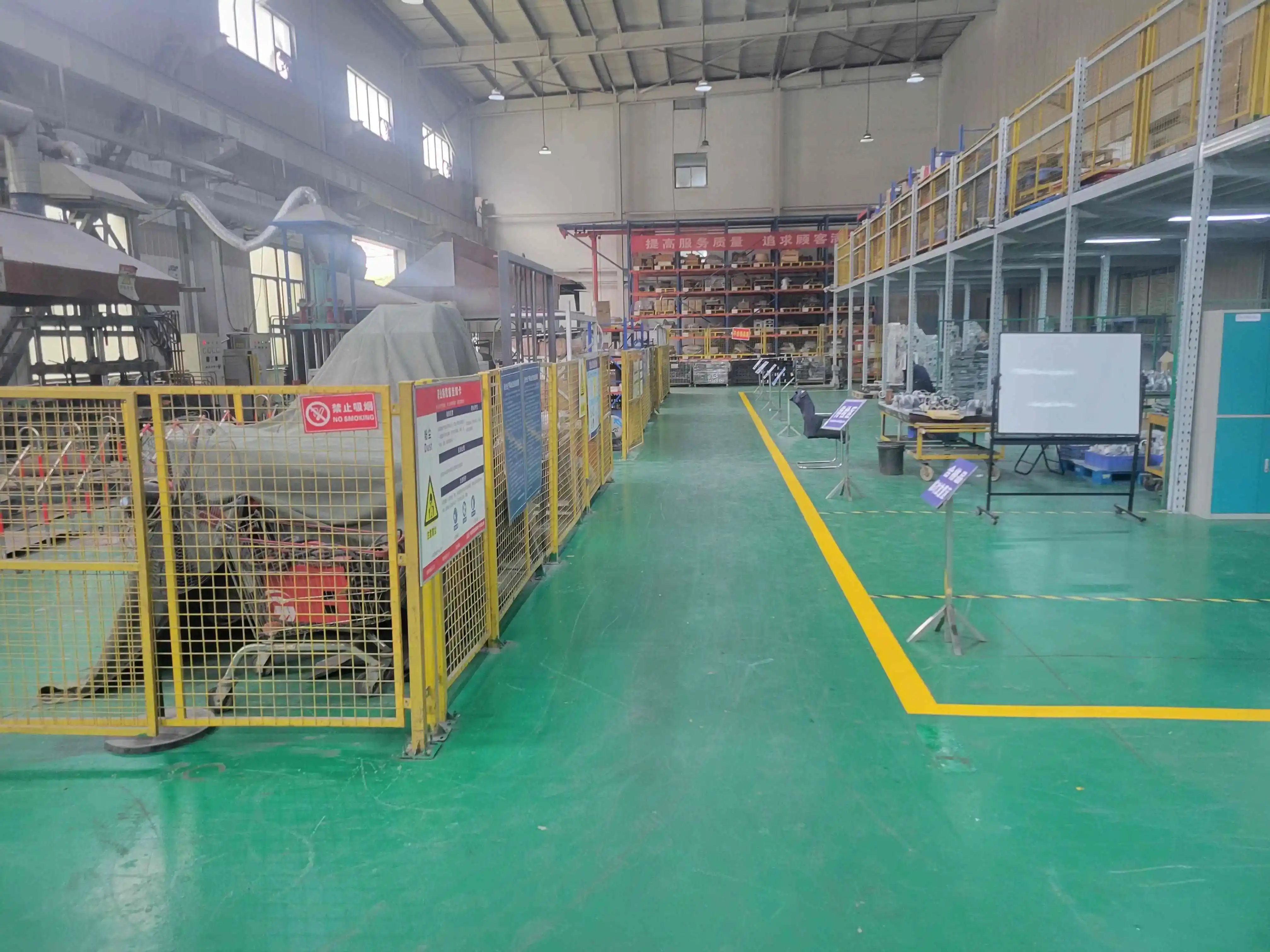
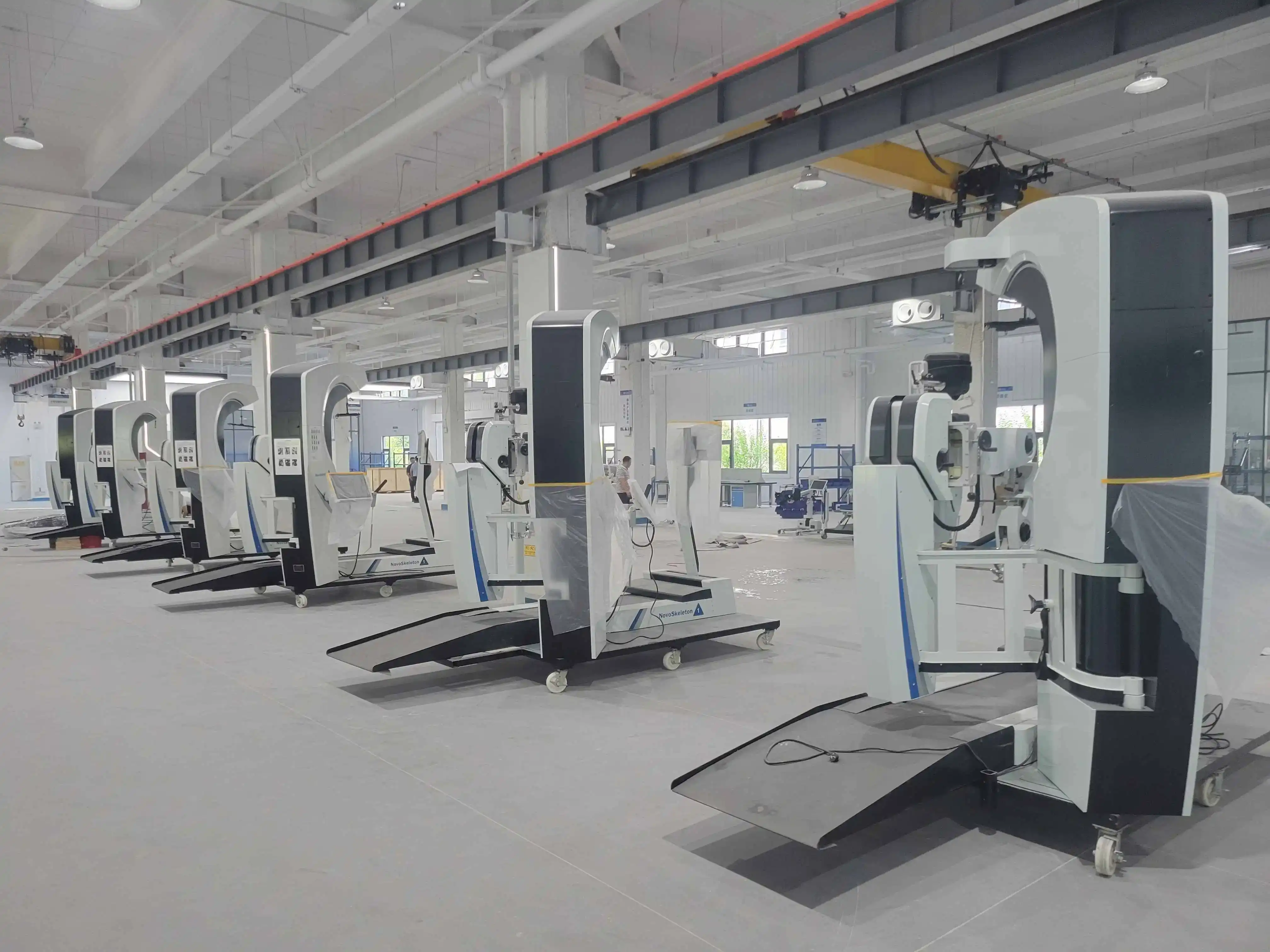
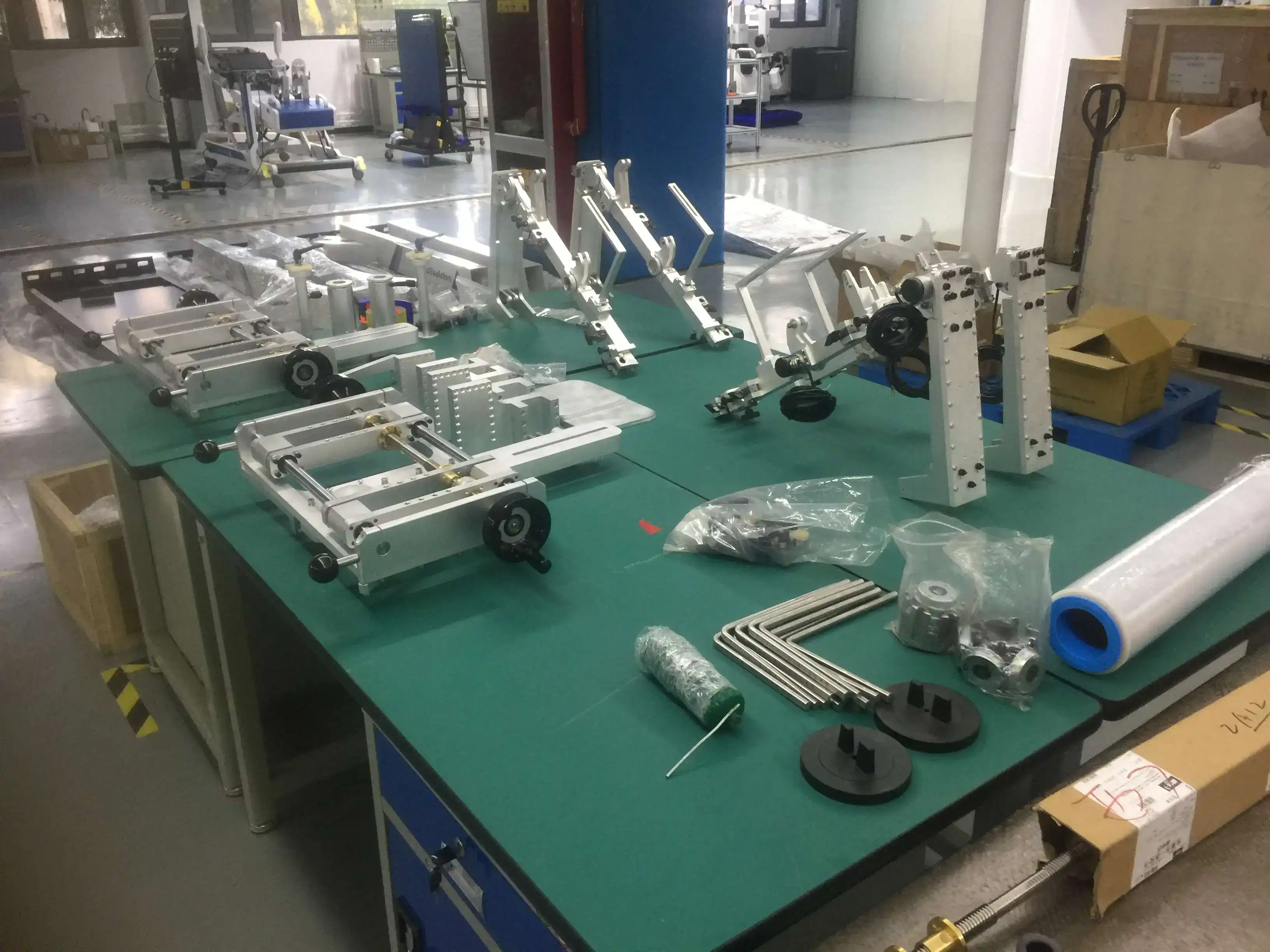
To reduce the risk of having to redesign something, OEMs need accurate drawings, consistent production quality, repeatable mounting interfaces and prototype validation. Availability, interchangeability, documentation, and lead times topped the lists for the purchasing and maintenance teams. Distributors and integrators must know which cover is suitable for each machine, sensor and environment. An engineering-enabled supplier can help you with material selection, design review, prototyping, inspection and production ramp-up. Rongbao Enterprise is engaged in precision machining, mold development, high pressure, low pressure and gravity casting and surface treatment. This means that a sensor cover project can go from design to finished part with one supplier.
Rongbao Enterprise Oil Tank Cover as a Cast Aluminum Example
This is how we make parts of protective castings for mining equipment, our oil tank cover. It is made of ADC12 aluminum alloy. ADC12 is a common grade of die casting and is easy to work with. It weighs 0.28 kilograms. We cast it, and then we finish it off and polish it up with CNC machines.” OEM/ODM terms can be made in custom sizes. The maximum number of pieces that can be made is 50,000. When we ship, we use wooden boxes to protect the surfaces that have been machined. We are ISO 9001:2015, ISO 14001 and ISO 45001 certified and run our business from Xi’an, China. If the customer wants a sensor cover or housing made to a drawing, the same casting and machining processes are utilized.
A Practical Evaluation Checklist
Keep requests short and simple. First, you need to know what kind of machine it is, where it is mounted, how mobile it is, and what dust, water, oil, chemicals, impact, vibration, and temperature it is exposed to. Also think about the sensor size, mounting points, field of view, cable access, connector protection, and heat dissipation. Then consider the strength of the material, resistance to wear and corrosion, safety of fasteners and how well it cleans. Last but not least, check the lead times, tech drawings, samples, production capacity, and inspection standards. Rongbao Enterprise, operating for 20 years, exports about 70% of its goods to Europe, the United States and Japan, and checks parts from the moment they arrive from raw materials. These steps provide any sensor cover supplier with the info needed to give an accurate quote.
Conclusion
A cover keeps mining sensors working by keeping out dust, water, oil, impact, vibration, and temperature stress. The cover still leaves the detection path open. Less downtime and lower maintenance costs come from fewer sensor faults. This means that monitoring and safety functions work better all the time. Covers come in different types, such as metal guards, polymer or composite shells, sealed housings, and custom-fit designs. The best cover for a sensor depends on its function, the layout of the machine, its exposure, the material, the seal, and how easy it is to service. The best results happen when buyers test samples, don't just choose based on price, and think of the sensor, cable, connector, and bracket as a single unit. Cast aluminum, like ADC12, is light, has precise shapes, and mounting faces that can be machined. Clear drawings also make it easy for a supplier to find the right sensor cover for the job.
FAQ
Does every mining sensor need a protective cover?
No. What you need depends on where you're mounting the sensor, how exposed it is, how vulnerable it is to mechanical damage, and how important the sensor is to production or safety. It's more important to protect a sensor under the truck body than one inside a sealed cab.
How do I choose between a standard and a custom sensor cover?
As long as the shape of the sensor, the mounting points, and the exposure all match an existing design, you can use a standard part. For tight spaces, odd shapes, or OEM integration, choose a custom design. Let the supplier see the drawings to make sure they fit and there are no gaps.
How can I verify a supplier?
Ask for proof, technical drawings, samples, records of inspections, and lead times. Then, put the sample through real vibration and dust tests. When you look at protection claims, check them against IEC 60529. Also, make sure that the cover doesn't affect the accuracy of the signal, the distance of the detection, or the way heat is distributed.
Request a Sensor Cover Recommendation for Your Mining Application
Rongbao Enterprise is a company that makes sensor covers. They have been casting for 20 years, are certified by ISO 9001, ISO 14001, and ISO 45001, and can make custom ones for OEM/ODM customers. Send steve.zhou@263.net or zhouyi@rongbaocasting.com the type of machine you have, the size of the sensor, where you want to mount it, and how many you need. Our engineers will then suggest a standard or custom sensor cover. For more information, go to rongbaocasting.com.
References
1. International Electrotechnical Commission, IEC 60529: Degrees of Protection Provided by Enclosures (IP Code), 2013
2. International Electrotechnical Commission, IEC 60068-2-6: Environmental Testing, Part 2-6: Tests, Test Fc: Vibration (Sinusoidal), 2007
3. ASM International, ASM Handbook, Volume 15: Casting, 2008
4. International Organization for Standardization, ISO 9001: Quality Management Systems, Requirements, 2015
5. International Organization for Standardization, ISO 14001: Environmental Management Systems, Requirements with Guidance for Use, 2015
6. International Organization for Standardization, ISO 45001: Occupational Health and Safety Management Systems, Requirements with Guidance for Use, 2018
Learn about our latest products and discounts through SMS or email