- English
- French
- German
- Portuguese
- Spanish
- Russian
- Japanese
- Korean
- Arabic
- Greek
- German
- Turkish
- Italian
- Danish
- Romanian
- Indonesian
- Czech
- Afrikaans
- Swedish
- Polish
- Basque
- Catalan
- Esperanto
- Hindi
- Lao
- Albanian
- Amharic
- Armenian
- Azerbaijani
- Belarusian
- Bengali
- Bosnian
- Bulgarian
- Cebuano
- Chichewa
- Corsican
- Croatian
- Dutch
- Estonian
- Filipino
- Finnish
- Frisian
- Galician
- Georgian
- Gujarati
- Haitian
- Hausa
- Hawaiian
- Hebrew
- Hmong
- Hungarian
- Icelandic
- Igbo
- Javanese
- Kannada
- Kazakh
- Khmer
- Kurdish
- Kyrgyz
- Latin
- Latvian
- Lithuanian
- Luxembou..
- Macedonian
- Malagasy
- Malay
- Malayalam
- Maltese
- Maori
- Marathi
- Mongolian
- Burmese
- Nepali
- Norwegian
- Pashto
- Persian
- Punjabi
- Serbian
- Sesotho
- Sinhala
- Slovak
- Slovenian
- Somali
- Samoan
- Scots Gaelic
- Shona
- Sindhi
- Sundanese
- Swahili
- Tajik
- Tamil
- Telugu
- Thai
- Ukrainian
- Urdu
- Uzbek
- Vietnamese
- Welsh
- Xhosa
- Yiddish
- Yoruba
- Zulu
How to clean cast iron cylinder heads?
To clean cast iron cylinder heads properly, you need to follow a methodical process that balances removing all contaminants completely while also protecting the material. The process includes getting rid of carbon deposits, rust, and oil leftovers while keeping the part's structure intact. For current uses that use ZL104 casting cylinder technology, cleaning properly is even more important because the aluminum alloy has unique surface properties and needs to be very precise. This complete guide talks about tried-and-true methods, industry standards, and repair schedules that make sure these important engine parts work at their best and last as long as possible.
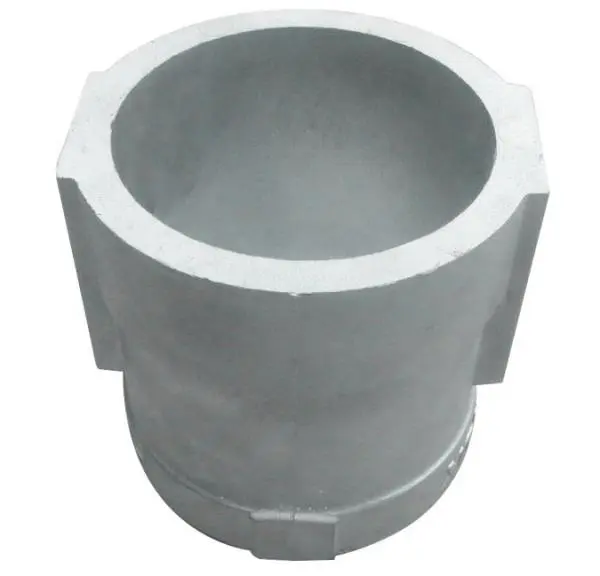
Cast Iron Cylinder Heads and ZL104 Casting Cylinders
Cast iron cylinder heads are the most important part of an engine in the building, automobile, and industrial machinery industries. These parts hold important engine functions like valve seats, combustion chambers, and cooling tubes that have a direct effect on how much power the engine makes and how much fuel it uses.
Material Composition and Properties
Traditional cylinder heads made of cast iron are good at transferring heat and resisting wear, so they can be used in harsh conditions. Nowadays, though, engineering has made more advanced options available, such as ZL104 casting cylinder systems that work better. ZL104 is a high-strength aluminum casting alloy that was made for uses that need materials with very high mechanical properties.
ZL104 is better than regular cast iron products in a number of ways because it is made of aluminum. Its better resistance to rust means that it needs less upkeep, and its better thermal stability means that it works the same way in a range of temperatures. The material can be easily machined, which makes it possible to keep the exact measurements that are needed for lift lifting control cylinders and other precision uses.
Thermal Stability and Heat Treatment Benefits
The low pressure casting methods used to make ZL104 parts create regular grain structures that make them last longer. When combined with specific heat treatment methods, Zl104 casting cylinders reach the best levels of hardness while keeping their shape. Surface treatments like shot blasting make surfaces even more resistant to rust and make them perfect for sealing.
No matter what the material is, contaminants are very bad for the performance of cylinder heads. Carbon builds up in the valves and combustion chambers, which lowers the compression ratio and makes it harder for the seals to work right. Oil sludge can block important cooling pathways, which can cause the engine to overheat and wear out faster. Rust that forms on uncovered surfaces weakens the structure and makes leak paths that make it harder to keep the system pressure steady.
Common Issues and Challenges in Cleaning Cast Iron Cylinder Heads
Maintenance workers come across different kinds of contamination that need different cleaning methods to get rid of completely without harming the base materials.
Prevalent Contaminant Categories
When it comes to cylinder head upkeep, carbon buildup is the hardest thing to get rid of. These buildups happen because of inefficient combustion and happen over time on valve seats, combustion chambers, and port areas. This is because carbon layers are hard and need to be removed by mechanical or chemical means.
Rust forms in classic cast iron caps when water mixes with the iron inside. This rusting process makes the structure of the material weaker and makes the areas rough, which traps more dirt. When lubricants break down at high temperatures, they leave behind sticky residues that stick to particles and stop the flow of greasing.
Improper Cleaning Method Risks
Using harsh cleaning methods can damage the sides of the cylinder heads in a way that can't be fixed. When you brush the wire with too much force, you might make scratches that become stress points that cause cracks to form. Chemical cleaners with the wrong pH levels can etch aluminum surfaces in ZL104 casting cylinder uses, which can make the dimensions less accurate and the surface finish less good.
Cylinder heads can become warped when they are suddenly heated or cooled during cleaning. This is called temperature shock. This deformation affects surfaces that close, and it might cost a lot of money to machine them back to their original shape. Knowing how to clean a material properly keeps you from making mistakes that cost a lot of money and increases the life of a component.
Industry Standards and Compliance Requirements
OEM standards for cars usually call for cleaning methods that keep the surface's roughness within certain limits while getting rid of all contaminants. The ISO 9001:2015 quality control standards stress the importance of written cleaning routines that make sure the results are the same from one production batch to the next. Environmental rules set by ISO 14001 require using cleaning products that are safe for the environment and throwing away trash in the right way.
Maintenance times rely on how bad the application is and how it's being used. Heavy-duty building equipment may need to have its cylinder heads inspected every three months, while cleaning plans for passenger vehicles can be pushed back to once a year or twice a year. To get the best total cost of ownership, procurement experts need to find a mix between how often things need to be cleaned and how much time they take away from work.

Step-by-Step Methods to Clean Cast Iron Cylinder Heads Effectively
To clean a Zl104 casting cylinder head properly, you need to follow a step-by-step process that goes from the initial assessment to the final check. This way, you can be sure that all the contaminants are removed while still protecting the material's structure.
Traditional Cleaning Techniques
When cleaning by hand, the level of pressure can be precisely controlled, and workers can focus on specific areas of pollution. Cylinder head repair is based on the following tried-and-true methods:
- Mechanical scraping uses specialized tools to get rid of carbon buildup on valve seats and combustion chambers. To keep surfaces from getting gouged, sharp scrapers need to be handled carefully, especially on current aluminum metals that are softer.
- Wire brushing gets rid of loose rust and surface contamination well when the brush is the right hardness. Aluminum surfaces work well with brass brushes, while classic cast iron surfaces work best with steel brushes.
- Chemical soaking uses special liquids to get rid of contaminants that are made of oil and smooth carbon deposits. Chemical cleaning operations are safe for operators as long as there is enough air flow and they are wearing the right safety gear.
These old ways of doing things still work for routine maintenance, but they take a lot of time and might not be accurate enough for current engine specs. Because these steps are done by hand, there is some variation that can affect the regularity of cleaning across many parts.
Advanced Cleaning Technologies
New cleaning technologies get around the problems with old ones and meet the high quality standards needed for precision-made parts like ZL104 casting cylinder assemblies.
Ultrasonic cleaning is a big step forward in the technology used to maintain Zl104 casting cylinder heads. High-frequency sound waves are used in this method to make cavitation bubbles in the cleaning solution that pop when they hit dirty surfaces. The tiny cleaning action can get into complicated shapes and get rid of dirt and other impurities without using mechanical touch, which could damage delicate surfaces.
Controlled abrasive particles are used in media blasting methods to get rid of tough layers while keeping the dimensions accurate. The gentle cleaning action of glass bead blasting is good for metal parts, and crushed walnut shells are biodegradable options that meet environmental standards. Using the right media and controlling the pressure will clean thoroughly without damaging the surface.
Chemicals that are good for the environment have changed over time to clean effectively while causing less damage to the environment. These mixtures get rid of carbon deposits and oil leftovers without using harsh acids that could hurt delicate materials. Well-balanced pH solutions keep metal surfaces safe while still cleaning standard cast iron parts well.
Post-Cleaning Inspection Protocols
Following cleaning, a thorough check shows that the methods used were effective and that the part is ready for service. Using accurate measuring tools to check the dimensions makes sure that the cleaning process hasn't changed any important limits. Surface roughness readings show that the cleaning process created the right finish without adding too much grit that could affect how well the seal works.
A visual check in the right lighting shows any leftover contamination or surface flaws that need extra care. Magnification tools help find tiny cracks or pits in parts that could make them less reliable. Keeping records of test data helps quality management systems keep track of things and supports efforts to keep getting better.
Conclusion
To properly clean cast iron cylinder heads, you need to know about the material's properties, the different types of contamination, and the right way to clean them. The ZL104 casting cylinder technology has big benefits in terms of lower upkeep needs and better performance and longevity. Implementing planned maintenance routines, choosing the right cleaning agent, and using professional handling techniques will ensure that parts work at their best and last longer. Investing in good parts and following the right maintenance steps pays off in the form of less downtime, higher reliability, and lower total cost of ownership over longer operating times.
Partner with Rongbao Enterprise for Premium ZL104 Casting Solutions
With 20 years of experience in the field and advanced production skills, Rongbao Enterprise can provide the best ZL104 casting cylinder options for tough industrial uses. Our complete quality management system, which is approved by ISO 9001:2015, ISO 14001, and ISO 45001, makes sure that our products are always of the highest quality and that the supply chain works smoothly. Since 70% of our products are sent to markets in Europe, the United States, and Japan, we know how to meet the exact needs of our global OEM partners and offer custom solutions that improve performance and operating efficiency.
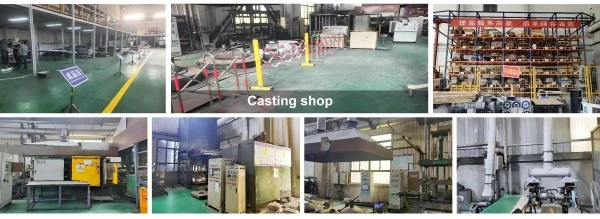
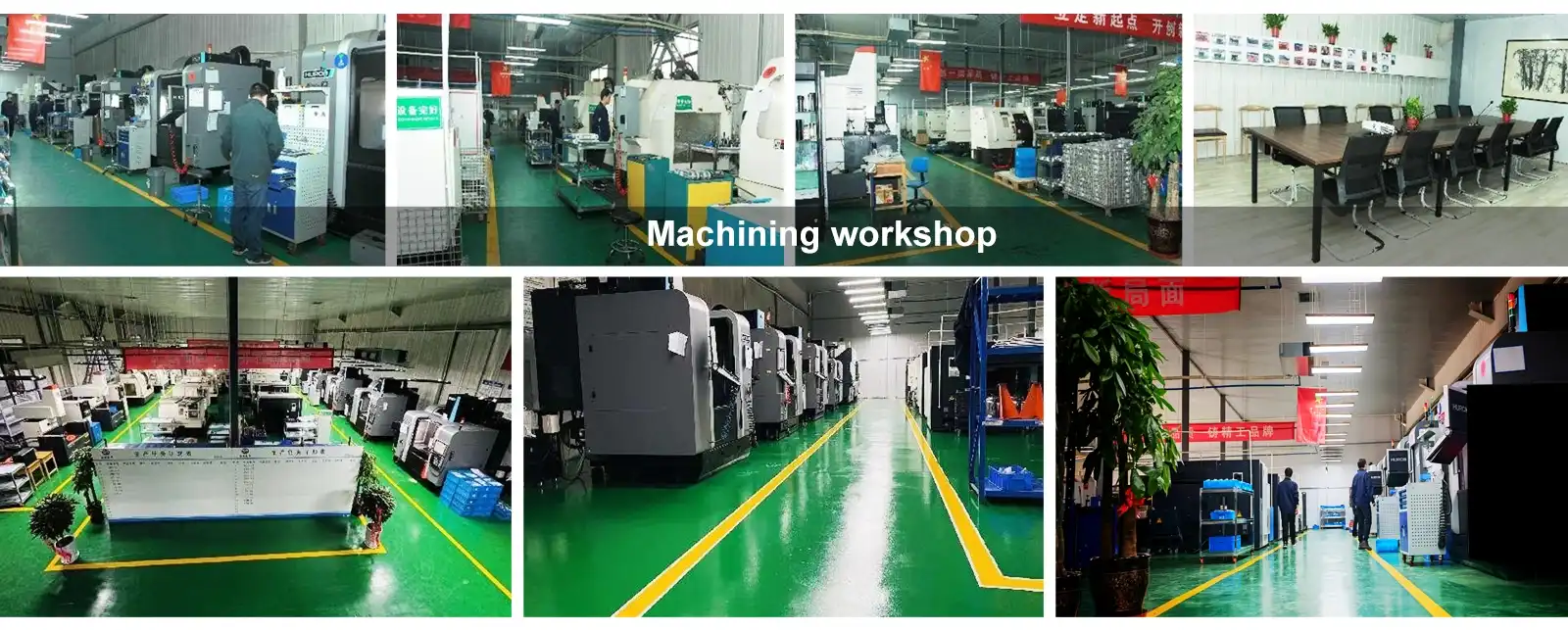
At our Xi'an plant, we use low pressure casting, precise CNC cutting, and shot blasting to make parts that are more accurate in size and have better surfaces than the industry standard. Our engineering team is here to help you from the beginning of the planning process all the way through production delivery, whether you need standard lift lifting control cylinders or ones that are made to order for a special job. Talk to steve.zhou@263.net or zhouyi@rongbaocasting.com about your cylinder needs and find out how our ZL104 casting cylinder factory services can improve the performance of your equipment while lowering the total cost of ownership.
FAQ
Q1:How often should ZL104 casting cylinders be cleaned?
A1:How often you clean depends on how the machine is used and how much dirt it is exposed to. Heavy-duty industrial uses typically require cleaning every 1000 to 2000 hours of use, while lighter-duty uses can go up to 3000 to 5000 hours. Environmental factors like dust exposure and temperature extremes may mean that repair needs to be done more often.
Q2:What cleaning chemicals are safe for aluminum cylinder components?
A2:Cleaning products that are pH-neutral and made especially for aluminum alloys remove contaminants effectively without harming the base materials. You can use water-based degreasers and special metal cleaners instead of harsh acids or strong alkaline solutions that can damage the surface or change the size of the item.
Q3:When should cylinder heads be replaced rather than cleaned?
A3:When dimensional wear goes beyond what is accepted, when cracks form and weaken the structure, or when corrosion damage can't be fixed without affecting important areas, replacement is needed. Professional inspection and measurement services can give you an unbiased opinion on the state of a part to help you decide whether to replace it or not.
References
- American Society for Testing and Materials. "Standard Practice for Cleaning Methods for Cast Iron Engine Components." ASTM International, 2019.
- Society of Automotive Engineers. "Aluminum Casting Alloys for Automotive Applications: Material Properties and Cleaning Procedures." SAE Technical Paper Series, 2020.
- International Organization for Standardization. "Quality Management Systems for Metal Casting Operations: Cleaning and Inspection Requirements." ISO Technical Committee Report, 2018.
- National Institute of Standards and Technology. "Corrosion Resistance and Maintenance Protocols for Aluminum Alloy Engine Components." NIST Special Publication, 2021.
- Engine Manufacturers Association. "Best Practices Guide for Cast Iron and Aluminum Cylinder Head Maintenance in Industrial Applications." EMA Technical Bulletin, 2019.
- Materials Science and Engineering Institute. "Comparative Analysis of Cleaning Methods for High-Performance Casting Alloys in Automotive and Industrial Applications." Journal of Applied Materials Research, 2020.
_1750923522843.webp)
Learn about our latest products and discounts through SMS or email