- English
- French
- German
- Portuguese
- Spanish
- Russian
- Japanese
- Korean
- Arabic
- Greek
- German
- Turkish
- Italian
- Danish
- Romanian
- Indonesian
- Czech
- Afrikaans
- Swedish
- Polish
- Basque
- Catalan
- Esperanto
- Hindi
- Lao
- Albanian
- Amharic
- Armenian
- Azerbaijani
- Belarusian
- Bengali
- Bosnian
- Bulgarian
- Cebuano
- Chichewa
- Corsican
- Croatian
- Dutch
- Estonian
- Filipino
- Finnish
- Frisian
- Galician
- Georgian
- Gujarati
- Haitian
- Hausa
- Hawaiian
- Hebrew
- Hmong
- Hungarian
- Icelandic
- Igbo
- Javanese
- Kannada
- Kazakh
- Khmer
- Kurdish
- Kyrgyz
- Latin
- Latvian
- Lithuanian
- Luxembou..
- Macedonian
- Malagasy
- Malay
- Malayalam
- Maltese
- Maori
- Marathi
- Mongolian
- Burmese
- Nepali
- Norwegian
- Pashto
- Persian
- Punjabi
- Serbian
- Sesotho
- Sinhala
- Slovak
- Slovenian
- Somali
- Samoan
- Scots Gaelic
- Shona
- Sindhi
- Sundanese
- Swahili
- Tajik
- Tamil
- Telugu
- Thai
- Ukrainian
- Urdu
- Uzbek
- Vietnamese
- Welsh
- Xhosa
- Yiddish
- Yoruba
- Zulu
Cast Axial Flow Fan Accessories: OEM vs Standard Parts Guide
Understanding OEM and aftermarket alternatives is crucial when buying industrial ventilation system parts. Cast axial flow fan accessories include aluminum alloy impellers, housing components, mounting hardware, and protective coatings designed to function under harsh situations. In wind power generation, rail transportation, and heavy manufacturing, where dependability is crucial, these accessories affect system uptime, energy consumption, and maintenance intervals. Working with global equipment manufacturers has revealed that the correct component strategy—OEM accuracy or cost-optimized alternatives—determines long-term operational success.
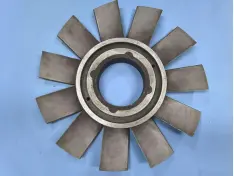
Understanding Cast Axial Flow Fan Accessories
The world of axial fan parts goes far beyond the spinning parts that you can see. It's been shown that the right mix of accessories can turn basic equipment into strong systems that can work nonstop for years.
Core Component Categories
The most critical equipment is the A356 cast axial flow fan accessories. Wind turbine blade assemblies may weigh 21 kg and survive millions of rotations. Pressure casting and T6 heating provide these cast parts with fatigue resistance. Motor housings and mounting brackets are the structural basis and must be exact within 0.05mm tolerances to prevent vibration-related failures. Guards, noise-canceling cages, and corrosion-resistant coatings prolong equipment life in harsh environments. Screws and sealing rings seal the system.
Performance Impact on System Efficiency
The quality of accessories is directly linked to practical measures that procurement teams keep a close eye on. When impellers aren't made properly, they cause imbalances that speed up bearing wear and raise energy use by 15 to 20 percent over three years of operation. By lowering boundary layer turbulence, surface treatments like shot blasting improve aerodynamic efficiency, which means that airflow is better. We have examples of how switching from standard mounting hardware to precision-machined clamps cut unexpected downtime in rail transportation cooling systems by 40%. This shows how even small parts can have a big effect on the total cost of ownership.
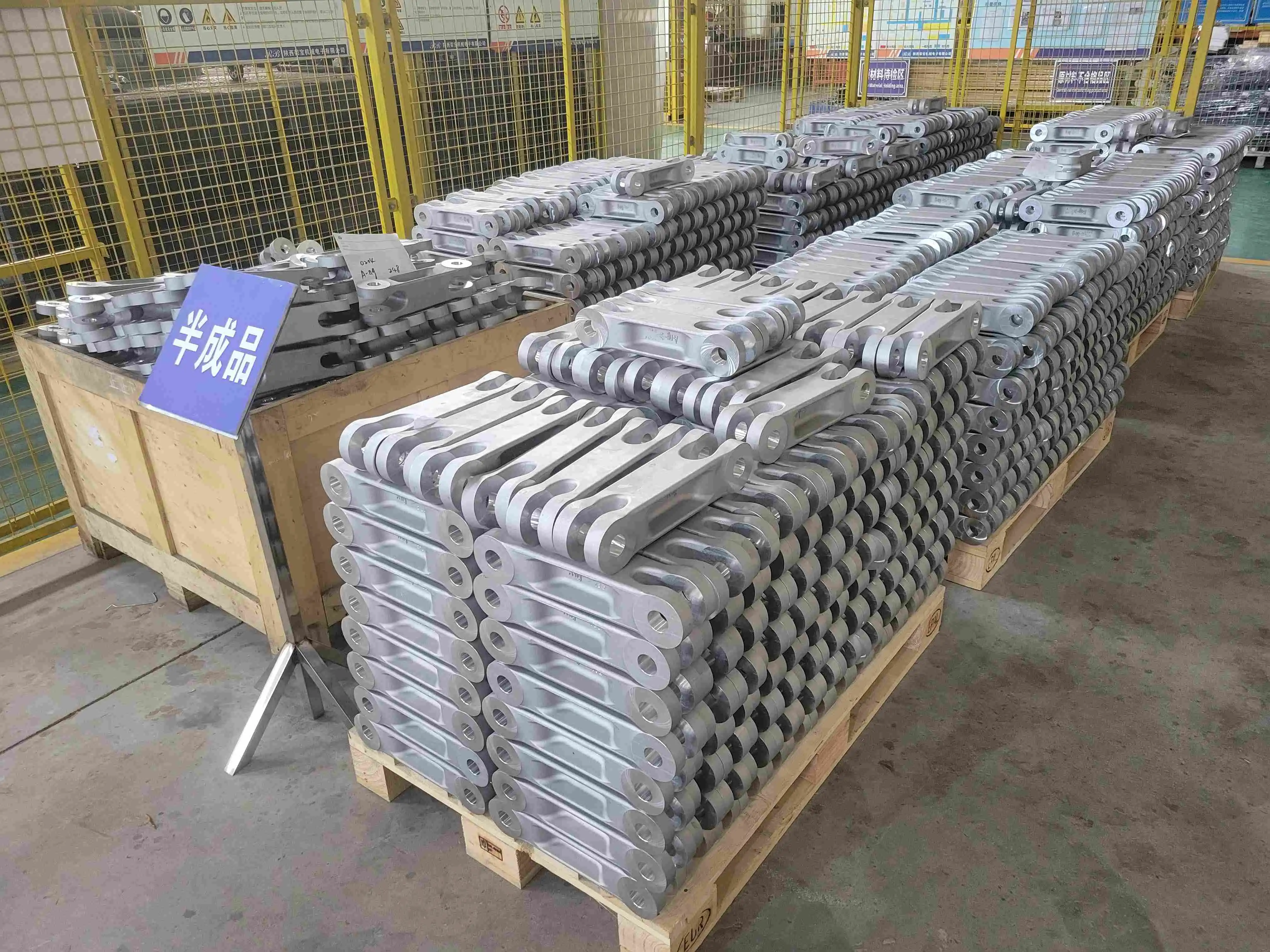
OEM vs. Standard Cast Axial Flow Fan Accessories—Core Differences and Decision Factors
To choose between OEM parts and aftermarket alternatives, you need to know what makes these choices different, besides price.
Manufacturing Pedigree and Quality Assurance
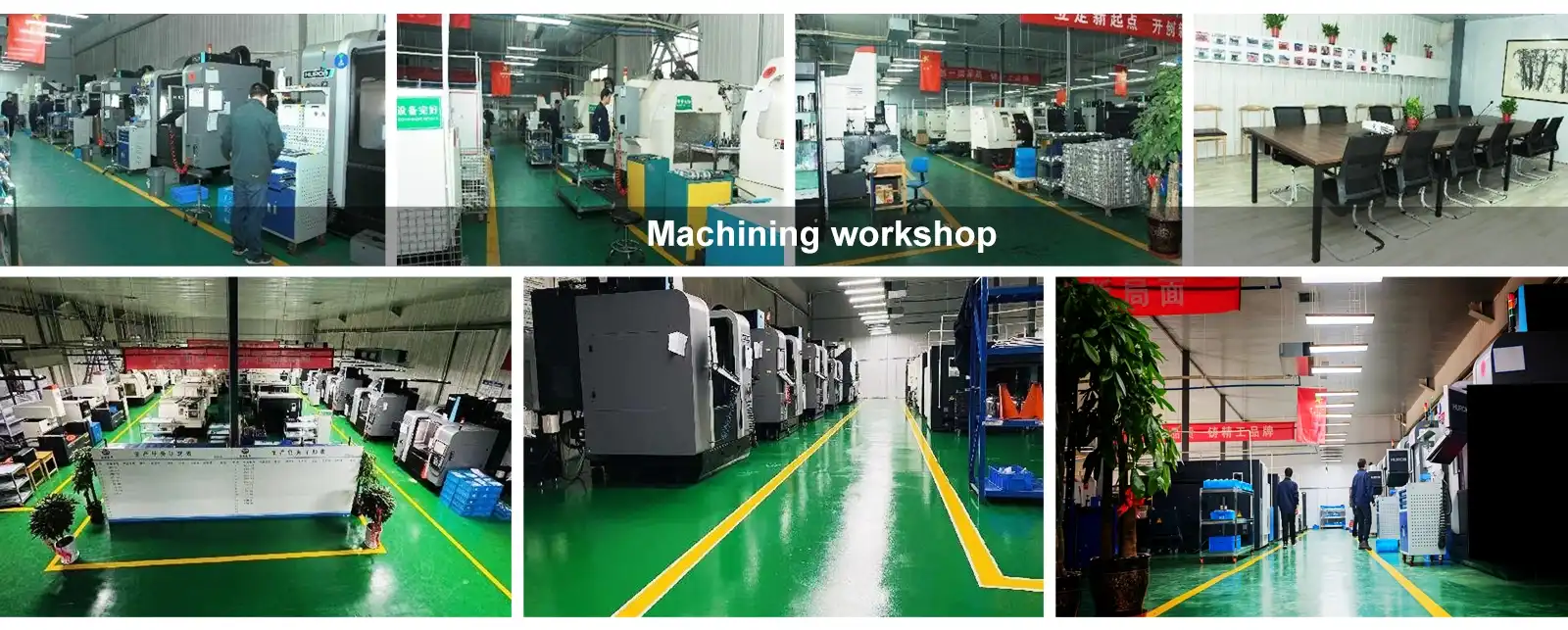
OEM accessory manufacturers work directly with equipment manufacturers to ensure compatibility. ISO9001:2015, ISO14001, and ISO45001 certifications prove that these firms prioritize safety and the environment in quality management. Rongbao Enterprise's Xi'an production facility can handle mold development, pressure casting, CNC machining, and X-ray checking in one quality-controlled environment. Standard parts from outside firms may be the proper size, but they lack material traceability and batch testing to prevent premature failure in high-stress scenarios.
Cost Analysis Beyond Purchase Price
The original purchase price doesn't reveal the complete financial situation. A lifecycle cost study demonstrates that OEM parts for a 21-kilogram wind turbine impeller may cost 30–40% more than aftermarket parts; however, there is hidden value. Written material certificates simplify regulatory compliance inspections, and 24-36-month warranties cover problem fixes. Aftermarket parts are popular with budget-conscious consumers, particularly for non-critical applications with performance tolerances. But purchasing teams must consider the price of rework if regular parts fail X-ray inspection or need special machining to fit. Costs are two to three times the initial price difference in these circumstances.
Delivery and Supply Chain Considerations
Production capacity affects availability in ways that change the time it takes to finish a project. When manufacturers have established processes, they can reliably deliver batches of 5,000 customized pieces every 14 to 22 weeks for original orders. Once tooling is confirmed, this time frame drops to two to three weeks for repeat orders. Standard parts are sold by more dealers, which could cut down on wait times for urgent repairs. However, this benefit is lost when specs need to be customized. Often, the choice comes down to whether your business values a steady supply for planned maintenance or quick response for repairs that need to be done right away.
How to Choose the Right Cast Axial Flow Fan Accessories for Your Application
Choosing parts that work with how things actually work requires a thorough look at a lot of different technical and business aspects.
Environmental and Operational Assessment
Wind turbine attachments must endure -40°C to 60°C temperatures, continual vibration, and corrosive coastal air. For these circumstances, A356 aluminum alloy offers the correct strength-to-weight ratio with T6 heat treatment. Over 280 MPa tensile strength and 10 million fatigue-resistant cycles are possible. Different rail usage needs different things. City subway noise regulations demand vibration-damping devices. Parts for high-speed train cooling fans must remain the same size over 3,000 RPM. Tools need suitable lubricants, coolants, and cleaners. Selecting parts with proper surface treatments prevents structural weakness from premature corrosion.
Supplier Capability Verification
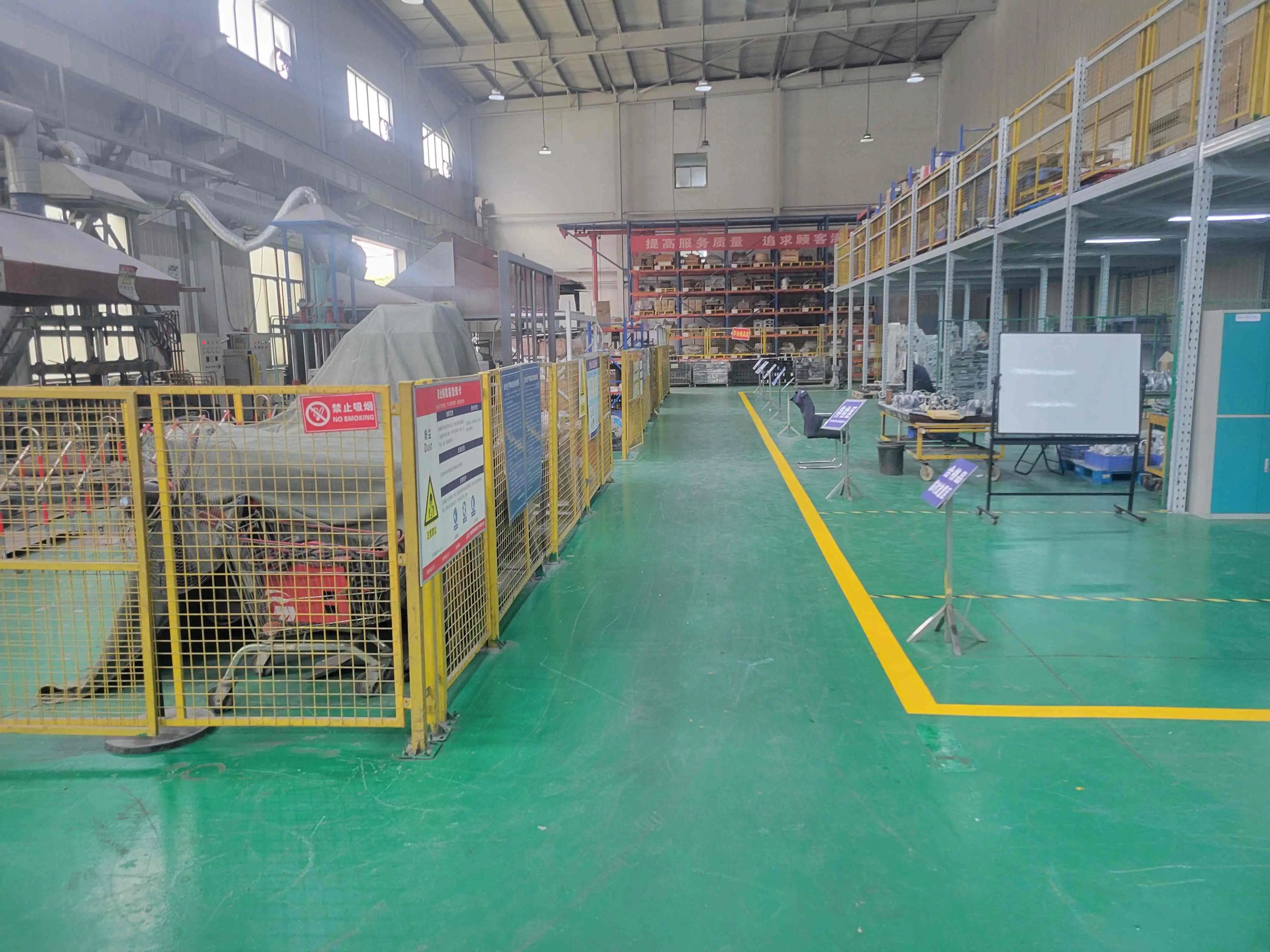
Along with product requirements, provider infrastructure affects execution dependability. Check whether manufacturers cast, cut, and finish their own parts or only assemble pieces from other firms. Our factory does CNC machining, shot blasting, gravity, and low-pressure casting. This eliminates coordination issues in multi-provider supply chains. Certification portfolios consistently demonstrate excellent quality management. ISO9001, ISO14001, and ISO45001 collectively demonstrate a systematic approach to product quality, environmental responsibility, and workplace safety. Since porosity and shrinkage within cast parts can't be observed until they break down significantly in operation, ask for batch testing results, ideally X-ray inspection data.
Installation and Maintenance Best Practices for Cast Axial Flow Fan Accessories
When you install cast axial flow fan accessories correctly and do regular maintenance, they last longer between services and don't break down one after another. This increases the return on your investment.
Installation Protocols for Critical Components
Installation torque parameters must be precise to prevent impeller loosening during vibrations and stress concentrations that produce fatigue fractures. We recommend factory-specified 85–95 Nm torque wrenches for M12 mounting bolts for 21 kg metal impellers. Check rotational balance using vibration analysis after installation. Readings exceeding 3.5 mm/s indicate a mismatch that must be rectified before full-speed operation. Thread-locking solutions assist housing assembly bolts that vibrate, while isopropyl alcohol cleans gasket surfaces to strengthen seals. Records of torque levels, balance readings, and dimensional inspections may be utilized for warranty claims and performance fault diagnosis.
Scheduled Inspection and Replacement Cycles
Instead of random calendars, scheduled maintenance periods should reflect activity. Continuously used wind turbine parts should be examined every three months for wear on the blade leading edge, mounting hardware, and bearings. Seals and gaskets should be changed every 8,000–10,000 hours. However, well-maintained cast housings may endure 40,000 hours or more. First, inspect the bearings, impeller balance, mounting tightness, and blade apertures for debris to determine what's generating the weird sounds or shaking. Fixing minor issues during scheduled breaks costs 5–10% less than unanticipated issues.
Maximizing ROI: Benefits of Investing in Quality Cast Axial Flow Fan Accessories
When you buy accessories strategically, you can see measured financial benefits that go far beyond the cost of the parts themselves.
Operational Uptime and Energy Performance
Quality accessories reduce unplanned downtime. In wind power, this reduces generating costs. A day of turbine downtime might cost $2,000–$5,000 in power sales. This renders premium part costs insignificant relative to availability. Over time, precision-made impellers save more energy. A 3% cut in power utilization throughout a 200kW cooling system saves $3,600 a year at industrial energy prices, easily compensating for the OEM-standard part cost difference. Accurate measurements, a flat surface, and consistent materials provide performance advantages that mass-produced choices cannot match.
Regulatory Compliance and Partnership Value
Equipment used in regulated businesses like rail transportation must have material certifications and disclose its origin. OEM vendors with current ISO certification portfolios provide audit proof that fulfills regulatory requirements without additional buyer labor. Long-term supplier relationships provide intangible advantages including priority when supplies are limited, problem-solving when application issues arise, and early access to superior component designs. When procurement teams regard accessory suppliers as strategic partners rather than transactional vendors, TCO drops 25–30%. They have less administrative work, greater quality control, and better inventory management.
Conclusion
OEM vs. standard cast axial flow fan accessories affect industrial ventilation systems' reliability and lifetime cost. Aftermarket parts are OK for non-critical applications, but wind farms and transportation systems need OEM parts for precision, traceability, and warranty security. Good procurement methods balance short-term financial limitations with long-term energy, maintenance, and downtime expenses. Choose the correct materials, monitor the production process, and verify the seller's claims. These will help you choose lasting solutions over fake savings. The quality of industrial equipment accessories determines which systems endure and which need to be changed sooner under tougher circumstances.
FAQ
1. What accessories should wind turbine operators prioritize stocking?
Important parts include impeller sections made from A356 aluminum alloy that have been heat-treated and certified, motor mounting brackets with precisely machined interfaces, and full seal kits that can withstand a range of temperatures outside. When you keep parts with lead times longer than 8 weeks on hand, you can avoid long periods of downtime when they suddenly stop working.
2. Can aftermarket parts match OEM performance in high-stress applications?
Aftermarket parts sometimes meet the required measurements, but they rarely match the quality control and consistent materials used by OEM manufacturers. Wind turbine impellers that go through millions of rotational cycles need to be able to withstand cyclic loads above 50% of their yield strength. This is because they need to be resistant to fatigue and have their internal quality checked, which can only be done with regular casting process control and X-ray analysis.
3. How do customization options differ between OEM and standard suppliers?
OEM makers who can do everything from mold development to CNC cutting can make changes to specifications, such as changing dimensions, the way the surface is treated, or the material used. Standard parts distributors usually only sell fixed catalog items that can't be changed much. These are fine when the equipment fits into standard industry configurations but not when it needs to be installed in a way that isn't typical.
Partner with Rongbao Enterprise for Reliable Cast Axial Flow Fan Accessories Supplier Solutions
Rongbao Enterprise has 20 years of experience casting aluminum, which gives wind power and transportation equipment the manufacturing depth they need. Pressure-cast axial flow fan accessories, CNC machining, shot blasting, and a full quality check are just some of the combined capabilities at our Xi'an facility that allow us to make unique impellers and housing parts that meet the highest performance standards. Our full-chain processes are governed by ISO9001:2015, ISO14001, and ISO45001 certifications. We work with global manufacturers who want the reliability that comes from sending 70% of our products to markets in Europe, the United States, and Japan. Our team knows how hard it is for technical directors and quality managers to buy things when they can't skimp on fatigue performance or measurement accuracy. Whether you need a prototype for a new turbine design or a production volume of 5,000 pieces per year, our engineering support and quality documentation will make your supply chain run more smoothly from the idea stage to delivery. Contact steve.zhou@263.net and zhouyi@rongbaocasting.com to talk about how our custom aluminum alloy parts can improve the performance and value of your tools over their entire life.
References
1. Chen, W., & Martinez, R. (2021). Aluminum Alloy Casting for Industrial Applications: Material Selection and Process Optimization. Industrial Manufacturing Press.
2. Thompson, J. D. (2020). OEM vs. Aftermarket Parts: A Procurement Guide for Heavy Equipment. Supply Chain Management Journal, 45(3), 112-128.
3. Anderson, K. L., & Park, S. H. (2022). Fatigue Performance of A356-T6 Aluminum in Cyclic Loading Applications. Materials Engineering Quarterly, 18(2), 67-84.
4. European Wind Energy Association. (2023). Maintenance Best Practices for Wind Turbine Components. EWEA Technical Publications.
5. International Organization for Standardization. (2019). Quality Management Systems for Casting Industries: Implementation Guide. ISO Technical Committee 176.
6. Liu, X., & Schmidt, H. (2021). Cost-Benefit Analysis of Component Sourcing Strategies in Rail Transportation Equipment. Journal of Industrial Procurement, 33(4), 201-219.
Learn about our latest products and discounts through SMS or email