- English
- French
- German
- Portuguese
- Spanish
- Russian
- Japanese
- Korean
- Arabic
- Greek
- German
- Turkish
- Italian
- Danish
- Romanian
- Indonesian
- Czech
- Afrikaans
- Swedish
- Polish
- Basque
- Catalan
- Esperanto
- Hindi
- Lao
- Albanian
- Amharic
- Armenian
- Azerbaijani
- Belarusian
- Bengali
- Bosnian
- Bulgarian
- Cebuano
- Chichewa
- Corsican
- Croatian
- Dutch
- Estonian
- Filipino
- Finnish
- Frisian
- Galician
- Georgian
- Gujarati
- Haitian
- Hausa
- Hawaiian
- Hebrew
- Hmong
- Hungarian
- Icelandic
- Igbo
- Javanese
- Kannada
- Kazakh
- Khmer
- Kurdish
- Kyrgyz
- Latin
- Latvian
- Lithuanian
- Luxembou..
- Macedonian
- Malagasy
- Malay
- Malayalam
- Maltese
- Maori
- Marathi
- Mongolian
- Burmese
- Nepali
- Norwegian
- Pashto
- Persian
- Punjabi
- Serbian
- Sesotho
- Sinhala
- Slovak
- Slovenian
- Somali
- Samoan
- Scots Gaelic
- Shona
- Sindhi
- Sundanese
- Swahili
- Tajik
- Tamil
- Telugu
- Thai
- Ukrainian
- Urdu
- Uzbek
- Vietnamese
- Welsh
- Xhosa
- Yiddish
- Yoruba
- Zulu
How to Choose a Cast Sink Filter Supplier for OEM Orders
Choosing the right supplier for cast sink filter components in OEM orders requires more than comparing price sheets. As someone who has worked closely with industrial equipment manufacturers, I understand that your supplier selection directly impacts production continuity, equipment performance, and ultimately your competitive positioning. This guide addresses the practical challenges procurement managers and technical supervisors face when sourcing aluminum cast components like bearing end covers and filtration system housings. By focusing on verifiable quality metrics, manufacturing versatility, and partnership reliability, you can establish a procurement channel that supports your production goals while managing cost efficiency effectively.
Understanding the OEM Procurement Scenario for Cast Sink Filters
When an OEM buys cast filter parts, they have to deal with complicated technical standards and business concerns. When the arrival of precision-cast parts is essential to your production plan, it's important to know your suppliers well in order to avoid problems.
Defining Your Customization Requirements
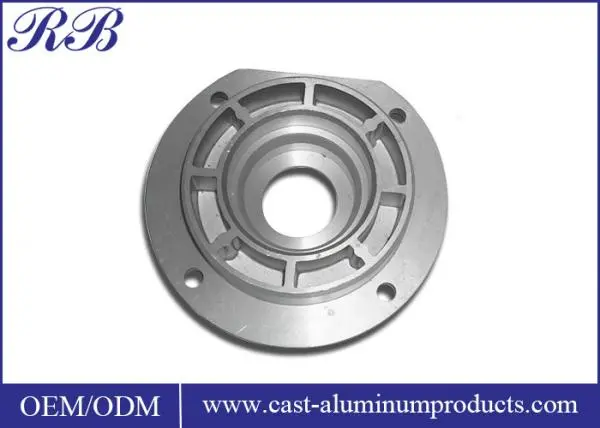
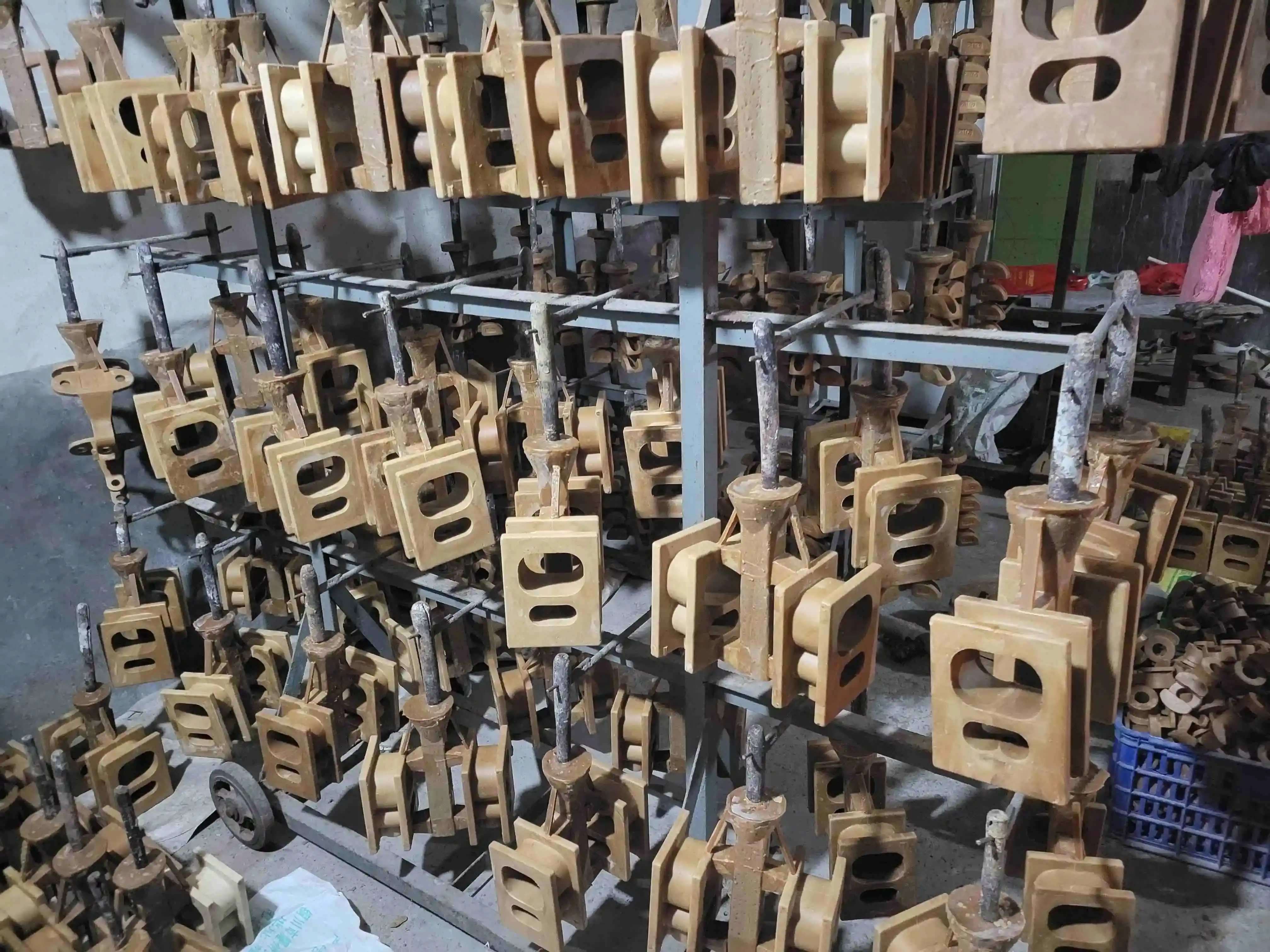
Cast sink filter systems often need special parts that are made to fit certain types of equipment. Your technical drawings may list A356 aluminum alloy because it is easy to cast and doesn't rust, especially in bearing end covers that weigh about 1.2 kg. These parts are protective housings for filtration assemblies, and the way well they seal depends on how accurate the measurements are and how well the surface is sealed. Suppliers must show that they can use gravity casting methods to get the mechanical qualities your application needs, such as a controlled grain structure and few holes.
Volume Planning and Supply Chain Scalability
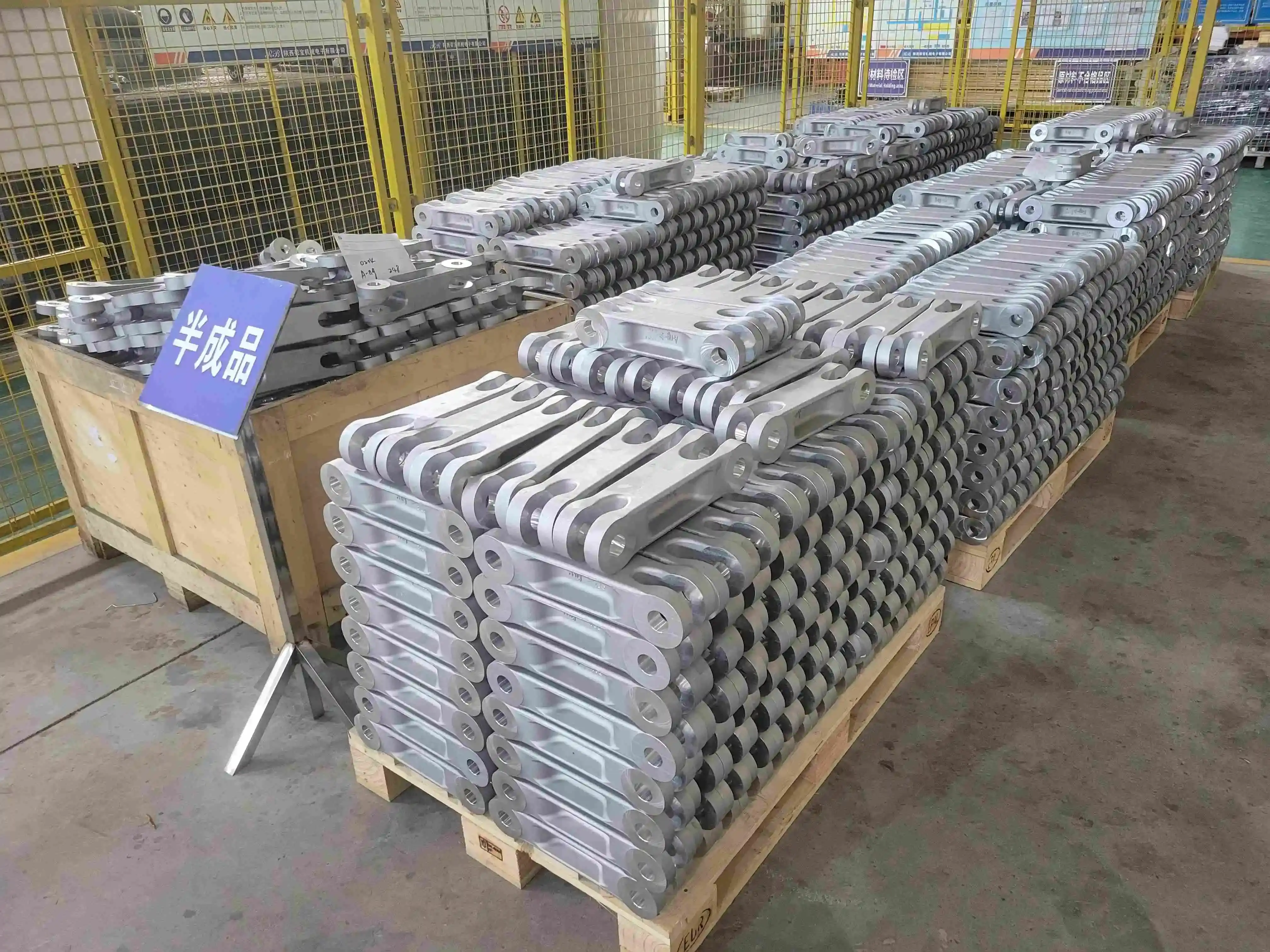
Aluminum castings worth between $500k and $3m are bought every year, and sellers must be able to show that their batches are consistent. If a maker says they can make 5,000 pieces per month, they need to show proof through production records, not just theoretical maximums. During times of high production, delays caused by suppliers' limited ability cause expensive jams further down the line. Looking at how often a supplier's equipment is used and how stable their staff is can help you decide if they can grow with your business without affecting delivery times.
Common Procurement Obstacles
Finding out where things come from is still a problem. Some sellers use cheaper alloy types instead of the right ones, which lowers the mechanical properties. Another common problem is that CNC machining tolerances aren't always the same between production batches, which means that work has to be redone, which slows down the assembly process. Communication problems make these issues worse when providers don't have enough expert staff who can quickly answer questions about specifications and speak English. These problems show why setting up strict qualification processes is much easier and less stressful than fixing problems after they happen in production.
Core Criteria for Evaluating Cast Sink Filter Suppliers
There's more to evaluating a provider than just visiting the site and looking at glossy ads. Using objective evaluation criteria will protect your investment in buying things and the security of your output.
Material Quality and Process Certification
ISO9001:2015 accreditation standardizes quality management; however, audit reports are needed to verify. Suppliers should provide test results showing the chemical composition of several batches of A356 alloy, with magnesium levels between 0.3 and 0.45% and silicon levels between 6.7 and 7.5%, for the greatest mechanical qualities. To avoid internal stress concentrations, gravity casting should adopt a regulated cooling rate. Also significant are shot blasting surface treatment specifications. The correct medium and pressure parameters will determine whether the part is clean and retains its form.
Manufacturing Capability Breadth
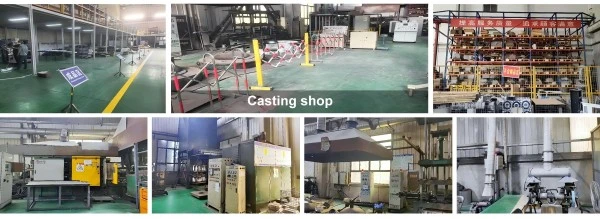
When you work with single-process suppliers, you have to arrange with more than one source to make a whole component. A good partner should have casting, CNC milling, and surface treatment all in one place for cast sink filter production. This consolidation makes operations and communication easier. When a seller has specific machining centers along with their foundry, they can keep tolerances tighter because they are in charge of the whole process, from melting the metal to finishing the part. Check the specs of their CNC equipment—modern multi-axis machining centers show that they are dedicated to precision work instead of relying on laborious manual tasks that can go wrong.
Production Capacity Verification
Declared ability doesn't mean much if you don't know how it's actually being used. During facility assessments, watch what's going on on the floor during regular shifts. Are casting stations always running or just sitting there? Check the mold inventory. Suppliers with large pattern libraries can change your design more quickly. Find out what kinds of customers they have now. If they are too committed to one big client, it could be a risk if that client changes their mind. A good seller spreads their capacity across many accounts and keeps some capacity available in case of emergency.
Technical Support Infrastructure
Support after the sale is what turns small problems into big problems. Suppliers should give you a professional contact person who is only responsible for your application. When changes to the plan are needed, responsive tech help speeds up the implementation process. Warranty terms show how confident the seller is; for example, full coverage for casting flaws and machining mistakes shows strong quality assurance. Make sure you know how to handle non-conforming parts before they cause problems. This way, the replacement process won't stop your production line.
Comparing Supplier Options: What to Look for in Brands and Manufacturers
Comparing suppliers requires more than just a gut feeling. It needs an organized review. Systematic testing shows you which candidates are a good fit for your operational priorities.
Reputation and Track Record Assessment
The length of time in an industry is helpful for background, but it doesn't guarantee present capability. Find out from potential suppliers if they have stable relationships with their clients. If a lot of customers leave, it means that problems are happening again and again. Exporting to developed markets like North America and Europe shows that you know how to meet high quality standards. Because foreign customers want paperwork and traceability, suppliers that send 70% of their goods overseas usually tighten up their internal controls. Ask for references from customers in related industries, and then talk to those people in detail about how reliable their delivery is and how they've solved problems in the past.
Innovation and Environmental Compliance
Environmental certifications like ISO14001 and ISO45001 show that a business is mature in more ways than just producing good products. These standards show organized ways to deal with waste and make sure workers are safe, which are in line with the general discipline of production. When suppliers buy new melting furnaces that use less energy, they show they are committed to long-term operations that lower long-term costs. As equipment makers have to meet their own sustainability reporting requirements, green manufacturing initiatives have a bigger impact on what they buy. Working with providers who care about the environment makes your supply chain more compliant.
Pricing Transparency and Value Services
The whole price includes shipping, process-specific charges, and gear amortization. Suppliers should divide bids into materials, casting techniques, machining time, surface treatment, and packaging costs. Openness helps individuals bargain with greater information and save expenses. Value-added services distinguish competent partners. Custom packaging that protects parts during overseas transportation prevents damage claims. Flexible payment periods for long-term connections help you manage cash flow. Technical interaction throughout product development, when suppliers recommend design improvements that make it simpler to cast without compromising function, indicates a true commitment to working together.
Step-by-Step Guide to Selecting and Onboarding an OEM Supplier
Structured supplier training cuts down on risk and speeds up the time it takes to qualify suppliers. This methodical approach strikes a balance between being thorough and getting things done quickly.
Initial Requirements Definition
Before you contact providers, write down all of your requirements in detail for a cast sink filter. Technical sketches should show any required surface finishes, dimensional limits, and material certifications. Set yearly volume goals and monthly delivery schedules so that suppliers can accurately figure out how well the capacity fits their needs. Set the requirements for quality documentation, such as material certificates, reports on dimensional inspections, and proof of surface treatment. Misunderstandings that cause delays during the sampling steps can be avoided by being clear from the start.
Supplier Research and Inquiry
Use a variety of ways to find candidates to get a broader group. At industry shows, you can meet with suppliers in person and evaluate how well they communicate and how much professional knowledge they have. Online platforms let a lot of suppliers connect, but claimed capabilities need to be carefully checked. Direct questions sent through company websites like rongbaocasting.com let people talk in great detail about technical issues. Make standard forms for questions that ask for specific details like lists of equipment, current certifications, customer references, and information on output capacity. Effective sellers reply within 48 hours with full details instead of general marketing materials.
Sample Evaluation Protocol
Sample orders show what is actually possible versus what was promised. Send the same specifications to more than one candidate so that they can be compared. As soon as you get the sample, use calibrated measuring tools to do a full inspection of its dimensions. Check the makeup of the material using spectrometric analysis if it is needed for important reasons and the cost is worth it. Check the quality of the surface finish and look for flaws in the casting, such as porosity or cold shuts. The most reliable way to confirm performance is to do functional testing in simulated operating conditions. Systematically write down all of your results to support a fair comparison of suppliers.
Negotiation and Agreement Finalization
When negotiating prices, you should talk about the total cost of ownership, not just the price per unit. Talk about who owns the tools—you should keep the rights to the molds and models. Set clear standards for quality acceptance and write down how to check the work. Set up rules for how to communicate, such as who should be contacted, how long they should respond, and what to do if an issue is urgent. Terms of payment should cover both risk management and cash flow needs. Your production plan is kept safe by terms that punish late deliveries. Agreements to keep your ideas secret protect your intellectual property. Complete contracts stop disagreements that hurt relationships.
Pilot Production Validation
Before committing to full production, small batch trials of 500 to 1000 pieces show that the quality is consistent. During test runs, keep an eye on production to see how quality control is done and spot any problems that might arise. Do a more thorough receiving inspection, measuring more samples than would normally be needed for normal production. Keep track of any nonconformances and judge how quickly the supplier responds to problems. A successful trial run with few problems gives confidence for the start of mass production.
Key Considerations for Long-Term Partnership Success
For seller ties to last, they need to be cared for after the initial qualification stage. Strategic relationship management creates value for both parties that goes beyond simple buying.
Communication and Continuous Improvement
Regular performance reviews hold people accountable and find ways to make things better. Share demand figures every three months so that providers can plan their resources properly. When production problems happen, working together to solve the problem is better for relationships than putting the blame on someone else. Suppliers like hearing from you because it helps them meet your wants better. They use their knowledge of how things are made to make new product designs easier to make by reviewing them together as engineers. These interactions where people work together build trust, which makes it easier to be flexible when pressing needs appear.
Scalability and Co-Development Capacity
As your business grows, you need suppliers that can keep up with your needs. Check to see if possible partners are willing to invest in growing your business and improving technology. Your innovation efforts can be helped by suppliers whose growth roadmaps are in line with industry trends. Those who offer ODM services can help you with design, which speeds up the process of making your products. As you try to cut down on transportation costs, being close to where you do your production work may become more important. Suppliers who work out of manufacturing hubs like Xi'an, China, and have well-established export infrastructure can help your global operations with reliable international shipping.
Risk Management and Supply Continuity
Supply chain problems are happening more often now, so it's important to plan for resilience. Talk to your suppliers about backup capacity plans and ways to keep your inventory from running out. Knowing where their raw materials come from helps you figure out how vulnerable they are to changes in commodity prices. Having suppliers keep extras of your important parts on hand protects you in case demand goes up unexpectedly. Financial stability is also important, since suppliers who are having trouble getting cash may cut corners on quality to save money. Regular checks on your finances keep you from being surprised by things that could affect your supply chain.
Conclusion
Ordering an OEM cast sink filter is a sensible move that will improve production quality and efficiency for years. This article's assessment framework, which emphasizes checkable quality systems, integrated production capabilities, open communication, and collaborations, helps procurement experts make complex purchase decisions. Systematically assessing suppliers' technical expertise, manufacturing capability, and readiness to collaborate may help you achieve your operational objectives and reduce purchase risks. Quality suppliers mean fewer manufacturing delays, consistent component quality, and the capacity to expand with your organization.
FAQ
1. What material specifications should I require for aluminum cast filtration components?
The A356 aluminum alloy is the standard for cast filtration housings because it is very fluid when it is being cast and very resistant to corrosion when it is being used. Ask for certificates that show the chemical make-up of the material, especially if it has silicon between 6.7 and 7.5% and magnesium between 0.3 and 0.45%. These requirements make sure that fine parts like bearing end covers are strong enough and can be machined easily.
2. How do I verify a supplier's actual production capacity versus claimed capacity?
When you visit a plant, look at the production schedule boards to see how the equipment is being used during normal production shifts. Ask for customer references and information about how well deliveries have worked in the past. Suppliers who can really make 5,000 pieces a month will show proof through production records and well-kept tools, not just theoretical maximums.
3. What quality certifications matter most for OEM casting suppliers?
Getting ISO9001:2015 certification shows that you have a method for managing quality, and getting ISO14001 and ISO45001 certifications shows that you care about the environment and safety, which shows that your business is mature. Check more than just certificates. Look at real audit records and ask for process documentation that shows how quality standards are applied every day. When sellers make their quality records easy to see, these approvals become more credible.
4. What lead times should I expect for custom cast components from initial inquiry to production delivery?
Quotes and initial discussions usually take one to two weeks, sample production and validation take three to four weeks, and then regular production starts after two weeks of making about 500 pieces in a pilot batch. Total approval processes for first orders take 6 to 8 weeks, but for repeat orders with established suppliers, it usually only takes one week to schedule production and deliver the goods.
Partner With an Experienced Aluminum Casting Specialist for Your OEM Requirements
Rongbao Enterprise has been casting aluminum for more than 20 years and can help equipment makers find a trusted cast sink filter provider. In Xi'an, our integrated production plant uses precision CNC machining, shot blasting, and gravity casting to make products. It has a single quality management system that is certified to ISO9001:2015, ISO14001, and ISO45001 standards. We are experts at making A356 aluminum parts, like bearing end covers and filter housings. We can make up to 5,000 pieces per month and can make them exactly as your design calls for. Our engineering team gives technical advice as products are being made, and our well-established export operations make sure that products get to North American markets on time. Our team is ready to help you with your procurement goals, whether you need detailed technical specifications, competitive quotes, or sample evaluation. To talk about your project needs, email our buying experts at steve.zhou@263.net or zhouyi@rongbaocasting.com.
References
1. American Foundry Society. (2021). Aluminum Casting Technology and Process Standards. AFS Technical Publications, Chicago, Illinois.
2. Johnson, M., & Chen, L. (2022). "Quality Management Systems in OEM Manufacturing: A Comparative Analysis." Journal of Industrial Supply Chain Management, Volume 28, Issue 4, pp. 112-134.
3. International Organization for Standardization. (2020). ISO 9001:2015 Quality Management Systems – Requirements and Implementation Guidelines. ISO Publications, Geneva, Switzerland.
4. Patterson, R. (2023). Strategic Procurement in Manufacturing: Supplier Selection and Partnership Development. Industrial Press, New York.
5. Zhang, W. & Roberts, K. (2022). "Material Specifications and Performance Characteristics of A356 Aluminum Alloy in Industrial Applications." Materials Science and Engineering Quarterly, Volume 45, Issue 2, pp. 78-95.
6. Wilson, D. (2021). OEM Sourcing Strategies: Building Resilient Supply Chains in Global Manufacturing. Manufacturing Excellence Publications, Boston, Massachusetts.
Learn about our latest products and discounts through SMS or email