- English
- French
- German
- Portuguese
- Spanish
- Russian
- Japanese
- Korean
- Arabic
- Greek
- German
- Turkish
- Italian
- Danish
- Romanian
- Indonesian
- Czech
- Afrikaans
- Swedish
- Polish
- Basque
- Catalan
- Esperanto
- Hindi
- Lao
- Albanian
- Amharic
- Armenian
- Azerbaijani
- Belarusian
- Bengali
- Bosnian
- Bulgarian
- Cebuano
- Chichewa
- Corsican
- Croatian
- Dutch
- Estonian
- Filipino
- Finnish
- Frisian
- Galician
- Georgian
- Gujarati
- Haitian
- Hausa
- Hawaiian
- Hebrew
- Hmong
- Hungarian
- Icelandic
- Igbo
- Javanese
- Kannada
- Kazakh
- Khmer
- Kurdish
- Kyrgyz
- Latin
- Latvian
- Lithuanian
- Luxembou..
- Macedonian
- Malagasy
- Malay
- Malayalam
- Maltese
- Maori
- Marathi
- Mongolian
- Burmese
- Nepali
- Norwegian
- Pashto
- Persian
- Punjabi
- Serbian
- Sesotho
- Sinhala
- Slovak
- Slovenian
- Somali
- Samoan
- Scots Gaelic
- Shona
- Sindhi
- Sundanese
- Swahili
- Tajik
- Tamil
- Telugu
- Thai
- Ukrainian
- Urdu
- Uzbek
- Vietnamese
- Welsh
- Xhosa
- Yiddish
- Yoruba
- Zulu
How to cast metal in sand?
To cast metal in sand, you use a pattern to make a temporary sand mold, and then you pour melting metal into the mold to make the part you want. When it comes to making metal parts for a wide range of businesses, sand casting is one of the most flexible and cost-effective methods. The first step is to make a pattern. Next, the mold is prepared using specially made sand mixes. Next, the metal is melted and poured. After cooling, the sand is broken off to show the finished casting. This method used in foundries is great for making big parts and complicated shapes that would be hard or expensive to make any other way.
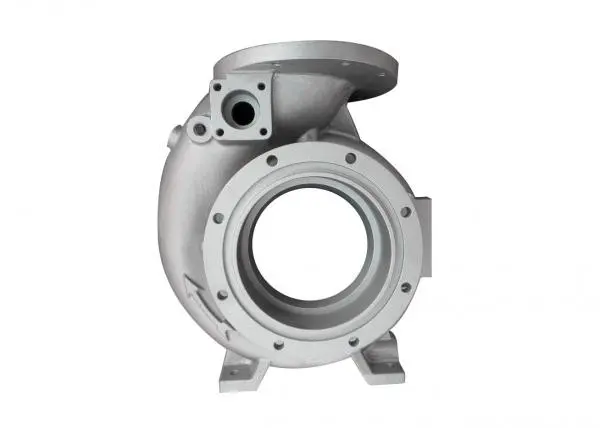
Understanding Sand Casting: Process and Principles
The basic rules for sand casting have changed over the ages, but they are still based on current technology. Through carefully controlled steps that make sure the dimensions are correct and the structure stays strong, the process turns raw metal into precision-engineered parts.
Core Components of the Sand Casting Process
The sand casting method depends on a number of important factors working together. Making patterns is the first step. Then, skilled workers make exact copies of the end part. These designs take into account how much the metal will shrink and what kind of cutting it needs. To get the best moldability and permeability, silica sand is mixed with binding agents like clay or synthetic resins during sand preparation.
The cope and drag method is usually used to make molds. In this method, two mold halves are made around the design. The lower part is in the drag, and the top part is in the cope. Gating systems, which include sprues, runners, and risers, control the flow of liquid metal and make up for the fact that it shrinks when it hardens. Sand cores make it possible for internal holes and other complex hollow shapes to form in modern parts for cars and machines.
Material Versatility and Industrial Applications
Modern foundries use sand casting to make different kinds of metal alloys, like aluminum, gray iron, malleable iron, steel, and different kinds of bronze. This process is very important to automakers for making engine blocks, transmission housings, and chassis parts. Manufacturers of construction tools use sand casting to make heavy-duty gear housings, hydraulic pump bodies, and digger arms that can handle harsh working conditions.
The process works perfectly for both small and large production runs, from making prototypes to making a lot of them. Sand casting offers a great deal of freedom for design changes and material testing, unlike die casting, which needs expensive equipment. This flexibility is very helpful for businesses that are making new goods or serving niche markets that need custom tech solutions.
Common Challenges and Causes of Defects in Sand Casting
For sand casting processes to be successful, quality control is essential. This means having a deep understanding of all the possible flaws and what causes them. Modern foundries use complex quality control methods to keep these problems to a minimum and make sure that output standards are always met.
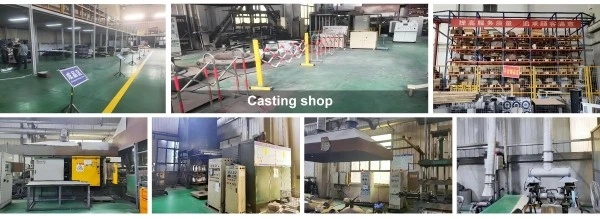
Primary Defect Categories and Root Causes
One of the most common problems with casting is porosity, which shows up as small holes in the metal structure. Gas porosity happens when hydrogen or other gases get caught during solidification, and shrinking porosity happens when the material doesn't get enough food as it cools. Porosity creation can be kept to a minimum by controlling the filling temperature, making the riser design work better, and making sure the sand is permeable enough.
Inclusions are another big problem that can happen when strange materials get stuck in the casting. Sand inclusions are usually caused by mold wear during filling, while slag inclusions happen when the metal isn't cleaned well enough or the gating system isn't designed correctly. Differences in dimensions can happen because of pattern wear, a mold that isn't closed properly, or thermal distortion during cooling cycles.
Quality Enhancement Strategies
Leading foundries use quality control methods with many levels that cover every step of the casting process. Before making a cast, the pattern is checked to make sure the dimensions are correct. Testing sand confirms its strength, permeability, and moisture content, all of which have a direct effect on the quality of the casting. To get rid of possible sources of contamination, metal preparation includes degassing processes and checking the alloy makeup.
Advanced non-destructive testing methods, such as X-rays, ultrasonics, and magnetic particle inspection, are used for post-casting inspection. These methods find problems inside parts before they get to the supply chain. This keeps end-user applications from failing. Foundries can keep production standards uniform and find ways to make things better by using statistical quality control and watching the process all the time.
Sand Casting vs Other Casting Methods: Making the Right Choice
People who make decisions about manufacturing have to look at different casting methods to find the best balance between cost, quality, and service. Each method has its own benefits that depend on the amount of parts being made, how complicated they are, and the level of accuracy needed for each commercial application.
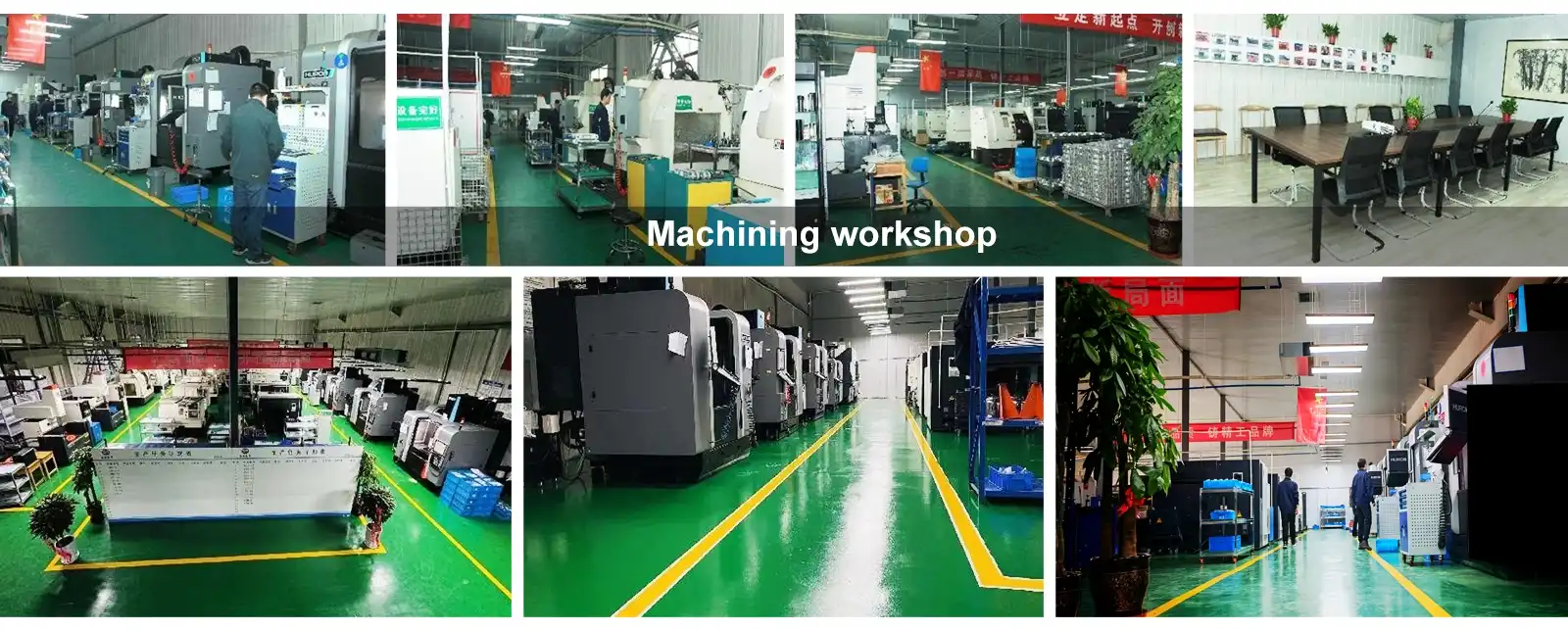
Comparative Analysis of Casting Technologies
When compared to fixed mold methods, sand casting is great for making big, complicated parts with little investment in tools. Die casting gives you a better surface finish and more accurate measurements, but it takes a lot to make the tools, so it's only worth it for large production runs. Investment casting is great for aircraft uses because it produces very precise parts with smooth surfaces. However, the cost of materials and production rates make it impractical for bigger parts.
Lead time factors have a big effect on how suppliers are chosen. Pattern creation takes less time and money than die building, so sand casting usually has faster growth cycles. This adaptability is helpful for businesses that need to make quick prototypes or make lots of design changes while a product is being developed.
Strategic Supplier Selection Criteria
Procurement workers should use thorough capability studies to judge possible foundry partners. Getting ISO 9001 certification shows that you care about quality management systems, and IATF 16949 certification talks about the needs of the automobile business. The review of production capacity looks at the tools that can be used, the size of the building, and the skills of the workers that are needed to handle the expected number of orders.
As part of evaluating a person's track record, similar projects with similar scopes, material needs, and quality standards are looked at. Customer recommendations can tell you a lot about how well you deliver, how quickly you respond to quality issues, and how well you can work with others to solve problems. A study of financial security makes sure that partnerships will last for a long time and that the supply chain will work well throughout the span of a product.
Step-by-Step Guide: How to Cast Metal in Sand
When buying teams and engineers know more about the casting process, they can better judge the skills of suppliers and find ways to make things better. Each step needs a different set of skills and investments in tools, which makes foundry processes unique.
Pattern Development and Mold Preparation
Before making a pattern, engineers make thorough sketches that include shrinkage allowances, draft angles, and machining tolerances that are unique to each metal. Pattern makers who are skilled can make exact copies out of wood, plastic, or metal, based on how many they need to make. Before mold production starts, pattern checking makes sure that the dimensions are correct and the surface is smooth.
Sand preparation includes carefully mixing silica sand with the right binding agents to get the strength and moldability you want. Green sand methods use clay and water to make things cheaply, and chemical agents improve the accuracy of measurements for precise uses. Testing the sand makes sure that its traits stay the same, like its moisture content, permeability, and compression strength, all of which have a direct effect on the quality of the casting.

Metal Processing and Pouring Operations
To make sure that the metal has the right properties, furnace operations need to precisely control the temperature and handle the alloy mixture. Induction furnaces are great for most uses because they keep the temperature even and use little energy. However, cupola furnaces are still the best choice for large-scale iron making jobs. To improve the metal's mechanical qualities, degassing processes, grain refinement, and inclusion removal are used to get ready the metal.
To do pouring processes correctly, workers need to be skilled and know how metal flows and solidifies. The right dumping temperature balances the flow of fluids needed to fill the mold completely with too much superheat, which can damage the mold or cause gas to form. Controlled filling rates stop turbulence that could trap gases or wear down mold surfaces. This makes sure that the casting surfaces are smooth and the sizes are correct.
Cooling, Shakeout, and Finishing Operations
Managing cooling has an impact on both the quality of the casting and the speed of production. Controlled cooling rates stop thermal stress from building up and help the structure of the metal grow in the best way possible. The right shakeout time combines how easy it is to remove the sand with the risk of damage to the casting from handling it too soon. Automated shakeout systems make things run more smoothly and efficiently while keeping the working conditions constant.
In the finishing process, the gate and top are taken off, the surface is cleaned, and the dimensions are checked. It may be necessary to heat treat something to get certain mechanical qualities or to ease residual stresses. The final standards for accuracy in measurements and surface finish are met by machining processes. Quality checking makes sure that products meet standards before they are sent to customers.
Conclusion
Additionally, sand casting is still an important way to make complex metal parts for many different types of industries. For uses in the automotive, building, energy, and aerospace industries, the process is essential because it is very flexible, cost-effective, and easy to create. When procurement teams are looking for trusted foundry partners, they can make better decisions when they understand the technical aspects, quality issues, and comparison benefits. To be successful, you need to choose suppliers that have the right certifications, a track record of performance, and a dedication to ongoing improvement that guarantees a valuable relationship in the long run.
Partner with Rongbao Enterprise for Superior Sand Casting Solutions
As a company with 20 years of experience in manufacturing quality and global market knowledge, Rongbao Enterprise offers a wide range of sand casting options. Pattern creation, precision casting, and value-added services like heat treatment and cutting are all things that we can do together. With ISO 9001, ISO 14001, and ISO 45001 certifications, we keep high quality standards that meet the strict needs of the automobile, building equipment, and industrial machinery industries.
Our experienced engineering team works closely with sourcing experts and design engineers to improve the efficiency of manufacturing processes and lower the overall cost of ownership. Get in touch with steve.zhou@263.net or zhouyi@rongbaocasting.com to talk about your needs and find out why top companies trust Rongbao Enterprise as their sand casting supplier.
FAQs
①What lead times should I expect for sand casting projects?
Lead times are very different depending on how complicated the job is, how big the parts are, and how much you need to make. It usually takes two to four weeks to make simple parts with existing patterns, but it could take six to twelve weeks to make complicated parts that need new patterns to be made. Because of better scheduling and specialized production lines, large production runs often have faster lead times per unit.
②How precise can sand casting achieve compared to other methods?
Dimensional accuracy in sand casting is usually within 0.5 to 3 mm, but this depends on the size and complexity of the part. While not as accurate as die casting or investment casting, new foundries that use advanced molding methods can get closer to ±0.3mm for key dimensions. Post-casting cutting gives the final touch of accuracy where it's needed.
③What certifications should I look for in foundry suppliers?
For quality management systems, ISO 9001 is an important certification. For car uses, IATF 16949 is an industry standard. Depending on your business and the end-use needs, you may need extra certificates like ISO 14001 for environmental management and AS9100 for aerospace uses.
④How can I tell if a casting provider is reliable?
A full evaluation of a provider includes looking at their ability to produce, their quality processes, their past of delivery performance, and their financial security. Site audits give a direct look at the state of tools, the rules for processes, and the skills of the workers. Customer examples can tell you a lot about how well you solve problems and how well your long-term relationship will work.
⑤What materials work best for sand casting applications?
Sand casting can be used for almost any metal that can be cast, such as aluminum alloys, gray and ductile iron, carbon and alloy steels, and different types of bronze. The choice of material is based on the needs of the application, such as strength, resistance to rust, weight, and the unique cost limits of each project.
References
- Campbell, John. "Complete Casting Handbook: Metal Casting Processes, Metallurgy, Techniques and Design." Butterworth-Heinemann, 2015.
- Brown, John R. "Foseco Foundryman's Handbook: Facts, Figures and Formulae." Elsevier Science & Technology, 2000.
- Beeley, Peter. "Foundry Technology." Newnes Technical Books, 2001.
- ASM International Handbook Committee. "ASM Handbook Volume 15: Casting." ASM International, 2008.
- Stefanescu, Doru Michael. "Science and Engineering of Casting Solidification." Springer International Publishing, 2015.
- Green, Nicholas R. "Sand Casting: Fundamentals and Practice for the Modern Foundry." American Foundry Society, 2019.
Learn about our latest products and discounts through SMS or email