- English
- French
- German
- Portuguese
- Spanish
- Russian
- Japanese
- Korean
- Arabic
- Greek
- German
- Turkish
- Italian
- Danish
- Romanian
- Indonesian
- Czech
- Afrikaans
- Swedish
- Polish
- Basque
- Catalan
- Esperanto
- Hindi
- Lao
- Albanian
- Amharic
- Armenian
- Azerbaijani
- Belarusian
- Bengali
- Bosnian
- Bulgarian
- Cebuano
- Chichewa
- Corsican
- Croatian
- Dutch
- Estonian
- Filipino
- Finnish
- Frisian
- Galician
- Georgian
- Gujarati
- Haitian
- Hausa
- Hawaiian
- Hebrew
- Hmong
- Hungarian
- Icelandic
- Igbo
- Javanese
- Kannada
- Kazakh
- Khmer
- Kurdish
- Kyrgyz
- Latin
- Latvian
- Lithuanian
- Luxembou..
- Macedonian
- Malagasy
- Malay
- Malayalam
- Maltese
- Maori
- Marathi
- Mongolian
- Burmese
- Nepali
- Norwegian
- Pashto
- Persian
- Punjabi
- Serbian
- Sesotho
- Sinhala
- Slovak
- Slovenian
- Somali
- Samoan
- Scots Gaelic
- Shona
- Sindhi
- Sundanese
- Swahili
- Tajik
- Tamil
- Telugu
- Thai
- Ukrainian
- Urdu
- Uzbek
- Vietnamese
- Welsh
- Xhosa
- Yiddish
- Yoruba
- Zulu
How to cast a motor cover?
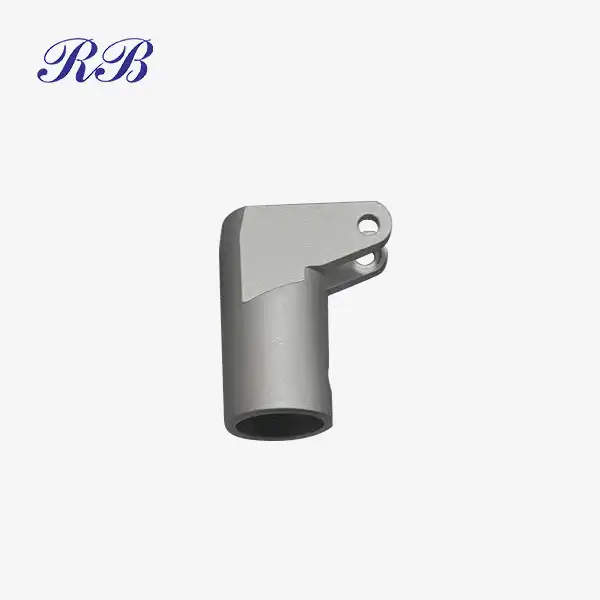
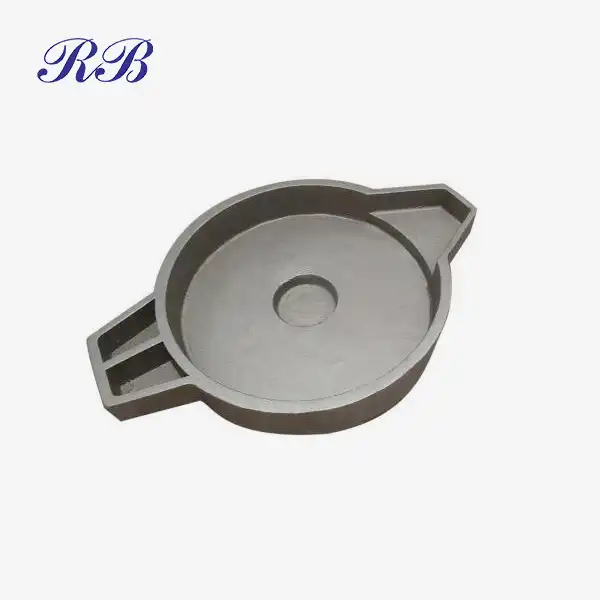
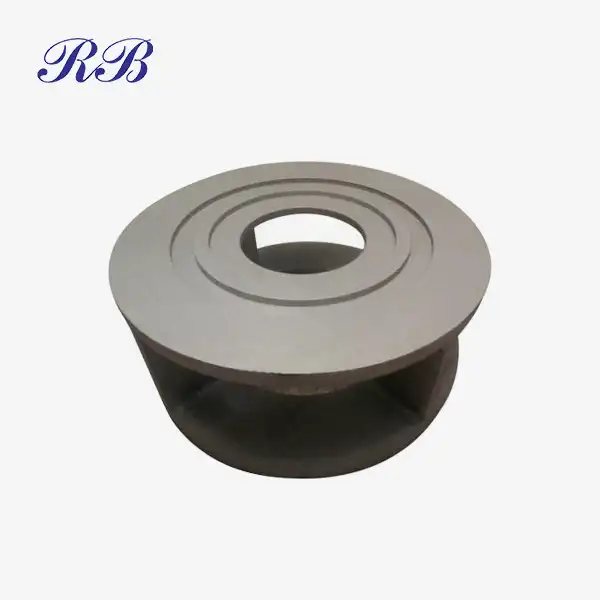
Motor covers play a crucial role in protecting and housing vital components in various industries, from automotive and aerospace to medical equipment and electronics. As demand for high-quality, cost-effective motor covers grows, manufacturers are constantly seeking ways to optimize the casting process. In this comprehensive guide, we'll explore the materials, processes, core functions, and quality assurance measures involved in casting motor covers, with a focus on high-pressure die casting techniques.
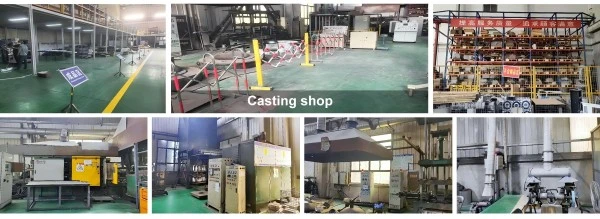
Material and Process
The selection of appropriate materials and processes is fundamental to producing high-quality motor covers that meet the stringent requirements of various industries. Let's delve into the specifics of materials and the high-pressure die casting process commonly used for motor cover production.
Material Selection
When it comes to motor cover casings, aluminum alloys are the material of choice due to their excellent balance of strength, weight, and thermal properties. One particularly popular alloy is A380, which offers:
- High strength-to-weight ratio
- Excellent castability
- Good corrosion resistance
- Thermal conductivity
- Machinability
The A380 aluminum alloy is well-suited for high-pressure die casting, making it an ideal choice for motor cover applications. Its properties allow for the production of thin-walled, complex geometries while maintaining structural integrity.
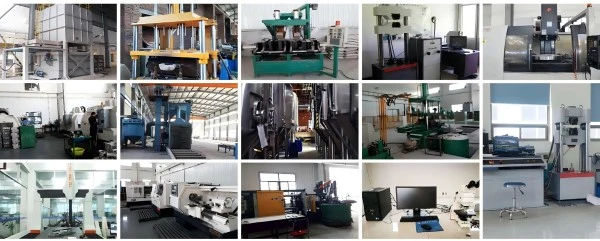
High-Pressure Die Casting Process
High-pressure die casting (HPDC) is the preferred method for producing motor covers due to its ability to create complex shapes with high dimensional accuracy and smooth surface finishes. The process involves injecting molten metal into a steel mold under high pressure. Here's a step-by-step breakdown of the HPDC process:
- Mold preparation: The steel mold is cleaned, lubricated, and preheated to ensure optimal casting conditions.
- Metal melting: Aluminum alloy is melted in a furnace and maintained at the appropriate temperature.
- Injection: Molten aluminum is rapidly injected into the mold cavity under high pressure (typically 5,000 to 20,000 psi).
- Solidification: The metal solidifies quickly due to the cooled mold walls, forming the motor cover shape.
- Ejection: Once solidified, the part is ejected from the mold using ejector pins.
- Trimming and finishing: Excess material (flash) is removed, and the part undergoes any necessary finishing operations.
This process allows for the production of motor covers with weights ranging from 0.3 to 0.8 kg, as seen in the specifications of products from companies like Rongbao Enterprise.
Core Function
Understanding the core functions of motor covers is essential for both manufacturers and end-users. These components serve several critical purposes in various applications:
Protection
The primary function of a motor cover is to protect the internal components of the motor from external elements. This includes:
- Shielding against dust, debris, and moisture
- Preventing accidental contact with moving parts
- Providing a barrier against electromagnetic interference (EMI)
In industries such as automotive and aerospace, where motors are exposed to harsh environments, the protective function of motor covers is paramount.
Thermal Management
Motor covers play a crucial role in managing heat generated during motor operation. The thermal properties of aluminum alloys like A380 allow for efficient heat dissipation, which is essential for:
- Maintaining optimal motor performance
- Extending the lifespan of motor components
- Ensuring safe operation in various environmental conditions
Proper thermal management is particularly important in applications where motors operate continuously or under high loads.
Structural Support
In addition to protection and thermal management, motor casing covers provide structural support to the overall motor assembly. This includes:
- Maintaining proper alignment of internal components
- Contributing to the overall rigidity of the motor assembly
- Reducing vibration and noise during operation
The structural integrity provided by well-designed motor covers is crucial for ensuring long-term reliability and performance across various applications.

Customization and Quality Assurance
To meet the diverse needs of industries such as automotive, aerospace, medical equipment, and electronics, motor cover manufacturers must offer customization options while maintaining strict quality assurance measures.
Customization Options
Leading manufacturers like Rongbao Enterprise offer OEM/ODM services to tailor motor covers to specific client requirements. Customization options may include:
- Dimensions and geometry based on client drawings or samples
- Specific alloy compositions for unique performance characteristics
- Surface treatments such as anodizing for enhanced corrosion resistance and aesthetics
- Integration of mounting points or additional features
This flexibility allows manufacturers to address the unique needs of different industries and applications, ensuring that motor covers meet the exact specifications required.
Quality Assurance Measures
Maintaining consistent quality is crucial in the production of motor covers. To achieve this, manufacturers implement various quality assurance measures:
- Certification compliance: Adherence to standards such as ISO9001:2015, ISO14001, and ISO45001 ensures consistent quality and environmental responsibility.
- Material testing: Regular testing of incoming aluminum alloy ensures consistency in composition and properties.
- Process control: Monitoring and control of casting parameters such as temperature, pressure, and cycle time to maintain consistency.
- Dimensional inspection: Use of precision measurement tools to verify adherence to specified dimensions and tolerances.
- Non-destructive testing: Techniques such as X-ray inspection or dye penetrant testing to detect internal defects or surface imperfections.
- Functional testing: Verification of thermal properties, structural integrity, and other performance characteristics as required by the application.
These quality assurance measures help manufacturers like Rongbao Enterprise maintain a stable monthly output of up to 10,000 pieces while ensuring each motor cover casing meets the highest standards of quality and performance.
Post-Casting Operations
To achieve the final desired properties and appearance, motor covers often undergo additional processing after casting:
- CNC machining: Precision machining ensures critical dimensions and features meet exact specifications.
- Surface treatment: Anodizing or other surface treatments enhance corrosion resistance and aesthetic appeal.
- Assembly: Integration of additional components or preparation for final assembly in the end product.
These post-casting operations add value to the motor covers and ensure they are ready for immediate use in various applications.
Contact Information
Casting high-quality motor covers requires a deep understanding of materials, processes, and quality assurance measures. By leveraging advanced high-pressure die casting techniques and offering customization options, manufacturers can produce motor covers that meet the diverse needs of industries ranging from automotive and aerospace to medical equipment and electronics.
As technology continues to advance, the demand for sophisticated motor covers will only increase. Manufacturers who can adapt to these evolving needs while maintaining strict quality standards will be well-positioned to succeed in this competitive market.
For more information on high-quality motor cover casings and high-pressure die casting services, contact Rongbao Enterprise at zhouyi@rongbaocasting.com or steve.zhou@263.net. Their expertise in producing motor covers with precision and reliability makes them a valuable partner for businesses seeking top-tier components for their products.
References
- ASM International. (2008). Casting Design and Performance. ASM International.
- Campbell, J. (2015). Complete Casting Handbook: Metal Casting Processes, Metallurgy, Techniques and Design. Butterworth-Heinemann.
- Davis, J. R. (Ed.). (1993). Aluminum and Aluminum Alloys. ASM International.
- Luo, A. A. (2013). Magnesium casting technology for structural applications. Journal of Magnesium and Alloys, 1(1), 2-22.
- Vinarcik, E. J. (2003). High Integrity Die Casting Processes. John Wiley & Sons.
Learn about our latest products and discounts through SMS or email