- English
- French
- German
- Portuguese
- Spanish
- Russian
- Japanese
- Korean
- Arabic
- Greek
- German
- Turkish
- Italian
- Danish
- Romanian
- Indonesian
- Czech
- Afrikaans
- Swedish
- Polish
- Basque
- Catalan
- Esperanto
- Hindi
- Lao
- Albanian
- Amharic
- Armenian
- Azerbaijani
- Belarusian
- Bengali
- Bosnian
- Bulgarian
- Cebuano
- Chichewa
- Corsican
- Croatian
- Dutch
- Estonian
- Filipino
- Finnish
- Frisian
- Galician
- Georgian
- Gujarati
- Haitian
- Hausa
- Hawaiian
- Hebrew
- Hmong
- Hungarian
- Icelandic
- Igbo
- Javanese
- Kannada
- Kazakh
- Khmer
- Kurdish
- Kyrgyz
- Latin
- Latvian
- Lithuanian
- Luxembou..
- Macedonian
- Malagasy
- Malay
- Malayalam
- Maltese
- Maori
- Marathi
- Mongolian
- Burmese
- Nepali
- Norwegian
- Pashto
- Persian
- Punjabi
- Serbian
- Sesotho
- Sinhala
- Slovak
- Slovenian
- Somali
- Samoan
- Scots Gaelic
- Shona
- Sindhi
- Sundanese
- Swahili
- Tajik
- Tamil
- Telugu
- Thai
- Ukrainian
- Urdu
- Uzbek
- Vietnamese
- Welsh
- Xhosa
- Yiddish
- Yoruba
- Zulu
What is low pressure casting?
In the world of manufacturing, particularly in industries such as automotive, aerospace, medical equipment, and electrical and electronic production, precision and efficiency are paramount. One method that has gained significant traction in these sectors is low pressure casting. This innovative technique offers a blend of quality, cost-effectiveness, and versatility that makes it an attractive option for many manufacturers. In this comprehensive guide, we'll delve into the intricacies of low pressure casting, exploring its process, core principles, and typical applications.
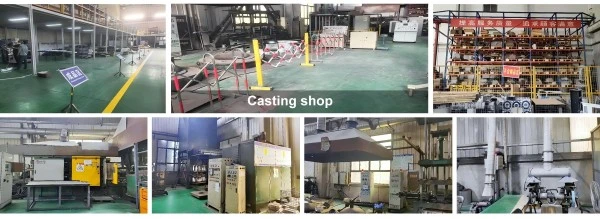
Metal Casting Process
Low pressure casting, also known as low pressure die casting, is a metal forming process that combines elements of both gravity casting and pressure die casting. This method is particularly well-suited for producing high-quality, complex parts with thin walls and precise dimensions.
The process begins with the preparation of the metal, typically an aluminum alloy, which is melted in a furnace. The molten metal is then transferred to a sealed pressure vessel located beneath the die. This vessel is connected to the die cavity by a feed tube, often referred to as a riser tube or stalk.
Once the system is ready, low pressure (typically between 0.3 to 1.5 bar) is applied to the surface of the molten metal in the pressure vessel. This pressure forces the metal to rise through the feed tube and into the die cavity. The pressure is maintained until the casting solidifies, ensuring that the metal fills all the intricate details of the mold.
After solidification, the pressure is released, and any excess metal flows back into the pressure vessel. This feature of low pressure casting contributes to its high material efficiency, as there's minimal waste compared to other casting methods. The die is then opened, and the solidified part is removed.
One of the key advantages of low pressure casting is the controlled fill rate. The slow, bottom-up filling of the die cavity results in a laminar flow of metal, reducing turbulence and minimizing the formation of oxides and gas entrapment. This leads to castings with excellent mechanical properties and a fine microstructure.
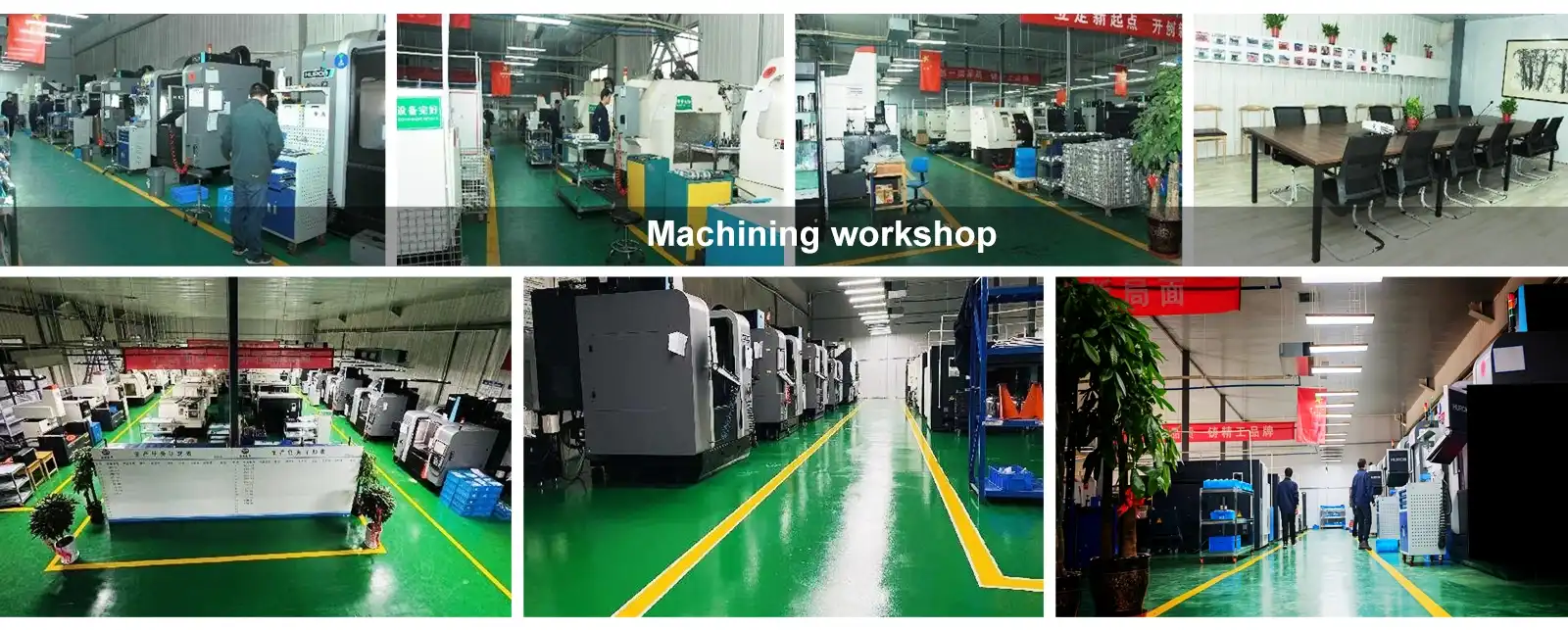
Core Principle
The core principle behind low pressure die casting lies in its unique approach to metal filling and solidification. Unlike high pressure die casting, which relies on high velocities and pressures to fill the die rapidly, low pressure casting takes a more measured approach.
The fundamental concept is based on Pascal's principle, which states that pressure applied to a confined fluid is transmitted equally in all directions. In the context of low pressure casting, this principle is applied to the molten metal in the pressure vessel.
When pressure is applied to the surface of the molten metal, it creates a uniform force throughout the liquid. This force drives the metal upwards through the feed tube and into the die cavity. The pressure is carefully controlled to ensure a steady, even flow of metal into the mold.
This controlled filling process offers several advantages:
- Reduced Turbulence: The slow, steady fill minimizes turbulence in the metal flow, reducing the likelihood of oxide formation and gas entrapment.
- Directional Solidification: The bottom-up filling allows for directional solidification, with the last area to fill (typically the riser) being the last to solidify. This helps in feeding shrinkage and reducing porosity.
- Improved Yield: The ability to precisely control the amount of metal entering the die results in less excess material, improving the overall yield of the process.
- Enhanced Quality: The combination of reduced turbulence and directional solidification leads to castings with improved mechanical properties and fewer defects.
Another crucial aspect of the low pressure casting principle is the maintenance of pressure during solidification. This continued pressure helps to feed any shrinkage that occurs as the metal cools and solidifies, resulting in denser, higher quality castings.

Typical Applications
Low pressure die casting has found widespread use across various industries due to its ability to produce high-quality, complex parts with excellent surface finish and mechanical properties. Here are some of the typical applications:
- Automotive Industry: Low pressure casting is extensively used in the production of automotive components. Some common applications include:
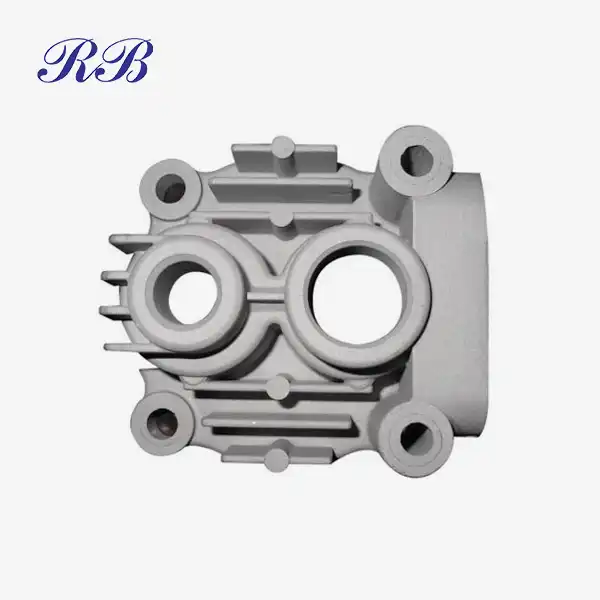
- Cylinder heads
- Engine blocks
- Intake manifolds
- Wheel rims
- Suspension components
- Aerospace Industry: The aerospace sector benefits from the high precision and quality of low pressure castings. Applications include:
- Turbine blades
- Structural components
- Fuel system parts
- Medical Equipment: The medical industry requires components with high precision and cleanliness. Low pressure casting is used for:
- Surgical instrument components
- Imaging equipment parts
- Prosthetic components
- Electrical and Electronic Industry: This sector utilizes low pressure casting for:
- Heat sinks
- LED lighting housings
- Electronic enclosures
The versatility of low pressure casting makes it an ideal choice for manufacturers across these industries who require components with complex geometries, thin walls, and high dimensional accuracy. The process is particularly well-suited for medium to large production runs, offering a balance between the high volumes possible with high pressure die casting and the flexibility of gravity casting.
At Rongbao Enterprise, we specialize in delivering high-quality aluminum alloy components through advanced production methods, including low pressure die casting. Founded in 2003, our company has established itself as a leader in the field, providing integrated component supply solutions for equipment manufacturers across various industries.
Our commitment to quality is evidenced by our certifications in Quality Management System (ISO 9001:2016), Environmental Management System (ISO 14001), and Occupational Health and Safety Management System (ISO 45001). We pride ourselves on our ability to meet the diverse needs of our customers, from reasonable cost control and stable delivery to controllable product quality and excellent after-sales service.
In conclusion, low pressure casting represents a significant advancement in metal forming technology. Its unique process, based on core principles of controlled filling and solidification, enables the production of high-quality, complex parts that meet the exacting standards of industries such as automotive, aerospace, medical equipment, and electronics manufacturing. As technology continues to evolve, we can expect to see even more innovative applications of this versatile casting method.
For more information about our low pressure casting services and how we can meet your manufacturing needs, please don't hesitate to contact us at zhouyi@rongbaocasting.com or steve.zhou@263.net. Our team of experts is ready to assist you in finding the perfect casting solution for your project.
References
- Campbell, J. (2015). Complete Casting Handbook: Metal Casting Processes, Techniques and Design. Butterworth-Heinemann.
- ASM International. (2008). ASM Handbook, Volume 15: Casting. ASM International.
- Bonollo, F., & Gramegna, N. (2015). The MUSIC guide to low-pressure casting of aluminium alloys. La Metallurgia Italiana, 107(5), 47-54.
- Brown, J. R. (1999). Foseco Non-Ferrous Foundryman's Handbook. Butterworth-Heinemann.
- Kaufman, J. G., & Rooy, E. L. (2004). Aluminum Alloy Castings: Properties, Processes, and Applications. ASM International.
Learn about our latest products and discounts through SMS or email