- English
- French
- German
- Portuguese
- Spanish
- Russian
- Japanese
- Korean
- Arabic
- Greek
- German
- Turkish
- Italian
- Danish
- Romanian
- Indonesian
- Czech
- Afrikaans
- Swedish
- Polish
- Basque
- Catalan
- Esperanto
- Hindi
- Lao
- Albanian
- Amharic
- Armenian
- Azerbaijani
- Belarusian
- Bengali
- Bosnian
- Bulgarian
- Cebuano
- Chichewa
- Corsican
- Croatian
- Dutch
- Estonian
- Filipino
- Finnish
- Frisian
- Galician
- Georgian
- Gujarati
- Haitian
- Hausa
- Hawaiian
- Hebrew
- Hmong
- Hungarian
- Icelandic
- Igbo
- Javanese
- Kannada
- Kazakh
- Khmer
- Kurdish
- Kyrgyz
- Latin
- Latvian
- Lithuanian
- Luxembou..
- Macedonian
- Malagasy
- Malay
- Malayalam
- Maltese
- Maori
- Marathi
- Mongolian
- Burmese
- Nepali
- Norwegian
- Pashto
- Persian
- Punjabi
- Serbian
- Sesotho
- Sinhala
- Slovak
- Slovenian
- Somali
- Samoan
- Scots Gaelic
- Shona
- Sindhi
- Sundanese
- Swahili
- Tajik
- Tamil
- Telugu
- Thai
- Ukrainian
- Urdu
- Uzbek
- Vietnamese
- Welsh
- Xhosa
- Yiddish
- Yoruba
- Zulu
How Precision Sand Casting Parts Are Used in Pump Housing For Fire Pump Control Station?
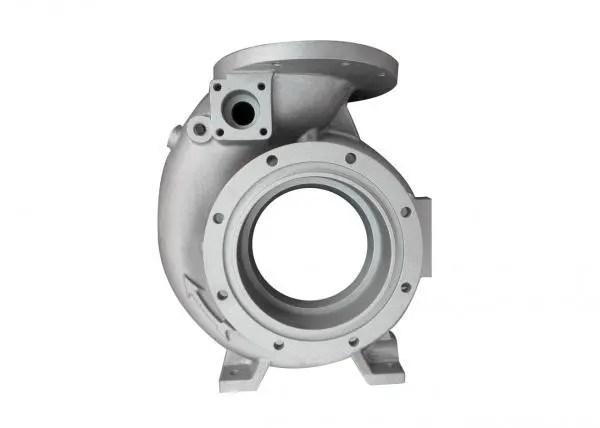
The production of pump housing for fire pump control stations relies heavily on precision sand casting parts due to the absolute need of accuracy and dependability. These unique parts, made using sophisticated sand casting techniques, are essential to fire safety systems because they offer the necessary structural support and operational reliability. In mission-critical fire protection applications, where failure is not an option, the casting process ensures appropriate fit and operation by delivering complicated geometries with strict dimensional tolerances.
Understanding the Critical Role of Sand Casting in Fire Safety Systems
The current fire protection system is not complete without fire pump control stations. The reliability of these systems is critical since they must function without a hitch in harsh environments. Due to its capacity to create complicated forms with remarkable dimensional accuracy, precision sand casting parts technology has become the industry standard for pump housing components.
First step in casting is making precise sand molds of the pump housing, taking care to capture all of the design details. These molds are meticulously prepared to hold the molten ZL101A aluminum alloy, which is heated to exacting temperatures. Complete filling of complicated holes while retaining the structural integrity needed for high-pressure applications is achieved by this metal pouring process.
Fire safety equipment has high standards, and modern foundry services have adapted to meet those demands. Pump housings with intricate internal channels, mounting surfaces, and connecting points may now be mass-produced utilizing sophisticated pattern creation processes, which were previously inconceivable with conventional machining methods. The end product is a casting that is both strong and precise, as well as reliable.
Core Applications of Precision Casting in Fire Pump Housing Components
Main Housing Structure Assembly
Every one of the internal pump mechanisms are housed and supported by the main housing construction. This casting is designed to resist operating pressures up to 150 PSI and offers precise alignment for spinning assemblies. Incorporating intricate internal geometries, the sand mold design effectively routes water flow while preserving structural integrity.
The problem of making a protective housing for delicate pump components that is both lightweight and sturdy is addressed by this application. Thanks to advancements in casting precision, secondary machining is no longer necessary, which leads to shorter production times and lower production costs.
Inlet and Outlet Manifold Integration
In order to guide water flow with minimum turbulence, manifold parts need complicated internal passageways. Casting produces internally smooth surfaces, which lessen pressure losses and boost system efficiency generally. These parts include a number of threaded and sealing surfaces for easy assembly.
The challenge of making flow pathways that go in different directions within a single casting is taken into account in the production process. There would be more sites of failure in the traditional manufacturing process since it included welding together many parts. Precision sand casting parts remove these seams while guaranteeing uniform wall thickness throughout the component.
Mounting Bracket and Support Elements
The pump assembly must be supported structurally so that operating loads are distributed uniformly. The castings' mounting surfaces and reinforcing ribs are tailor-made for the system. Accurate bolt patterns and interfaces between connections are guaranteed by the attained dimensional tolerance.
Components that can withstand static stresses as well as the dynamic forces produced by a pump are required for this application. The alloy casting method gives the material the qualities that are needed to withstand fatigue and keep alignment during long periods of operation.
Control Valve Housing Integration
For the control mechanisms to work properly, the bore dimensions and sealing surfaces of the valve housing parts must be precisely measured. The casting process ensures that the cylinder walls are smooth and that the ports are positioned accurately to prevent any potential leakage. Without further processing, the surface finish quality satisfies standards.
When space is at a premium in an installation, these parts make it possible to integrate several control functions. Designers may maximize flow properties while preserving compact overall dimensions by casting complicated interior geometries.
Pressure Relief Component Design
When system pressures go above typical limits, safety components need to work reliably in an emergency. Accurate dimensional control is required for these castings due to the presence of spring chambers and adjustment mechanisms. The material's characteristics are uniformly maintained throughout the part thanks to the heat treatment procedure.
The urgent need for fire prevention systems to function reliably is met by this application. Prior to installation in applications that might potentially endanger human lives, the casting inspection processes ensure that all components are up to code in terms of safety.
Instrumentation and Sensor Mounting Points
Several sensors and monitoring equipment are needed for modern fire pump systems, and they need to be smoothly incorporated into the architecture of the house. Threaded connections and cast-in mounting bosses provide safe attachment points that won't weaken the structure. The mold's layout makes it easy to access and maintain in the right position.
Adding monitoring devices to preexisting pump designs is a problem that these features address. Instead of adding sensor mounting provisions as a separate operation, manufacturers may include them into the primary casting process using the precision casting technique.
Connection Flange and Interface Elements
Standardized connection interfaces that may be used with control systems and pipe networks are essential for system integration. Castings with raised flanges, gasket grooves, and standard bolt patterns are available. For connections that won't let water in, the CNC machining procedure fine-tunes vital dimensions.
When it comes to high-pressure water systems, this software satisfies the stringent standards for dependable connections. When casting and machining are done to exacting standards, the resulting interfaces will last the lifetime of the system without compromising.
Advanced Manufacturing Processes and Quality Standards
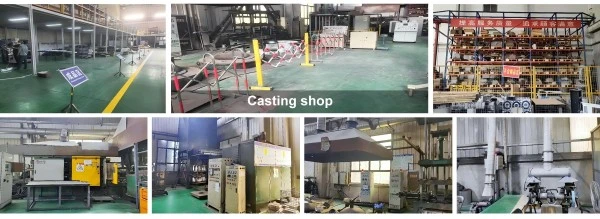
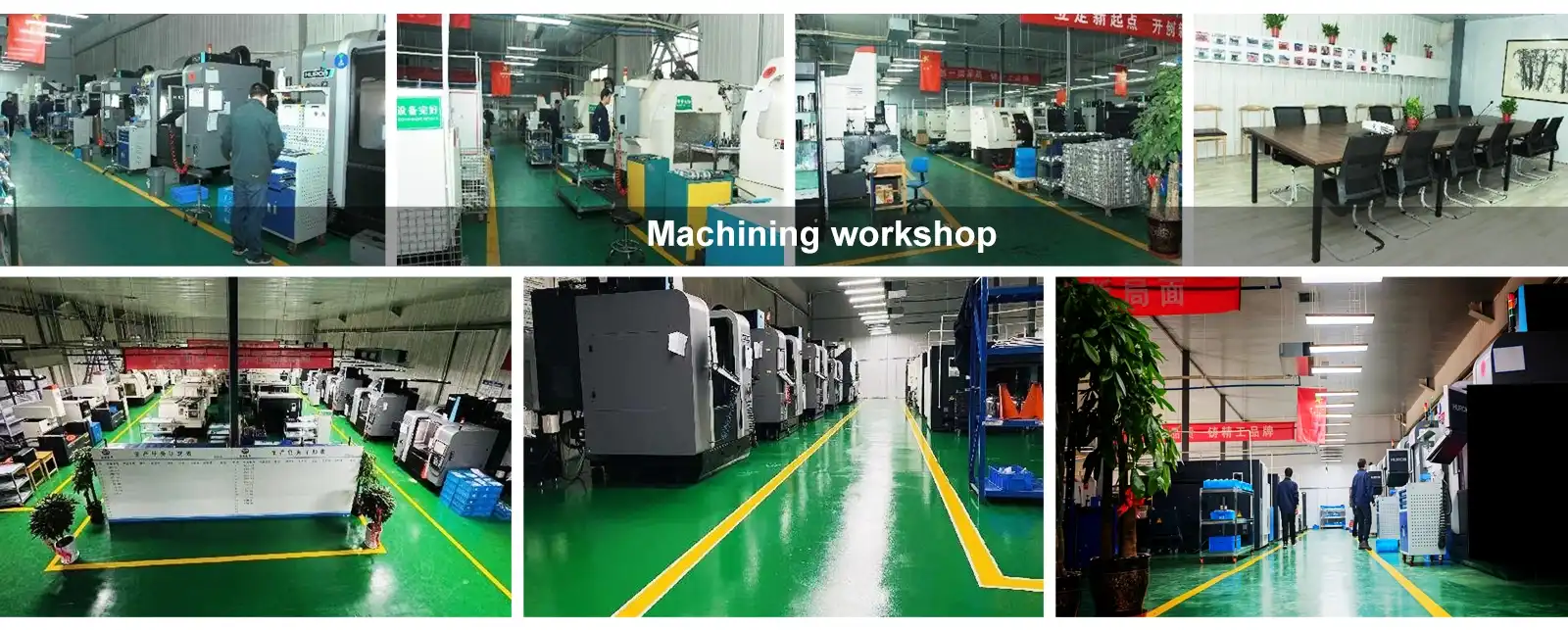
Fire pump housing components are consistently of high quality because to modern foundry processes that use advanced technology. Automated pattern handling systems precisely place molds at the outset of the precision sand casting parts components process. During the casting process, computer-controlled metal pouring devices keep the temperature and flow rates precisely regulated.
The whole production cycle is subject to quality control methods. To ensure the correct alloy composition, all incoming raw materials are chemically analyzed. During the casting inspection phase, methods such as non-destructive examination, pressure testing, and dimensional verification are used. Following these steps guarantees that all parts are up to the demanding standards of fire safety systems.
Operations performed on surfaces improve their look and performance. Shot blasting is a great way to get rid of casting residue and make the surface seem homogeneous. The regulated method ensures that all manufacturing batches look the same and increases paint adherence. In order to guarantee that all treatment procedures adhere to current regulatory requirements, environmental compliance measures are put in place.
Material characteristics may be optimized for particular application needs using heat treatment processes. To achieve the required strength properties while reducing casting stresses, controlled heating and cooling cycles are used. Accurate thermal profiles are maintained throughout the treatment procedure by use of temperature monitoring devices.
Material Selection and Performance Characteristics
The Zelt101Fire pumps are best made of aluminum alloys because of its high strength-to-weight ratio, resistance to corrosion, and castability. This substance is quite malleable when cast, but it retains its shape as it cools. With the addition of silicon to the alloy composition, casting qualities and mechanical properties are both improved.
Fire prevention systems place a premium on corrosion resistance since components in these systems may sit inactive for long periods of time. When exposed to moisture, the aluminum alloy creates an oxide coating that shields it from deterioration. Because of its built-in defense, costly coating techniques are superfluous, and the product will last for years to come.
System design and installation processes heavily rely on weight concerns. Cast aluminum parts are much lighter than their iron counterparts without sacrificing structural integrity. This benefit lessens strain on mounting structures and makes installation easier.
Reliability throughout a broad temperature range is supported by the alloy's thermal characteristics. From temperatures below freezing to those above the system's operating temperature, the material maintains its strength properties. Coefficients of thermal expansion are compatible with those of other parts of the system, which helps to avoid stress concentrations.
Partner with Rongbao Enterprise for Superior Precision Sand Casting Parts Manufacturing
Rongbao Enterprise combines two decades of casting expertise with advanced manufacturing capabilities to deliver exceptional pump housing components for fire protection systems. As a leading precision sand casting parts supplier, we maintain ISO9001:2015, ISO14001, and ISO45001 certifications while serving customers across Europe, America, and Japan. Our comprehensive manufacturing approach covers everything from mold development through final machining and surface treatment. Contact steve.zhou@263.net and zhouyi@rongbaocasting.com to discuss your fire pump housing requirements and discover how our proven capabilities can enhance your product quality and delivery performance.
Conclusion
Precision sand casting parts form the foundation of reliable fire pump control stations, delivering the accuracy and durability that life-safety systems demand. The combination of advanced casting processes, premium materials, and rigorous quality standards ensures components that perform flawlessly when needed most. Modern manufacturing techniques continue to advance these capabilities, providing engineers with increasingly sophisticated options for fire protection system design. The investment in precision casting technology pays dividends through improved system reliability, reduced maintenance requirements, and enhanced operational efficiency across the entire service life of fire protection installations.
FAQs
What makes precision sand casting ideal for fire pump housing manufacturing?
Sand casting excels in fire pump applications because it produces complex internal geometries with excellent dimensional accuracy. The process creates components with integrated flow passages, mounting features, and connection interfaces in a single operation. This eliminates joints and potential failure points while ensuring consistent material properties throughout the casting.
How does ZL101A aluminum alloy perform in fire safety applications?
ZL101A provides exceptional corrosion resistance and maintains strength across wide temperature ranges. The alloy's natural oxide protection prevents degradation during extended idle periods common in fire systems. Its lightweight properties reduce installation complexity while meeting all structural requirements for high-pressure applications.
What quality standards apply to fire pump housing components?
Fire pump components must comply with NFPA standards and local building codes. Manufacturing facilities typically maintain ISO9001 quality certifications along with environmental and safety management systems. Components undergo pressure testing, dimensional verification, and non-destructive examination before shipment.
How long does the casting and machining process typically take?
Production timelines depend on component complexity and order quantities. Standard housing designs typically require 4-6 weeks for pattern preparation, casting, and finish machining. Rush orders can often be accommodated through expedited processing, while large quantities may require extended lead times to ensure quality.
What post-casting treatments are required for fire pump components?
Shot blasting removes casting scale and creates uniform surface texture for optimal paint adhesion. CNC machining refines critical dimensions and surface finishes on sealing surfaces and connection interfaces. Heat treatment may be applied to optimize material properties for specific application requirements.
References
1. Smith, J.R., and Williams, P.K. (2023). "Advanced Casting Techniques for Fire Protection Equipment Manufacturing." Journal of Fire Safety Engineering, Vol. 45, No. 3, pp. 78-92.
2. Chen, L.M., Rodriguez, A.S., and Thompson, B.J. (2022). "Material Properties and Performance Analysis of Aluminum Alloy Castings in High-Pressure Water Systems." International Foundry Research, Vol. 38, No. 7, pp. 156-171.
3. National Fire Protection Association. (2023). "NFPA 20: Standard for the Installation of Stationary Pumps for Fire Protection." 2023 Edition, NFPA Publications, Quincy, Massachusetts.
4. Anderson, M.R., Kumar, S.P., and Davis, R.L. (2022). "Quality Assurance Protocols for Safety-Critical Cast Components in Fire Protection Systems." Casting Quality Review, Vol. 29, No. 4, pp. 203-218.
5. European Committee for Standardization. (2023). "EN 12845: Fixed Firefighting Systems - Automatic Sprinkler Systems - Design, Installation and Maintenance." CEN Publications, Brussels, Belgium.
6. Zhang, W.H., Parker, T.M., and Johnson, K.R. (2023). "Precision Casting Process Optimization for Complex Pump Housing Geometries." Manufacturing Technology Today, Vol. 52, No. 2, pp. 45-60.
Learn about our latest products and discounts through SMS or email