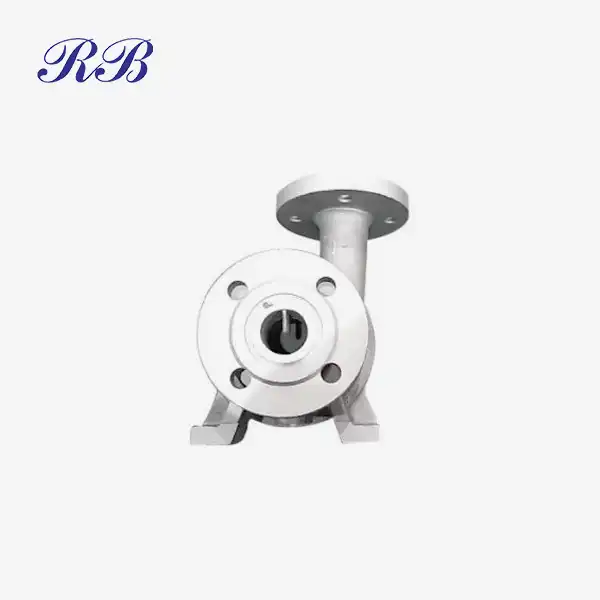
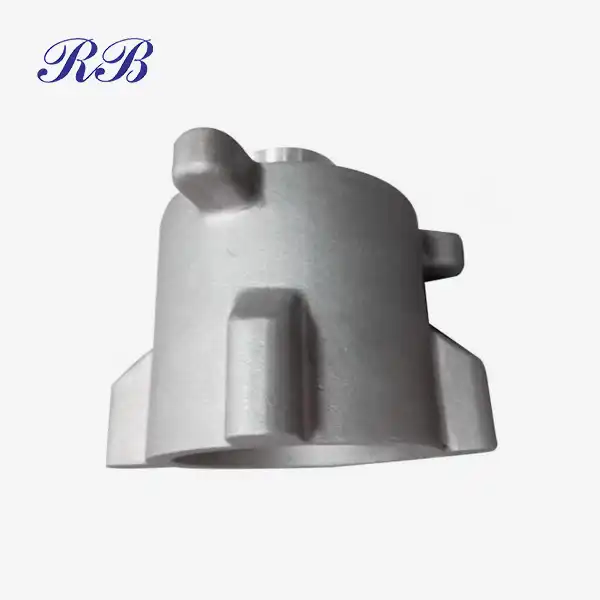
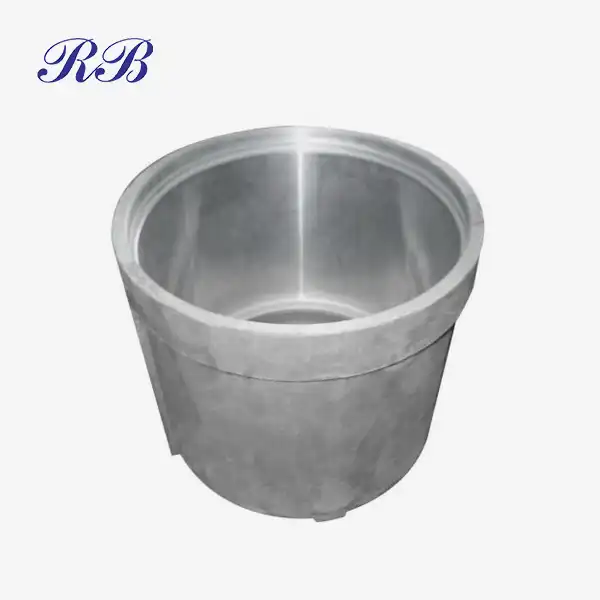
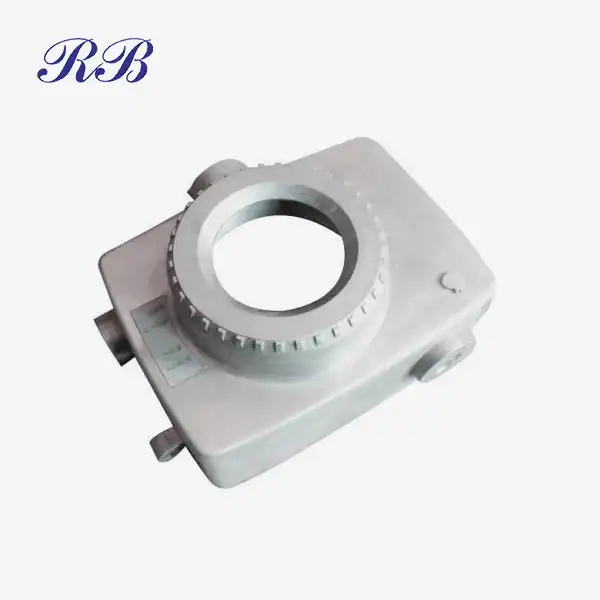
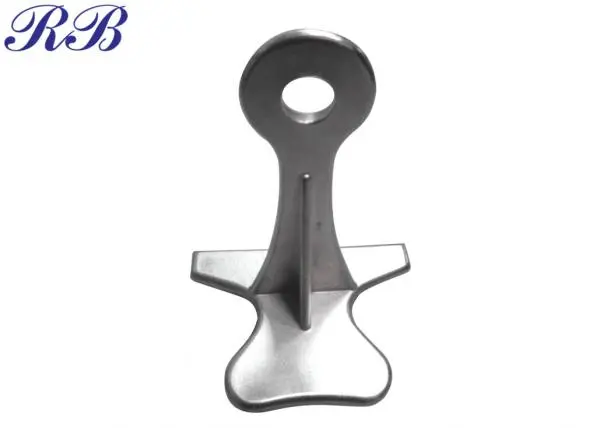
Custom casting brackets usually cost between $8 and $45 each, but this depends on how complicated they are, what materials are used, and how many are ordered. The wide range of prices for casting bracket solutions is due to different levels of customization, stainless steel grade choices, and the level of precision needed.
Prices For Casting Brackets Change
Over the past year, there have been big changes in the pricing structures of the global casting bracket market. Manufacturing costs have changed because of changes in the prices of raw materials, the cost of energy, and problems in the supply chains that affect foundries around the world. When industrial buyers need to find custom brackets for use in structures, cars, boats, and machinery, they have to make a lot of choices.
The current state of the market and how demand is changing
The need for precision-cast mounting solutions in manufacturing keeps growing in many areas. For vehicle assemblies, automakers need bracket parts that are both light and strong. Marine equipment makers are looking for types of stainless steel that don't rust in harsh maritime environments. When used in industrial machinery, high-strength brackets that can hold heavy loads while keeping their dimensions are needed.
Regional hubs for manufacturing have changed how they make things to meet changing quality standards. Manufacturers can now make complex shapes with tighter tolerances thanks to improvements in casting techniques. As foundries invest in better tools and training for their workers, this new technology changes how prices are set.
Effects of Trade Policy on Bracket Production
International trade policies affect where to get materials and how much a finished product costs. Tariff changes on steel imports affect how much foundries have to pay for raw materials. Changes in the value of the dollar affect transactions between manufacturers and buyers in other countries. When planning long-term sourcing strategies, procurement teams need to think about how these factors affect prices because they cause them to change.
Full Analysis of Prices Broken Down
Structures for Factory Prices (FOB/CIF Terms)
Standard casting brackets cost between $8 and $28 per piece FOB, which does not include the cost of shipping and insurance. High-end brackets that are precisely machined and have special surface treatments cost $25 to $45 each. Depending on the country of destination and the shipping method chosen, CIF pricing adds about 12 to 18% to FOB prices.
When compared to carbon steel options, the choice of stainless steel 304 material has a big effect on base pricing. For marine and food-grade uses, the 25–35% premium is worth it because of the better resistance to corrosion and mechanical properties. Surface treatments like shot blasting cost an extra $1.50 to $3.00 per piece.
Minimum order quantities and discounts for large orders
For custom bracket projects, most foundries set MOQs of 500 to 1000 pieces. Volume discounts usually start at 2000 pieces and offer price cuts of 8–12%. Orders of more than 5,000 units can save between 15% and 20% by planning production better and using materials more efficiently.
Even though it costs an extra $2 to $4 per piece, shipping things internationally in a wooden box keeps them safe. Costs go up by 20 to 35 percent when CNC machining is needed, depending on the tolerances and surface finish needs. When compared to traditional sand casting methods, precision casting processes produce more accurate measurements.
Extra Cost Factors to Think About
Import taxes range from 3 to 15% of the value of the goods being sent, depending on the country where they are going. Logistics costs depend on the shipping method chosen. For standard delivery times, sea freight costs between $0.80 and $1.20 per kilogram. Express air freight raises the cost of shipping to $8 to $12 per kilogram, but it cuts lead times by a large amount.
Product classification codes and country-of-origin determinations are used to figure out customs duties. Port handling fees, paperwork processing fees, and inspection fees that add up to 2 to 5 percent of the value of the shipment may be hidden. Currency hedging strategies help protect large orders from the risks of changes in the exchange rate.
Important Factors That Affect Bracket Prices
Changes in the cost of raw materials
Nickel and chromium market conditions cause stainless steel prices to change all the time. The cost of energy for melting and casting brackets makes up 12 to 18% of all manufacturing costs. Foundries keep a close eye on the commodity markets so they can change quotes based on predictions of how much materials will cost.
To keep quality certifications like ISO9001:2015, ISO14001, and ISO45001, you have to keep spending money on compliance. These certifications make sure that quality standards are always the same, but they also add costs that affect how prices are set in the end. Buyers benefit from less risk about quality and more reliable suppliers.
Investments in labor and technology
Skilled foundry workers get paid more because they need to know a lot of specific things. Automated casting equipment makes consistency and production capacity better while reducing the need for human labor. Investing in technology like casting simulation software cuts down on mistakes and wasted materials.
Labor costs vary a lot between manufacturing regions based on where they are located. In general, wages are higher in urban industrial centers than in rural manufacturing zones. Availability of workers affects production schedules and promises of delivery times.
Thoughts on Seasonality and the Supply Chain
During busy manufacturing times, there are limits on how much can be made, which affects prices and lead times. In Q4, demand usually goes up because auto and industrial equipment companies are getting ready to release new models. Problems in the supply chain can lead to short-term shortages of materials, which can delay production schedules.
Logistics costs go up by 15 to 25 percent during busy times when transportation is limited. Shipping delays caused by bad weather make deliveries less reliable, especially for international shipments that go through multiple time zones. Smart procurement teams strategically plan their orders to avoid paying more during certain times of the year.
Analysis of Regional Price Differences
China's Advantages in Making Things
Chinese foundries can offer lower prices than other companies because they manage their supply chains more efficiently and benefit from economies of scale. In Xi'an and other industrial hubs, advanced manufacturing facilities offer low-cost options that don't lower quality standards. Competitive prices are helped by an experienced workforce and well-established networks of suppliers.
Chinese manufacturers are great at OEM/ODM customization, and they offer full services from helping with design to delivering finished products. Having full-chain manufacturing capabilities, such as mold development, casting, machining, and surface treatment, is much cheaper than buying from multiple vendors.
Other Options in the Area
Southeast Asian foundries charge 10–15 percent more than Chinese casting bracket manufacturers, but they offer the benefit of being spread out geographically. European suppliers charge 35–50% more than Asian competitors, but they offer shorter lead times for European customers. North American foundries focus on making parts for specific uses and can make prototypes quickly.
India's casting industry has reasonable prices for common uses, but it might not have the most advanced precision casting tools for complicated shapes. The prices that Mexican foundries charge are slightly higher than those in North America, but the faster delivery times and lower transportation costs more than make up for it.
Trends
Analysis of Economic Indicators
Based on predictions of global steel demand, prices should stay about the same for the next 18 months. The way energy costs are going suggests that foundry operating costs will continue to be pushed up. Stable currency exchange rates help international sourcing by making it easier to plan budgets.
More structural bracket applications are needed because of infrastructure investment programs around the world. Because more and more cars are becoming electric, battery mounting systems need special brackets. Corrosion-resistant casting solutions are in high demand because the marine industry is growing.
How technology will change prices in the future
Casting automation keeps making the process more consistent and less reliant on human labor. New developments in alloys have led to better performance characteristics. Digital twin technology makes casting processes more efficient and cuts down on material waste by a large amount.
Sustainability efforts have an effect on how a foundry works and how much it costs. Investing in cleaner production technologies is driven by the need to reduce carbon footprints. By making better use of materials, the growth of the recycling program helps to balance out the rise in the cost of raw materials.
Conclusion
Custom casting bracket pricing reflects complex interactions between material costs, manufacturing capabilities, and market demand dynamics. Understanding these factors enables informed procurement decisions that balance cost objectives with quality requirements. Successful sourcing strategies emphasize long-term partnerships with capable suppliers who demonstrate consistent quality, competitive pricing, and reliable delivery performance.
The global casting industry continues evolving through technological advancement and sustainability initiatives. Forward-thinking buyers who engage early with innovative foundries gain access to improved solutions and favorable pricing structures. Strategic procurement approaches that consider total cost of ownership, including quality risks and supply chain reliability, deliver superior value compared to price-focused decisions alone.
Rongbao Enterprise: Casting Bracket Solutions
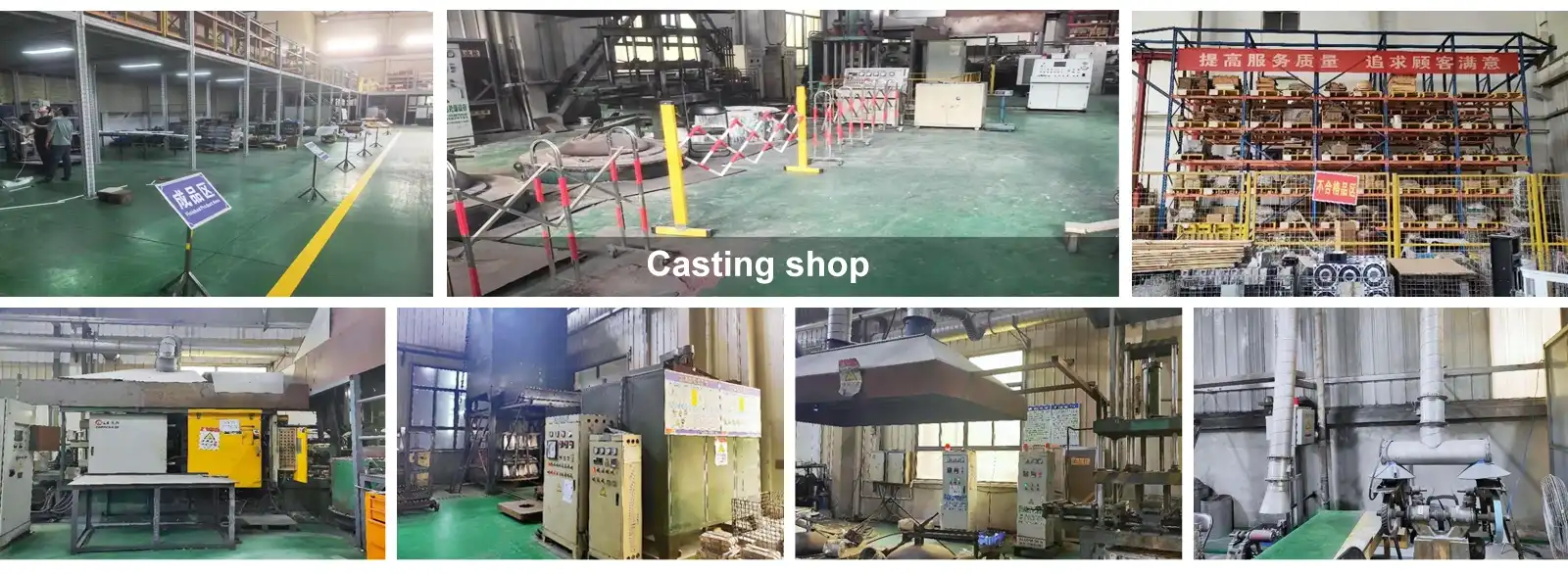
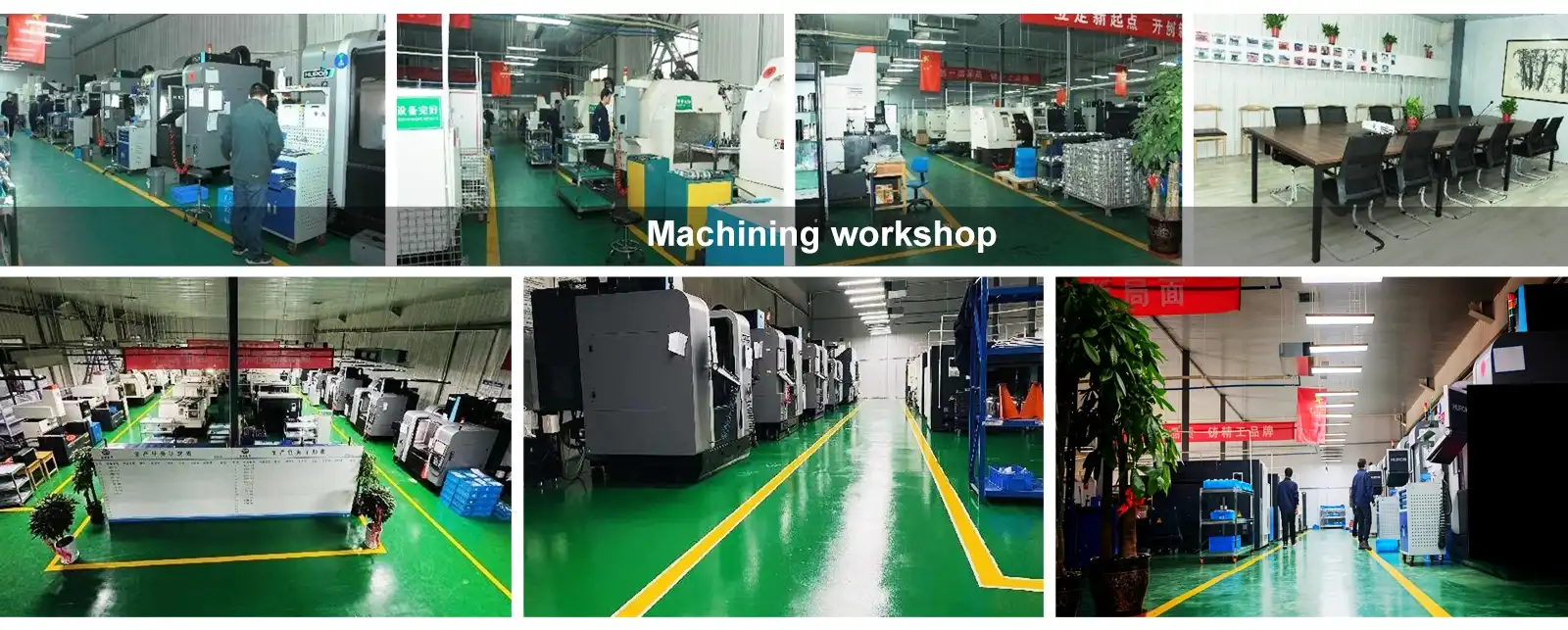
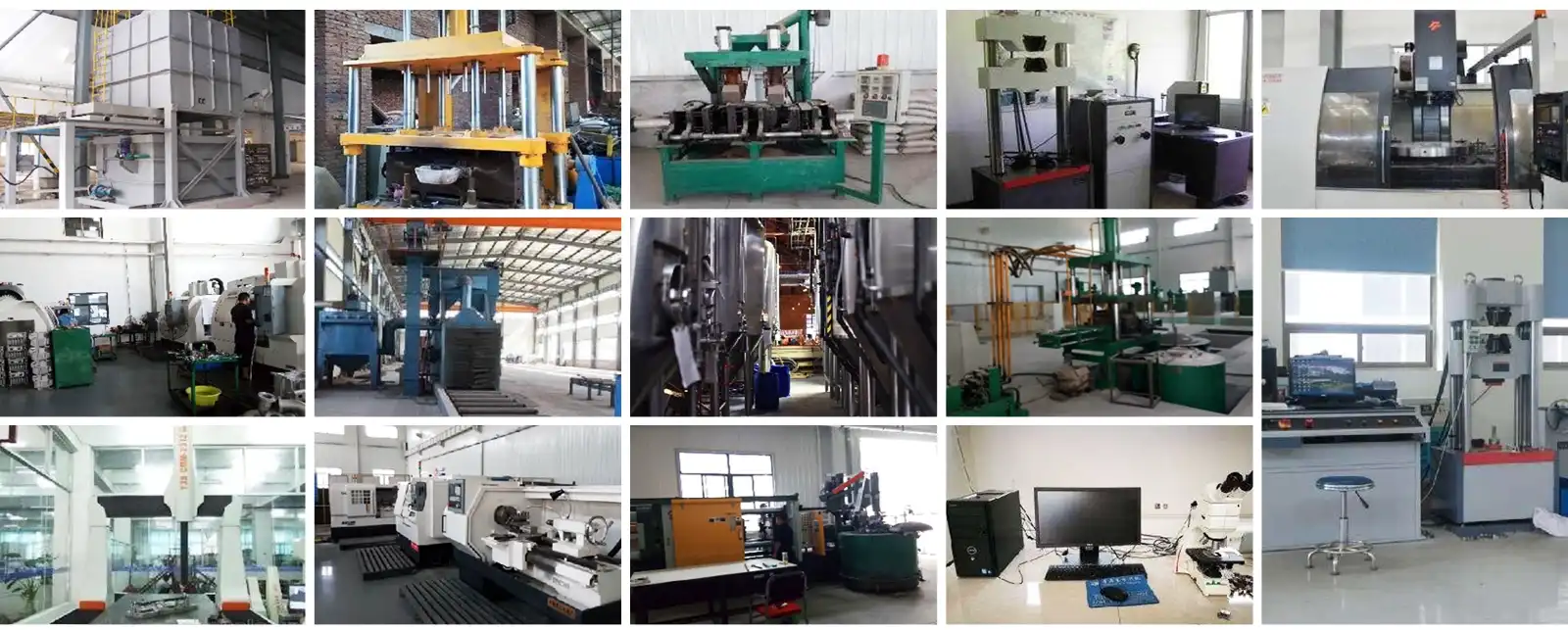
Rongbao Enterprise offers great value because it has integrated manufacturing capabilities that include precision casting, CNC machining, and full quality control systems. Our ISO9001:2015, ISO14001, and ISO45001 certifications make sure that our quality standards are always the same and meet international standards for structural, automotive, marine, and industrial uses.
With 20 years of experience in the field and a focus on 70% of the export market, we know the difficulties of sourcing goods around the world and can help casting bracket manufacturers all over the world find reliable solutions. Our Xi'an facility uses both high-tech automation and skilled craftsmanship to make custom brackets that perform better than expected while still keeping prices low.
Discover the benefits of working with a reliable company that is dedicated to providing high-quality casting brackets and making sure customers are happy. Please email us at steve.zhou@263.net and zhouyi@rongbaocasting.com to talk about your specific needs and find out how our wide range of manufacturing services can help you improve your purchasing strategy.
FAQs
Q1: What factors contribute most to casting bracket price variations?
A: Material selection, complexity of geometry, precision requirements, surface treatment specifications, and order volume significantly influence pricing. Stainless steel 304 costs more than carbon steel, while CNC machining and specialized surface treatments add premium charges.
Q2: How do minimum order quantities affect per-piece pricing?
A: Higher volumes spread tooling and setup costs across more pieces, reducing unit prices substantially. Orders above 2000 pieces typically qualify for volume discounts, while 5000+ piece orders can achieve 15-20% savings compared to smaller quantities.
Q3: What additional costs should buyers budget beyond the quoted piece price?
A: Import duties (3-15%), shipping costs ($0.80-12.00 per kg), packaging requirements, inspection fees, and currency exchange fluctuations. These additional costs can add 20-30% to the base product price for international orders.
References
1. Global Casting Market Analysis Report 2023: Trends, Pricing, and Regional Dynamics in Industrial Component Manufacturing
2. Stainless Steel Casting Cost Optimization Strategies: A Comprehensive Guide for Procurement Professionals in Heavy Industry
3. ISO Quality Management Systems Impact on Casting Industry Pricing Structures and Customer Value Propositions
4. Supply Chain Risk Management in International Casting Procurement: Cost Mitigation and Supplier Evaluation Frameworks
5. Automotive Industry Casting Requirements: Precision Bracket Manufacturing Standards and Cost Analysis for Global Sourcing
6. Marine Environment Corrosion Resistance in Stainless Steel Castings: Material Selection and Economic Considerations for Maritime Applications