When engineers are picking materials for a cast coupling disc A356-T6, they often have to choose between A356 and its heat-treated form, A356-T6. The main difference is how the items are heated. Solution heat treatment and artificial aging are used on A356-T6 to make its mechanical properties better by 40–60% and enhance wear resistance.
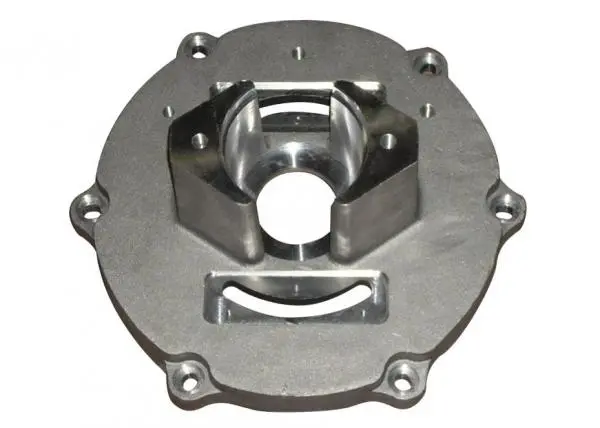
A356 and A356-T6 Aluminum Alloy
An alloy called A356 aluminum is one of the most useful casting alloys used in modern manufacturing. The silicon-magnesium alloy has about 7% silicon and 0.3% magnesium. This makes it easy to cast and not likely to rust. Because of how it is made, the alloy makes a solution that is light and good at moving heat around.
This process changes A356 into A356-T6 by cycling through controlled temperature ranges. While the material is still hot (540°C) for 6 to 12 hours, it is quickly cooled down and aged in a lab at 155°C for 3 to 5 hours. The heat-treatment process homogenizes the microstructure and promotes precipitation of Mg₂Si phases, resulting in significant strengthening.
The primary differences between A356 and A356-T6 can be summarized in three aspects:
- Making things stronger by heating them up
- Better ability to avoid getting tired and spread stress
- Size is more stable under operational loads
For simple building parts that are easy to cast, A356 is a good metal. What about A356-T6? It's the best choice when you need better mechanical properties and fatigue resistance.
Mechanical Properties and Performance Side by Side
The mechanical properties of these alloys make it clear that they are not at all the same. Tensile strength for A356 is usually around 130 to 170 MPa. For A356-T6, it's around 240 to 290 MPa, which is a big boost in performance.
Yield strengths get better in the same ways when you look at them side by side. A356 has a yield strength of 90 to 120 MPa, and cast coupling disc A356-T6 has a yield strength of 165 to 205 MPa. This improvement has a direct impact on how well the material can handle stress from work without changing shape permanently.
The different types have very different elongation properties:
- A356: Stretch at break of 3 to 8 percent
- Two to seven percent stretch at break for A356-T6
- A356 is between 60 and 75 HB hard, and A356-T6 is between 80 and 95 HB hard.
In the case of cast coupling discs, fatigue resistance is a very important performance indicator. A356-T6 parts last longer than untreated A356 parts because they can handle cyclic loading conditions that would damage untreated A356 parts. The better microstructure helps stress be spread out more evenly and stops cracks from spreading.
A356 is a good metal for parts that will only be used in low-stress situations. It works better when you need high strength and resistance to fatigue, not the other way around.
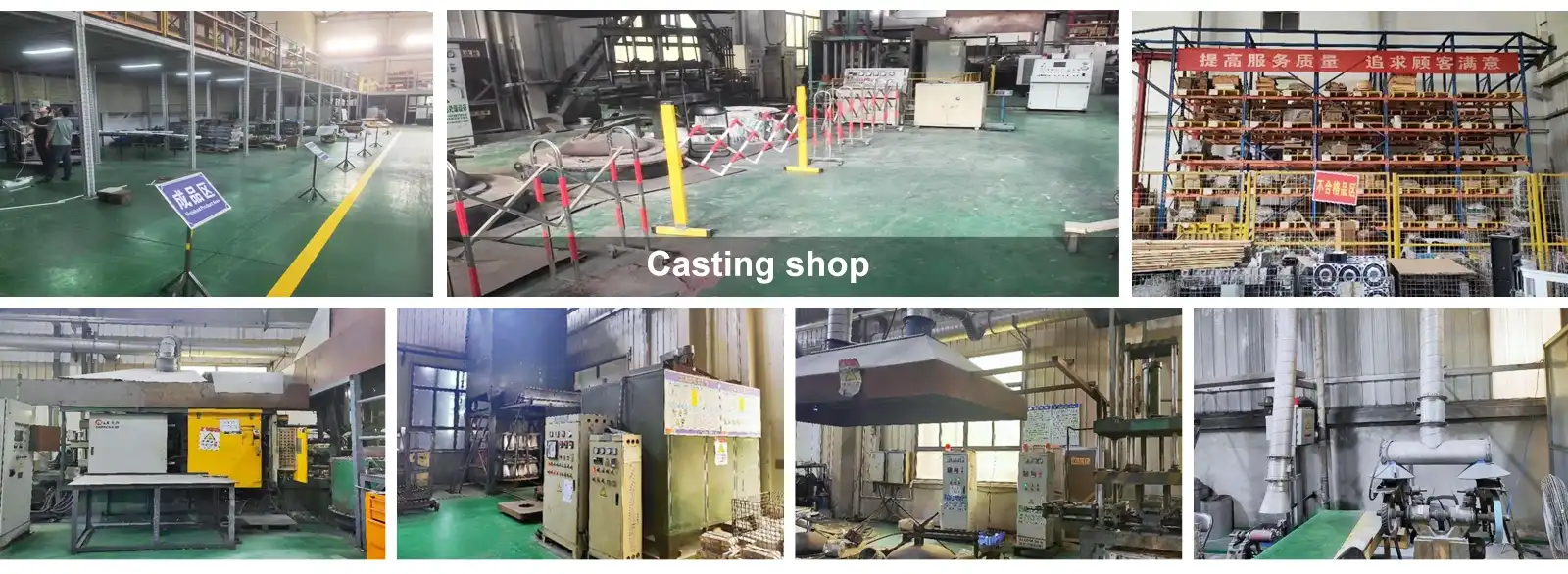
Casting Process
Whether you use gravity casting, low-pressure casting, or high-pressure die casting, the process is pretty much the same for both materials. Post-casting treatments, on the other hand, are very different between A356 and A356-T6 production workflows.
A356 parts usually go through basic finishing steps like machining and surface treatment. The material is very easy to cast, so it can be used to make complex shapes with few flaws. The characteristics of shrinkage stay the same, which makes it easier to control the dimensions accurately during production.
To make A356-T6, more heat treatment cycles are needed, which adds to the production time but improves the quality of the final part. Parts of the process are:
- First casting using normal foundry methods
- Treatment with solution heat at set temperatures
- Quick quenching to keep the dissolved substances
- Using artificial aging to get the best strength properties
When it comes to A356-T6 parts, quality control measures get stricter. Watching the temperature, being precise with the timing, and controlling the rate of cooling all have a direct effect on the final mechanical properties. The material is better at keeping its shape and is less likely to distort when it is used in CNC machining.
A356 is a good material for manufacturing if you need short production cycles and standard finishing. When better mechanical properties justify longer processing times, A356-T6 offers better performance in parts that are worth the extra money.
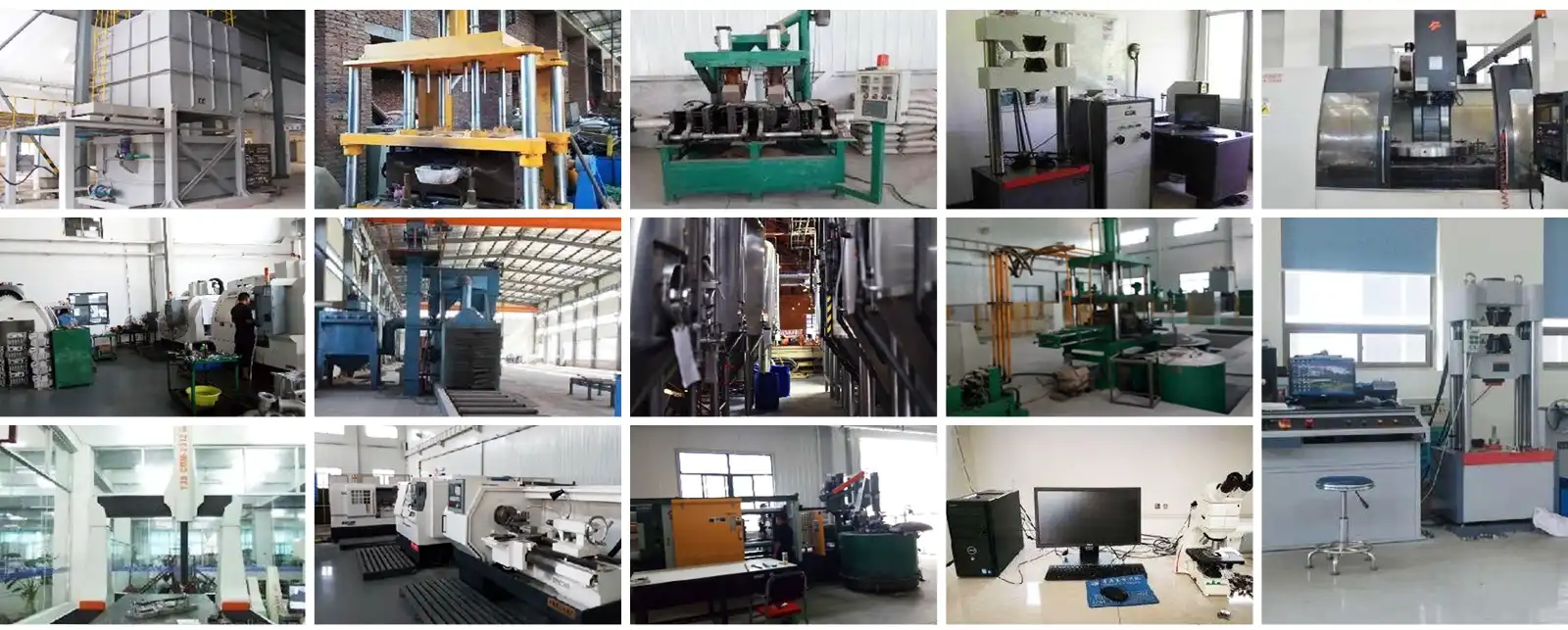
Performance Analysis Based on Application
For automotive applications, there are clear criteria for choosing materials based on their operational needs. The better strength-to-weight ratio of cast coupling disc A356-T6 helps body structural parts and chassis systems. The better fatigue resistance of the material is very important for parts that are loaded and unloaded many times.
Because aerospace parts have to meet the highest performance standards, A356-T6 is the best material for engine parts and lightweight building parts. The material's excellent mechanical properties meet the strict AS9100D certification requirements and keep its excellent machinability for precise manufacturing.
Material needs for different types of industrial equipment vary:
- Pump housings made of A356-T6 for high-pressure uses
- Transmission parts are made of A356-T6 steel, which makes them last longer.
- General structural parts: A356 for low-cost options
Both materials are used in the housings of electronic equipment, depending on the needs. The dimensional stability of A356-T6 is good for high-precision applications that need to be within ±0.05mm of the actual size. A356 can be used in standard housings to save money without affecting their functionality.
If you need parts for environments with moderate stress, A356 gives you good performance at a lower cost. A356-T6 gives you the performance reliability you need in situations with a lot of stress or important safety requirements.
Guides for Cost-Benefit Analysis and Choice
The higher costs of materials reflect the extra work that needs to be done to make A356-T6. The cost of raw materials stays the same, but heat treatment operations raise the total cost of a component by 15 to 25 percent. This investment usually leads to big improvements in performance that make the extra cost worth it.
When it comes to lifecycle costs, A356-T6 is better for demanding applications. Higher initial costs are balanced out by longer component life, less maintenance, and better operational reliability. Because the material is more resistant to fatigue, it can be used for longer periods of time and needs to be replaced less often.
The selection criteria should stress the needs that are unique to the application:
- Conditions of load: static vs. dynamic stress patterns
- Temperature and corrosion exposure are examples of environmental factors
- Needs for quality: tight tolerances and a smooth surface
- Costs are spread out over the amount of production
Machining characteristics and surface treatment needs are two things that affect how efficiently a product is made. The better mechanical properties of A356-T6 make it possible for CNC operations to produce parts with better surface finishes and more accurate measurements. Shot blasting treatments always produce the same results and make the surface stronger.
If you're looking for low-cost solutions for common problems, A356 is a great choice. When performance demands allow choosing a high-end material, A356-T6 offers better long-term value by making operations more reliable.
You can choose between A356 and A356-T6 cast coupling discs based on your performance needs and the conditions of your work. Because of controlled heat treatment processes, A356-T6 has better mechanical properties. For example, it has a higher tensile strength, is less likely to wear down, and has more stable dimensions. A356-T6 is great for aerospace, automotive, and industrial applications where part reliability is still very important because it has these benefits.
Most of the time, A356 is a good value, but A356-T6 is worth the extra money because it works better and lasts longer. When picking a material for a project, you should think about how much it will cost over its entire life, how much stress it will be under, and the quality standards. If you are looking for a cast coupling disc A356-T6 supplier, contact us at steve.zhou@263.net and zhouyi@rongbaocasting.com.
References
- Aluminum Association. "International Alloy Designations and Chemical Composition Limits for Wrought Aluminum and Wrought Aluminum Alloys." 2015.
- Campbell, John. "Complete Casting Handbook: Metal Casting Processes, Metallurgy, Techniques and Design." Butterworth-Heinemann, 2015.
- Davis, Joseph R. "ASM Specialty Handbook: Aluminum and Aluminum Alloys." ASM International, 1993.
- Kaufman, J. Gilbert. "Properties of Aluminum Alloys: Tensile, Creep, and Fatigue Data at High and Low Temperatures." ASM International, 1999.
- Mondolfo, Liberato F. "Aluminum Alloys: Structure and Properties." Butterworth-Heinemann, 1976.
- Totten, George E. "Handbook of Aluminum: Physical Metallurgy and Processes." Marcel Dekker, 2003.