Mold Preparation and Molten Metal
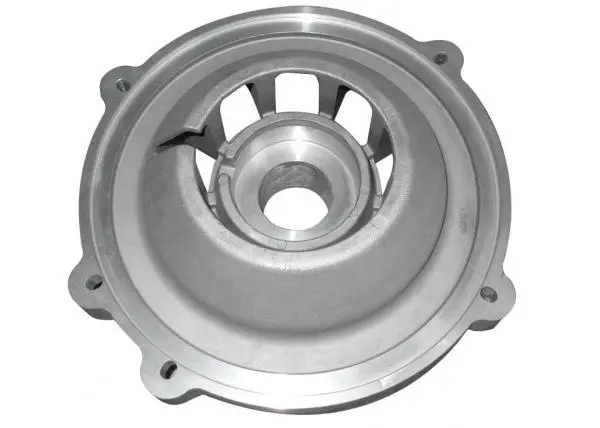
Careful mold preparation is the first step in the low pressure aluminum casting process. This approach uses a mold that stays there, usually constructed from sturdy materials like high-grade steel, as opposed to the more common conventional casting processes. Intricate nuances and complicated elements of the intended item are meticulously included into the mold's design to fit its exact geometry.
The mold is heated to the correct temperature before the low pressure aluminum casting process begins. Preventing early solidification—a key factor that might result in product defects—and ensuring consistent cooling are both accomplished by this essential phase. At the same time, another furnace is used to melt high-quality aluminum alloy until it reaches temperatures of around 700°C (1292°F).
After that, the molten aluminum is moved to a pressurized, sealed furnace that is placed under the mold. The metal is kept at the perfect temperature and purity for casting in this furnace, which is also called the holding furnace. Consistently high-quality outcomes need meticulous control of composition and temperature at this step.
Pressure Application and Filling the Mold
Once the mold and molten metal are prepared, the most crucial step in casting aluminum at low pressures happens. The surface pressure of the molten metal is typically maintained at a range of 0.3 to 1.5 bar by means of the holding furnace. The process involves using a feed tube to force the aluminum liquid into the mold's hole.
Gradually raising the pressure allows for a controlled and uniform filling of the mold. As a result of its delicate filling technique, low pressure aluminum casting minimizes turbulence and air entrapment. This process produces parts with superior mechanical properties and reduced porosity compared to gravity casting processes.
The delicate features of the mold may be precisely reproduced by keeping the pressure high throughout the filling process. This degree of precision is especially useful for components used in the automotive and aerospace industries, due to their complex geometries and relatively thin walls.
Solidification and Part Removal
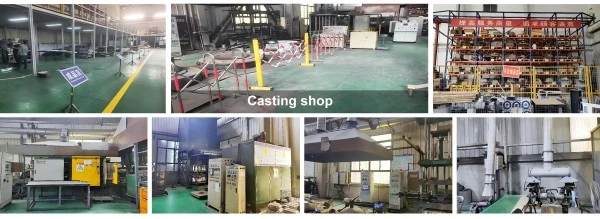
When the mold is full, the pressure is kept up until the metal sets. Another important part of low pressure aluminum casting is the continuous application of pressure throughout the solidification process. Castings that are denser and of higher quality with better dimensional precision are the outcome of feeding more metal into the mold to offset shrinkage.
Low pressure aluminum casting requires precise control of the solidification process, which is often achieved by the incorporation of advanced cooling systems into the mold design. By directing solidification inward, these technologies lessen the possibility of shrinkage porosity and other flaws by cooling the component from its farthest points inward.
The pressure is removed and the mold is opened after the component has set entirely. After that, the cast component is taken out of the mold with great care. The component may then be subjected to further processing, such trimming, heat treatment, or machining, to attain its ultimate shape and characteristics.
From filling the mold to removing the cast item, the whole low pressure aluminum casting process usually takes anywhere from a few seconds to a few minutes, given the object's size and complexity. Due to its cheap production costs and relatively short cycle time, low pressure aluminum casting is a popular manufacturing technology in several sectors.

FAQ
1. What are the main advantages of low pressure aluminum casting?
Low pressure aluminum casting offers several advantages, including reduced porosity, improved mechanical properties, excellent dimensional accuracy, and the ability to produce complex geometries. It's particularly well-suited for producing high-quality parts with thin walls or intricate details.
2. What types of products are commonly manufactured using low pressure aluminum casting?
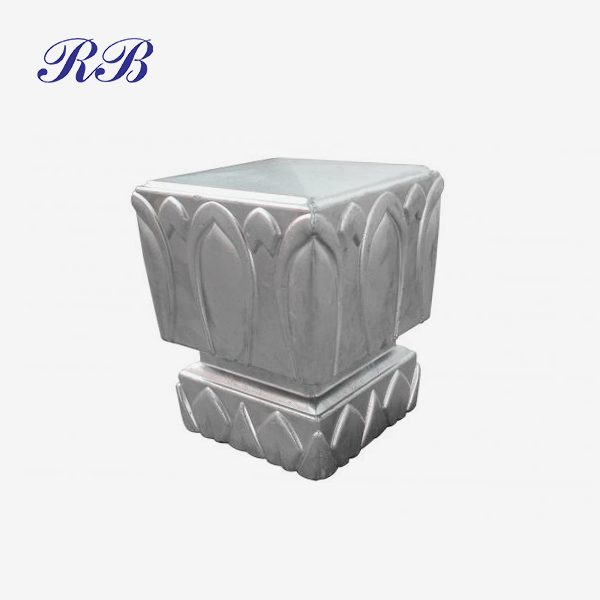
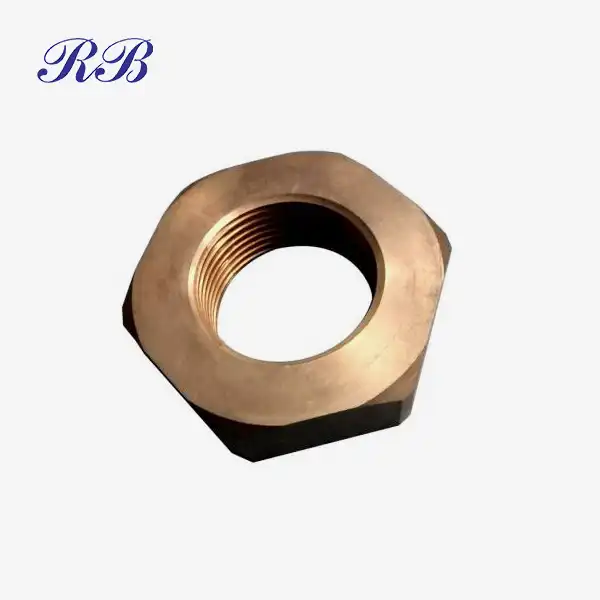
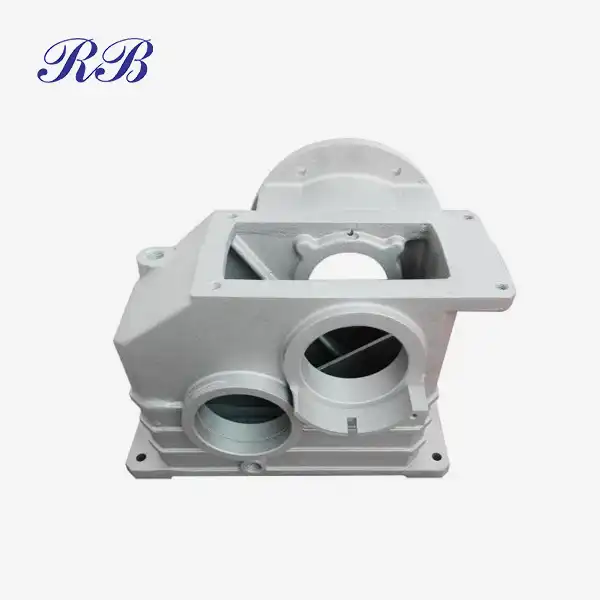
This process is widely used in the automotive industry for producing engine blocks, cylinder heads, and wheels. It's also employed in aerospace for creating structural components, and in the production of industrial machinery parts. Additionally, it's used for manufacturing high-quality consumer goods and architectural components.
3. How does low pressure aluminum casting compare to high pressure die casting?
While both methods produce high-quality parts, low pressure casting generally results in parts with lower porosity and better mechanical properties. It's better suited for larger parts and can use a wider range of alloys. High pressure die casting, on the other hand, offers faster production speeds and is more economical for smaller parts produced in very high volumes.
4. What alloys are commonly used in low pressure aluminum casting?
A wide range of aluminum alloys can be used in low pressure casting. Some common choices include Al-Si alloys (such as A356 and A357) for their excellent fluidity and mechanical properties, and Al-Mg alloys for their strength and corrosion resistance. The choice of alloy depends on the specific requirements of the part being produced.
5. How does the cooling rate affect the properties of low pressure aluminum castings?
The cooling rate significantly influences the microstructure and properties of the cast part. Faster cooling generally results in finer grain structures and improved mechanical properties. However, the optimal cooling rate depends on the specific alloy and part design. Sophisticated mold designs with controlled cooling channels allow for precise management of solidification rates to achieve desired properties.
Low Pressure Aluminum Casting Supplier: Rongbao Enterprise
For top-quality low pressure aluminum casting solutions, look no further than Rongbao Enterprise. With nearly two decades of expertise in aluminum alloy casting and precision processing, Rongbao delivers exceptional results for a wide range of applications, including elevator parts. Our state-of-the-art facilities are equipped to handle various casting processes, including low pressure die casting, ensuring optimal results for your specific needs.
Rongbao Enterprise specializes in producing high-quality aluminum components using materials like 380 alloy, with capabilities to manufacture parts weighing up to 6.5kg. Our commitment to quality is evident in our ISO9001:2015, ISO14001, and ISO45001 certifications, guaranteeing adherence to the highest industry standards. With a production capacity of 5000 pieces and the ability to offer customized specifications, we're well-equipped to meet your unique requirements.
From CNC machining to surface treatments like shot blasting, Rongbao provides comprehensive solutions for your aluminum casting needs. Our expertise in OEM/ODM manufacturing ensures that your specific design requirements are met with precision and care. With our products exported to major markets including the United States, Europe, and Japan, you can trust Rongbao for global-standard quality and reliability.
Ready to elevate your manufacturing process with superior low pressure aluminum casting? Contact Rongbao Enterprise today at steve.zhou@263.net or zhouyi@rongbaocasting.com to discuss your project requirements and experience the Rongbao difference in aluminum casting excellence.