- English
- French
- German
- Portuguese
- Spanish
- Russian
- Japanese
- Korean
- Arabic
- Greek
- German
- Turkish
- Italian
- Danish
- Romanian
- Indonesian
- Czech
- Afrikaans
- Swedish
- Polish
- Basque
- Catalan
- Esperanto
- Hindi
- Lao
- Albanian
- Amharic
- Armenian
- Azerbaijani
- Belarusian
- Bengali
- Bosnian
- Bulgarian
- Cebuano
- Chichewa
- Corsican
- Croatian
- Dutch
- Estonian
- Filipino
- Finnish
- Frisian
- Galician
- Georgian
- Gujarati
- Haitian
- Hausa
- Hawaiian
- Hebrew
- Hmong
- Hungarian
- Icelandic
- Igbo
- Javanese
- Kannada
- Kazakh
- Khmer
- Kurdish
- Kyrgyz
- Latin
- Latvian
- Lithuanian
- Luxembou..
- Macedonian
- Malagasy
- Malay
- Malayalam
- Maltese
- Maori
- Marathi
- Mongolian
- Burmese
- Nepali
- Norwegian
- Pashto
- Persian
- Punjabi
- Serbian
- Sesotho
- Sinhala
- Slovak
- Slovenian
- Somali
- Samoan
- Scots Gaelic
- Shona
- Sindhi
- Sundanese
- Swahili
- Tajik
- Tamil
- Telugu
- Thai
- Ukrainian
- Urdu
- Uzbek
- Vietnamese
- Welsh
- Xhosa
- Yiddish
- Yoruba
- Zulu
How long does sand casting take?
The timeline for sand casting typically ranges from several days to several weeks, depending on project complexity and production requirements. Simple components with basic geometries can be completed within 3-7 days, while complex industrial parts requiring intricate molds and extensive quality testing may take 2-4 weeks. The process duration encompasses pattern creation, mold preparation, metal pouring, cooling periods, and finishing operations. Understanding these timeframes enables procurement professionals to establish realistic delivery schedules and optimize supply chain planning for their manufacturing needs.
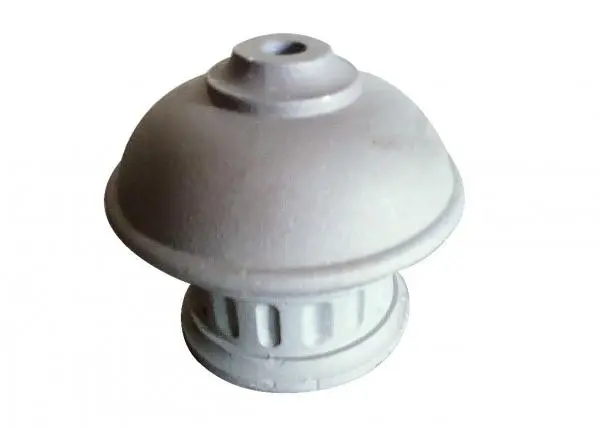
Understanding Sand Casting and Its Timeline
Sand casting represents a versatile manufacturing process involving the creation of expendable sand molds to form metal components. By putting patterns into sand mixes, this basic method creates holes that are then filled with hot metals like iron, bronze, aluminum, or brass. This method is very different from investment casting and die casting. Investment casting uses ceramic shells for better accuracy, and die casting uses fixed metal molds for fast production cycles.
Critical Process Stages and Duration
The sand casting workflow encompasses six different steps, and each one adds to the general output timeline. Pattern making usually takes between one and three days for easy patterns, but it can take up to a week for more complicated shapes. At this stage, skilled workers make exact copies of the parts that are needed, making sure that the dimensions are correct and that the draft angles are right so that the mold can be easily separated.
After the pattern is finished, the mold is prepared by carefully packing sand around the pattern to make the cope and drag parts. This step usually takes 4 to 8 hours for simple parts, but it could take up to 1 to 2 days for complicated parts that need more than one core. The ingredients in the sand mixture have a direct effect on both the quality of the mold and the time it takes to prepare it. For example, special bonding agents need more time to cure.
The melting and filling of metal are very important steps that require exact time. Melting takes between two and four hours, based on the type of alloy and the size of the kiln. The pouring process, on the other hand, only takes minutes. But the times it takes to cool and solidify are very different depending on the section thickness and the features of the material. For example, it can take several hours for thin-walled parts to solidify, while it can take several days for heavy industrial parts.
Factors Affecting How Long Sand Casting Takes
In metal casting, production times depend a lot on how complicated the plan is and how big the parts are. Simple cylinders or rectangles with walls that are all the same thickness harden in a predictable way, which lets you make accurate schedule predictions. But parts with complicated shapes, different section thicknesses, or internal spaces need longer cooling times and more complex mold designs, which has a big effect on delivery times.
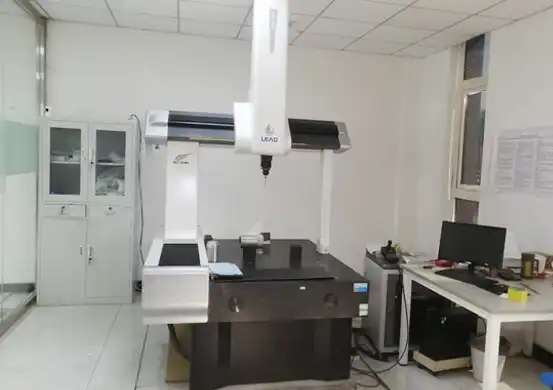
Material Selection Impact on Production Speed
The casting time is greatly affected by the material you choose because of how it solidifies and how it needs to be processed. Because they have lower melting points and good heat transfer, aluminum alloys usually harden in two to six hours. Because they have more thermal mass and heat absorption rates that are slower, iron and steel casts need much longer cooling times. For medium-sized parts, this can take anywhere from 12 to 24 hours.
The time it takes to prepare a melt is also affected by the types of alloys used. For example, certain materials need careful control over temperature and air pressure. These requirements can make the melting process last an extra one to two hours while still making sure that the finished casts have the best material qualities.
Production Volume and Batch Considerations
Through economies of scale and process efficiency, the amount of production has a big effect on general lead times. When making prototypes or small amounts, the setup time is often longer than the real casting time. Pattern changes and mold trials can add several days to the process. On the other hand, big production runs benefit from streamlined workflows and dedicated equipment allocation, which greatly cuts the time needed to handle each unit.
Scheduling production in batches also affects how resources are used. For example, foundries optimize burner operations and mold preparation to get the most out of their resources. When compared to separate production runs, strategic batching can cut the lead times for each component by 20 to 30 percent.
Sand Casting vs. Other Casting Methods: Time & Efficiency Comparison
When looking at different ways to make things, sand casting has unique benefits when it comes to setup time and output freedom. Usually, wax pattern tooling and ceramic shell development take two to four weeks with investment casting. This means that it is good for high-precision uses but not so good for urgent delivery needs. Once the equipment is done, die casting has short cycle times, but making the mold for the first time can take 6 to 12 weeks for complex shapes.
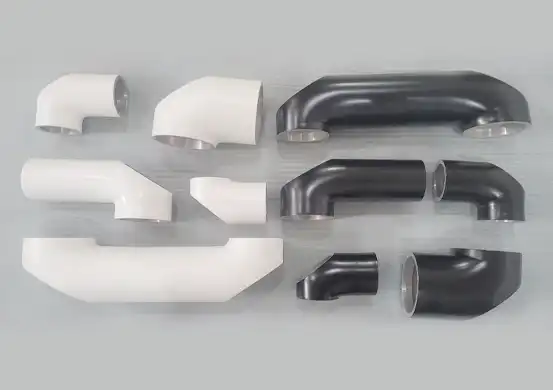
Speed and Suitability Analysis
Sand casting excels in scenarios requiring quick turnaround for prototypes or small production runs. Because the molds are disposable, there are no worries about mold wear or upkeep, and design changes can be made quickly without having to spend a lot of money on new tools. This adaptability is very helpful for buying teams that have to deal with changing design needs or changes in specifications caused by the market.
For military or medical uses where precise tolerances are very important, longer lead times are necessary because investment casting gives better measurement accuracy and surface finish quality. Die casting is the best way to get a lot of things made quickly, but it can only be used with aluminum, zinc, and magnesium metals because of the way the materials are made.
By knowing these trade-offs, procurement experts can make sure that the manufacturing strategy fits the needs of the project, combining the need for quick delivery with quality standards and cost concerns.
How to Optimize Lead Time When Procuring Sand Casted Parts
Effective wait time optimization starts with choosing a supplier based on their qualified skills and track record of on-time delivery. Maintaining ISO 9001, ISO 14001, and ISO 45001 certifications shows that suppliers have standardized quality management systems and process control skills that are necessary to meet deadlines every time. Also, foundries with automated equipment and advanced process tracking can cut down on delays caused by human handling and make production more predictable.
Design Collaboration and Material Strategy
Getting involved with manufacturing experts early on allows for design improvement, which has a direct effect on the speed of production. Using simpler shapes with walls that are all the same width can make cooling times more stable, and choosing the right materials can keep processes as simple as possible. When procurement teams work together on design-for-manufacturing principles, they can often cut wait times by 15 to 25 percent compared to the old way of handing off specifications.
Standardizing materials across various parts also makes it possible to process things more efficiently in batches. Foundries can get the most out of melting plans and cut down on changeover time between casting runs when multiple parts use the same alloy specs.
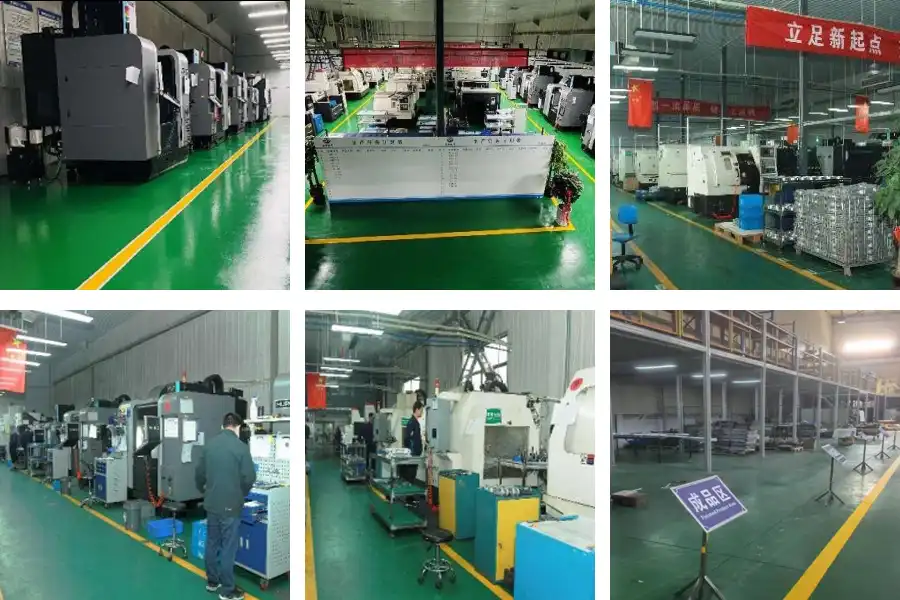
Bulk Ordering and Partnership Benefits
By forming long-term relationships with qualified foundries, both parties have a reason to prioritize scheduling and capacity sharing. Suppliers gain from knowing how many orders they will receive, which helps them better plan their resources and use their tools. When demand is high, procurement organizations get special treatment, and they can often get better price systems that make up for the need to make longer-term commitments.
Suppliers can also invest in specialized tooling or process improvements that meet the needs of repeating component requirements when they have volume promises. These changes can cut down on the time it takes to handle each unit while also making results more consistent and higher quality.
Common Challenges and Quality Control in Sand Casting Lead Times
Production delays in sand casting are often caused by problems with the quality of the parts that need to be fixed or thrown away. When there are porosity flaws, which can happen because of bad gating system design or bad filling techniques, the whole thing has to be redone, which can add 3–7 days to the delivery time. If the measurements are off, it might take more work to machine the part or change the pattern, which will add time and cost to the final release of the part.
Quality Control Systems and Prevention Strategies
Implementing strict quality control throughout the casting process greatly lowers the risks of delays that come with fixing defects. Modern foundries use real-time process monitoring to keep an eye on temperature profiles and fill rates while metal is being poured to make sure the best conditions for casting. Non-destructive testing methods, like X-ray inspection and ultrasound testing, find internal flaws before the final cutting steps are taken. This keeps expensive discoveries from happening later on.
Audits of suppliers and tests of the skill of processes give procurement teams concrete criteria for choosing a foundry. Manufacturers who use statistical process control and preventive quality measures usually get their products delivered on time 95% of the time or more while keeping quality standards high.
Using advanced simulation software during the creation of a mold lets you try filling patterns and solidification sequences virtually. This proactive method finds possible sources of defects before production even starts, so there are no more trial-and-error processes that used to make development take longer.
Conclusion
Sand casting timelines are very different depending on the difficulty of the part, the amount of material needed, and the desired output volume. Procurement workers can set realistic delivery goals and improve supply chain performance by understanding how design specs, foundry capabilities, and quality control measures work together. Strategic relationships with suppliers, working together early on in the design process, and proactive quality management all make it possible to cut wait times by a lot without affecting the integrity of the parts. To be successful at sand casting buying, you need to find a balance between the need for speed and the need for quality, and you also need to use the foundry's knowledge to get the best manufacturing results.
Partner with Trusted Sand Casting Experts for Efficient Procurement
Rongbao Enterprise delivers comprehensive sand casting solutions tailored to demanding industrial applications across automotive, construction, and energy sectors. Our integrated manufacturing capabilities encompass full-process expertise from pattern development through precision machining, ensuring streamlined production schedules and consistent quality outcomes. With ISO 9001, ISO 14001, and ISO 45001 certifications, we maintain standardized operations that support predictable delivery timelines for both prototype and production requirements. Connect with our procurement specialists at steve.zhou@263.net or zhouyi@rongbaocasting.com to discuss your specific project needs and receive detailed lead time estimates for your sand casting requirements.
FAQs
What is the typical delivery timeline for custom sand casting parts?
Delivery times for custom sand castings range from one to four weeks, based on the complexity of the part and the production needs. It usually takes 7–14 days for simple shapes made of standard materials, but 3–4 weeks for complex parts with complicated internal spaces or special alloys. Because they don't need to be set up as often, prototype amounts often process faster than big production runs.
How do bulk orders influence lead times in sand casting production?
When you place a bulk order, the waiting time for each unit usually goes down because of better timing and more efficient production. When foundries get large orders, they can allocate machine resources and improve batch processing, which can cut time by 20 to 30 percent compared to small orders. However, the total arrival time may get longer because of the need for more production.
What design factors most significantly impact sand casting lead times?
The main design factors that affect production plans are the complexity of the parts, the difference in section thickness, and the needs of the internal cavities. When the wall width is the same, cooling cycles can be predicted. But when the geometry is complicated, it takes longer to prepare the mold and could take longer for the solidification process to finish. Internal features that need sand cores add one to two days to the time it takes to prepare a mold.
How can procurement teams minimize delays when ordering sand cast components?
Some effective ways to avoid delays are to involve suppliers early on, communicate thorough specifications, and plan for quality ahead of time. Specification clarification delays can be avoided by giving full technical models with measurement limits and material requirements. Choosing certified sellers with a history of on-time delivery also greatly lowers the risk to the plan.
References
- Campbell, John. "Complete Casting Handbook: Metal Casting Processes, Metallurgy, Techniques and Design." Butterworth-Heinemann, 2015.
- Beeley, Peter R. "Foundry Technology." Newnes Technical Books, 2001.
- American Foundry Society. "Sand Casting Process Guidelines and Quality Standards." AFS Publications, 2019.
- Brown, John R. "Foseco Non-Ferrous Foundryman's Handbook." Pergamon Press, 1999.
- Stefanescu, Doru Michael. "Science and Engineering of Casting Solidification." Springer, 2009.
- Davis, Joseph R. "ASM Specialty Handbook: Cast Irons." ASM International, 1996.
Learn about our latest products and discounts through SMS or email