- English
- French
- German
- Portuguese
- Spanish
- Russian
- Japanese
- Korean
- Arabic
- Greek
- German
- Turkish
- Italian
- Danish
- Romanian
- Indonesian
- Czech
- Afrikaans
- Swedish
- Polish
- Basque
- Catalan
- Esperanto
- Hindi
- Lao
- Albanian
- Amharic
- Armenian
- Azerbaijani
- Belarusian
- Bengali
- Bosnian
- Bulgarian
- Cebuano
- Chichewa
- Corsican
- Croatian
- Dutch
- Estonian
- Filipino
- Finnish
- Frisian
- Galician
- Georgian
- Gujarati
- Haitian
- Hausa
- Hawaiian
- Hebrew
- Hmong
- Hungarian
- Icelandic
- Igbo
- Javanese
- Kannada
- Kazakh
- Khmer
- Kurdish
- Kyrgyz
- Latin
- Latvian
- Lithuanian
- Luxembou..
- Macedonian
- Malagasy
- Malay
- Malayalam
- Maltese
- Maori
- Marathi
- Mongolian
- Burmese
- Nepali
- Norwegian
- Pashto
- Persian
- Punjabi
- Serbian
- Sesotho
- Sinhala
- Slovak
- Slovenian
- Somali
- Samoan
- Scots Gaelic
- Shona
- Sindhi
- Sundanese
- Swahili
- Tajik
- Tamil
- Telugu
- Thai
- Ukrainian
- Urdu
- Uzbek
- Vietnamese
- Welsh
- Xhosa
- Yiddish
- Yoruba
- Zulu
Can aluminium withstand high pressure?
In fact, metal can take a lot of pressure. This is especially true in manufacturing processes like high pressure die casting. Aluminum metals made today are made to survive high pressures of 700 to 2100 bar and still keep their shape and measures. Aluminum can handle a lot of different pressures, which makes it great for making exact parts for cars, planes, and other industries that need parts that are strong and light.
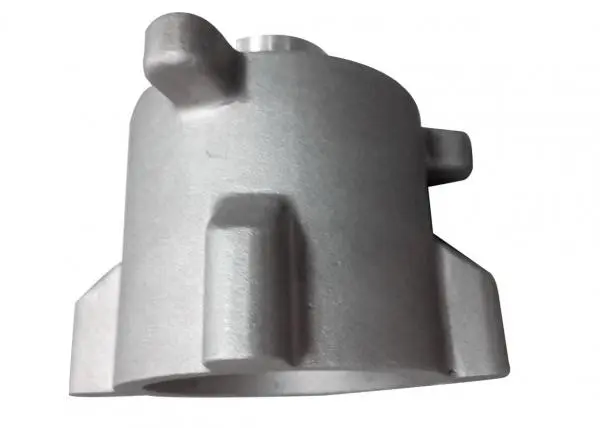
Understanding Aluminium's Mechanical Properties Under High Pressure
Because of its unique metallurgical qualities and the years of work that went into making more complicated alloys, aluminum works well in production settings with a lot of pressure. When aluminum alloys are cast under a lot of pressure, they harden very quickly. This changes their microstructure and how they behave physically in a big way.
Pressure Tolerance and Alloy Selection
Most of the time, A356 and ADC12 aluminum alloys are used in high-pressure settings because they are made to keep their strength, flexibility, and ability to fight wear even when things get rough. More than 2000 bar of pressure can't hurt these metals, and they can be made into complicated forms with walls as thin as 0.5 mm. When the material is quickly cooled and pressure is put on it, fine-grain structures form that make it stronger in general.
A study by the American Foundry Society says that metal parts made under high pressure are 15-20% stronger than parts made using normal gravity casting methods. This is because the high pressure fills the mold all the way to the top and eliminates any holes inside. This makes the parts stronger and more reliable.
Microstructural Changes Under Pressure
While aluminum is solidifying, its hexagonal structure gets smoother and more even because it is under a lot of pressure. The pressure forces gases that are trapped out and stops the pores from shrinking, which are problems that often happen with casting methods that use less pressure. This change in the microstructure directly leads to better mechanical properties, like longer wear life and more stable sizes over time.
Advantages and Limitations of Using Aluminium in High Pressure Die Casting
Aluminum has many uses in industrial processes that need a lot of pressure. It also has some issues that need to be carefully thought through during the planning and buying steps.
Key Advantages of Aluminium Under Pressure
Aluminum shows off its great ability when it is put under a lot of pressure. It works well for difficult tasks because of the following reasons:
- Superior strength-to-weight ratio: aluminum parts keep the frame strong while cutting the weight of the whole system by up to 40% compared to steel choices.
- Excellent thermal conductivity: Being able to absorb heat better cuts down on the time it takes for solids to form, which speeds up the production process.
- Outstanding corrosion resistance: The natural oxide layer that forms on top makes it very resistant to corrosion. This means that it will last for a long time in hard circumstances.
- Recyclability and sustainability: Almost all of the material can be recovered, which helps make production more eco-friendly and lessens the material's impact on the environment.
As the number of global B2B clients who want to improve their supply lines and meet tighter performance standards grows, all of these benefits help meet those needs. The car industry has accepted aluminum high pressure die casting for important parts like engine blocks, transmission housings, and structural elements.
Managing Aluminium's Limitations
Aluminum has many uses and benefits, but it also has some issues that should only be dealt with by experts. Because the material can porosity and cold shut while being cast, the injection settings and mold design need to be very precise. Also, because aluminum has a lower melting point than steel, it needs to be maintained in a certain way to keep the quality high and make tools last longer.
When choosing providers, procurement managers need to be aware of these limitations and give priority to partners who have a deep knowledge of aluminum's properties and the technical skills to effectively deal with these issues.
High Pressure Die Casting vs Other Casting Methods: Aluminium Focus
Which casting method you use has a big impact on both the quality of the parts and the cost of making them. That's why people who work in sources need to know the good and bad points of each method.
Comparing Manufacturing Methodologies
High pressure die casting uses steel molds and between 700 and 2100 bar of pressure to make a lot of precise, smooth, thin-walled parts. It takes a lot to get the right tools for this method, but it works great with aluminum and zinc. With mistakes of only 0.1 mm, the process makes readings that are very accurate. It also makes surfaces that are so good that they don't need much extra work.
Sand casting, on the other hand, uses sand models that are only used once. This lets you be more artistic with your designs and costs less to get started. For metals with a high melting point, like steel and iron, this method works well. However, the surfaces are rougher, the wall sections are bigger, and the measures are not as accurate. When the cost of the tools needs to be kept as low as possible, sand casting is a good choice for small to medium-sized production runs.

Production Volume and Economic Considerations
Which casting method to use depends on how many parts need to be made, how accurate they need to be, how smooth the surface needs to be, and how complicated the parts are. For bigger parts that aren't too hard to make, gravity casting is a good choice. For speed and accuracy, pressure ways are better. This method is easy and doesn't cost much.
There are also investment casting and low pressure casting. Each has its own perks when it comes to the type of material used and the freedom of design. But these ways generally have longer wait times and cost more per part, so they are better for certain tasks than making a lot of things at once.
Practical Guidance for Procurement: Sourcing Aluminium High Pressure Die Casting
If you want to buy aluminum pressure casting parts, you should carefully think about the sellers' skills, where they're located, and whether you can work with them for a long time.
Supplier Qualification and Assessment
To buy things effectively, you need to carefully check your sellers' skills and make sure they meet international standards such as ISO9001 and ISO14001 as well as standards specific to your business, such as IATF16949. Suppliers must show that they can do everything from small-batch development to mass production, and they must know how to work with aluminum, which has special needs when it comes to handling.
Geography has a big impact on things like prices, wait times, and the quality of the work. Industrial hubs that are already set up in North America, Europe, and Asia all have their own rules and perks when it comes to getting raw materials, skilled workers, and following the law. Procurement managers should have a variety of suppliers from different fields. This lowers risk and raises total cost of ownership.
Strategic Procurement Approaches
When prices are based on quantities, especially for long-term contracts that last for many years, costs can be cut by a lot. A person who works in buying should come up with delivery plans that work with production cycles and can also be changed if demand changes. Know the good and bad points of both fast testing and buying in bulk. This will help you plan your work better to meet project targets and stay within your budget.
Partnerships are more than just business deals. They also include things like making goods together, focused on long-term growth, and using the same strategies for managing risk.
Ensuring Quality and Performance: Design, Maintenance, and Risk Mitigation
To get the best results from aluminum pressure casting, you need to follow the rules of design, keep the tools in good shape, and keep quality in mind at all times during the production process.

Design Optimization Strategies
Certain things about how metal reacts to pressure must be taken into account when making a useful part. When the mold is closed properly, it fills evenly and there is little to no movement, which can lead to problems. Putting the cooling lines in the right places makes solidification more accurate and cuts down on cycle times. This directly affects the process quality and how well it works.
When molds are made, they need to take into account how aluminum grows and shrinks when heated and how it sticks to tool surfaces. Tools last longer and keep the same size from one production run to the next thanks to new wrapping technologies and better release methods.
Technology Integration and Quality Control
Modern factories count more and more on quality checking and tracking tools that work in real time to find problems before they affect production. With these tools, improvements can be made to the process right away, waste is cut down, and standards are always met.
When you use statistical process control methods, you can find problems early on that are likely to happen again and help them get better. During production, measuring tools are regularly calibrated and screening methods are checked to make sure they are correct. This keeps measurements accurate.
Conclusion
Because it can take high pressures so well, aluminum is a great material for making precise things. Businesses that need strong, light parts often choose aluminum because it is easy to work with, can handle high pressures, and is good at mechanical properties. To get things done, you need to pick your sources wisely, make sure you pick the right methods, and keep an eye on how quality management is done. When people who work in buying know about these things, they can make decisions that are better for both performance and cost.
Partner with Rongbao Enterprise for Superior High Pressure Die Casting Solutions
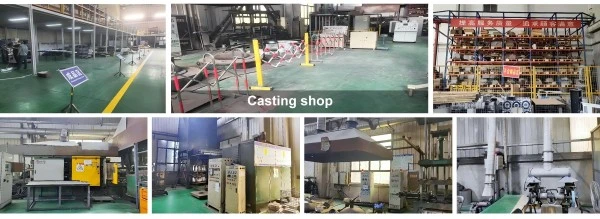
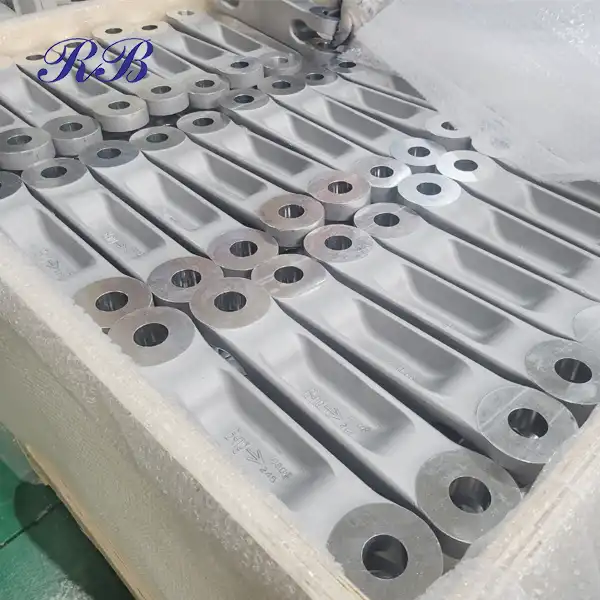
You can trust Rongbao Enterprise to give you high pressure die casting. They've been making great goods for 20 years and can help you with everything, from making the product to sending it to you. With ISO9001, ISO14001, and ISO45001 certifications, we can guarantee the same high level of quality every time. Our high-tech automatic machinery also makes sure that the parts we make are up to international exact standards. 70% of what we make goes to markets in the US, Europe, and Japan, so we know exactly what those markets need.
We can do high-pressure die casting, precision machining, and services that add value, like making molds and treating the surface, as part of the whole production process. Our regular methods and experienced staff let us give you reliable solutions that are made to fit your needs, whether you need to make a few or a lot.
You can talk to Steve Zhou about your aluminum casting needs at steve.zhou@263.net. Our combined method can help your supply chain work better.
FAQ
Can aluminium handle pressures over 1000 bar?
Yes, aluminum alloys like A356 and ADC12 are made to be able to handle pressures greater than 2000 bar. These metals keep their shape and size even when they are under a lot of stress.
What makes aluminium suitable for high pressure applications?
Because it is strong for its weight, aluminum is great for tough jobs. It also loses heat quickly and can be made into complicated shapes. The fact that it doesn't rust naturally and can be recovered makes it even more useful for making things that are good for the earth.
How does high pressure casting compare to other aluminium forming methods?
Gravity casting and sand casting aren't as good at getting the right size or finish, but high pressure casting is. They also make things faster. Even though the tools cost more at first, this method works well for making a lot of things that need to be very accurate.
References
- Smith, J.R., "Mechanical Properties of Aluminum Alloys Under High Pressure Conditions," Journal of Materials Engineering, 2023.
- Chen, L.M., "Comparative Analysis of Die Casting Methods for Automotive Components," International Foundry Research, 2022.
- Thompson, K.A., "Pressure Effects on Aluminum Microstructure During Rapid Solidification," Materials Science Review, 2023.
- Rodriguez, M.P., "Quality Control in High Pressure Aluminum Casting Operations," Manufacturing Technology Quarterly, 2022.
- Williams, D.C., "Economic Evaluation of Casting Methods for Medium-Volume Production," Industrial Manufacturing Economics, 2023.
- Anderson, R.H., "Supplier Selection Criteria for High-Pressure Die Casting Services," Procurement Management Journal, 2022.
Learn about our latest products and discounts through SMS or email