- English
- French
- German
- Portuguese
- Spanish
- Russian
- Japanese
- Korean
- Arabic
- Greek
- German
- Turkish
- Italian
- Danish
- Romanian
- Indonesian
- Czech
- Afrikaans
- Swedish
- Polish
- Basque
- Catalan
- Esperanto
- Hindi
- Lao
- Albanian
- Amharic
- Armenian
- Azerbaijani
- Belarusian
- Bengali
- Bosnian
- Bulgarian
- Cebuano
- Chichewa
- Corsican
- Croatian
- Dutch
- Estonian
- Filipino
- Finnish
- Frisian
- Galician
- Georgian
- Gujarati
- Haitian
- Hausa
- Hawaiian
- Hebrew
- Hmong
- Hungarian
- Icelandic
- Igbo
- Javanese
- Kannada
- Kazakh
- Khmer
- Kurdish
- Kyrgyz
- Latin
- Latvian
- Lithuanian
- Luxembou..
- Macedonian
- Malagasy
- Malay
- Malayalam
- Maltese
- Maori
- Marathi
- Mongolian
- Burmese
- Nepali
- Norwegian
- Pashto
- Persian
- Punjabi
- Serbian
- Sesotho
- Sinhala
- Slovak
- Slovenian
- Somali
- Samoan
- Scots Gaelic
- Shona
- Sindhi
- Sundanese
- Swahili
- Tajik
- Tamil
- Telugu
- Thai
- Ukrainian
- Urdu
- Uzbek
- Vietnamese
- Welsh
- Xhosa
- Yiddish
- Yoruba
- Zulu
How long does cast aluminum last?
For purchasing managers sourcing automotive engine components, engineers designing aerospace brackets, or operations leaders overseeing medical device production, the lifespan of cast aluminum is a critical question: Will this part last long enough to justify its cost? Will it avoid premature failure that disrupts production? The answer is not a fixed number; aluminum alloy casting can last anywhere from 8 to 40+ years, depending on five core factors: alloy selection, environmental exposure, maintenance practices, casting quality, and application stress. Understanding these factors helps you invest in parts that align with your long-term operational goals, whether that's reducing replacement costs for industrial machinery or ensuring safety-critical aerospace components meet decades-long service requirements.
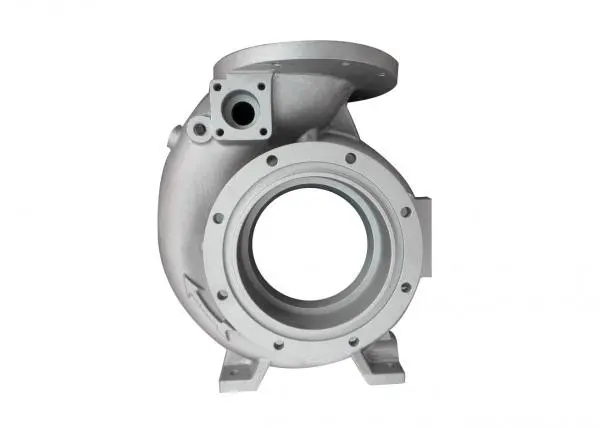
Key Factors That Determine Cast Aluminum Lifespan
Cast aluminum's longevity isn't random; it's shaped by deliberate choices made during material selection, production, and use. Below are the most impactful factors, illustrated with examples relevant to your industry (automotive, aerospace, medical, electrical/electronic, and industrial equipment).
Aluminum Alloy Composition
Different aluminum alloy casting are engineered for specific traits, corrosion resistance, strength, and ductility that directly affect how long they last. For instance:
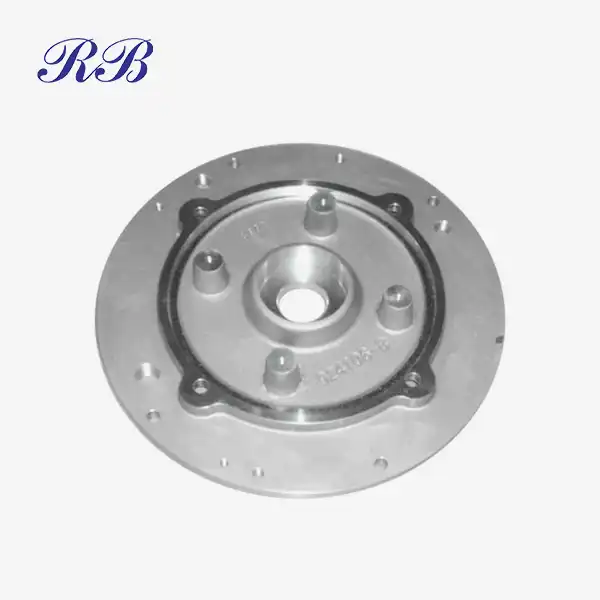
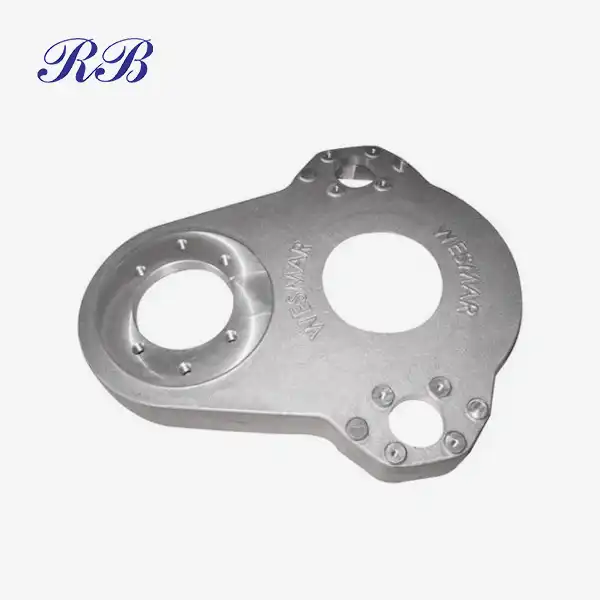
- 356.0 Aluminum Alloy: A staple in automotive and industrial casting (e.g., Rongbao's cast motor end covers and agitator base parts), it balances ductility (resistance to bending failure) and corrosion resistance. In passenger vehicles, 356.0 engine components typically last 15–20 years, even with regular heat and vibration.
- 5083 Aluminum Alloy: Designed for extreme corrosion resistance, it's ideal for parts exposed to moisture or chemicals, like sensor covers for mining machinery (which operate in damp, dusty environments) or marine equipment. Parts made from 5083 can last 20–30 years with minimal maintenance.
- 2024 Aluminum Alloy: A high-strength alloy used in aerospace components (e.g., structural brackets). While it offers exceptional strength, it's less corrosion-resistant than 5083, so it requires protective coatings. With proper treatment, 2024 cast parts can serve 25–40 years in aircraft.
Choosing the wrong alloy cuts lifespan drastically: Using a low-corrosion alloy like 413.0 for a natural gas control valve (exposed to moisture) could lead to failure in 5–7 years, versus 15+ years with 5083.
Environmental Exposure
Cast aluminum and aluminum alloy casting's biggest enemy is corrosion, triggered by exposure to:
- Moisture and Salt: Parts like automotive undercarriages or marine sensors face saltwater or road salt, which accelerates rust-like oxidation. Unprotected cast aluminum in these environments may degrade in 8–12 years.
- Chemicals: Medical device housings (e.g., for diagnostic equipment) or industrial valve components may contact cleaning agents or solvents. Harsh chemicals can eat away at aluminum's surface, shortening lifespan by 30–50% if uncoated.
- Extreme Temperatures: Aerospace components or engine parts undergo repeated heating and cooling (“thermal cycling”), which weakens metal over time. A cast aluminum turbine bracket without proper heat treatment might develop cracks after 10 years, versus 25+ years with stress-relief processes.
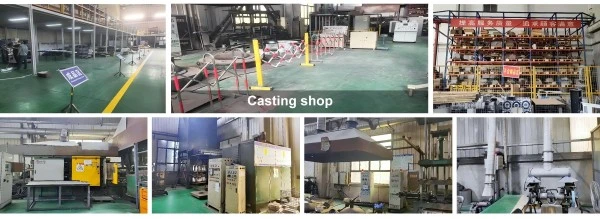
Rongbao mitigates environmental damage by applying custom coatings, such as anodization or powder coating, to parts like cast sink filters for bearing end covers, extending their resistance to moisture and chemicals.
Maintenance Practices
Regular maintenance preserves cast aluminum lifespan, especially for high-value or safety-critical parts:
- Aerospace Industry: Airlines inspect cast aluminum structural parts annually using ultrasonic testing to detect tiny cracks. This proactive care extends lifespan from 20 to 35+ years.
- Automotive Industry: Routine oil changes and undercarriage cleaning prevent salt buildup on cast aluminum engine parts, helping them reach 18–20 years (versus 12–15 years with neglect).
- Industrial Equipment: Wiping down cast aluminum agitator bases or sensor covers to remove dust and debris prevents abrasive wear, maintaining structural integrity for 12–15 years.
Even low-maintenance parts (like static electrical connector housings) benefit from occasional inspections, catching small issues early avoids costly replacements.
Casting Quality and Post-Treatment
Poor casting quality creates hidden flaws that shorten lifespan:
- Porosity: Tiny gas bubbles in molten aluminum act as stress points. A porous cast aluminum medical device housing might crack under light pressure after 5 years, versus 15+ years with degassed, dense metal.
- Inadequate Heat Treatment: The T6 heat treatment process (solution heating, quenching, aging) strengthens aluminum by 200–300%. An untreated 356.0 cast motor end cover may fail in 8 years, while a T6-treated one lasts 18+.
- Uneven Wall Thickness: Molds with inconsistent thickness cause uneven cooling, leading to internal stress. A cast aluminum sensor cover with thin spots might split after 6 years, versus 12+ years with uniform design.
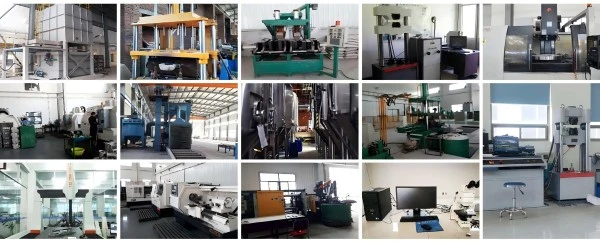
Rongbao avoids these issues by using CAD-designed molds for uniform thickness, degassing molten aluminum and aluminum alloy casting to eliminate porosity, and mandatory T6 heat treatment for high-stress parts. We also conduct X-ray and ultrasonic testing to ensure every casting meets ASTM B179 standards for quality.
Application Stress
How a part is used, its mechanical load, vibration, or pressure, directly impacts lifespan:
- High-Stress Parts: Cast aluminum agitator bases (which spin at high speeds) or aerospace landing gear components face constant mechanical stress. With proper alloy selection (e.g., 2024) and design, they last 10–15 years.
- Low-Stress Parts: Static parts like electrical connector housings or bearing end cover sink filters experience minimal load. These can last 20–30 years, as long as they're protected from corrosion.
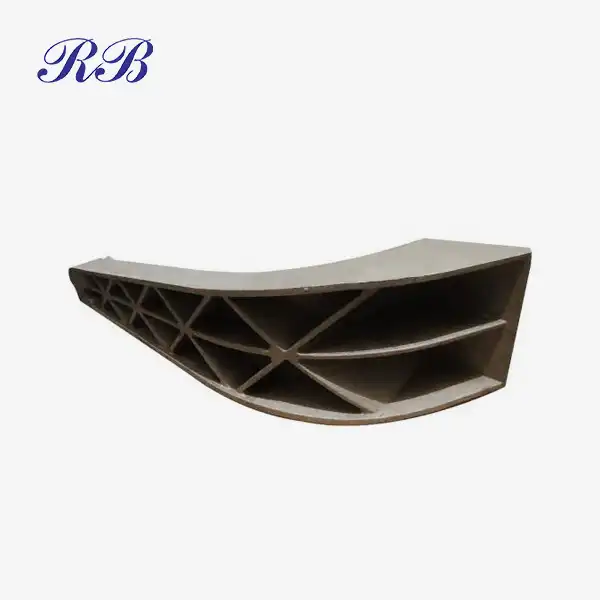
- Vibration-Prone Parts: Mining machinery sensor covers endure constant shaking. Rongbao adds reinforcing ribs to these parts, distributing stress and extending lifespan from 8 to 12+ years.
Rongbao Ensures Long-Lasting Aluminum Alloy Casting
At Rongbao, China's professional aluminum alloy die casting manufacturer, factory, and supplier, we prioritize lifespan in every step of our process, aligning with your goals of cost control (fewer replacements) and reliable delivery (no unexpected failures). Here's how we do it:
1. Alloy Customization: We select alloys based on your part's use,e.g., 5083 for corrosion-prone natural gas valve components, 356.0 for automotive motor end covers, to maximize durability.
2. Quality Control: Degassing, X-ray testing, and T6 heat treatment eliminate flaws that shorten lifespan. Our cast parts meet ISO 9001 and ASTM standards for density and strength.
3. Environmental Protection: Anodization, powder coating, or chemical treatments shield parts from moisture, salt, and chemicals, critical for mining or marine applications.
4. Design Support: Our CAD team reviews your designs to add reinforcing ribs (for vibration) or uniform walls (for even cooling), ensuring parts stand up to real-world stress.
For example, our cast sink filters for bearing end covers undergo 1,000+ hours of durability testing, confirming they last 12+ years in industrial settings,saving clients from frequent replacements.
Cast aluminum's lifespan isn't fixed; it's a result of smart choices: the right alloy, quality casting, environmental protection, and maintenance. For your industry,whether automotive, aerospace, medical, or industrial,this means investing in parts that balance upfront cost with long-term reliability. Rongbao specializes in customized aluminum alloy casting for exactly this purpose, offering products like cast motor end covers, mining machinery sensor covers, connector housings, agitator base parts, bearing end cover sink filters, and natural gas control valve accessories. We ensure your parts last as long as you need them to, reducing operational costs and minimizing downtime. For a free sample or to discuss how we can optimize your cast aluminum design for durability, contact us today at steve.zhou@263.net or zhouyi@rongbaocasting.com.
References
1. ASTM International. (2024). Standard Specification for Aluminum-Alloy Die Castings (ASTM B179/B179M-24). West Conshohocken, PA: ASTM International.
2. The Aluminum Association. (2023). Durability of Cast Aluminum Alloys: Industry Lifespan Data. Washington, DC: The Aluminum Association.
3. Foundry Management & Technology. (2022). “Extending Cast Aluminum Lifespan Through Coating and Heat Treatment.” Vol. 175, No. 9, pp. 51-55.
4. American Foundry Society. (2021). Corrosion Resistance in Cast Aluminum: Best Practices for Industrial Applications. Schaumburg, IL: American Foundry Society.
5. Rongbao Enterprise. (2024). Lifespan Testing of 356.0 Aluminum Motor End Covers: 15-Year Field Performance Report. Shanghai, China: Rongbao Enterprise.
Learn about our latest products and discounts through SMS or email