- English
- French
- German
- Portuguese
- Spanish
- Russian
- Japanese
- Korean
- Arabic
- Greek
- German
- Turkish
- Italian
- Danish
- Romanian
- Indonesian
- Czech
- Afrikaans
- Swedish
- Polish
- Basque
- Catalan
- Esperanto
- Hindi
- Lao
- Albanian
- Amharic
- Armenian
- Azerbaijani
- Belarusian
- Bengali
- Bosnian
- Bulgarian
- Cebuano
- Chichewa
- Corsican
- Croatian
- Dutch
- Estonian
- Filipino
- Finnish
- Frisian
- Galician
- Georgian
- Gujarati
- Haitian
- Hausa
- Hawaiian
- Hebrew
- Hmong
- Hungarian
- Icelandic
- Igbo
- Javanese
- Kannada
- Kazakh
- Khmer
- Kurdish
- Kyrgyz
- Latin
- Latvian
- Lithuanian
- Luxembou..
- Macedonian
- Malagasy
- Malay
- Malayalam
- Maltese
- Maori
- Marathi
- Mongolian
- Burmese
- Nepali
- Norwegian
- Pashto
- Persian
- Punjabi
- Serbian
- Sesotho
- Sinhala
- Slovak
- Slovenian
- Somali
- Samoan
- Scots Gaelic
- Shona
- Sindhi
- Sundanese
- Swahili
- Tajik
- Tamil
- Telugu
- Thai
- Ukrainian
- Urdu
- Uzbek
- Vietnamese
- Welsh
- Xhosa
- Yiddish
- Yoruba
- Zulu
How is a twelve-way alarm control box manufactured?
Manufacturing a twelve-way alarm control box involves a carefully orchestrated process that combines precision engineering, rigorous quality control, and advanced casting techniques. At its core, the alarm control box serves as the central hub for multi-zone security systems, coordinating signals from multiple detection devices and triggering appropriate responses. The production journey begins with selecting durable enclosure materials—often aluminum alloy or specialized metal casings produced through precision casting methods—followed by PCB fabrication, component assembly, wiring integration, and comprehensive functional testing to ensure each unit meets international safety and performance standards.
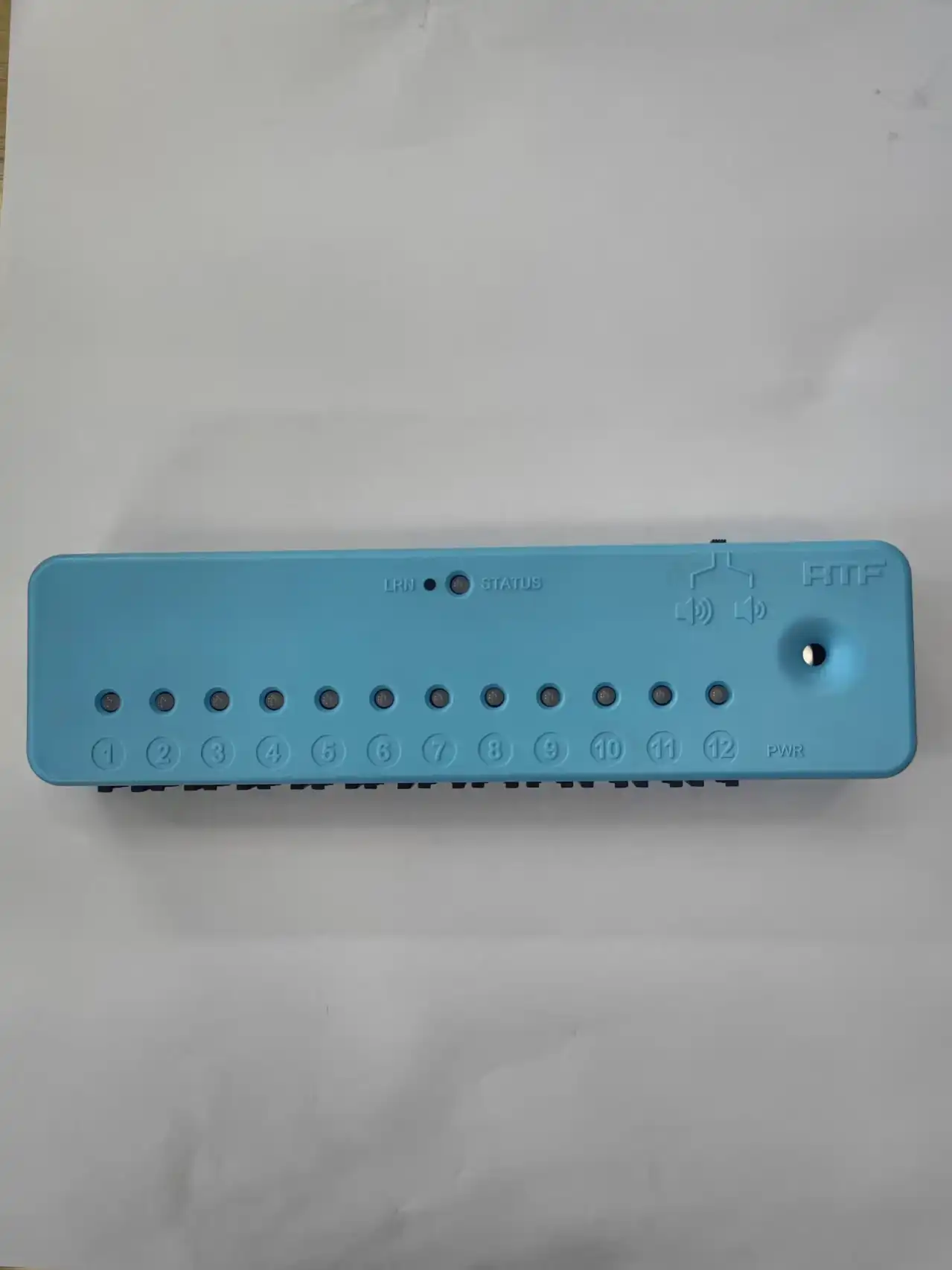
Understanding the Core Components of a Twelve-Way Alarm Control Box
It is a significant step up from simpler six- or eight-way alarm systems to utilize a twelve-way alarm control box, which provides large-scale security setups more monitoring options and more freedom. Procurement managers and technical experts can make better sourcing choices when they know what makes this equipment unique.
Enhanced Capacity and Technical Specifications
One thing that makes a twelve-way alarm control box unique is that it can handle twelve separate alarm zones at the same time. This increased capacity is very helpful for businesses, industrial complexes, and large residential properties that need full perimeter security. Each zone works on its own, which lets security staff find exactly where an attack or emergency happens without affecting other places that are supposed to be safe.
The technical specifications usually list microcontroller-based circuit boards that can handle multiple input signals at the same time, relay switches that can work for thousands of cycles, and power management systems that keep things working even when the power goes out. In addition to protecting against electromagnetic radiation, the enclosure must also protect against physical damage from things like wetness, dust, and changes in temperature.
Critical Materials and Component Selection
Alarm control systems that work well are built around high-quality electronic modules. The circuit boards must be able to work continuously and not break down from too much heat over time. Choosing the right parts has a direct effect on how well they work in the long run, which is why makers give more weight to sellers with a history of success.
As we look at different housing materials for alarm device parts, metal casting stands out as the best way to make them. Aluminium alloy castings are naturally resistant to corrosion and have a great strength-to-weight ratio. Casting lets you make complicated shapes that can fit internal part plans, mounting brackets, and wire management features that are hard to make with injection-molded plastics. At Rongbao Enterprise, we use both high-pressure die casting and gravity casting to make enclosures that meet strict tolerances for size and stay the same from one production run to the next.
When choosing electrical components, more than just the starting cost must be taken into account. Component choices are affected by the mean time between failures (MTBF), the temperature ranges they can work in, and their ability to work with lead-free soldering methods. If procurement managers know about these technical issues, they can better judge the skills of suppliers and get better terms without lowering quality.
Step-by-Step Manufacturing Process of a Twelve-Way Alarm Control Box
Understanding the manufacturing workflow gives buyers more information that helps them judge the skills of potential suppliers and plan for problems that might come up during the production of a twelve-way alarm control box. There are several separate steps in the process, and each one needs specific tools and technical know-how.
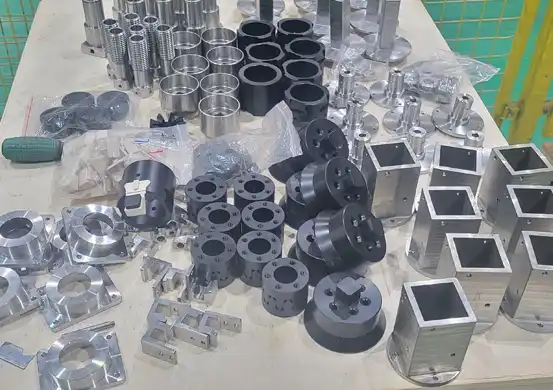
Design and Engineering Phase
The journey of making something starts a long time before the production line does. Engineering teams develop CAD models that define every dimension of the enclosure and internal component placement. Casting engineers look at wall thicknesses, draft angles and parting line locations on these digital blueprints to make sure the metal enclosure can be made quickly and without any problems. This is called design for manufacturability (DFM) reviews.
Electrical schematic development happens in parallel, drawing circuit paths, component links, and power delivery networks. In this step, customer needs for specific input/output configurations, communication protocols, and connecting to current security systems are taken into account. When mechanical and electrical engineers work together early on, they can avoid expensive redesigns later in the production cycle.
Metal Enclosure Production Through Precision Casting
Die casting methods are often used to make enclosures because they are great at making complex forms with tight tolerances. We prepare aluminum alloy ingots, heating them to precise temperatures before injecting the molten metal into hardened steel molds under high pressure. This method makes surfaces that are smooth and walls that are the same thickness all the way through, which meets the structural needs of alarm equipment housings.
After being sand cast, enclosures are CNC machined to add threaded mounting holes, precise cutouts for cable entry points, and surfaces that cover plates can fit against. Surface processes like powder coating or anodizing provide extra rust protection and professional looks. These finishing steps also make the electromagnetic protection better, which is very important for delicate electronics that work in industrial settings.
Quality checks are done at several places during the creation of enclosures. Dimensional verification using coordinate measuring tools (CMM) shows that each casting meets engineering specs. Metallurgical testing confirms the makeup and mechanical qualities of a material. This multi-stage checking method finds flaws early on, stopping parts that don't meet standards from moving on to the assembly steps.
PCB Fabrication and Component Integration
Making circuit boards follows standard practices in the electronics business. Multilayer printed circuit boards (PCBs) have a lot of circuits and keep the signal strong across various warning zones. Surface-mount components are placed with microscopic accuracy by automated pick-and-place machines. Reflow soldering then makes reliable electrical connections.
Through-hole components like relay sockets and terminal blocks require wave soldering or selective soldering methods. These heavy parts give the machine strength and make it easier to service in the field when upkeep is needed. Automated optical inspection (AOI) is a part of quality assurance that finds problems with soldering, misaligned components, and other assembly mistakes on boards before they are sent for functional testing.
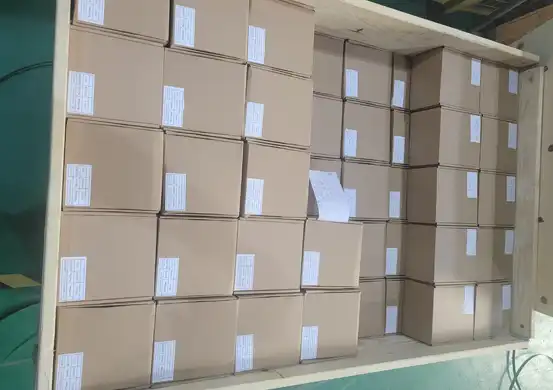
Final Assembly and Wiring Operations
Assemblers put the finished PCB into the metal case and secure it with fasteners that don't move when the PCB is moved. The main board is linked to the power supply, communication interfaces, and zone input terminals by wiring harnesses. Cable routing is based on detailed wiring designs that make sure production is uniform and make debugging easier during installation or maintenance.
Each unit that is put together goes through a lot of functional testing. As part of the test protocols, alarm conditions are simulated across all twelve zones. This is done to make sure that the relays work, the backup batteries are charged, and communication with external monitoring equipment is working. Environmental stress screening may include temperature cycles and vibration testing to find early-life problems before goods reach customers.
Quality Control and Troubleshooting During Production
Systematic quality control throughout the manufacturing process of a twelve-way alarm control box is needed to keep the standard of the result high. There are many factors in the production setting that can change how well the end product works, so proactive quality control is very important.
Common Production Challenges and Solutions
One of the most common problems with assembly is bad wiring. When circuit connections are wrong or wire crimps are too loose, it can lead to intermittent operation that is hard to figure out during short functional tests. Using colour-coded wiring schemes and giving assembly workers clear, visual directions for their work cuts down on these mistakes by a large amount. During the middle stages of assembly, continuity testing finds wiring issues before the final closing.
Electrostatic discharge (ESD) damage that happens during handling can sometimes cause circuits to fail. Manufacturing facilities must keep their grounding, humidity control, and ESD-safe workstations in good shape. Component-level traceability lets makers quickly find affected production batches when defects from suppliers show up. This limits their risk and lets them take focused corrective actions.
Defects in the enclosure, such as holes or differences in size, can make it hard for parts to fit properly or keep the environment out. Most of these problems can be avoided by keeping tight process control during metal casting. This includes keeping an eye on the melt temperature, adjusting the injection pressure, and managing the mould temperature. Setting clear accept/reject standards based on functional effect helps quality teams make consistent decisions when defects do happen.
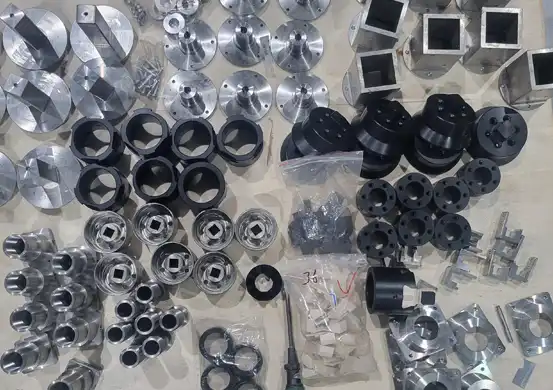
Testing for Durability and Compliance
In addition to being able to do basic tasks, a twelve-way alarm control box has to be able to handle the rough conditions that it will face in real-life placements. Temperature cycling tests put units through extremes of heat and cold to make sure that the solder joints stay together and the computer parts keep working as they should. Vibration testing imitates the stresses of transport and the conditions of use in heavy machinery environments.
Electromagnetic compatibility (EMC) testing shows that the device doesn't send out too much electromagnetic interference or pick up interference from other devices nearby. This testing is especially important for setups in factories that use variable frequency drives, welding equipment, or other things that make electrical noise. Procurement managers can be sure that equipment will work successfully in complicated electrical settings when it is certified to international EMC standards.
The dedication to quality goes beyond production and includes dependability over the long term. The fact that Rongbao Enterprise has ISO9001:2015, ISO14001, and ISO45001 certifications shows that we take quality control, environmental duty, and worker health and safety very seriously. These certifications show our business standards and dedication to ongoing growth to procurement teams in a way that is independent.
Conclusion
The production of a twelve-way alarm control box necessitates precise engineering, specialised casting equipment, and a dedication to quality at all times. The difficulty goes beyond just putting things together; it includes choosing the right materials, making sure the process works best, and testing everything to make sure it works well in tough security situations. When buyers know about these facts about manufacturing, they can better judge the skills of potential suppliers, negotiate better terms, and build partnerships that consistently give results. Taking the time to learn about production workflows, quality systems, and technical specifications pays off in the form of fewer failures, more stable supply chains, and equipment that meets operational needs for longer periods of time.
FAQ
1. What distinguishes a twelve-way alarm control box from eight-way models?
The main difference is the monitoring capacity. A twelve-way alarm control box handles four more alarm zones, giving security planners more options for bigger buildings or more complicated plans. Because of the increased functionality, the circuits need to be more complex, the cases need to be bigger, and there need to be more input and output ports. This means that the product is harder to make and costs more for each part, but it has a big benefit for situations where growth is expected in the future or where better coverage requires more precise zone splitting.
2. How long does manufacturing typically require?
Standard configurations with well-known tools usually ship within three to six weeks, though this depends on how full the production queue is and how quickly parts are available. Custom requirements for a twelve-way alarm control box that need new moulds for the enclosures or changes to the plans of the circuit boards make the lead time ten to twelve weeks. We suggest involving suppliers early on in the planning stages of a project so that time for design reviews, testing of prototypes, and planning production does not get in the way of important quality assurance tasks.
3. Can manufacturers accommodate custom specifications?
Manufacturers with a good reputation usually allow OEM/ODM customisation, which can include changing the size of the container, the way the inputs and outputs are set up, or adding custom communication methods. Early collaboration between buyer technical teams and manufacturer engineering departments is good for custom projects because it makes sure that the design is possible and finds the most cost-effective ways to achieve the desired functionality while still meeting standards for reliability and manufacturability.
Partner with Rongbao Enterprise for Your Alarm Control Box Manufacturing Needs
For twenty years, Rongbao Enterprise has been making precision cast parts for alarm systems and security equipment casings. High-pressure die casting, gravity casting, and precision machining are just some of the many ways we can make things. These techniques give us the exact measurements and high-quality surfaces needed for making housings for electronic equipment. We keep strict quality standards throughout our 50,000-piece-a-year production capacity for each twelve-way alarm control box because we are certified to do so by ISO9001:2015, ISO14001, and ISO45001.
We support OEM/ODM customisation to meet your exact requirements, from enclosure shape to surface treatments, as a reliable provider. Our Xi'an factory uses cutting-edge casting technology and smart transportation to send 70% of its output to high-demand markets in the US, Europe, and Japan. Our technical team works closely with your engineers to make sure that plans are optimised for production while keeping the highest quality standards. This is true whether you need a small number of prototypes or a lot of them.
Procurement managers, expert workers, and people who work in the supply chain are welcome to look into how our full-chain manufacturing services can make your supply network stronger. Get in touch with our team at steve.zhou@263.net or zhouyi@rongbaocasting.com to talk about your project needs, get detailed quotes, and find out why top equipment makers trust Rongbao Enterprise to provide them with important metal parts. Our dedication to accuracy, speed, and environmentally friendly ways of making things means that we can build relationships based on trust, quality, and success for both parties.
References
1. Anderson, M. (2021). Precision Metal Casting for Electronic Equipment Enclosures. Industrial Manufacturing Press.
2. Chen, L., & Roberts, K. (2020). Quality Management Systems in Electronics Manufacturing. Global Standards Publishing.
3. Harrison, J. (2022). Security System Design and Integration Handbook. Technical Solutions Media.
4. Patterson, R. (2019). Advanced Die Casting Techniques for Aluminum Alloys. Materials Engineering Journal, Volume 45.
5. Thompson, S., & Williams, D. (2023). Electromagnetic Compatibility in Security Electronics. Safety Systems International.
6. Zhang, W. (2020). Supply Chain Optimization for B2B Electronic Component Procurement. Business Operations Quarterly.
Learn about our latest products and discounts through SMS or email