- English
- French
- German
- Portuguese
- Spanish
- Russian
- Japanese
- Korean
- Arabic
- Greek
- German
- Turkish
- Italian
- Danish
- Romanian
- Indonesian
- Czech
- Afrikaans
- Swedish
- Polish
- Basque
- Catalan
- Esperanto
- Hindi
- Lao
- Albanian
- Amharic
- Armenian
- Azerbaijani
- Belarusian
- Bengali
- Bosnian
- Bulgarian
- Cebuano
- Chichewa
- Corsican
- Croatian
- Dutch
- Estonian
- Filipino
- Finnish
- Frisian
- Galician
- Georgian
- Gujarati
- Haitian
- Hausa
- Hawaiian
- Hebrew
- Hmong
- Hungarian
- Icelandic
- Igbo
- Javanese
- Kannada
- Kazakh
- Khmer
- Kurdish
- Kyrgyz
- Latin
- Latvian
- Lithuanian
- Luxembou..
- Macedonian
- Malagasy
- Malay
- Malayalam
- Maltese
- Maori
- Marathi
- Mongolian
- Burmese
- Nepali
- Norwegian
- Pashto
- Persian
- Punjabi
- Serbian
- Sesotho
- Sinhala
- Slovak
- Slovenian
- Somali
- Samoan
- Scots Gaelic
- Shona
- Sindhi
- Sundanese
- Swahili
- Tajik
- Tamil
- Telugu
- Thai
- Ukrainian
- Urdu
- Uzbek
- Vietnamese
- Welsh
- Xhosa
- Yiddish
- Yoruba
- Zulu
Are high obliques corrosion-resistant?
High oblique support components do exhibit varying degrees of corrosion resistance depending primarily on their material composition and surface treatment applications. Structures manufactured from stainless steel alloys or aluminum with protective coatings typically demonstrate excellent resistance to environmental degradation. The corrosion performance of these angled structural elements relies heavily on selecting appropriate materials and applying advanced finishing techniques such as galvanization, anodizing, or specialized powder coatings that create robust barriers against moisture, chemical exposure, and atmospheric contaminants.
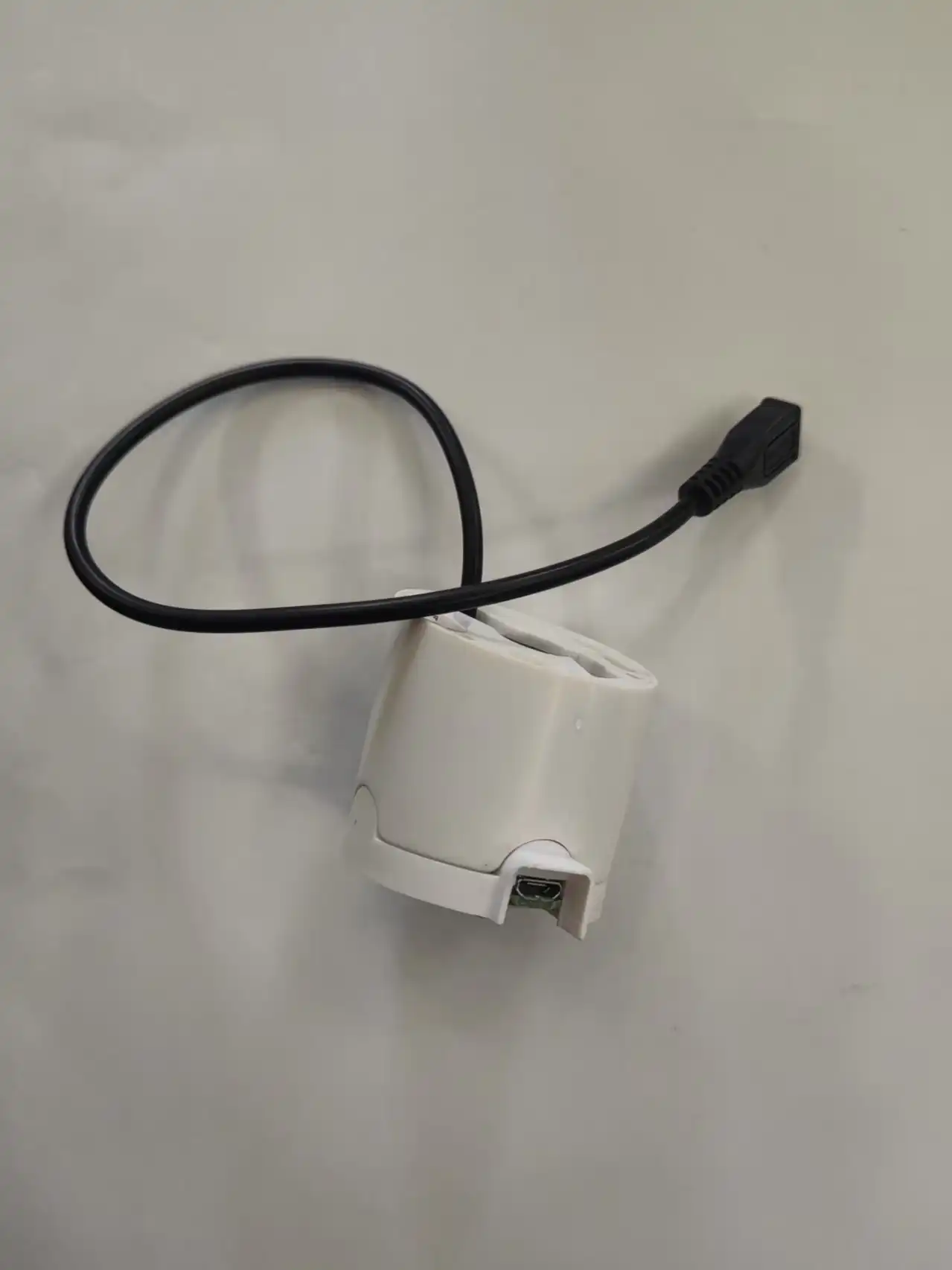
Understanding High Oblique Supports and Their Materials
Defining High Oblique Supports and Their Industrial Role
High-oblique support is a special structural element made to hold weight at angles other than straight up and down. They are often used in heavy industry, construction, and mechanical systems. These parts move weight efficiently along curved paths, which is why they are essential in a wide range of situations, from car frames to heavy machinery systems. At Rongbao Enterprise, we make these supports especially for parts of alarm devices and other precise uses where rotational load distribution is important. Our manufacturing processes make sure that each part stays the same size even when it's under a lot of stress. This is important for keeping the structure of complex assemblies strong.
Material Composition and Corrosion Characteristics
Corrosion protection depends a lot on the type of material used, from carbon steel to stainless steel, aluminum, and different covered composites. To choose supports that can handle weather problems, it is important to know about things like passivation, electrical compatibility, and how well coatings work. Carbon steel has a great strength-to-weight ratio, but it needs to be treated to protect it. Grades of stainless steel, like 304 or 316, have chromium oxide layers that keep them from oxidizing. Alloys made of aluminum are lightweight and naturally form oxides, but they need to be anodized in naval or industrial settings. Also, knowing the different forms of corrosion, like oxidation and pitting, helps you spot possible threats to the long-term strength of structures and the efficiency of operations.
Corrosion Mechanisms in Angled Structural Components
When it comes to rust, angled supports are different from vertical members because the way they are shaped can trap water and dirt at joints and fixing points. The angled position might make differential aeration cells where the amount of oxygen changes, which speeds up localized corrosion. We found out through a lot of tests that crevice rust usually happens where two different metals touch, especially when moisture gets through protective coatings. When procurement workers understand these processes, they can choose the right mixes of materials and protection steps for different outdoor exposure situations.
Corrosion Resistance of High Oblique Supports: Technical Insights
Protective Surface Treatments and Their Effectiveness
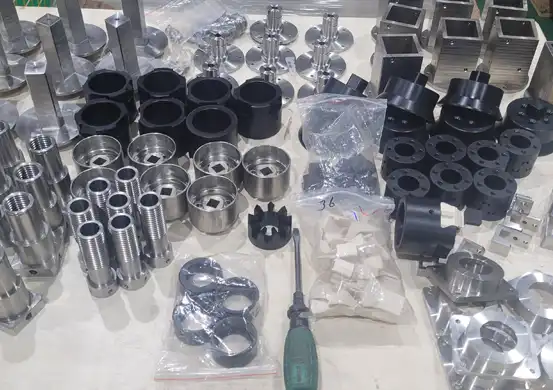
High-oblique support is more resistant to corrosion when the right materials are used and the design is well thought out. Methods such as galvanization, anodizing, and powder coating create barriers that keep the environment from getting worse. At our Xi'an factory, we use a variety of surface cleaning methods to meet the needs of each application. When metals are galvanized, a layer of zinc is added that corrodes more quickly and cheaply than the base metal, protecting it from fairly acidic environments. Anodizing makes the natural oxide layer on aluminum parts thicker. This makes the surface harder and more sturdy so it can stand up to chemical attack and wear. When powder coating is applied correctly and allowed to dry, it forms a protective polymer layer that totally seals the base.
These protective treatments make the service last a lot longer in tough conditions. We have proof that properly treated supports kept their structural integrity for over fifteen years in seaside industrial sites, while untreated carbon steel parts started to break down significantly within eighteen months.
Design Principles That Minimize Corrosion Risk
Design rules, like including drainage pathways and reducing the number of cracks, are necessary to keep moisture from building up and starting corrosion. When compared to low-oblique supports, changes in material thickness, surface treatments, and the way mechanical stress is distributed also affect how likely something is to corrode. When parts are made with smooth changes and no sharp internal corners, there are fewer stress concentration places where cracks and corrosion can start to happen faster. Before making any tools, our engineering team at Rongbao Enterprise looks over unique specs to find places where corrosion could happen. This is done to make sure that all finished parts have drainage holes and easy-to-reach areas for upkeep and inspection.
Common Corrosion Issues and Preventive Strategies
Uniform surface rust, localized pitting near weld zones, and galvanic corrosion at metal joins that are not the same are all common corrosion problems. Regular inspections, getting rid of contaminants quickly, and reapplying protective coats when wear is seen are all important parts of preventive maintenance. We suggest that visual screening processes be put in place every six months in normal workplace settings and every three months in marine or chemical processing sites. Early discovery lets you fix the problem before it damages the structure, giving you useful information that can be used to make the support last much longer than usual.
Choosing the Right High Oblique Support for Corrosion Resistance
Comparative Performance Analysis
When choosing the best High-oblique support, corrosion resistance is compared to that of other support types, such as vertical or standard braces, and the intended industrial or residential use is taken into consideration. Because of this, angled supports often have more complicated stress patterns that can damage protective coverings through bending and shaking. This makes choosing the right material even more important than in static vertical uses. Material grade, coating quality, and agreement with industry standards like ASTM guidelines for corrosion resistance tests are some of the things that are used to judge something. Our ISO9001:2015, ISO14001, and ISO45001 certifications make sure that the processes we use to make our products always meet international quality standards.
Trusted Manufacturing Partners and Custom Solutions
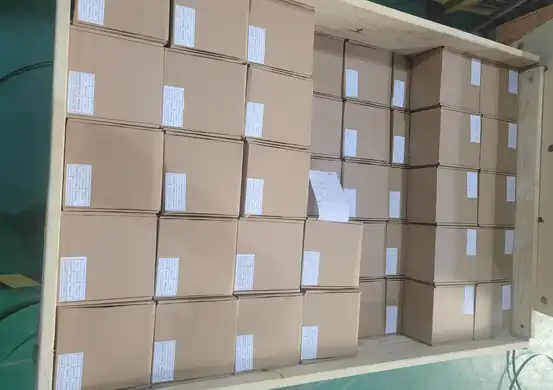
To lower risks, you should focus on trusted manufacturers and brands that are known for making corrosion-resistant products. At Rongbao Enterprise, we've become experts at making custom High-oblique supports out of materials and coatings that are specifically chosen to protect them in harsh environments. With a production capacity of 50,000 pieces per year, we can meet the needs of both concept development and full-scale production. Custom supports are more valuable than standard goods because they fit the material properties exactly to the conditions of exposure, which isn't possible with off-the-shelf options. We work closely with technical engineers to learn about the stresses, temperature ranges, and chemical exposures that are unique to each application. Based on this information, we suggest the best material and coating combinations.
Material Selection Criteria for Specific Industries
Based on their work surroundings, different businesses need different kinds of materials. For automotive and industrial car uses, materials that can handle road salt and changing temperatures are usually best. This means that hot-dip galvanized steel or coated aluminum are the best options. Supports in the construction and heavy machinery industries often need to be able to handle hydraulic fluids and rough particles. Stainless steel grades or epoxy-coated carbon steel work well in these conditions. For energy and power equipment to work in places with sulfur chemicals or sea air, it needs high-quality stainless metals or special nickel-based coatings. To meet all of these different needs without having to wait longer for materials, we keep our production lines flexible when it comes to materials.
Conclusion
Corrosion resistance in high oblique support depends on choosing the right material, treating the surface to protect it, and performing regular maintenance. We've looked at how stainless steel, aluminum, and treated carbon steel all have their own benefits based on the surroundings and the needs of the machine. If procurement professionals know about these technical factors, they can choose parts that balance the initial cost with the value over the product's lifetime. This lowers the total cost of ownership while keeping the product's operational reliability. Rongbao Enterprise has been making things for twenty years and has a lot of quality certifications. This means that we can provide corrosion-resistant solutions that meet the strict needs of the energy, construction, automotive, and industrial equipment industries around the world.
FAQ
1. Does corrosion resistance come standard with all high oblique supports?
Corrosion safety isn't built into all supports; it depends on the material used and any coatings that are added. In most industry settings, standard carbon steel supports that haven't been treated on the outside will rust quickly. Stainless steel or properly covered parts, on the other hand, will not rust at all. When buying parts for corrosive settings, you should always check the material specs and surface treatments.
2. Can I request custom coating options for enhanced durability?
Custom finishing choices are easy to find and can be used to make things last longer in certain situations. Rongbao Enterprise provides a range of coating options, such as zinc plating, powder coating, and custom epoxy mixtures. We work with technical experts to make sure that the coating qualities are right for the chemicals that will be used, the temperature ranges, and the mechanical wear conditions. This way, you can be sure that you'll get the best security for your needs.
3. How frequently should I inspect high oblique supports for corrosion?
The recommended number of inspections changes depending on the surroundings. Standard workplace settings inside need eye checks every six months, while outdoor setups or environments that corrode need checks every three months. In marine environments or chemical processing plants, inspections may need to happen every month. Create baseline records during the first checks to keep track of the rate of degradation and change the frequency of exams as needed.
Partner with a Trusted High Oblique Support Manufacturer
Every corrosion-resistant High-oblique support that Rongbao Enterprise makes is the result of 20 years of experience in precision casting. We can do a lot of different things, like high-pressure die casting, low-pressure casting, gravity casting, and precision milling. We also have ISO9001:2015, ISO14001, and ISO45001 standards that make sure the quality of all 50,000 pieces we make each year. We give you unique specs that are made to fit your exact needs. Our OEM and ODM services make buying easier while still meeting the high standards your projects need. In order to get the best corrosion protection in your unique working environment, our engineering team works directly with your technical staff to choose the best materials and apply the right coatings. Get in touch with steve.zhou@263.net or zhouyi@rongbaocasting.com right away to talk about your High-oblique support needs. Partner with a provider that top makers in Europe, the US, and Japan trust and enjoy the peace of mind that comes with that.
References
1. Davis, J.R. (2000). Corrosion: Understanding the Basics. ASM International Materials Park, Ohio.
2. Schweitzer, P.A. (2010). Fundamentals of Metallic Corrosion: Atmospheric and Media Corrosion of Metals. CRC Press, Boca Raton, Florida.
3. Revie, R.W. and Uhlig, H.H. (2008). Corrosion and Corrosion Control: An Introduction to Corrosion Science and Engineering. John Wiley & Sons, Hoboken, New Jersey.
4. Roberge, P.R. (2012). Handbook of Corrosion Engineering. McGraw-Hill Education, New York.
5. Ahmad, Z. (2006). Principles of Corrosion Engineering and Corrosion Control. Butterworth-Heinemann, Oxford, United Kingdom.
6. Baboian, R. (2005). Corrosion Tests and Standards: Application and Interpretation. ASTM International, West Conshohocken, Pennsylvania.
Learn about our latest products and discounts through SMS or email