- English
- French
- German
- Portuguese
- Spanish
- Russian
- Japanese
- Korean
- Arabic
- Greek
- German
- Turkish
- Italian
- Danish
- Romanian
- Indonesian
- Czech
- Afrikaans
- Swedish
- Polish
- Basque
- Catalan
- Esperanto
- Hindi
- Lao
- Albanian
- Amharic
- Armenian
- Azerbaijani
- Belarusian
- Bengali
- Bosnian
- Bulgarian
- Cebuano
- Chichewa
- Corsican
- Croatian
- Dutch
- Estonian
- Filipino
- Finnish
- Frisian
- Galician
- Georgian
- Gujarati
- Haitian
- Hausa
- Hawaiian
- Hebrew
- Hmong
- Hungarian
- Icelandic
- Igbo
- Javanese
- Kannada
- Kazakh
- Khmer
- Kurdish
- Kyrgyz
- Latin
- Latvian
- Lithuanian
- Luxembou..
- Macedonian
- Malagasy
- Malay
- Malayalam
- Maltese
- Maori
- Marathi
- Mongolian
- Burmese
- Nepali
- Norwegian
- Pashto
- Persian
- Punjabi
- Serbian
- Sesotho
- Sinhala
- Slovak
- Slovenian
- Somali
- Samoan
- Scots Gaelic
- Shona
- Sindhi
- Sundanese
- Swahili
- Tajik
- Tamil
- Telugu
- Thai
- Ukrainian
- Urdu
- Uzbek
- Vietnamese
- Welsh
- Xhosa
- Yiddish
- Yoruba
- Zulu
How is a three-way valve used in a fire pump system?
Three-way valves serve as critical flow directors in fire pump systems, controlling water circulation through diverting, mixing, or bypassing pathways. When integrated with robust piping components like the casting medium pressure tee, these valves regulate system pressure during standby and emergency activation. During routine operations, the valve may divert water back to the supply tank to prevent pump overheating, while during fire events, it redirects full flow to sprinkler networks. This dual functionality protects equipment integrity and ensures immediate response capability, forming the backbone of reliable fire suppression infrastructure.
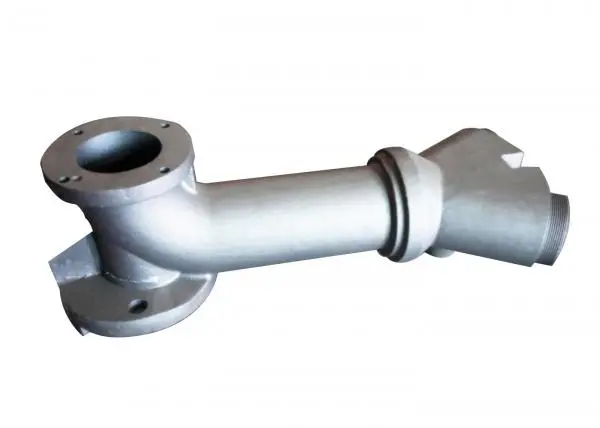
The Importance of Casting Medium Pressure Tee in Fire Pump Systems
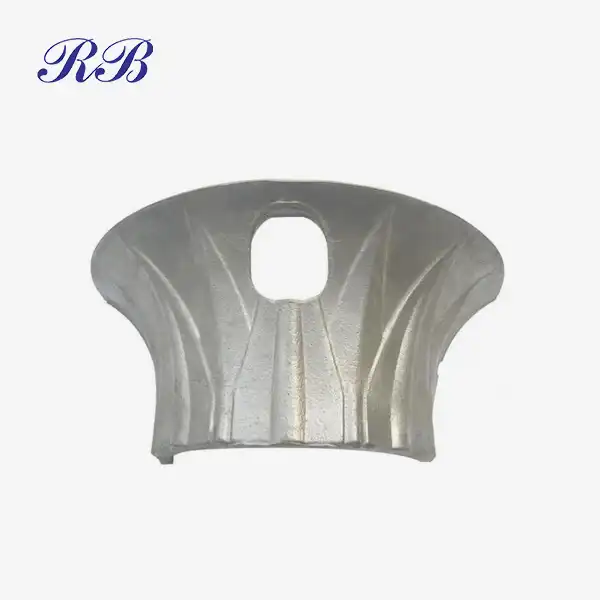
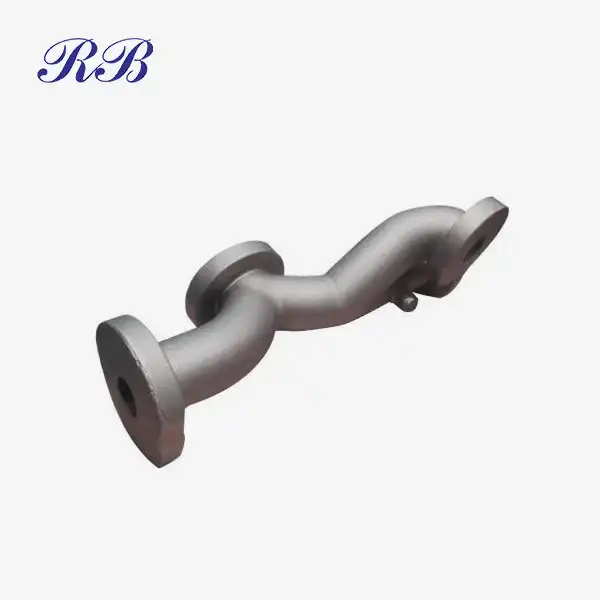
Fire pump piping networks depend on junction parts that keep the structure's integrity even when the operating conditions change. For medium pressure uses, casting medium pressure tees make connection points where main lines split off to connect to different zones or other systems.
Material Properties That Enhance System Durability
When compared to joined options, casting medium-pressure tees made by gravity casting have better grain structure. The controlled solidification that comes with casting processes gets rid of residual stresses that make fabricated fittings break too soon. This kind of parts are usually made of ZL101A aluminum metal, which has a great strength-to-weight ratio and doesn't rust in polluted water. The thermal conductivity of the alloy helps get rid of heat in recirculation lines where water temperatures can change. Each tee is CNC-machined to get exact thread measurements and mating surfaces. This makes sure that the links are leak-free and that the system pressure stays the same for decades.
Integration With Valve Systems
The casting medium-pressure tee in the casting is where the three-way valve discharge lines connect to the main distribution mains. When the casting medium pressure tee is orientated correctly, the outlet ports are placed so that there is less turbulence at flow junctions. This lowers pressure losses that make the pump less effective. Engineers who plan fire pump rooms figure out the head loss factors for each fitting. Casting tees have lower resistance values than sharp-angle welding joints. This improved hydraulic efficiency means that less energy is used and smaller pumps are needed. Shot blasting was used to make the tee's internal sides smooth. This keeps sediment from building up, which could block flow in an emergency. Quality control methods, such as checking the sizes, make sure that the products work with standard pipe systems. This makes installation easier for workers who are rushing to finish projects on time.
Cost-Effectiveness for Large-Scale Projects
The cost savings of casting medium pressure tee are appreciated by procurement managers who are looking at different fitting choices for fire protection systems in multiple buildings. Tooling costs for casting molds go down quickly over many production runs. This means that even for orders as small as a few hundred units, custom specifications are still affordable. Manufacturers that can make more than 5,000 pieces per month can meet the project deadlines for business sites that need standardized parts for multiple pump stations. The total cost of ownership is lower than with alternatives that need to be replaced often because the unit price is affordable and the service life is longer. When parts are shipped internationally, they are kept safe in wooden boxes. When they get to job sites, they are ready to be installed right away without any extra surface preparation.
Selection Criteria for Three-Way Valves and Casting Medium Pressure Tees in Fire Pump Systems
To make sure the system is reliable and easy to keep in the long term, choosing the right parts means matching technical requirements with the supplier's abilities.
Evaluating Material Certifications and Standards Compliance
Fire safety parts must meet international standards for their functional qualities and the materials they are made of. ASTM B26 lists the standards for casting aluminum alloys, and ISO 9001:2015 certification checks the quality control systems of manufacturers. Buyers should ask for test results on the material that show its tensile strength, yield strength, and elongation rates and make sure they meet the minimum requirements spelled out in the specifications. For threaded fittings, parts with ANSI/ASME B16.4 markings or ANSI/ASME B16.34 markings for valve pressure values guarantee accurate measurements. Environmental management certifications, such as ISO 14001, show that suppliers use eco-friendly methods that help companies meet their social responsibility goals. Occupational health standards like ISO 45001 show that a company cares about its workers' safety, which is linked to regular quality in the workplace.
Assessing Supplier Production Capabilities
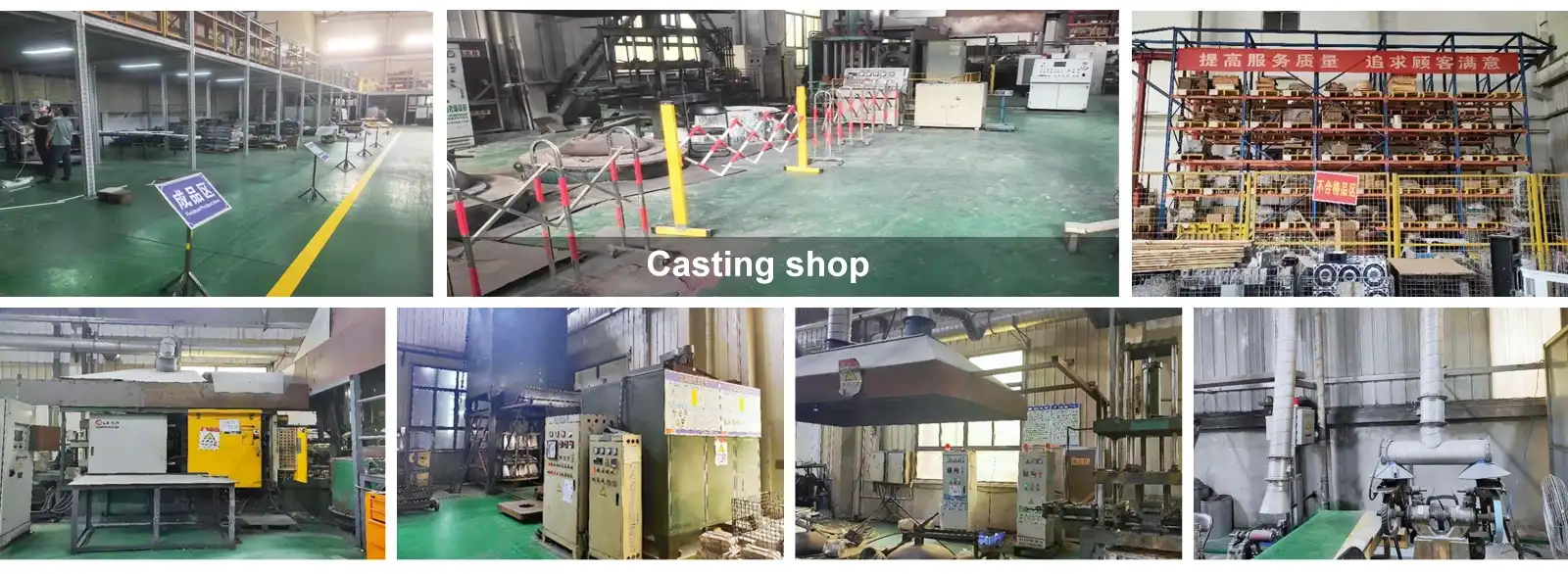
Technical details don't mean much if the delivery isn't reliable. We judge providers by their complete industrial infrastructure, which includes their own mold-making facilities, casting facilities, and CNC machining centers. Companies that offer gravity casting along with low-pressure and high-pressure die casting show that they can adapt the process to get the best results for the parts. Integrated surface treatment options, such as shot blasting, get rid of the need for suppliers to wait for each other to coordinate. The number of quality rejections that come in is lower when suppliers keep automated inspection equipment for measuring and testing without damaging the product. Production capacity standards are important. Facilities that can make thousands of pieces per month can be scaled up quickly to accommodate project growth without affecting lead times.
Customization Options and Technical Support
Standard catalogue parts can be used in a lot of situations, but complicated pump room plans often need custom configurations. We give more weight to suppliers that offer OEM/ODM services and have engineering teams that can read installation drawings and suggest ways to improve the design. Visualizing custom casting medium pressure tee positions before investing in tools is possible with parametric modeling software, which cuts down on the number of trial iterations. Technical support that lasts through the construction process helps fix problems in the field, like readings of unexpected pressure or delays in valve action. When manufacturers provide complete paperwork, such as material certificates, dimensional inspection reports, and installation instructions, it speeds up the approval process with the people who are in charge of fire safety systems.
Installation and Maintenance Best Practices
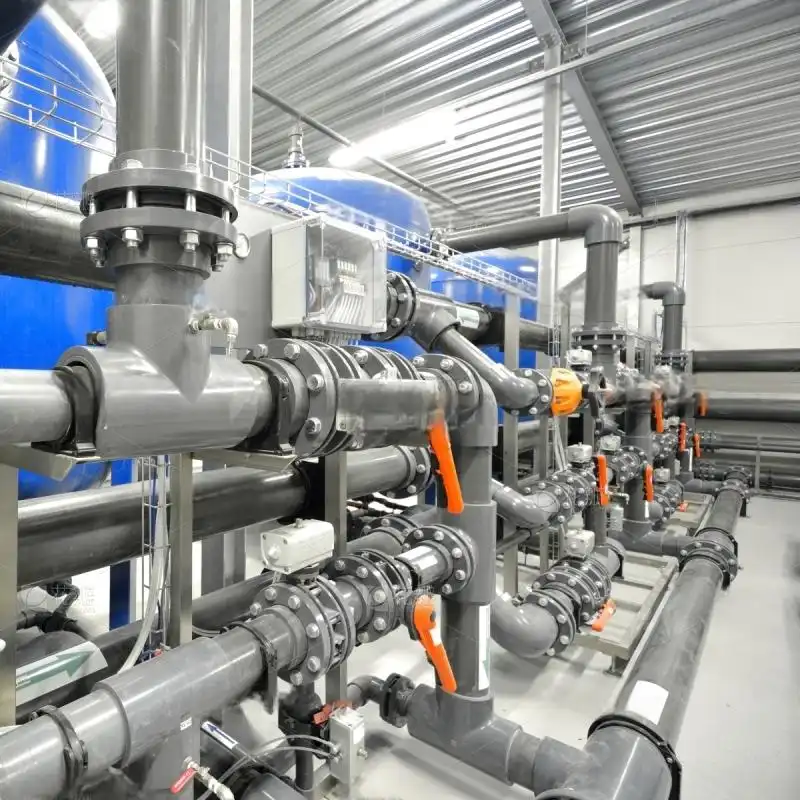
Correct installation methods and preventative maintenance schedules extend the useful life of components while keeping code compliance during system operation.
Correct Installation Procedures for Optimal Performance
To stop leaks without overstressing the casts, threaded joints need to be sealed with the right sealant and torque. We cover male threads with PTFE tape or approved pipe dope, making sure there is no extra material that could get into the flow routes. Overtightening, which bends aluminum threads, can't happen with torque wrenches that are set to the manufacturer's specs. Instead of depending on the strength of the fitting alone, casting medium pressure tees should be mounted with support frames set up to hold the weight of the pipes. We make sure that the actuator orientation fits the control logic when we connect three-way valves. Ports that are usually open must line up with the standby flow paths that are meant to be used. By testing the installation at 150% of its rated working pressure, problems can be found before the system is put into service, saving money on repairs that need to be done after the finishes are put on.
Scheduled Inspection and Preventive Maintenance
Every three months, fittings are looked at visually to see if they have any signs of corrosion, such as surface pitting or discoloration that could mean galvanic interaction with metals that are not the same. We check valve openers to make sure they work smoothly across their full stroke ranges and grease the moving parts as directed by the maker. Flow testing once a year makes sure that valve switching times meet design standards. For emergency transitions, this is usually less than five seconds. Readings from pressure gauges at important places in the system show how it is slowly breaking down due to sediment buildup or seal wear. When valves are taken apart for five-year overhauls, the internal seats can be inspected and elastomeric seals can be replaced before they harden and lose their ability to seal. Keeping detailed service logs records the past of maintenance, which is needed for insurance purposes and helps with fixing when something goes wrong without warning.
Troubleshooting Common Operational Issues
Pressure drops that are higher than what was planned are often caused by valves that are only partially closed or casting medium pressure tees that are blocked. We separate parts by carefully moving valves while keeping an eye on gauges to find places where restrictions are happening. If you hear strange vibrations or water hammer noises, it means that the valves aren't moving at the right speed and need to be adjusted or an air cushion chamber installed. Thermal cycling can loosen fittings, which can lead to leaks at threaded connections. This can be fixed by retorquing the connections while the system is down. Valve positioning that isn't always the same is a sign of actuator calibration drift, which can be fixed by recalibrating the control system against known flow benchmarks. When problems keep happening after being fixed in the field, we work with the makers of the parts to look at the returned parts and figure out if the failures were caused by material flaws or mistakes in the installation.

Conclusion
Modern fire pump systems use three-way valves and casting medium pressure tees to control the hydraulics. These parts balance standby recirculation with emergency demand response. To choose the right component, you need to look at more than just price. You need to look at the qualities of the material, how it is made, and what the provider can do. Using gravity casting, aluminum alloy casting medium-pressure tees are made that are strong, won't rust, and are precisely sized to ensure leak-free installations. When combined with valves made to the same high standards, these systems perform reliably for decades, keeping people and property safe. When procurement teams prioritize certified suppliers with full-chain manufacturing capabilities, their companies are better able to meet strict fire safety standards while keeping total ownership costs low.
FAQ
What advantages do cast medium pressure tees offer compared to forged or welded alternatives?
Gravity casting makes casting medium pressure tees with regular material density and gets rid of the leftover stresses that come with welded constructions. The casting method makes it possible to have complex internal shapes that improve flow characteristics and lower pressure losses by lowering turbulence. In chlorinated water settings, aluminum metals like ZL101A are better at resisting rust than carbon steel welds. When it comes to buying things, casting equipment lets you change the angles of ports and the types of connections without having to buy large amounts of forged fittings. Due to their better performance and cost versatility, casting medium pressure tees are the best choice for both new building and retrofitting existing structures.
How do three-way valves enhance safety in fire pump installations?
Three-way valves keep dangerous overpressure from happening by redirecting extra flow when demand is low and making sure the system works at full capacity when an emergency happens. The recirculation function keeps the flow speeds at a level that keeps the pump from getting too hot, which keeps mechanical seals from being damaged by heat. When there are sudden changes in flow, pressure-balanced valve designs stop water hammer effects. This keeps piping systems from breaking from stress. Actuators with fail-safe positioning make sure that valves go to emergency discharge configurations when the power goes out. This keeps the ability to put out fires at all times.
What lead times and minimum order quantities should buyers expect when sourcing these components?
Standard catalogue parts usually ship within two weeks from well-known makers who keep stock. Lead times are extended to six weeks for prototype validation and eight weeks for production quantities when custom specifications need new tools. Minimum order quantities depend on how complicated the item is. For example, standard threaded casting medium pressure tees may need a minimum of 100 pieces, while custom valve configurations begin at 50 units. For projects that last more than one year, suppliers who can produce 5,000 pieces per month can handle shipments that happen in stages. This is done by balancing the costs of keeping inventory with building plans. During the quotation phase, buyers should ask for specific production schedules so that purchases are in line with installation goals.
Partner With Rongbao Enterprise for Superior Fire Safety Solutions
To add precision-engineered parts to your fire pump systems, you need a manufacturing partner with both technical know-how and proven production skills. We at Rongbao Enterprise offer full casting solutions from our Xi'an facility, which has quality systems that are ISO 9001:2015, ISO 14001, and ISO 45001 certified and 20 years of experience. We use gravity casting to make three-way valve bodies and casting medium pressure tees out of ZL101A aluminum alloy. This gives us the precise measurements and consistent quality of materials needed for fire safety applications. We are a reliable supplier of casting medium pressure tee for OEMs and distributors in the automotive, construction, and industrial equipment industries. We can make more than 5,000 pieces per month, and our CNC machining centers make sure that the tolerances are very accurate. 70% of what we make goes to markets in Europe, the United States, and Japan, which shows that we are committed to meeting world quality standards. Our engineering team can help you create something that can be made, whether you need catalogue specs or custom OEM/ODM configurations. This way, you can get the best performance and value for your money. Steve Zhou can be reached at steve.zhou@263.net or zhouyi@rongbaocasting.com to talk about the needs of your project, ask for material certifications, or set up sample evaluations. We offer full solutions, from making molds to treating the surface and packing them for export. This streamlines your supply chain and makes sure that the quality is the same across all production runs.
References
- National Fire Protection Association. (2019). NFPA 20: Standard for the Installation of Stationary Pumps for Fire Protection. Quincy, MA: NFPA Publications.
- American Society of Mechanical Engineers. (2017). ASME B16.34: Valves—Flanged, Threaded, and Welding End. New York: ASME Standards.
- Hydraulic Institute. (2020). Pump Systems Design and Sizing for Fire Protection Applications. Parsippany, NJ: Hydraulic Institute Press.
- ASTM International. (2018). ASTM B26/B26M: Standard Specification for Aluminum-Alloy Sand Castings. West Conshohocken, PA: ASTM Standards.
- Factory Mutual Global. (2021). FM Approval Guide: Fire Pump Controllers and Related Equipment. Johnston, RI: FM Approvals.
- International Organization for Standardization. (2015). ISO 9001:2015 Quality Management Systems—Requirements. Geneva: ISO Central Secretariat.
Learn about our latest products and discounts through SMS or email