- English
- French
- German
- Portuguese
- Spanish
- Russian
- Japanese
- Korean
- Arabic
- Greek
- German
- Turkish
- Italian
- Danish
- Romanian
- Indonesian
- Czech
- Afrikaans
- Swedish
- Polish
- Basque
- Catalan
- Esperanto
- Hindi
- Lao
- Albanian
- Amharic
- Armenian
- Azerbaijani
- Belarusian
- Bengali
- Bosnian
- Bulgarian
- Cebuano
- Chichewa
- Corsican
- Croatian
- Dutch
- Estonian
- Filipino
- Finnish
- Frisian
- Galician
- Georgian
- Gujarati
- Haitian
- Hausa
- Hawaiian
- Hebrew
- Hmong
- Hungarian
- Icelandic
- Igbo
- Javanese
- Kannada
- Kazakh
- Khmer
- Kurdish
- Kyrgyz
- Latin
- Latvian
- Lithuanian
- Luxembou..
- Macedonian
- Malagasy
- Malay
- Malayalam
- Maltese
- Maori
- Marathi
- Mongolian
- Burmese
- Nepali
- Norwegian
- Pashto
- Persian
- Punjabi
- Serbian
- Sesotho
- Sinhala
- Slovak
- Slovenian
- Somali
- Samoan
- Scots Gaelic
- Shona
- Sindhi
- Sundanese
- Swahili
- Tajik
- Tamil
- Telugu
- Thai
- Ukrainian
- Urdu
- Uzbek
- Vietnamese
- Welsh
- Xhosa
- Yiddish
- Yoruba
- Zulu
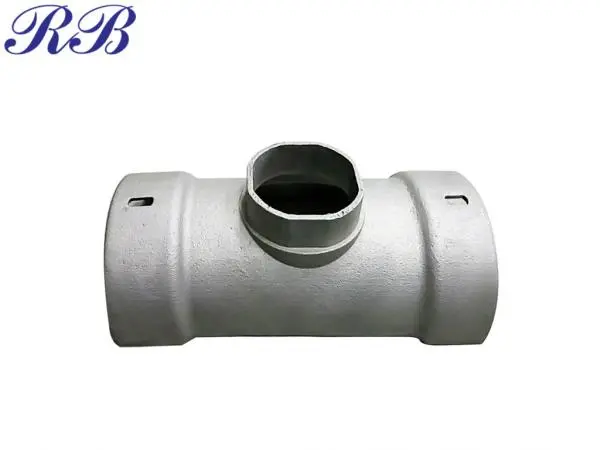
How does a casting fixed connector connect three-way pipes?
A casting fixed connector secures three-way pipe junctions through precision-engineered socket geometry and mechanical fastening systems. These connectors feature three precisely machined outlets positioned at calculated angles—typically configured as T-shaped or Y-shaped patterns—that receive pipe ends through interference fit or bolted flange connections. The ZL101A aluminum alloy construction provides the necessary strength-to-weight ratio, while gravity casting ensures uniform wall thickness throughout the junction body. After CNC machining creates exact tolerances on mounting surfaces and thread specifications, the connector physically locks pipes together using compression seals or bolted assemblies, distributing hydraulic and structural loads across all three connection points simultaneously.
Comprehensive Guide to Installing Casting Fixed Connectors on Three-Way Pipes
Step-by-Step Assembly Process
Preparing the ends of pipes is the first step toward leak-free operation. Cutting tools should make square ends that are perpendicular to the axis of the pipe by no more than 2 degrees. Deviations in angle cause uneven gasket tension, which lets fluid pass through. Sharp edges that could cut O-rings or break thread seals during fitting are taken care of by deburring. Cutting oils and metal particles that get on sealing surfaces can be removed by cleaning them with isopropyl alcohol.
How well a joint works under practical pressure depends on how accurately it is aligned. Support the pipes temporarily in their final positions before inserting them into connector sockets and making sure there are no angular misalignments. When pipes are under pressure inside, even a 1-degree angle difference can cause bending stress of more than 50 MPa at the connection points. Industrial suppliers sell specialty alignment tools that keep things in the right place while fasteners are being tightened. This cuts down on installation time and improves the quality of the joint.
To get the right seal tension without damaging the aluminum threads, controlled force application is needed during the fastening process. Usually, specifications call for 40–60 Nm of pressure to be applied in a star pattern to M10 bolts that hold flanged connections in place. This is done to make sure that the clamping force is uniform. Thread lubricants with aluminum-compatible substances stop galling, which stops bolts from moving while they are being taken apart. Managers in charge of buying things should be clear about what kind of fastener they want. Grades 304 or 316 stainless steel will not rust when connected to casting fixed connectors in saltwater or chemical environments.
Compliance Verification and Testing
Post-installation testing makes sure the system is working properly before it starts up. According to the ASME B31.3 process piping code, testing the pipe's integrity at 1.5 times its highest working pressure shows any leaks or structural problems. Stable seal performance is guaranteed by keeping the test pressure for 30 minutes while all connections are inspected. Keeping records of test results is important for keeping the quality records that are needed for facility audits or equipment certification processes.
Comparing Casting Fixed Connectors With Alternative Solutions for Three-Way Pipe Connections
Evaluating Mechanical Joint Systems
Depending on the needs of the application, different linking ways offer different benefits. Mechanical compression fittings have separate collar pieces and rubber seals that make them easy to put together without tools, which lowers the cost of installation labor. These systems can handle some angular misalignment during installation, which is helpful for repair jobs that are hard to get to. Compression fittings, on the other hand, add more leak paths and need to be retightened more often as the rubber seals wear out, which makes maintenance more difficult than with casting fixed connector bodies.
Bolted flange connections make it easier to take apart systems that need to be reconfigured often. Modular three-way junctions are made up of three different flanged fittings that are joined at a hub plate. Maintenance teams can take these apart to clean them or repair parts. Because they are more modular, flange systems usually cost 40–60% more than comparable cast connections because they have more parts and are harder to machine. Replacement of the gaskets every two to three years adds ongoing costs that aren't present in sealed cast designs.
Performance Under Harsh Operating Conditions
Extreme service environments show how different connection technologies are at their core. Welded steel structures can handle more pressure than casting fixed connectors—up to 300 bar, compared to 150 bar for most aluminum gravity molds. But welding leaves behind residual stress and heat-affected areas that are more likely to start corrosion. Nondestructive testing standards raise the cost of quality control. For example, x-rays of welded joints cost between $50 and $100 per joint site.
In chemical processes, corrosion protection is what makes the difference. The passive oxide layer of aluminum naturally protects against many organic chemicals and weak acids, so it doesn't need the protective coatings that carbon steel does. Casting fixed connectors are used in places where they come into direct contact with anhydrous ammonia cooling systems, diesel fuel transfer lines, and potable water distribution. In these settings, steel connections need expensive internal linings or can only last 5–10 years.
Different materials are used for outdoor installations and engine room uses based on how well they handle changing temperatures. Aluminum's thermal expansion coefficient (23 × 10⁻⁶/°C) is about 90% higher than steel's, so it needs to be carefully thought out in systems with more than one material. When connections are properly made, they can handle this difference in expansion through seal compliance or floating joint designs. This keeps thermal stress from building up when temperatures change from cold start to full working temperature.
Applications and Benefits of Casting Fixed Connectors in Industrial Piping
Industry-Specific Performance Requirements
Automotive cooling systems are a good example of a tough three-way connection use case. In modern turbocharged engines, coolant flows through complex networks that divide the flow between the engine block, turbocharger oil coolers, and heaters in the cabin. Connectors have to be able to handle 15-bar pressure jumps during cold starts and ethylene glycol water chemistry. IATF 16949-compliant suppliers confirm designs by subjecting them to 1,000-hour thermal cycling tests that simulate a vehicle's 10-year service life. These tests show that joint integrity remains even after repeated cycles of expanding and contracting.
Different problems can happen with construction equipment hydraulic systems, so strong connector solutions are needed. The hydraulics in an excavator work at 280 to 350 bar pressure, so the main pressure lines need to be connected with steel joints. Return line circuits at 5–10 bar pressure, on the other hand, use more and more aluminum castings, which lowers the overall weight of the machine, which is important for transportation efficiency and fuel economy. Manufacturers choose joints with built-in mounting brackets that absorb vibrations sent through flexible hydraulic lines. This keeps pipe connection points from cracking from overuse.
Quantifiable Performance Advantages
Improving the dependability of a system has real benefits for operations. Field data from chemical processing plants shows that casting fixed connectors that are properly defined work 99.7% of the time without leaking over 60 months of service. This is compared to mechanical compression fittings that need regular repair and only work 95 to 97% of the time. This 2% to 3% increase in reliability saves a lot of money, since each unplanned shutdown to fix a leak costs $10k to $50k in lost production, depending on the size of the facility.
Lowering the cost of maintenance is a strong economic reason to invest in premium connectors. Casting fixed connector three-way junctions get rid of the need for welded joints that can fail due to rust. This means that inspections can be done every three years instead of once every year, which would cost $75 to $125 per site for a radiographic exam and require a lot of work. Facilities with more than 200 pipe connections save between $15,000 and $25,000 a year on nondestructive testing costs alone, and the higher cost of connectors is recouped in two to three years.
Lifecycle cost modelling shows benefits of owning something that go beyond the original cost. Casting fixed connectors may cost 20–30% more than basic threaded fittings, but they last 15-20 years in settings that don't corrode, which is twice as long as steel options that break down due to oxidation. Avoiding replacement labor, which takes between 2 and 4 hours per connection and includes shutting down the system and testing the pressure, adds up to big savings over many years of facility operation.

Real-World Implementation Outcomes
A top-tier automotive supplier in the Midwest changed the design of cooling manifold assemblies so that precision-cast aluminum connectors were used instead of brazed copper junctions. Validation by engineers showed that the thermal performance was the same, but the weight was cut by 35%, which allowed for better bracket designs. When soldering tasks that needed special tools and trained workers were taken out of the manufacturing process, costs dropped by 18%. Within a year of the design change, guarantee claims for coolant leaks dropped from 340 parts per million to 85 PPM, showing a clear improvement in production quality.
Standardized casting fixed connectors were used on all product lines, from 50 horsepower units up to 500 horsepower units, made by industrial compressor makers that serve the oil and gas industry. Commonality cut the number of SKUs by 40%, which made managing inventory easier and let volume price negotiations happen, which dropped the cost of parts by 22% a year. Parts that can be swapped out made field service more efficient because technicians didn't have to keep as many unique parts on hand but could still service the whole range of products. This saved money on service vehicle inventory and increased the number of first-call fixes.
Conclusion
For three-way pipe connections to work, the qualities of the connector material, the accuracy of the production process, and the needs of the application must all be carefully thought through. When properly designed and fitted, casting fixed connectors made by gravity casting and CNC machining work perfectly in a wide range of industry sectors. To be successful at procurement, you need to look at more than just the unit price when evaluating suppliers. You need to look at things like certification compliance, customization options, and production capacity that will keep the supply chain stable in the long term. Companies that use strict supplier qualification processes and thorough cost analysis consistently get more reliable systems while lowering their total ownership costs over longer operational lifecycles.

FAQ
What pipe materials are compatible with cast aluminum connectors?
When the right closing methods are given, casting fixed connectors can work with steel, stainless steel, copper, and aluminum pipe systems. Isolation gaskets made of EPDM or Viton elastomers that are rated for service fluid compatibility must be used at steel pipe connections to stop galvanic corrosion between metals that are not the same. Stainless steel screws that get rid of electrochemical potential variations are good for combining copper and aluminum. When designing systems that will be used in saltwater or acidic environments that need special protection, corrosion engineers should be consulted.
How often should you check links that are already in place?
How often you need to inspect something depends on how bad the problem is and how important it is. When systems are under more than 50 bar of pressure, they need to be inspected visually once a year to look for signs of rust, broken fasteners, or surface cracks. Lower-pressure uses in controlled environments work well with inspections every 24 to 36 months. In thermal cycling uses, thermal imaging studies can find uneven temperature distributions that show the start of leaks or flow limits. Facilities that use computerized maintenance management systems plan inspections based on how important the equipment is and the rules that must be followed.
Do cast connectors match welded joint reliability?
When made correctly, casting fixed connectors are just as reliable as or more reliable than welded assemblies in situations that are within their design parameters. Welded parts leave behind stress and heat-affected areas that could lower failure strength by 20 to 30 percent if heat treatment is not done after welding. Casting fixed connectors keep the same material qualities all the way through the body, so there are no metallurgical breaks. There are some restrictions. For example, welded steel construction is needed for pressures higher than 150 bar or temps higher than 200°C, where aluminum qualities start to break down.
Partner With a Trusted Casting Fixed Connector Manufacturer
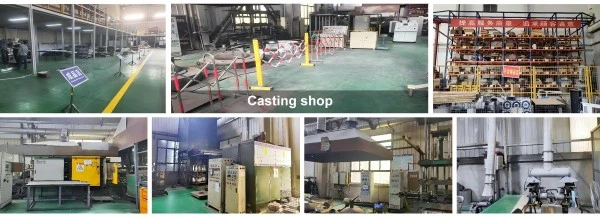
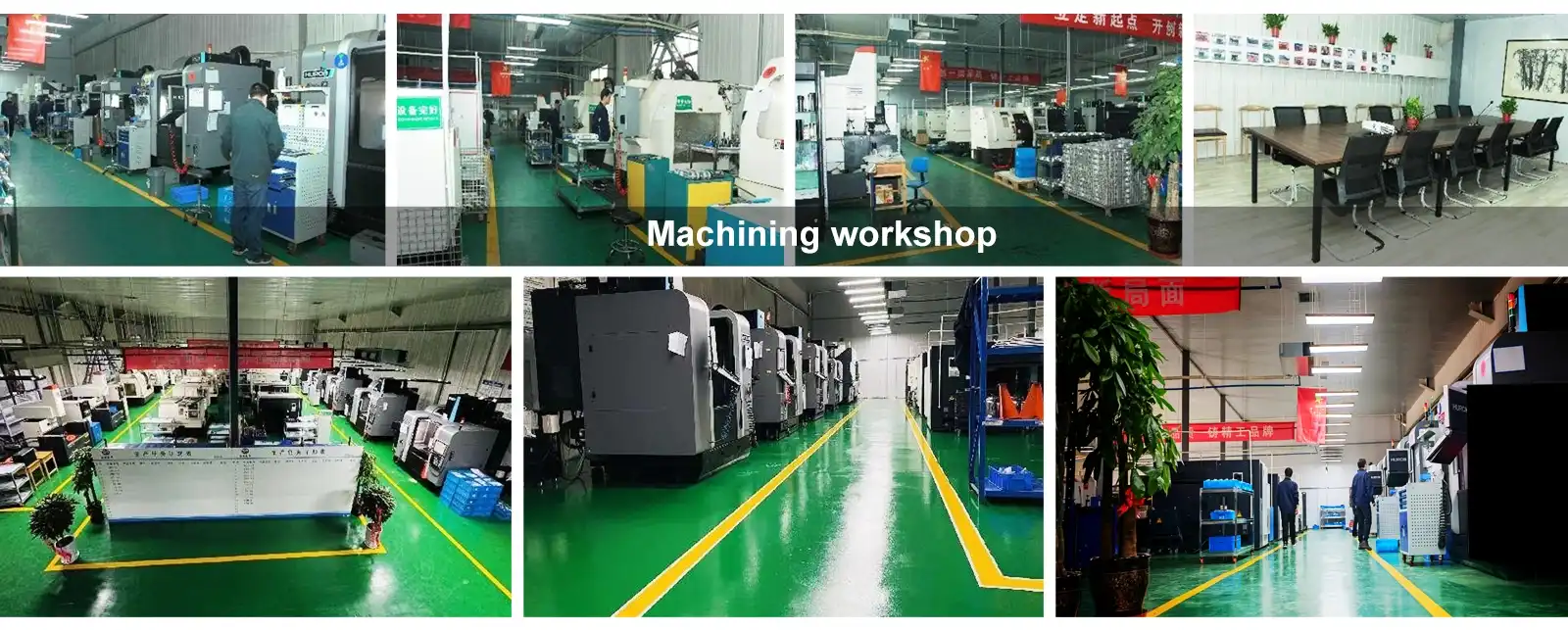
Rongbao Enterprise makes three-way pipe connections and casting fixed connector products with great care, backed by 20 years of experience casting and strict quality control systems. Our production plant in Xi'an is certified in ISO 9001:2015, ISO 14001, and ISO 45001, which makes sure that the quality of our products is always the same and meets the needs of buyers around the world. We are experts at ZL101A aluminum gravity casting with CNC machining and shot blasting surface treatment. The parts we make weigh 0.57 kg and have dimensions that are accurate to within 0.05 mm. Every month, they can make up to 5,000 units, and they can be changed to fit OEM specs or custom designs made just for your purpose. Packing parts in wooden crates keeps them safe during international shipping to North America. Our engineering team helps with design-for-manufacturing, which means they find the best shape for connectors so they can be cast efficiently and reliably. Pricing that is clear, lead times that can be predicted (8–10 weeks), and expert help throughout the lifetime of a product are all benefits for procurement managers. Get in touch with Steve Zhou at steve.zhou@263.net or zhouyi@rongbaocasting.com to talk about your three-way connector needs and get accurate quotes. You can see all of the things we can do for the automotive, construction equipment, and industrial machinery industries around the world by going to rongbaocasting.com.
References
- Davis, J.R. (2001). Aluminum and Aluminum Alloys: ASM Specialty Handbook. Materials Park, OH: ASM International.
- Campbell, J. (2015). Complete Casting Handbook: Metal Casting Processes, Metallurgy, Techniques and Design (2nd ed.). Oxford: Butterworth-Heinemann.
- American Society of Mechanical Engineers. (2020). ASME B31.3: Process Piping - Design, Fabrication, and Inspection Standards. New York: ASME Press.
- Kaufman, J.G. & Rooy, E.L. (2004). Aluminum Alloy Castings: Properties, Processes, and Applications. Materials Park, OH: ASM International.
- International Organization for Standardization. (2015). ISO 1167: Thermoplastics Pipes and Fittings - Determination of Resistance to Internal Pressure. Geneva: ISO Standards.
- SAE International. (2016). Surface Vehicle Standard J1926: Hydraulic Tube Fittings for Automotive Applications. Warrendale, PA: SAE Technical Publications.
Learn about our latest products and discounts through SMS or email